


.jpg)
.jpg)
.jpg)
What Students Say
Likes
- Its unique culture where activities and studies are happening on ongoing basis and many opportunities to work.
- You get a vast library with various specialized trading rooms for your academic purpose.
- The faculty is mostly international so there is a chance to find mentor from your country and pursue research works under their aegis.
Dislikes
- You require at least some years of experience and your French should be good to get a job.
- A lot of parties as french people do lots of parties so the location of your residence is prime importance.
- Very few Indian stores but there are appropriate to get supplies.
Colleges Where I Was Accepted


Reason for choosing my college
- It stands above in the Financial Times Ranking with specialized courses in International Finance which paired with Master in Management degree gives a solid background and understanding of the field of Finance. Apart from that, the opportunities after completing courses are many and since there are lots of companies in the European region that have HQs in Paris, it provides a unique opportunity to work with major brands.
Colleges Where I Was Rejected

Reason for Rejection
- I couldn't submit the fees due to COVID times as the banks were closed. As during my application there were a lot of rules during travelling and visa restrictions, I opted for countries where I could get a visa easily. Since during my application I chose universities that were a bit easier and got admissions in most of the applications.
Required Exams for Admission
Required Documents For Admission
CV |
SOP |
LOR |
Scholarship Essay
Tips to enhance your application
- Mostly they ask for a CV along with your language scorecard for English and a video interview, upon selection of which you get selected. You can enhance your CV to include projects and past experiences to showcase your leadership skills and how you are fit for that program in your video interview.
Admission Experience
- I wanted to work in French culture and be able to make a career in France. As a top country in the European region, France has bilateral ties with India, which makes it a major hub for students applying abroad. The only major issue is the French language, which, if you start earlier, you can have a good edge on.
- As for school, Rennes SB is one of the Grande Écoles, which is just like the IIMs of France and along with a good reputation, its course curriculum is more industry-specific. As beyond that, it's located in the beautiful city of Rennes, which is a major industrial region and is 2 hours from Paris.
- The courses offered are many, including Finance, Data Analytics, and Sustainability Management apart from Marketing. Student life is more happening, as there are lots of events and if you enjoy European culture, you will have lots of group activities. For Career mostly depends on market conditions, but with proper contacts, you can land jobs easily.
Class Schedule
8
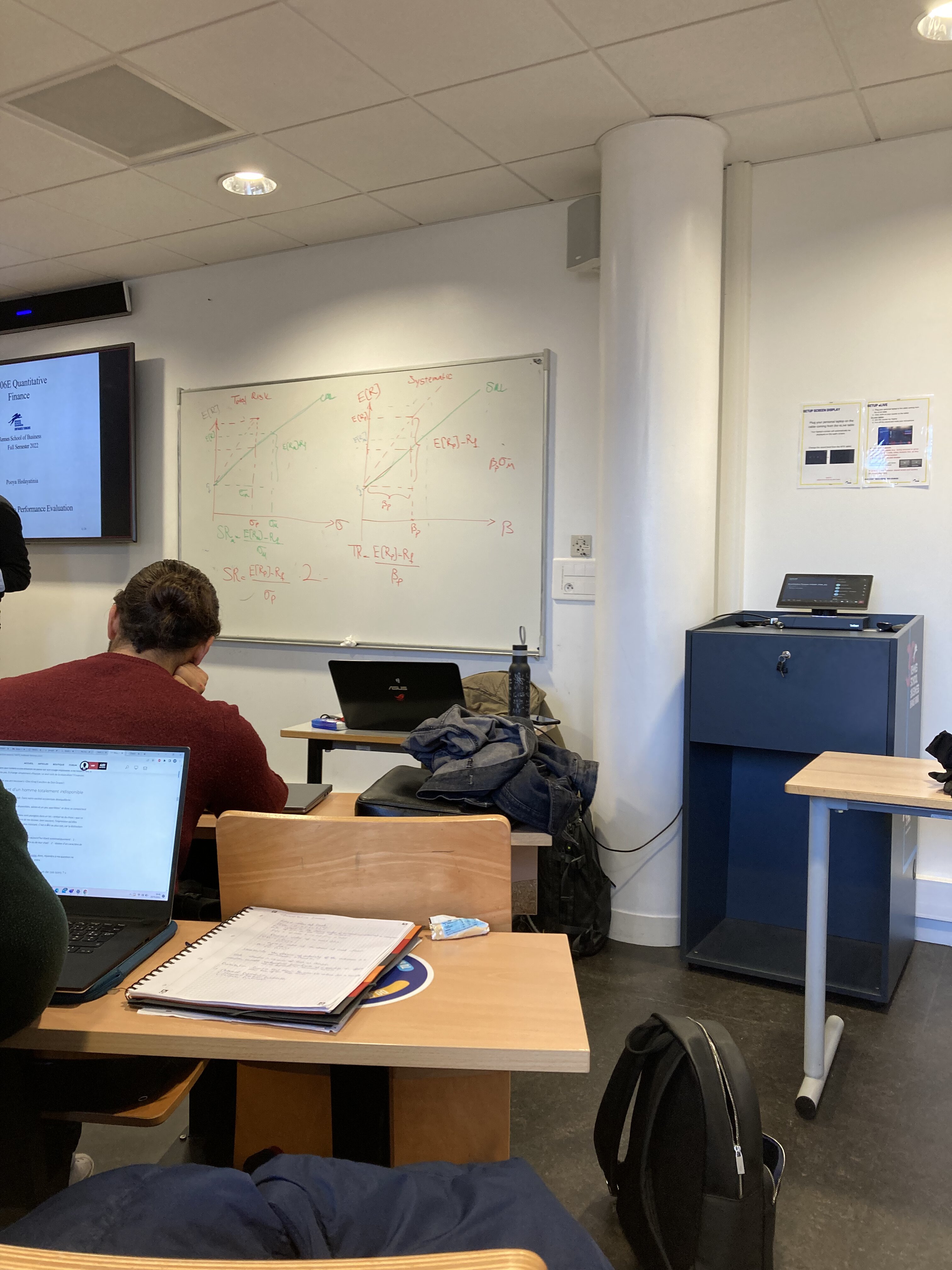
- The class runs from 8 am to 5 pm, depending on the days, where you get a lunch break from 11:30 to 1 pm. The average class size is 40 students and you can find 2-3 Indians in each course. For the internals, you have to work regularly for about 40% for class presentation and 60% for main exams. For self-study, you can work on your courses from 7pm onwards but have a strict routine, as you have to be present in class the next morning.
Faculty
8
- The Faculty members are highly cooperative and would go that extra mile to teach you. The Faculty to student ratio is 1 to 40. For jobs, you have to rely on Career center. I would say all the faculty are chosen based on their specialization and from my experience in Finance. I would say I learned from 0 to a level where I now understand the dynamics of Financial markets easily. For getting jobs, I would say your mentor for GP can help you get a job.
Campus Life
8
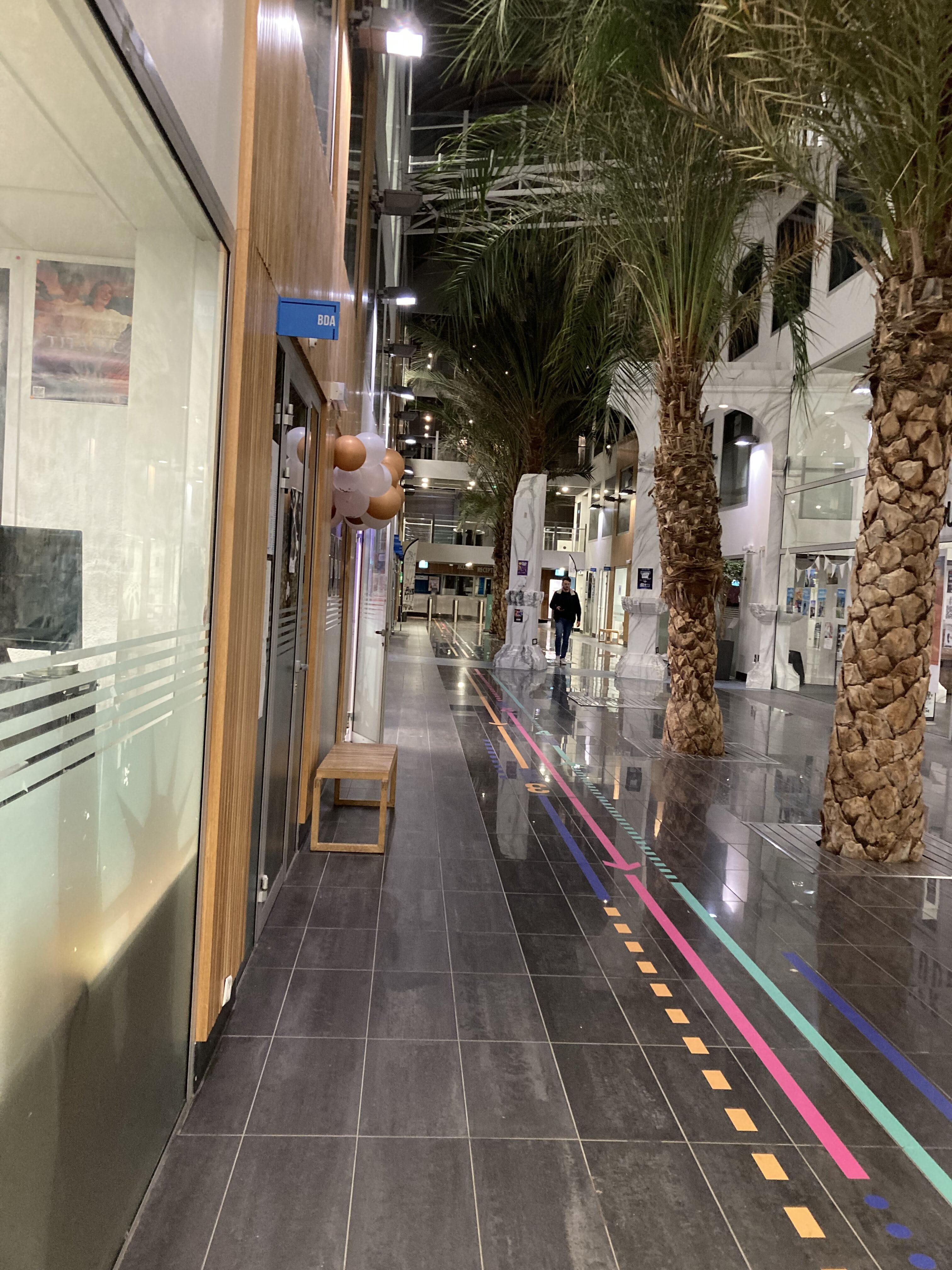
- There are two campuses, one in Paris and the other in Rennes. The facilities are many, from a free gym to a basketball court and a free library with vast resources. For extracurricular activities they are usually organized by juniors in Bachelors or first year and include Challenge Ecricome to International Fair.
Part Time Jobs
- I don't have an idea about that, as only a few students who know perfect French apply for these. As the culture is mostly French, you need to know the language; as for customer-facing roles, you need to talk in French. But if you try, they can give you some warehouse roles and help with delivery. But since courses are very hard and opting for part-time jobs can be hectic.
- Part-time jobs are many but you need to know french language for this. The typical pay varies from Euro 6 to 15 per hour and usually students work at McDonald's or KFC. But there are also fast food chains where you can contact the supervisor to get a job there. Usually these jobs are taken by french speaking students and for Indians it's a bit difficult.
Placement
4
- The job opportunities are many but mostly you have to find them on your own or network with people. I have found most of the people getting jobs through contacts and it usually takes 6-12 months, depending on your skills. My advice is to gain some experience in India and then apply, as you would be more open-minded and could show your expertise in your CV.
Accommodation
Off Campus
6
- The accommodation is generally of two types. One is shared accommodation, where you can pair up with up to 5 of your friends and move into an apartment or find a studio where you can live alone, like a hostel. Generally the studio for 1 is more costly but is more preferred as you can live by yourself and don't have to share a kitchen or washroom.


