





McGill University admissions follow a competitive, Fall-intake model where international applicants need a strong Class XII record for undergraduate study (85 percent and above for most faculties) and a four-year Bachelor’s with roughly 3.0 GPA (around 75 percent) plus IELTS Academic 6.5 for graduate study.
- Next live deadline: MBA Round 1 closes November 15, 2026 (Fall 2027 primary intake)
- Base tuition: C$ 12,250 to 46,220 (around ₹ 7.53 to 28.42 Lakhs) a year, application fee C$ 139.63 (around ₹ 8,587) for graduate programs
- Eligibility floor: UG Class XII at 85 percent, PG Bachelor’s with 3.0 GPA (around 75 percent), IELTS 6.5 overall
- Acceptance rate: estimated at 45 to 50 percent overall, with international applicants closer to 20 to 25 percent, as McGill does not publish an official institutional figure
Popular Indian student picks at McGill University include MSc Computer Science, Master of Management Analytics, BCom, and BEng Electrical Engineering. Peer sentiment on Reddit flags McGill as the strongest research match in Montreal for Indian STEM applicants, with Desautels seen as the city’s premier management school. For a wider snapshot of rankings, campus, and placement outcomes, see the McGill University overview page.
Admission Status: Open. The Fall 2027 primary intake is live, with MBA Round 1 closing on November 15, 2026 as the nearest live window and the main undergraduate and graduate deadlines falling on January 15, 2027. The application fee is C$ 139.63 (around ₹ 8,587) for graduate programs and C$ 136 (around ₹ 8,364) for undergraduate.
Table of Contents
- McGill University Admission Deadlines
- McGill University Eligibility for Indian Students
- McGill University PG Programs
- McGill University UG Programs
- McGill University MBA Admissions
- McGill University PhD Admissions
- McGill University Application Process
- McGill University Admission Decisions
- McGill University Documents Required
- McGill University Acceptance Rate
- Canada Study Permit for McGill University Students
- Tips for McGill University Admissions
- McGill University Admissions Checklist
- McGill University Admissions: Frequently Asked Questions
McGill University Admission Deadlines for Indian Students
McGill University runs a single Fall intake as its primary cycle for most programs, with Winter and Summer start terms open only for selected graduate courses. Dates below are drawn from the official McGill Important Dates system and the Desautels MBA admissions page. The undergraduate portal opened on October 1, 2026, and graduate applications opened on September 15, 2026.
McGill University’s primary intake for Indian students is Fall (September). Most undergraduate, graduate, MBA, and PhD programs open admissions here.
| Intake | Level | App Opens | Deadline | App Fee | Portal |
|---|---|---|---|---|---|
| Fall 2027 Primary intake | Undergraduate (Bachelor’s) | October 1, 2026 | January 15, 2027 | C$ 136 (around ₹ 8,364) | future.mcgill.ca |
| Fall 2027 | PG (most Master’s) | September 15, 2026 | January 15, 2027 | C$ 139.63 (around ₹ 8,587) | mcgill.ca/gradapplicants |
| Fall 2027 | PG early-close (MSc Public Health) | September 15, 2026 | December 1, 2026 | C$ 139.63 (around ₹ 8,587) | mcgill.ca/gradapplicants |
| Fall 2027 | PG early-close (MSc Computer Science) | September 15, 2026 | December 15, 2026 | C$ 139.63 (around ₹ 8,587) | mcgill.ca/gradapplicants |
| Fall 2027 | MBA (Desautels) Round 1 | September 15, 2026 | November 15, 2026 | C$ 143.82 (around ₹ 8,845) | mcgill.ca/desautels |
| Fall 2027 | MBA Round 2 | September 15, 2026 | January 15, 2027 | C$ 143.82 (around ₹ 8,845) | mcgill.ca/desautels |
| Fall 2027 | MBA Round 3 (final for Indian applicants) | September 15, 2026 | March 15, 2027 | C$ 143.82 (around ₹ 8,845) | mcgill.ca/desautels |
| Fall 2027 | PhD (most departments) | September 15, 2026 | January 15, 2027 | C$ 139.63 (around ₹ 8,587) | mcgill.ca/gradapplicants |
Undergraduate applicants must also upload supporting documents (Class XII marksheets, English test scores, counsellor forms) by March 1, 2027. Grad programs set their own supplementary document windows, generally two to six weeks after the application deadline.
Planning note: MBA Round 1 is the strongest round for scholarship consideration at Desautels. Indian candidates targeting the McCall MacBain or Tomlinson awards should finalise GMAT or GRE scores by October 2026 to apply in this round.
McGill University Eligibility for Indian Students
Eligibility is split by level and runs on academic percentages plus a verified English test score. McGill treats the Indian Class XII and three-to-four-year Bachelor’s degrees as directly comparable, provided marks are on an official transcript with equivalent grading explained.
- UG general entry: Class XII (CBSE, ISC, state boards) at 85 percent and above for Arts and Science, 90 percent and above for BCom and competitive engineering tracks
- UG subject prerequisites: Physics, Chemistry, Mathematics for BEng, Biology plus Chemistry for Life Sciences, Mathematics for BCom and BSc Computer Science
- PG Master’s entry: Four-year Bachelor’s or three-year Bachelor’s followed by a Master’s, with a minimum CGPA of 3.0 on 4.0 (around 75 percent) in the last two years
- PhD entry: Research Master’s with a strong CGPA, named supervisor fit, and a research proposal matched to the department
- English test minimums: IELTS Academic 6.5 overall (6.0 per band for UG), TOEFL iBT 86 to 100 with 20 per section, Duolingo 125 (undergraduate only), PTE Academic 65 (undergraduate only)
Graduate-level McGill admissions do not accept Duolingo or PTE as proof of English, as confirmed on the official graduate English proficiency page. Only IELTS Academic and TOEFL iBT are accepted at the Master’s and PhD level.
McGill University IELTS Waiver for Indian Students
Indian applicants whose Bachelor’s or Master’s degree was taught entirely in English can request a waiver of the IELTS or TOEFL requirement under the official exemption clause. McGill accepts an undergraduate or graduate degree from a foreign institution where English is the official language of instruction as proof of proficiency. The applicant must submit a signed Medium of Instruction (MOI) letter from the Registrar of the Indian university, on letterhead, stating that the full curriculum was delivered and examined in English.
At the undergraduate level, a further waiver applies to applicants who passed IGCSE or Cambridge O-Level English with a grade of B (or 5) or higher, or an IB Group 1 English course with a grade of 5 and above.
Note: Program-specific entry requirements, fees, and intake availability may differ from the institution-wide minimums shown above. Always confirm on the official McGill University page for your chosen program before applying.
McGill University PG Programs for Indian Students
McGill’s graduate roster is anchored by the Faculty of Science, the Faculty of Engineering, Desautels, and Public Health. Base tuition for most international Master’s programs sits in the C$ 20,000 to C$ 32,000 band (around ₹ 12.30 to 19.68 Lakhs). Precise per-course figures and living budgets live on the course-wise fees breakdown.
| Programme | Duration | Minimum Eligibility | English Req. Min. |
|---|---|---|---|
| MSc Computer Science | 2 years | Bachelor’s in CS or allied field with CGPA 3.2 on 4.0 (around 78 percent) | IELTS 6.5 |
| Master of Engineering (MEng) Electrical Engineering | 1.5 to 2 years | Bachelor’s in Electrical Engineering with CGPA 3.0 on 4.0 (around 75 percent) | IELTS 6.5 |
| MSc Mechanical Engineering | 2 years | Bachelor’s in Mechanical Engineering with CGPA 3.0 on 4.0 | IELTS 6.5 |
| Master of Management Analytics (MMA) | 12 months | Bachelor’s in any field with strong quantitative background and CGPA 3.0 on 4.0, GMAT or GRE | IELTS 7.0 |
| Master of Management in Finance (MMF) | 16 months | Bachelor’s in Finance, Economics, Math, or Engineering with CGPA 3.0 on 4.0 | IELTS 7.0 |
| Master of Information Studies (MISt) | 2 years | Four-year Bachelor’s in any discipline with CGPA 3.0 on 4.0 | IELTS 6.5 |
| MA Economics | 1.5 years | Bachelor’s in Economics with CGPA 3.3 on 4.0 (around 80 percent) and advanced calculus plus statistics | IELTS 6.5 |
| MSc Public Health (Epidemiology) | 2 years | Bachelor’s in a health or quantitative science with CGPA 3.3 on 4.0 | IELTS 6.5 |
Base tuition quoted is per academic year and excludes compulsory fees, residence costs, and health insurance. Program-specific tuition drops once a Differential Fee Waiver (DFW) of C$ 18,231 (around ₹ 11.21 Lakhs) is applied for eligible international Master’s students.
Insider note: MSc Computer Science and MA Economics are two of McGill’s most India-dense PG rooms. Both prefer research-intensive applications. Line up a strong undergraduate thesis or a research assistantship letter if applying for Fall 2027.
Note: Program-specific entry requirements, fees, and intake availability may differ from the institution-wide minimums shown above. Always confirm on the official McGill University page for your chosen program before applying.
McGill University UG Programs for Indian Students
Undergraduate admissions at McGill are only offered in the Fall term. International applicants must choose a program and faculty at the time of applying, as inter-faculty transfer at McGill after admission is restricted.
| Programme | Duration | Minimum Eligibility | English Req. Min. |
|---|---|---|---|
| Bachelor of Commerce (BCom) | 3 to 4 years | Class XII at 90 percent and above with Mathematics | IELTS 6.5 |
| BSc Computer Science | 3 to 4 years | Class XII at 85 percent and above with Mathematics studied through Class XII | IELTS 6.5 |
| Bachelor of Engineering (BEng) | 4 years | Class XII at 85 percent and above with Physics, Chemistry, Mathematics | IELTS 6.5 |
| BA (Economics, Political Science, Psychology) | 3 to 4 years | Class XII at 85 percent and above | IELTS 6.5 |
| BSc Life Sciences | 3 to 4 years | Class XII at 85 percent and above with Biology and Chemistry | IELTS 6.5 |
Base tuition for international undergraduates runs C$ 31,800 to C$ 62,200 (around ₹ 19.56 to 38.25 Lakhs) a year depending on faculty. Management, Law, and Engineering sit at the top of the band. For course-level numbers and compulsory fees, see the Fees page.
McGill University MBA Admissions
The Desautels MBA is a 20-month, full-time Fall-intake program. It uses a rounds-based review, with three deadlines open to Indian applicants and a fourth exclusive to domestic candidates. The admissions page confirms applications close for Indian candidates by March 15, 2027. The May 15, 2027 round is restricted to Canadian citizens and permanent residents, so it is not applicable to Indian students.
Desautels MBA Application Rounds
| Round | Deadline | Decision timeline |
|---|---|---|
| Round 1 | November 15, 2026 | Within two weeks of interview |
| Round 2 | January 15, 2027 | Within two weeks of interview |
| Round 3 (final for Indian applicants) | March 15, 2027 | Within two weeks of interview |
Work Experience and Test Scores
Desautels requires a minimum two years of full-time post-undergraduate work experience, with the average class carrying four to five years. GMAT, GMAT Focus Edition, or GRE is mandatory, with no waivers granted. Official scores must be sent using Institution Code 58 H-MN-22 for GMAT, 0935 for GRE. English test minimums are higher than the institutional floor: IELTS Academic 7.0 overall with no band below 7.0, or TOEFL iBT 100 with 20 per section. At-home and online test variants are not accepted.
The interview is held after a preliminary file review. International candidates are interviewed over Skype, Montreal-area applicants in person. A fit-focused ethics essay and three 500-word essays are also required.
Base tuition for the Desautels MBA is around C$ 112,000 (around ₹ 68.88 Lakhs) for the full program for international students. The acceptance deposit is a non-refundable C$ 5,000 (around ₹ 3.08 Lakhs). McCall MacBain Scholars at Desautels receive full tuition plus a monthly stipend of C$ 2,300 (around ₹ 1.41 Lakhs). Explore all awards on the funding for Indian students page.
Reality check: Desautels receives roughly 10 Indian applications for every seat offered. Round 1 and Round 2 close before most banks sanction education loans, so start loan documentation at least eight weeks before the chosen round.
Note: Program-specific entry requirements, fees, and intake availability may differ from the institution-wide minimums shown above. Always confirm on the official McGill University page for your chosen program before applying.
McGill University PhD Admissions
PhD admissions at McGill are supervisor-driven. Indian applicants must identify a prospective supervisor, confirm research alignment through email, and secure informal supervision interest before submitting a formal application. Most PhD programs are offered as four-year research doctorates and begin in Fall.
McGill University PhD Funding for Indian Students
Around 95 percent of McGill PhD students receive funding, covering tuition and a living stipend. The Differential Fee Waiver (DFW) of C$ 16,045.20 (around ₹ 9.87 Lakhs) brings international PhD tuition down to the Quebec resident rate, as detailed on the official DFW page. The flagship doctoral award, the Tomlinson Doctoral Fellowship, pays C$ 35,000 (around ₹ 21.53 Lakhs) a year for three years and is awarded through the Graduate and Postdoctoral Studies (GPS) competition each May 21.
McGill PhD Deadlines and Steps
The university-wide PhD deadline is January 15, 2027 for Fall 2027, though departments like Physics and Chemistry close earlier (December 15, 2026). Steps for Indian applicants are:
- Shortlist two to three potential supervisors through the department’s directory
- Email a research statement, CV, and transcripts for feedback
- Submit the online application after supervisor interest is confirmed
- Apply separately for the Tomlinson Fellowship by May 21, 2027
Note: Program-specific entry requirements, fees, and intake availability may differ from the institution-wide minimums shown above. Always confirm on the official McGill University page for your chosen program before applying.
McGill University Application Process
Indian applicants complete the McGill application in a sequence of steps. Each step is online except for the courier of hard-copy transcripts, where the department asks for sealed originals after an offer is issued.
- Create an account on the McGill application portal (future.mcgill.ca for UG, mcgill.ca/gradapplicants for PG and PhD)
- Pay the application fee of C$ 139.63 (around ₹ 8,587) for graduate applications or C$ 136 (around ₹ 8,364) for undergraduate applications on the McGill application portal
- Upload Class XII marksheets or Bachelor’s transcripts in English (notarised translations if originally in another language)
- Submit IELTS or TOEFL scores directly from the test provider (McGill TOEFL code is 0935)
- Register referees for letters of recommendation (two for Master’s and PhD, one counsellor plus one teacher for UG)
- Upload CV, Statement of Purpose, writing sample, or portfolio where required by the program
- Track departmental review and watch the portal for an interview invitation or offer notification
Portal checklists update dynamically. Mark each supporting document as received before the departmental review window closes, usually two to four weeks after the application deadline.
McGill University Admission Decisions
Undergraduate decisions are released on a rolling basis from mid-January to late April 2027 for Fall 2027 entry. Graduate decisions depend on the department. MBA decisions arrive within two weeks of interview, usually three to five weeks after each round deadline.
- Offer letter format: Issued as a conditional offer first, with English score, final transcript, and medical conditions listed
- Acceptance window: Four to six weeks to accept and pay the deposit, where applicable
- MBA deposit: C$ 5,000 (around ₹ 3.08 Lakhs), non-refundable
- Deferral policy: Available for one year on case-by-case basis for international students, requested through the admitting department
- Unconditional offer: Issued only after Class XII or Bachelor’s final transcript, IELTS score, and medical clearance are received
McGill University Documents Required
Documents fall into three groups: academic, personal identification, and supporting materials. Only one copy of each is uploaded through the McGill portal. Sealed hard copies ship to the department only after admission.
- Valid Indian passport bio-page scan with at least 18 months of validity from the start of the program
- Class XII marksheet and board certificate (for UG) or complete Bachelor’s transcripts (for PG)
- Degree certificate or provisional degree letter from the issuing university
- IELTS Academic or TOEFL iBT score report, sent directly by the test provider
- Statement of Purpose or Letter of Intent (1 to 2 pages, program-specific prompts)
- Two Letters of Recommendation (academic for PG, mixed academic and professional for MBA)
- Updated CV or resume with publications and work experience
- Writing sample or research proposal for PhD and research Master’s
- MBA essays (three 500-word essays plus the ethics statement)
- Medium of Instruction letter from the Indian university (only if claiming the English waiver)
- Financial declaration form for the Letter of Acceptance, needed for the Canadian study permit
McGill University Acceptance Rate for Indian Students
McGill does not publish an official institutional acceptance rate. Based on third-party admission data, the overall acceptance rate is estimated at 45 to 50 percent, with international applicants closer to 20 to 25 percent. Faculty-level selectivity varies sharply, so the headline figure can mislead.
Program Groups by Selectivity
- Most selective: MDCM Medicine (international pool below 1 percent), Law, Desautels MBA (around 10 percent of Indian pool)
- Highly selective: BEng Engineering, BCom, MMA, MMF
- Selective: MSc Computer Science, MA Economics, MSc Public Health
- Access-oriented: MEng project-based tracks, Information Studies, select BA majors
How Indian Applicants Can Improve Odds
Strong Indian applicants carry a Class XII score of 90 percent and above or a Bachelor’s CGPA of 3.3 on 4.0 (around 80 percent). For PG applicants, a published research paper, a strong SOP tied to a named lab, and an IELTS score above the minimum (7.0 instead of 6.5) lift the file. For a context of McGill’s academic standing, see the ranking band page.
Insider note: Indian admits at Desautels and the Faculty of Engineering routinely cross the GMAT 700 or GRE 325 mark, well above the stated minimums. Target scores comfortably above the floor if your undergraduate CGPA sits in the 3.0 to 3.2 range.
Canada Study Permit for McGill University Admissions
Indian students admitted to McGill University apply for the Canadian study permit under the regular stream, as the Student Direct Stream (SDS) was discontinued in November 2024. The application is submitted online through the IRCC portal after the Letter of Acceptance (LOA) is issued. Required documents include the LOA, Attestation of Issuance from the Quebec government (CAQ for students in Quebec), proof of funds covering tuition plus C$ 24,617 (around ₹ 15.14 Lakhs) a year for living expenses in Quebec, biometrics, and an upfront medical exam. The study permit fee is C$ 150 (around ₹ 9,225), plus C$ 85 (around ₹ 5,228) for biometrics. Processing times for Indian applicants average nine weeks in 2026.
2026 update: Quebec requires every international student to obtain a Certificat d’acceptation du Quebec (CAQ) before applying for the federal study permit. McGill confirms the LOA to the applicant, who then applies for the CAQ online through Arrima. Factor four to six weeks for CAQ approval before the IRCC submission.
Tips for McGill University Admissions
The following tips are drawn from Indian-applicant patterns at McGill University and highlight actions that move the needle inside each application review.
- Submit before the MBA Round 1 (November 15, 2026) or the PG early deadlines where your scholarship odds climb sharply
- Apply for the Major Entrance Scholarship separately by January 21, 2027, as tiers run up to C$ 12,000 (around ₹ 7.38 Lakhs)
- Target an IELTS score of 7.0 and above for competitive PG programs, even though 6.5 is the stated minimum
- Email a one-paragraph research pitch to two potential PhD supervisors by October 2026
- Convert your Indian CGPA to a 4.0 scale using the official Grading Equivalencies table on the GPS site
- Keep three bank-statement months plus a sanction letter ready for the CAQ and study permit
- Request transcripts in sealed envelopes from your Indian university at least eight weeks before the deadline
McGill University Admissions Checklist
The following steps cover what Indian applicants typically complete for a McGill University application. Each step is sequenced by weeks before the deadline, not restated from the Documents section.
- Twelve weeks out: Shortlist two or three programs and read each department’s admissions page for program-specific deadlines
- Ten weeks out: Book an IELTS Academic or TOEFL iBT slot and confirm McGill as a score recipient
- Eight weeks out: Request sealed transcripts and MOI letters from your Indian university
- Six weeks out: Confirm two recommenders and share your SOP draft with them
- Four weeks out: Draft and refine your SOP, essays, and CV
- Two weeks out: Submit the application and pay the fee on the McGill portal
- Post-submission: Track portal checklist, upload any missing items, and prepare for the interview
Admissions to McGill University in Fall 2027 open with a strong Indian pipeline. Line up IELTS and GMAT or GRE scores early, use the MBA Round 1 and PG early-close deadlines to boost scholarship odds, and apply for the CAQ and study permit at least 12 weeks before classes begin on August 25, 2027.
McGill University Admissions: Frequently Asked Questions
Ques. What is the McGill University application deadline for Indian students in Fall 2027?
Ans. Undergraduate applications close on January 15, 2027, with documents due March 1, 2027. Most Master’s and PhD programs also close on January 15, 2027, while MSc Public Health closes December 1, 2026 and MSc Computer Science closes December 15, 2026. The MBA Round 1 deadline is November 15, 2026.
Ques. Does McGill University accept Duolingo or PTE for admissions?
Ans. McGill accepts both Duolingo (125 and above) and PTE Academic (65 and above) at the undergraduate level. At the graduate level, only IELTS Academic (6.5 and above) and TOEFL iBT (86 and above) are accepted. Duolingo and PTE are not valid for PG and PhD applications.
Ques. Can Indian students get an IELTS waiver at McGill University?
Ans. Yes. Applicants whose Bachelor’s or Master’s degree was fully taught in English can submit a Medium of Instruction (MOI) letter from the issuing university Registrar to waive the IELTS or TOEFL requirement. Indian applicants from English-medium universities qualify under this route.
Ques. What is the application fee for McGill University?
Ans. The application fee is C$ 136 (around ₹ 8,364) for undergraduate applications, C$ 139.63 (around ₹ 8,587) for most graduate applications, and C$ 143.82 (around ₹ 8,845) for the Desautels MBA. All fees are non-refundable.
Ques. What is the minimum IELTS score for McGill University Master’s programs?
Ans. The institutional minimum is IELTS Academic 6.5 overall. The Desautels MBA, MMA, and MMF require IELTS 7.0 with no band below 7.0. Most research Master’s programs stay at the 6.5 floor, though competitive labs may ask for 7.0.
Ques. How do I apply to McGill University as an Indian student?
Ans. Create an account on the McGill application portal (future.mcgill.ca for UG, mcgill.ca/gradapplicants for PG), pay the application fee, upload transcripts, submit IELTS or TOEFL scores, register two referees, and send supporting documents like your SOP, CV, and writing samples. Track the portal for interview invitations and offers.
Ques. What is the acceptance rate at McGill University?
Ans. McGill does not publish an official institutional acceptance rate. Third-party estimates place the overall rate at 45 to 50 percent and the international rate near 20 to 25 percent. Program-level selectivity varies, with Medicine, Law, and the MBA among the most competitive.
Ques. How many letters of recommendation does McGill University need?
Ans. Graduate and PhD applications need two letters, typically academic. The MBA needs two professional references. Undergraduate applicants submit one counsellor form and may include an optional teacher recommendation for competitive faculties.
Ques. What is the GMAT requirement for the Desautels MBA at McGill?
Ans. The Desautels MBA requires a GMAT, GMAT Focus Edition, or GRE score with no waivers. The class average sits at GMAT 670 to 700, so Indian applicants typically aim for GMAT 700 and above or GRE 325 and above to be competitive.
Ques. Does McGill University offer scholarships for Indian students?
Ans. Yes. The One-Year Entrance Scholarship (C$ 3,000, around ₹ 1.85 Lakhs) is automatic for strong UG admits. The Major Entrance Scholarship offers tiers up to C$ 12,000 (around ₹ 7.38 Lakhs). PhD students can win the Tomlinson Fellowship at C$ 35,000 (around ₹ 21.53 Lakhs) a year, and the McCall MacBain Scholarship covers full tuition plus a monthly stipend.
Ques. When does McGill University release admission decisions?
Ans. Undergraduate decisions roll from mid-January to late April 2027. Graduate decisions depend on the department, usually arriving three to eight weeks after the application deadline. MBA decisions arrive within two weeks of the interview, after each round deadline.
Ques. Can I apply for McGill University without GRE or GMAT?
Ans. Most McGill research Master’s programs in Arts and Science do not require GRE. GMAT or GRE is mandatory for the Desautels MBA, MMA, and MMF with no waivers. Science Master’s programs vary by department, so check your target program’s official page.
College Student Profiles

McGill University Program Fees & Deadlines
| Program | Important Dates | Fees | Application Fees | Eligibility | Financial Aid |
|---|---|---|---|---|---|
MBA 1 year | USD 77,035 /Yr CAD 108,500 /Yr | 139 | IELTS: 7.0, TOEFL: 100 | ||
MMgmt Analytics 12 months | USD 55,096 /Yr CAD 77,600 /Yr | 139 | IELTS :7, TOEFL: 100 | ||
MS Biotechnology 16 months | USD 11,100 /Yr CAD 15,634 /Yr | 139 | IELTS : 6.5, TOEFL: 90 | - | |
BEng Mechanical Engineering 4 years | USD 45,361 /Yr CAD 63,889 /Yr | 136 | TOEFL- 90 | IELTS- 6.5 | Duolingo- 125 | PTE- 65 | - | |
MEng Aerospace Engineering 18 months | USD 22,201 /Yr CAD 31,269 /Yr | 139 | IELTS:6.5, TOEFL: 86 | - | |
BSc Computer Science 4 years | USD 44,658 /Yr CAD 62,898 /Yr | 136 | TOEFL- 90 | IELTS- 6.5 | Duolingo- 125 | PTE- 65 | ||
MIM Finance 12 months | USD 51,492 /Yr CAD 72,524 /Yr | 136 | IELTS :7, TOEFL: 100 | - | |
BSN 4 years | USD 23,443 /Yr CAD 33,018 /Yr | 136 | TOEFL- 90 | IELTS- 6.5 | Duolingo- 125 | PTE- 65 | ||
MEng Mechanical Engineering 18 months | USD 22,201 /Yr CAD 31,269 /Yr | 139 | IELTS:6.5, TOEFL: 86 | - | |
BS Architecture 4 years | USD 23,443 /Yr CAD 33,018 /Yr | 136 | TOEFL- 90 | IELTS- 6.5 | Duolingo- 125 | PTE- 65 |
Do you think the Dates are wrong ? Report Here


Course Finder - Search from 50K+ courses
Popular Streams:
Reviews
Most Popular Tags
26 Reviews Found
Dislikes
- A few sports things are not there and also it is a bit difficult and need to put in a lot of efforts
Likes
- The faculty is very experienced, lot of research opportunities are available here.
- Easy to find TA or RA jobs, or even part time on campus jobs.
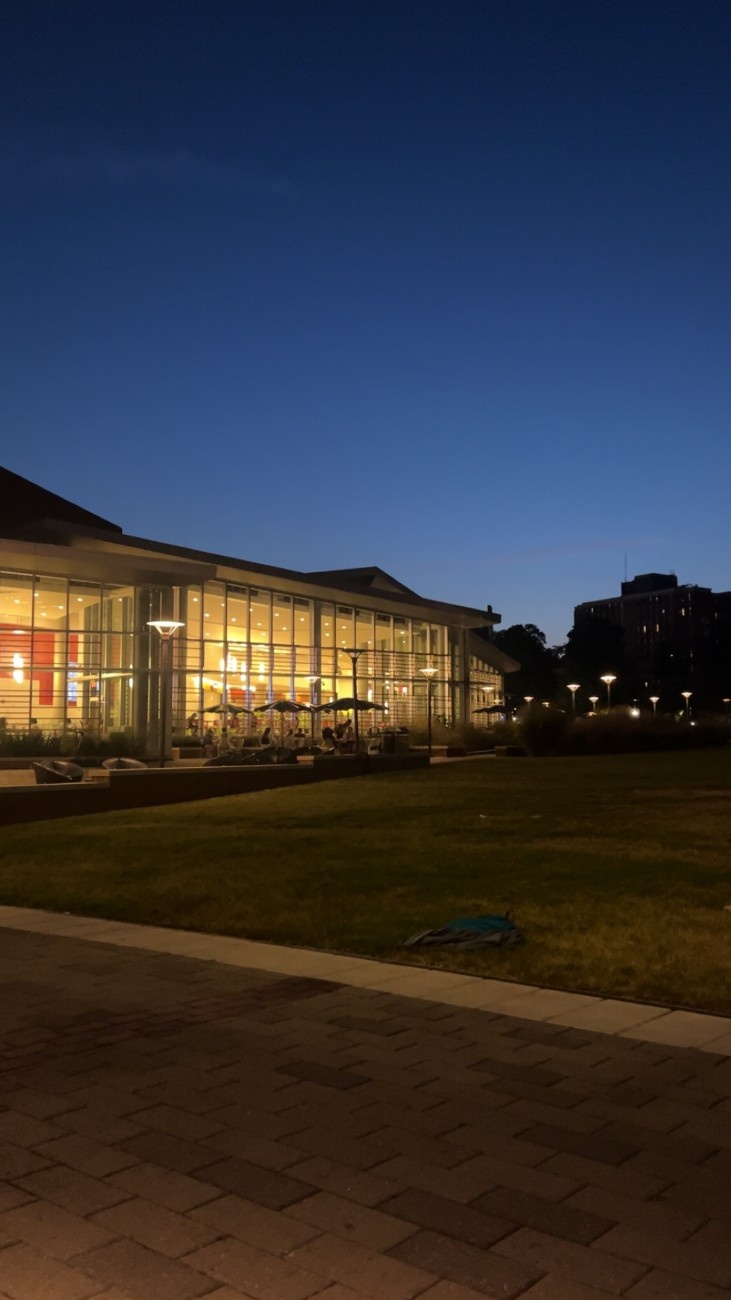
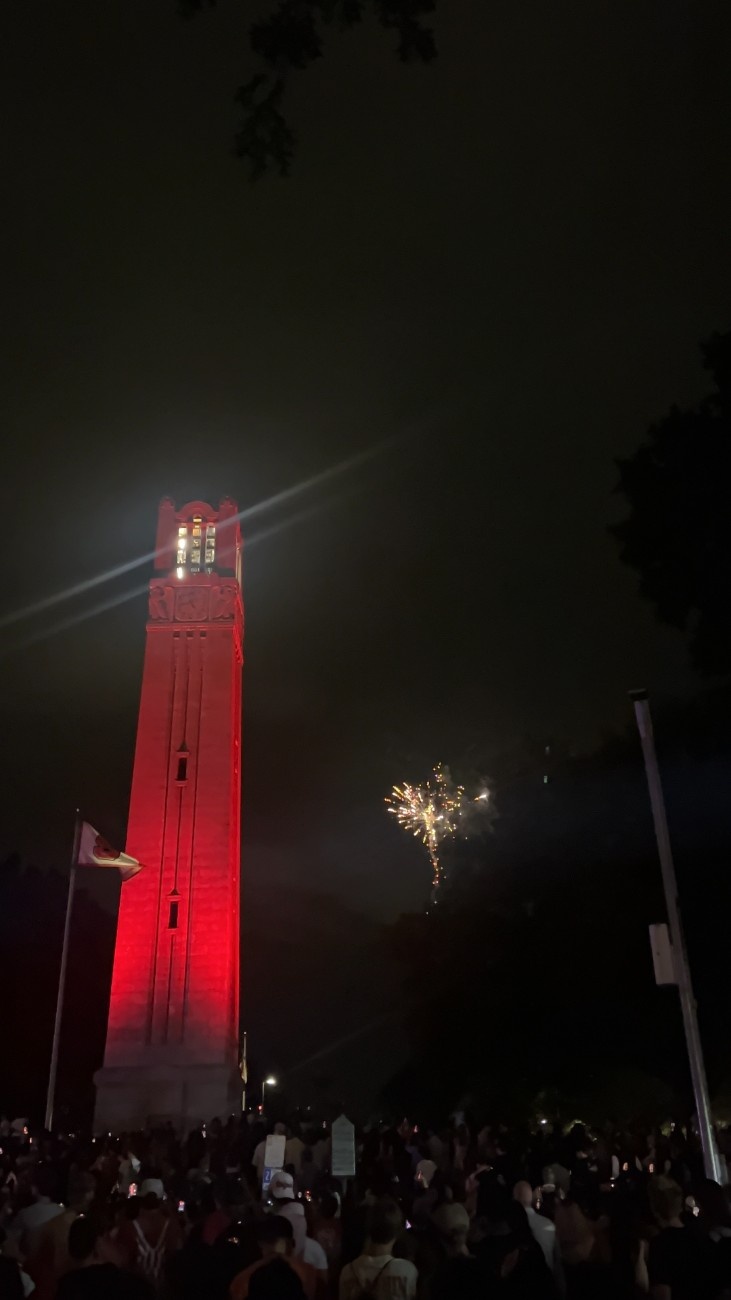
- Advantage of Research Triangle Park
Likes
- First and foremost is the affordable tuition fee which is called "Semester contribution" in Germany. During my time it was somewhere around 340 euros per month for my university. But this is totally worth it as with this you get a student ID with which you can access the publica transport free of cost in the city and even someone of the regional trains called RE in lower saxony region.
- Another thing is the "Mensa facility" which is Indian equivalent of mess/dining services. Here in mensa all students along with the faculties can get fresh and hot breakfast and lunch (as till operate till 3 PM) at very subsidized and affordable prices (considering international students).
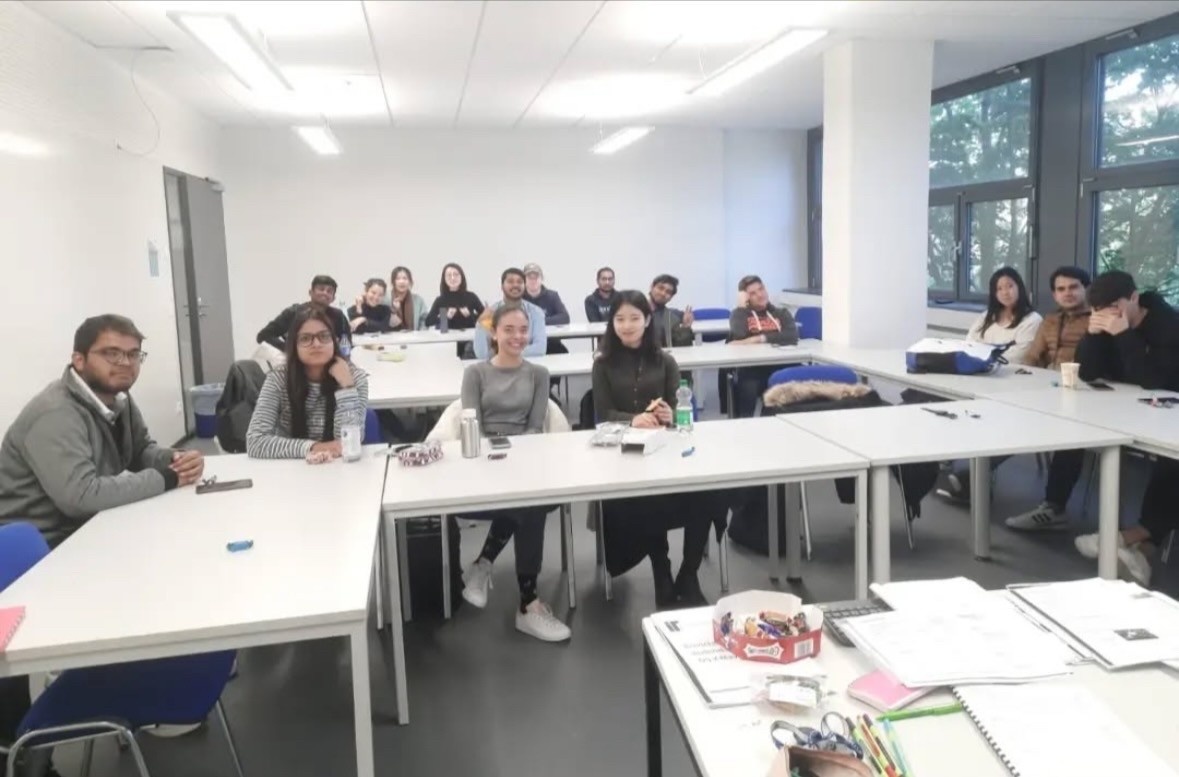
- Diverse culture and gender diversity, you will find people from all part of the world including Europe, Asia, Australia, and the US. This is a fantastic opportunity to make connection and learn different culture as well. these connection will help you in future to grow as an individual on both personal and professional.
Dislikes
- Location of my department (Mechanical Engineering) it is a bit far from city centre (around 15-20 mins by tram/bus). Though the building new is quite advanced and close to nature but for me i felt it is a bit isolated. After working hours you will not be able to find a lot of people around. So pro-tip is take accommodation near city centre so you can have a good social life.
- Your social life outside the university and up to an extent in the university highly depends on your proficiency in the local language (German). Since Hanover is a small town not a lot of people talk in English outside of university.
- There is no concept of campus placement (unlike India) so once you graduate you are at your own to find the job (here the language and your connection can help)
Scholarship
- Yes, I was a DAAD KOSPIE fellow. I am not sure about the criteria now but at that time it was pointer-based, 8.5 and above, please refer the website for updated criteria.
- I was receiving 850 euros a month for the seven-month duration.
- Yes, a few people got that award whom I personally know.
- Not sure of the number but those scholarships are a bit scarce, so you need to have good academic credentials.

Likes
- World class research environment
- Multicultural and diverse campus
- Strong academic reputation worldwide
Dislikes
- Lack of support during conflict especially for international student
- More old school working style
- Administration is very slow in processing the things

Likes
- Because of its overall reputation and global ranking. McGill is well situated in the heart of Montreal.
- The competitive atmosphere, the diverse crowd, the teaching faculty, the well-equipped labs. Moreover, it is well connected with metro and bus routes.
Dislikes
- I dislike the examination system and the variability in how each course is structured. There is no uniformity in the exam pattern and each professor has the right to design the course according to their needs which might be difficult for some students to follow.
Overview
The overall experience is pretty good. The campus has a lot of racial diversity and you meet people from different cultures and ethnicities. We have esteemed faculty and research professionals too. The campus has decent infrastructure with good wifi. The food options are limited on campus but we have good restaurants and fast food outlets nearby.
Scholarship
I received funding from my supervisor and the department. I also received the MITACS Globalink Graduate Fellowship valued at $15000. Only MITACS Globalink Research Internship alumni are eligible to apply for the scholarship.
Likes
- McGill is top 2nd in Canada and top 29th worldwide. Also particularly I liked the lab and research work as I exactly wanted to work on basic science and cancer biology.
- Research, academic life, networking opportunities, freedom to attend conferences, events, student life, fun, inter-departmental connections and affiliations
Dislikes
- Placement opportunities could be more strengthened but I guess this is more of an abroad thing because I know that even masters courses in India provide with placements at the end
Overview
Wonderful phase of my life being at McGill. Plethora of opportunities, networking, funding, research ideas and resources availability are all amazing.
Scholarship
I did not receive any international scholarship. I received funding from my supervisor at McGill.
Likes
- I liked Montreal as a bilingual city and the program sparked my interest.
Overview
Overall, I was really satisfied with my college experience. It was some of the best years of my life and expose me to some of the best friends I’ve ever made. It also jumped me onto a path of life long learning, which was very valuable.
Likes
- Ranking, prestige as being the best in Canada, and presence of a specific professor.
- Education at McGill Faculty of Law is usually focussed more on jurisprudential aspects, so if you love that this University is for you. The workload is going to be heavy so be ready for that. Funding opportunities are limited for Master's students, but getting a RA position is possible, although very tough since JD students will give you tough competition for the same. There are immense networking opportunities if you stay alert and only read your emails properly.
- If you want to go to academia, McGill is a good place to start your journey. Be warned though, the path to academia is long and arduous.
Dislikes
- Not too much. If you want to practice in Common Law after graduation, then perhaps you would be better off going to Toronto or Vancouver, since networking opportunities work best in person. Other than that, McGill is golden.
Overview
Law fac is something else at McGill University: Superb University culture, chill atrium with a Piano and ping pong table, massive networking opportunities, very-very friendly students (much better than anywhere else in Canada - based on the experience of students who were previously in UBC and UfT), and opportunity to learn French and experience French culture. Located in Montreal, a city like no other. The only drawback is that finding part-time jobs without french can be difficult. Also, NCA students will have to make more efforts than UfT or UBC students owing to location constraints. Remember, if you are in trouble, seek help and there will be some help around every corner. McGill Law is good at that.
Likes
- It is the best medical university in the country for the last 15 years and my program is under faculty of medicine.
Overview
McGill University, being one of the premier research institutes of the country has truly lived up to its expectations as it has given me a great platform to start my research career with its strong research abilities and a great international outlook. I'm really glad that I took this decision to pursue my masters from this university and looking forward to graduate soon.
Scholarship
Fully Funded Masters Program with Stipend.
Overview
I chose this university due to its stature and location. Canada provides better opportunities for jobs after graduation that other countries.
Scholarship
No, I did not get any scholarship.

interested in this College ?
Follow & Share this college to get information about admission.



Comments
Found 1 Comment
You can apply online at the official website of McGill University using the undergraduate application portal. Admission to McGill University is offered in the seasonal intakes of fall, winter, and summer. The common application deadline for attending McGill University in the winter term is January 15, 2023.
For more details, you can refer to this link: McGill University Admissions 2023