



What Students Say
Likes
- The professors and other course-related staff are very friendly and easily approachable. They are very helpful and understanding.
- The way they care for students. Every student has a personal tutor whom we can go to for any personal, professional and academic help.
- Acceptance of foreign students
Dislikes
- Could improve cultural and sports activities for masters students which will help in networking.
- I feel the tuition fee is higher for what we learnt in this one year
- No facility for transport to students.
Course Curriculum
8
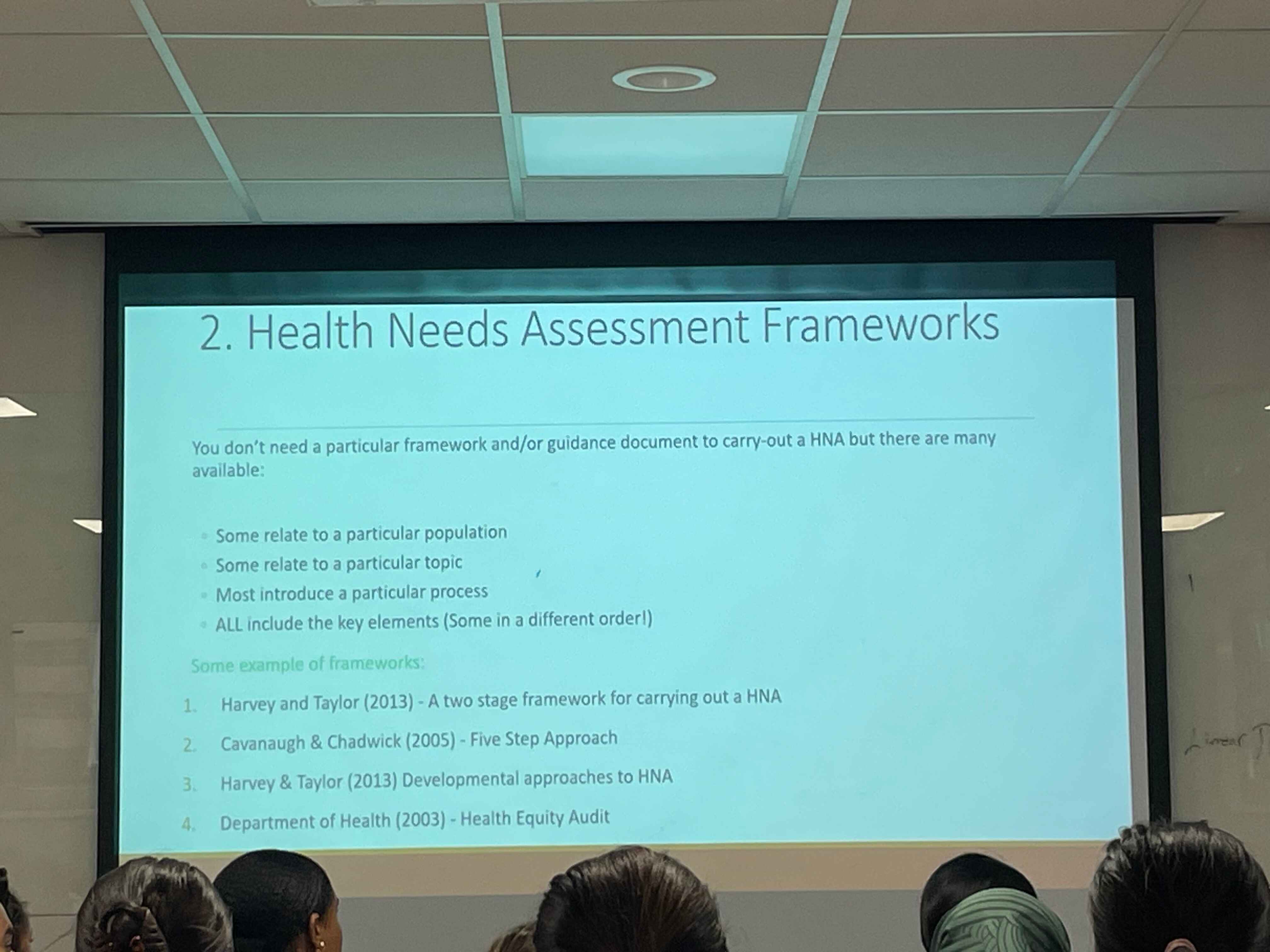
- Master in Public Health is a moderately difficult course. It is mostly theoretical in nature. A dissertation is the only practical experience you’ll gain if your dissertation is primary research.
- The positive part of this course would be getting to learn more about public health and meeting individuals from different public health areas and networking with them. The course gives a fresh view of health.
- The negative aspect of it would be no practical knowledge. Usually, the classes are four days a week, from 9 to 5 with two hours of breaks in between.
- The university and the faculty will help students find part-time or full-time jobs through Career Connect, but not on a personal basis. I admired my course, modulator Dr. Hannah, a lot. She is a sweetheart. She is very helpful and understanding.
Admission Experience
-
I applied for the following univerisities:
- University of Bristol—accepted but I didn't opt as the cost of living is too high
- University of Birmingham—accepted but I didn't opt as it's an unsafe city in the UK
- University of Sheffield—accepted (got admitted here)
- Edinburgh University—accepted but didn't opt as I got an offer letter really late.
- University of Leeds—rejected as they required work experience for my course
- I joined the University of Sheffield as my course here has good recognition (ScHAAR accredited). The admission process was very simple and easy. They required IELTS eligibility of overall band 7, with minimum scores of 65% in the undergrad course.
- I was involved in each and every step of my admission process. Mr Parth from Collegedunia was really helpful in this process. My entire process from selecting a university to admission and visa was just 1.5 months and wouldn’t have been possible without Parth and Suhana. Many thanks to them! Oh yeah, the city is safe with a decent cost of living, which made me choose Sheffield University and I am happy with my decision.
- I applied for the September intake in 2023. The University of Sheffield doesn't have a January intake. I started to look for universities at the end of May, and then I contacted Collegedunia regarding universities.
- I applied to five universities at the beginning of June and got acceptance or offer letters by the end of June. I decided on the University of Sheffield and paid £1000 to secure my seat and then later paid the first semester fees in installments by the end of September 2023.
Faculty
8
- My course had about 50 students out of which they were about 20 Indians. Have a good number of Asians, Africans and Middle Eastern people. The student-to-faculty ratio would be 1:5.
- The teaching faculty are very approachable, and they are mostly available for any help or to clear doubts. The teaching methodology is good, but I don’t know if it is sufficient to prepare for securing a job in our field.
Campus Life
8
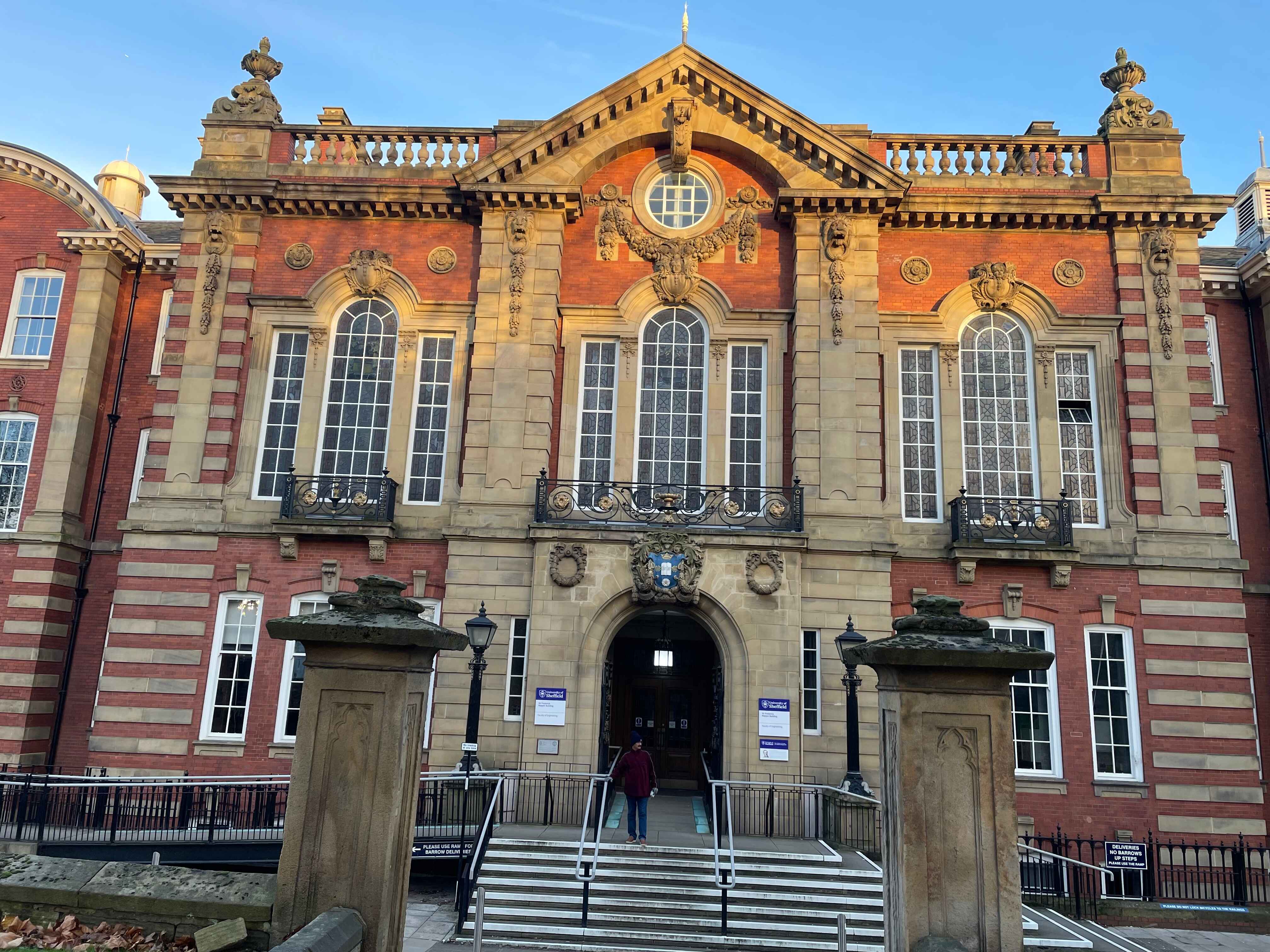
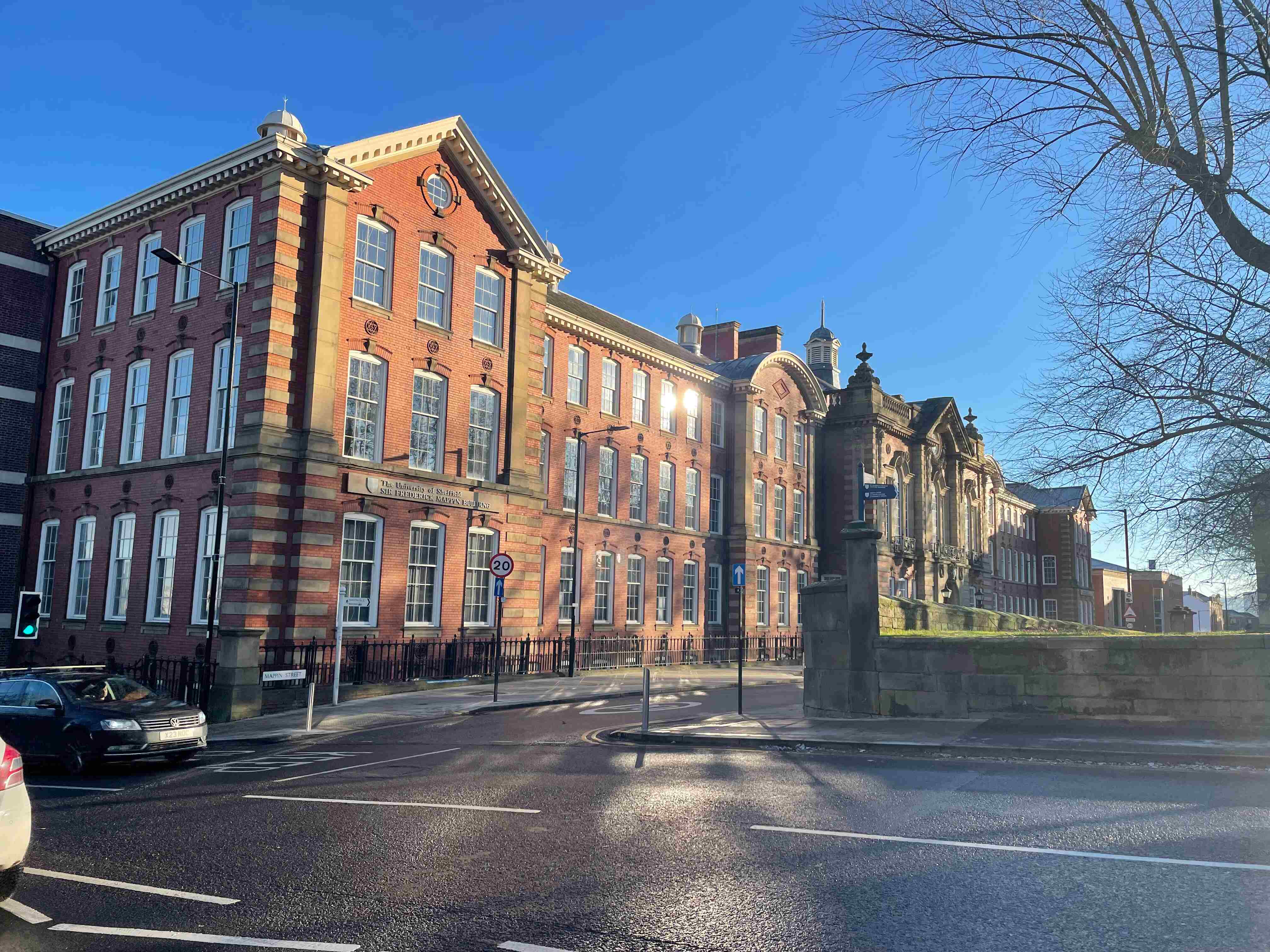
- My college has only one campus, but it owns multiple buildings for various courses, which are all spread out across the city.
- So it is not one huge campus, but it’s a mix of multiple buildings across the city. The university has a student union, which has multiple societies for sports, student organisations and cultural events.
- It also has a wonderful sports club and gym. Sheffield Student is one of the best student unions in the UK and hosts events all throughout the year.
Part Time Jobs
- Job opportunities are both easy and kind of difficult to get. There are plenty of part-time jobs available. Teaching assistant jobs are a bit difficult to get. In part-time jobs, they pay around £11-£12 per hour.
- And we can work about 20 hours a week during term time. During holidays, you can work up to 40 hours a week. The campus part-time jobs are comparatively easier to get. The campus holds events during the beginning and in the middle of the year for jobs.
- Students typically earn £11 per hour. It is easy to study and do coursework while doing a part-time job until or at the end, unless you are doing some extra courses.
- The usual process would be to search on Indeed for part-time jobs and also at the university through Careers Connect and the university portal. There are plenty of ways to secure a part-time job. I did not have a part-time job as I was doing an extra course, so I would be a really bad person to talk about it.
Placement
6
- Most of the batch people, that is, at least 70%, will secure a job within six months to one year of study completion. In my course, there are campus placements or recruitment jobs, so we have to actively search for preferred roles in the NHS. But we can also work as professors or continue studying for a PhD. There are plenty of work options to work as lecturers in this field.
Accommodation
Off Campus
8
- I live in a private student accommodation. I found this online. It wasn’t so difficult to find accommodation.
- I have a silver ensuite room. My rent is about £500 a month. It is a single room with an attached bathroom and a common kitchen shared by four of us.
- My accommodation is just a 15-minute walk to the university. And I have a tram station just opposite my accommodation. So it's easier to travel and most Indian students stay here and in the nearby area.
Exams
- Only IELTS scores and the scores in undergraduate courses were required. No additional exams were required. A letter of recommendation, statement of purpose and CV were required.
- All four-year individual mark sheets and a compiled mark sheet of four years, degree certificate, any other participation certificates, or internship certificates, and work experience were required.
- It was all done online and no interview was conducted as a part of the application process.
Fees
- £25,300 was my fee for an entire year. I paid it in two installments. The second installment should be made by the end of February. But if necessary, the university will give an extension of a few more months and will also help the student with multiple options on what can be done if you are unable to pay.
- Apart from this, monthly expenses will be a minimum of £700, where rent takes up 70% of the expense of around £500. Groceries, travel, and other activities can go up to £200 as a minimum, but it depends on the person's spending.
Scholarship
- I was too late to apply for the scholarship. But many people got a scholarship of £2000.
- At least 20/50 people received the scholarship in my class. There are so many other scholarships as well, which we are unaware of. Like the Commonwealth scholarship in India. The university also helps with cost of living funds once a year (only if you're eligible for it).


