NEET SS 2024 DrNB Medical Gastroenterology Paper 3 Question Paper Available - Download Here with Solution PDF

Shivam Yadav's profile photo

Shivam Yadav

Updated on - Dec 10, 2025

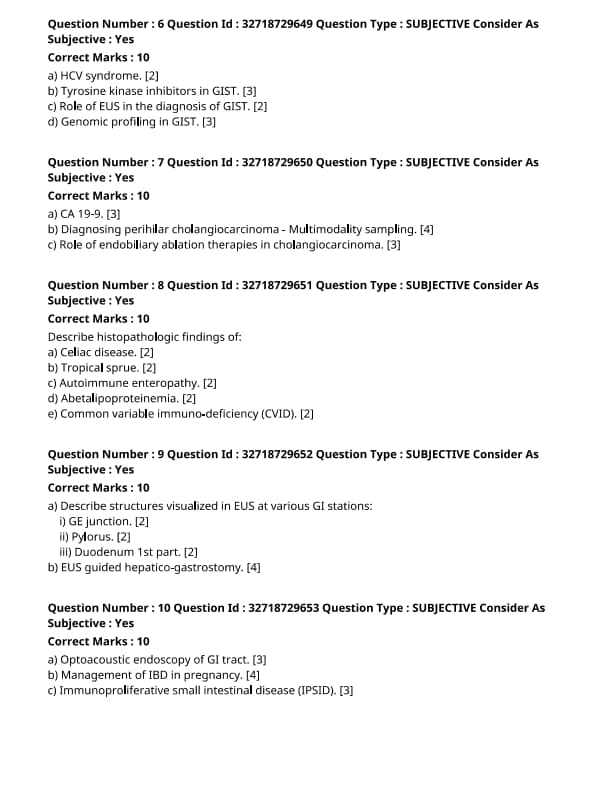
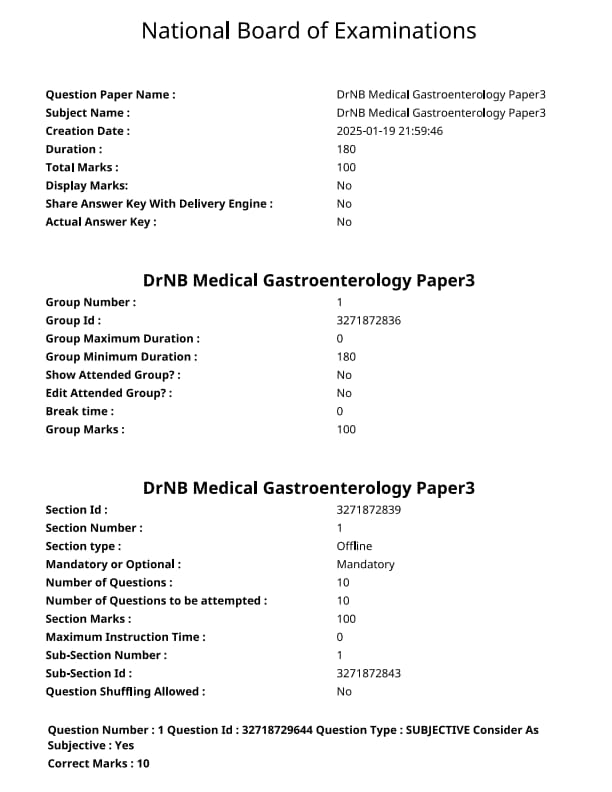
NEET SS 2024 DrNB Medical Gastroenterology Paper 3 Question Paper with Solutions PDF is available for download. NEET SS 2024 exam is conducted by the National Board of Examinations in Medical Sciences (NBEMS). NEET SS 2024 question paper consists of 10 questions to be attempted in 3 hours. The paper is divided into broad-specialty topics (40%) and super-specialty topics (60%).

You can download NEET SS 2024 question paper with answer key and solutions PDF using the links given below.

NEET SS 2024 DrNB Medical Gastroenterology Paper 3 Question Paper with Solutions

NEET SS 2024 DrNB Medical Gastroenterology Paper 3 Question Paper download iconDownload Check Solutions
NEET SS 2024 DrNB Medical Gastroenterology Paper 3 Question Paper with Solutions


Question 1:

Virtual chromoendoscopy.

Correct Answer:
View Solution

Virtual chromoendoscopy is a technique used in gastrointestinal endoscopy that simulates the effects of chromoendoscopy, where specific dyes are applied to enhance visualization of the mucosa, without the need for actual dye application. It uses advanced imaging technology to highlight subtle abnormalities, improving the detection of lesions such as early cancers or inflammatory areas.

Step 1: Mechanism of Virtual Chromoendoscopy:

1. Image Processing: Virtual chromoendoscopy relies on advanced image processing techniques, including color enhancement and contrast optimization, to make the mucosal surfaces more distinct.

2. Endoscopic Imaging: During an endoscopy, images are captured and then processed to enhance specific areas, improving visualization of blood vessels, mucosal patterns, and irregularities.

Step 2: Clinical Applications:

1. Colorectal Cancer Detection: Virtual chromoendoscopy is used for detecting early lesions and polyps in the colon, allowing for improved diagnostic accuracy.

2. Inflammatory Bowel Disease (IBD): It helps identify active disease in patients with Crohn’s disease or ulcerative colitis by highlighting inflamed mucosal areas.

Step 3: Advantages:

1. Non-invasive: Unlike traditional chromoendoscopy, it does not require dye administration, making it less invasive and safer.

2. Enhanced Visualization: It improves the detection of subtle lesions and mucosal changes without the need for complex procedures. Quick Tip: Virtual chromoendoscopy enhances endoscopic visualization using advanced imaging techniques, offering improved lesion detection without the use of dyes.


Question 2:

Role of red dichromatic imaging (RDI) in ulcerative colitis.

Correct Answer:
View Solution

Red dichromatic imaging (RDI) is a specialized imaging technique that uses a specific color filter to enhance the visualization of blood vessels and mucosal changes, especially in patients with inflammatory conditions like ulcerative colitis.

Step 1: Mechanism of Red Dichromatic Imaging:

1. Color Enhancement: RDI applies a red filter to enhance the visibility of the blood vessels and the vascularity of the mucosa, helping to identify subtle inflammatory changes.

2. Improved Detection of Inflammation: The technique enhances the contrast between inflamed and normal tissue, allowing for a more accurate assessment of the disease activity.

Step 2: Clinical Application in Ulcerative Colitis:

1. Assessment of Disease Activity: RDI helps in assessing the extent and severity of inflammation in patients with ulcerative colitis by highlighting areas of mucosal damage and blood flow abnormalities.

2. Early Detection of Relapses: It aids in the early detection of disease flare-ups, allowing for timely intervention.

Step 3: Advantages:

1. Non-invasive: RDI provides a detailed image without the need for biopsies or other invasive procedures.

2. Enhanced Sensitivity: It enhances the detection of subtle mucosal changes that may be missed with standard endoscopic techniques. Quick Tip: Red dichromatic imaging (RDI) is a valuable tool for assessing mucosal inflammation in ulcerative colitis, providing improved visualization of disease activity.


Question 3:

Boston bowel preparation scale.

Correct Answer:
View Solution

The Boston Bowel Preparation Scale (BBPS) is a scoring system used to assess the quality of bowel preparation during colonoscopy. It evaluates the cleanliness of the colon based on visual inspection of three segments: the right colon, the transverse colon, and the left colon.

Step 1: Structure of the Boston Bowel Preparation Scale:

1. Scoring System: The BBPS uses a scale from 0 to 3 for each of the three segments of the colon, with 0 indicating poor preparation (solid stool present) and 3 indicating excellent preparation (no stool or clear fluid).

2. Three Colon Segments: The scale evaluates the right colon, transverse colon, and left colon individually, and the total score is the sum of the scores from each segment.

Step 2: Clinical Use:

1. Evaluation of Preparation Quality: The BBPS is used to assess the adequacy of bowel preparation before colonoscopy. A score of 6 or more (with each segment scoring at least 2) is considered adequate for a successful procedure.

2. Impact on Procedure Success: Proper bowel preparation is crucial for accurate visualization during colonoscopy, and the BBPS helps guide clinicians in determining whether further preparation is needed.

Step 3: Advantages:

1. Objective Measurement: The BBPS provides an objective and standardized way to assess bowel preparation, reducing variability in preparation assessment.

2. Improved Colonoscopy Outcomes: Better bowel preparation leads to improved visibility, which enhances the detection of abnormalities such as polyps and tumors. Quick Tip: The Boston Bowel Preparation Scale is a reliable tool for assessing bowel preparation quality and ensuring optimal conditions for colonoscopy.


Question 4:

Mesenteric cyst.

Correct Answer:
View Solution

Mesenteric cysts are benign lesions that develop in the mesentery, the fold of tissue that attaches the intestines to the abdominal wall. These cysts are often asymptomatic but can cause abdominal discomfort, bowel obstruction, or volvulus if they grow large.

Step 1: Diagnosis:

1. Clinical Presentation: Patients often present with nonspecific abdominal pain or a palpable mass. Some may experience bloating or nausea.

2. Imaging: Diagnostic imaging such as ultrasound, CT scans, or MRI is used to identify the cyst and determine its size, location, and relation to surrounding structures.


Step 2: Treatment:

Surgical removal of the mesenteric cyst is the treatment of choice, especially if the cyst is symptomatic. The surgery involves excising the cyst while preserving the mesenteric blood supply to prevent complications. Quick Tip: Mesenteric cysts are usually benign and can be managed effectively through surgical resection if symptomatic.


Question 5:

Tubercular peritonitis.

Correct Answer:
View Solution

Tubercular peritonitis is a form of abdominal tuberculosis, resulting from the spread of Mycobacterium tuberculosis to the peritoneum. It is commonly seen in developing countries and can lead to chronic abdominal pain, ascites, and malnutrition.

Step 1: Diagnosis:

1. Clinical Symptoms: The typical presentation includes chronic abdominal pain, ascites, fever, and weight loss. Some patients may present with a palpable mass or bowel obstruction.

2. Diagnostic Imaging and Laparoscopy: CT scans and ultrasound may reveal peritoneal thickening or ascites. Laparoscopy can help confirm the diagnosis by obtaining tissue samples for biopsy.

3. Microbiological Testing: Peritoneal fluid analysis and culture for Mycobacterium tuberculosis help confirm the diagnosis.

Step 2: Treatment:

The treatment involves a combination of anti-tubercular medications, including rifampicin, isoniazid, ethambutol, and pyrazinamide, typically given for 6-9 months. Quick Tip: Prompt diagnosis and appropriate antitubercular therapy are crucial for treating tubercular peritonitis and preventing complications.


Question 6:

Peritoneal carcinomatosis.

Correct Answer:
View Solution


Peritoneal carcinomatosis refers to the widespread metastasis of cancer cells to the peritoneal cavity. It is often seen in advanced stages of cancers like ovarian, gastric, and colorectal cancer.

Step 1: Diagnosis:

1. Clinical Symptoms: Symptoms may include abdominal pain, bloating, ascites, and weight loss. Some patients may present with bowel obstruction or pleural effusion.

2. Imaging: CT scans and MRI are used to assess the extent of peritoneal involvement. The presence of ascites, peritoneal nodules, or thickening can suggest carcinomatosis.

3. Diagnostic Laparoscopy: Laparoscopy can help assess the peritoneal cavity directly and obtain tissue samples for biopsy.

Step 2: Treatment:

Treatment options are limited and generally involve palliative care, as peritoneal carcinomatosis often indicates advanced disease. Cytoreductive surgery combined with heated intraperitoneal chemotherapy (HIPEC) may be considered for certain cases. Quick Tip: Peritoneal carcinomatosis is typically treated with palliative care, and cytoreductive surgery combined with HIPEC offers potential survival benefits in selected patients.


Question 7:

Resectability criteria for pancreatic cancer.

Correct Answer:
View Solution


Resectability criteria for pancreatic cancer help in determining whether the tumor can be surgically removed. Pancreatic cancer is often diagnosed at advanced stages, and only a subset of patients are candidates for surgery. The resectability criteria include factors such as tumor size, location, and involvement of nearby blood vessels.

Step 1: Criteria for Resectability:

1. Localized Disease: The tumor should be confined to the pancreas and not involve distant organs or metastasize to other parts of the body.

2. Vascular Involvement: The tumor should not invade critical blood vessels such as the mesenteric artery, celiac axis, or superior mesenteric vein. Involvement of these vessels generally makes the tumor unresectable.

3. Lymph Node Involvement: Minimal or no lymph node involvement is preferred for resectability. If lymph nodes are involved, surgery may not be possible.

Step 2: Advanced Imaging Techniques:

1. CT Scan and MRI: These imaging techniques help in assessing the tumor’s size, location, and vascular involvement to determine whether it is resectable.

2. Endoscopic Ultrasound (EUS): EUS helps evaluate tumor proximity to major blood vessels, providing critical information for surgical planning. Quick Tip: Resectability of pancreatic cancer depends on the tumor's relationship with surrounding structures, particularly blood vessels and lymph nodes.


Question 8:

Palliative therapy in pancreatic cancer.

Correct Answer:
View Solution


Palliative therapy in pancreatic cancer aims to improve the quality of life by alleviating symptoms and managing complications, particularly in patients with advanced disease who are not candidates for surgery.

Step 1: Types of Palliative Therapies:

1. Pain Management: Pancreatic cancer often causes significant abdominal pain, which can be managed with analgesics such as opioids, and nerve blocks like celiac plexus block.

2. Stent Placement: In cases of obstructive jaundice, a stent may be placed in the bile duct to alleviate bile obstruction and improve liver function.

3. Nutritional Support: Due to malnutrition caused by pancreatic insufficiency, patients may benefit from pancreatic enzyme replacement therapy and dietary modifications.

Step 2: Chemotherapy and Radiation:

1. Chemotherapy: Chemotherapy can provide symptom relief, reduce tumor size, and potentially improve survival in some patients. Common regimens include gemcitabine or FOLFIRINOX.

2. Radiation Therapy: Palliative radiation may be used to shrink tumors, alleviate obstruction, and reduce pain. Quick Tip: Palliative care is an essential part of managing advanced pancreatic cancer, focusing on improving comfort and quality of life for patients.


Question 9:

Screening protocol for pancreatic cancer: present status.

Correct Answer:
View Solution


Pancreatic cancer is often diagnosed at advanced stages due to the lack of early symptoms. Screening for pancreatic cancer is an area of active research, but current protocols for screening are limited to high-risk individuals.

Step 1: Screening Criteria:

1. High-Risk Groups: Screening is recommended for individuals with a family history of pancreatic cancer, genetic predispositions (e.g., BRCA mutations), and certain inherited syndromes like Lynch syndrome or familial atypical multiple mole melanoma (FAMMM) syndrome.

2. Age and Lifestyle Factors: Individuals over the age of 50 with a history of smoking and chronic pancreatitis may also be considered for screening.

Step 2: Screening Methods:

1. Endoscopic Ultrasound (EUS): EUS is the most commonly used method for screening high-risk individuals. It provides detailed images of the pancreas and can detect small tumors.

2. MRI and CT Scans: These imaging techniques are used for monitoring high-risk patients and detecting pancreatic abnormalities.

Step 3: Challenges and Future Directions:

1. Lack of Effective Biomarkers: Currently, there are no widely used blood tests for early detection of pancreatic cancer, making screening dependent on imaging techniques.

2. Cost and Accessibility: The cost and availability of advanced imaging techniques like EUS limit their use in widespread screening. Quick Tip: Early screening for pancreatic cancer is critical but currently limited to high-risk populations. Ongoing research is focused on finding more effective and accessible screening methods.


Question 10:

Role of palliative stenting (SEMS) in colonic cancer.

Correct Answer:
View Solution


Palliative stenting using self-expanding metal stents (SEMS) is a minimally invasive procedure employed to relieve obstruction in patients with advanced colonic cancer. This technique is used when surgery is not feasible or as a bridge to surgery.

Step 1: Indications for Palliative Stenting:

1. Relief of Obstruction: SEMS can relieve colonic obstruction caused by tumors, improving symptoms such as pain, vomiting, and inability to pass stool.

2. Non-Surgical Candidates: For patients who are not candidates for surgery due to advanced cancer or poor performance status, SEMS provides an option to restore colonic patency.

3. Bridge to Surgery: In some cases, SEMS can be used temporarily to decompress the colon before surgery, allowing for a safer surgical procedure.

Step 2: Benefits and Risks:

1. Benefits: SEMS placement is associated with fewer complications, shorter recovery times, and lower hospital costs compared to traditional surgical procedures.

2. Risks: Potential complications include stent migration, perforation, and re-obstruction. Regular monitoring is essential. Quick Tip: SEMS provides a safe, effective, and less invasive option for managing colonic obstruction in patients with advanced cancer.


Question 11:

Endoscopic management of chronic radiation colitis.

Correct Answer:
View Solution


Chronic radiation colitis is a long-term complication of radiation therapy affecting the colon. Endoscopic management aims to alleviate symptoms and improve quality of life, focusing on controlling bleeding and managing strictures or fistulas caused by radiation injury.

Step 1: Symptoms and Diagnosis:

1. Symptoms: Patients may experience rectal bleeding, diarrhea, abdominal pain, and tenesmus (feeling of incomplete bowel evacuation).

2. Diagnosis: Diagnosis is typically made via colonoscopy, which reveals mucosal changes such as telangiectasia, strictures, and ulceration.

Step 2: Endoscopic Treatment Options:

1. Argon Plasma Coagulation (APC): APC is commonly used to treat radiation-induced bleeding by cauterizing blood vessels in the affected area.

2. Steroid Injection: Local injection of steroids can reduce inflammation and improve symptoms.

3. Dilation of Strictures: Endoscopic balloon dilation can be performed to treat strictures that result from radiation injury, improving colonic passage.

Step 3: Limitations and Risks:

1. Limitations: Endoscopic treatments may provide temporary relief, and patients with extensive radiation damage may not benefit as much.

2. Risks: Risks include perforation, bleeding, and failure of the procedure, especially in patients with severe fibrosis. Quick Tip: Endoscopic management of chronic radiation colitis can significantly improve symptoms, but it is important to recognize the limits of endoscopic treatment in advanced cases.


Question 12:

Newer therapies for refractory perianal fistula.

Correct Answer:
View Solution


Refractory perianal fistulas are a common and challenging complication of Crohn's disease and other conditions, often requiring advanced therapies when standard treatments fail.

Step 1: Medical Therapies:

1. Biologic Agents: Tumor necrosis factor (TNF)-alpha inhibitors (e.g., infliximab, adalimumab) and integrin inhibitors (e.g., vedolizumab) have shown efficacy in promoting fistula healing in patients with Crohn's disease.

2. Anti-Microbial Therapy: Long-term antibiotics like metronidazole or ciprofloxacin may help reduce infection and inflammation associated with fistulas.

Step 2: Surgical Interventions:

1. Fistulotomy and Seton Placement: A seton is a surgical device used to drain the fistula and allow it to heal slowly over time. This is often used in combination with biologic therapy.

2. Fibrin Glue and Collagen Plug: These minimally invasive techniques involve injecting fibrin glue or placing a collagen plug to seal the fistula tract, offering promising results in some patients.

Step 3: Novel Approaches:

1. Stem Cell Therapy: Recent research has explored the use of autologous stem cells to promote tissue regeneration and healing of perianal fistulas.

2. Mesenchymal Stem Cells (MSCs): MSCs are being evaluated for their potential in tissue repair and inflammation reduction in patients with refractory perianal fistulas. Quick Tip: Newer therapies, including biologics, stem cell therapies, and minimally invasive surgical options, are transforming the management of refractory perianal fistulas.


Question 13:

Body surface gastric mapping.

Correct Answer:
View Solution


Body surface gastric mapping is a non-invasive technique used in gastroenterology to assess and visualize the distribution of gastric diseases or anomalies. This method provides a clear understanding of the gastric mucosal surface and helps in diagnosing conditions such as gastric ulcers, malignancies, or other gastric abnormalities.

Step 1: Technique Overview:

The technique involves the application of mapping systems, often combined with imaging tools like endoscopy or MRI, to create a comprehensive map of the stomach. These maps are useful for identifying areas of the stomach affected by disease.

Step 2: Clinical Application:

It is particularly useful in pre-surgical planning or for monitoring the progression of chronic gastric diseases, ensuring accurate targeting for interventions or biopsies. Quick Tip: Body surface gastric mapping is a valuable tool for visualizing the stomach's surface and aiding in precise diagnosis and treatment planning.


Question 14:

Narrow band imaging (NBI): simplified classification for gastric lesions.

Correct Answer:
View Solution


Narrow Band Imaging (NBI) is an advanced endoscopic imaging technique that uses specific light wavelengths to enhance the visualization of surface mucosal patterns and microvessels in the gastric mucosa. It is particularly useful for the detection of early gastric cancer, precancerous lesions, and other gastric abnormalities.

Step 1: NBI Technique:

NBI uses two specific wavelengths of light (415 nm and 540 nm) that enhance the visibility of blood vessels and mucosal structures, providing high contrast for detecting subtle abnormalities in the gastric lining.

Step 2: Simplified Classification for Gastric Lesions:

1. Type I: Normal or benign lesions with regular, well-demarcated mucosal patterns.
2. Type II: Lesions showing mild irregularity in mucosal patterns, possibly indicative of inflammation or early cancer.
3. Type III: Irregular mucosal patterns with poor vascular structures, commonly associated with gastric cancer. Quick Tip: NBI is an excellent tool for early detection of gastric cancer and for differentiating between benign and malignant lesions.


Question 15:

Endotherapy in malignant gastric outlet obstruction.

Correct Answer:
View Solution


Endotherapy refers to the use of endoscopic procedures to manage and treat malignant gastric outlet obstruction (GOO), which can occur due to cancers like gastric cancer or pancreatic cancer. This method is used to alleviate symptoms such as vomiting and inability to eat, providing palliative care to improve the patient's quality of life.

Step 1: Endoscopic Techniques:

1. Endoscopic Stenting: The placement of a self-expanding metal stent (SEMS) across the obstruction to maintain patency and allow for food passage.
2. Endoscopic Gastrostomy (PEG): In cases where stenting is not feasible, a percutaneous gastrostomy tube may be placed to provide enteral nutrition.

Step 2: Clinical Benefits:

Endotherapy offers a minimally invasive option for managing GOO, improving patient outcomes by providing symptomatic relief and enhancing nutritional intake in advanced cancer stages. Quick Tip: Endotherapy provides significant benefits in palliative care for patients with malignant gastric outlet obstruction, improving their quality of life and symptom management.


Question 16:

HCV syndrome.

Correct Answer:
View Solution


HCV (Hepatitis C virus) syndrome refers to a range of systemic manifestations that occur due to chronic infection with the hepatitis C virus. These may include liver-related complications and extrahepatic manifestations.

Step 1: Extrahepatic Manifestations:

1. Cryoglobulinemia: A condition where abnormal proteins in the blood cause inflammation, leading to vasculitis.

2. Rashes and Arthralgia: Common in HCV infection, often linked to immune complex deposition.

3. Kidney Disease: Glomerulonephritis, particularly membranoproliferative glomerulonephritis, is a common manifestation.

Step 2: Hepatic Manifestations:

1. Chronic Hepatitis: Long-term liver inflammation, which can progress to cirrhosis or liver cancer.

2. Liver Failure: In advanced stages, chronic HCV infection can lead to liver failure. Quick Tip: Early detection and treatment of HCV can prevent severe complications like cirrhosis and liver cancer, improving patient outcomes.


Question 17:

Tyrosine kinase inhibitors in GIST.

Correct Answer:
View Solution


Tyrosine kinase inhibitors (TKIs) are essential in the treatment of gastrointestinal stromal tumors (GISTs), particularly in tumors that have mutations in the KIT or PDGFRA genes.

Step 1: Mechanism of Action of TKIs:

1. Targeting Mutant KIT/PDGFRA Proteins: TKIs work by inhibiting the abnormal tyrosine kinase activity caused by mutations in the KIT or PDGFRA genes, which are commonly found in GISTs.

2. Blocking Cell Proliferation: By inhibiting the tyrosine kinase signaling pathway, TKIs prevent tumor cell proliferation, survival, and metastasis.

Step 2: Commonly Used Tyrosine Kinase Inhibitors:

1. Imatinib (Gleevec): The first-line treatment for advanced GISTs, it has shown significant efficacy in tumors with KIT mutations.

2. Sunitinib (Sutent): An alternative treatment used when tumors become resistant to imatinib.

Step 3: Side Effects of TKIs:

1. Gastrointestinal Symptoms: Nausea, diarrhea, and abdominal discomfort are common side effects.

2. Fatigue and Edema: These are other frequently reported side effects in patients on TKI therapy. Quick Tip: TKIs have revolutionized the treatment of GISTs, especially in cases with specific gene mutations, offering improved survival outcomes.


Question 18:

Role of EUS in the diagnosis of GIST.

Correct Answer:
View Solution


Endoscopic ultrasound (EUS) is a valuable imaging tool for diagnosing and staging gastrointestinal stromal tumors (GISTs), particularly for lesions located in the wall of the gastrointestinal tract.

Step 1: Mechanism of EUS:

1. High-Resolution Imaging: EUS provides high-resolution images of the gastrointestinal wall and surrounding tissues, making it effective for detecting small GISTs.

2. Evaluation of Tumor Size and Depth: EUS can assess the size of the tumor and determine whether it involves the layers of the gastrointestinal wall, which is crucial for staging.

Step 2: Clinical Use of EUS in GIST:

1. Diagnosis and Biopsy: EUS-guided fine needle aspiration (FNA) allows for the collection of tissue samples for histological diagnosis.

2. Staging and Risk Assessment: EUS is helpful in assessing the depth of tumor invasion, which is important for determining the risk of metastasis and planning treatment. Quick Tip: EUS is an essential tool in diagnosing GISTs and assessing their depth of invasion, guiding treatment decisions.


Question 19:

Genomic profiling in GIST.

Correct Answer:
View Solution


Genomic profiling in gastrointestinal stromal tumors (GISTs) involves analyzing the genetic mutations and alterations present in tumor cells, which helps in diagnosing, predicting prognosis, and selecting the appropriate treatment.

Step 1: Importance of Genomic Profiling in GIST:

1. Identification of Mutations: GISTs are often characterized by mutations in the KIT or PDGFRA genes, and genomic profiling helps identify these mutations.

2. Targeted Therapy: Genomic profiling allows clinicians to tailor targeted therapies such as imatinib for patients with KIT mutations, improving treatment outcomes.

Step 2: Techniques Used in Genomic Profiling:

1. Next-Generation Sequencing (NGS): NGS is commonly used to detect specific mutations in GISTs, including KIT and PDGFRA.

2. Fluorescence In Situ Hybridization (FISH): FISH can detect chromosomal rearrangements and is used to identify KIT and PDGFRA gene alterations.

Step 3: Benefits of Genomic Profiling:

1. Personalized Treatment: It enables the use of targeted therapies based on the genetic characteristics of the tumor.

2. Prognostic Information: Genomic profiling provides insights into the prognosis by identifying mutations associated with aggressive tumor behavior. Quick Tip: Genomic profiling allows for personalized treatment strategies in GIST, improving treatment efficacy and providing prognostic information.


Question 20:

CA 19-9.

Correct Answer:
View Solution


CA 19-9 is a carbohydrate antigen and is a tumor marker primarily used to monitor the progression of pancreatic, colorectal, and biliary tract cancers, particularly cholangiocarcinoma.

Step 1: Clinical Role:

1. Detection of Malignancy: Elevated levels of CA 19-9 are often associated with gastrointestinal cancers, especially pancreatic cancer, but also cholangiocarcinoma and colorectal cancer. However, it is not specific to cancer and can be elevated in benign conditions such as pancreatitis or liver disease.

2. Monitoring Therapy: It is most commonly used in monitoring the effectiveness of treatment, such as chemotherapy, and in detecting recurrence of malignancy after treatment.

Step 2: Limitations:

1. False Positives: CA 19-9 levels can also be elevated in non-cancerous conditions, including liver cirrhosis, pancreatitis, and cholestasis.

2. False Negatives: Some individuals, especially those with a rare blood type (Le(a-b-)), may not produce CA 19-9 even in the presence of a malignancy. Quick Tip: CA 19-9 is useful for monitoring and detecting recurrence of certain cancers, but its use as a diagnostic tool is limited by false positives and negatives.


Question 21:

Diagnosing perihilar cholangiocarcinoma - Multimodality sampling.

Correct Answer:
View Solution


Perihilar cholangiocarcinoma is a cancer that occurs at the confluence of the bile ducts, and it is one of the most challenging malignancies to diagnose. A multimodal approach to sampling and imaging is essential for accurate diagnosis.

Step 1: Imaging Techniques:

1. CT/MRI Imaging: High-resolution imaging such as MRI with MRCP (Magnetic Resonance Cholangiopancreatography) and CT scans are essential for evaluating the extent of the tumor and its involvement with surrounding structures.

2. Endoscopic Ultrasound (EUS): EUS is highly sensitive for detecting perihilar tumors and is used to guide biopsy procedures.

Step 2: Biopsy Techniques:

1. Endoscopic Biopsy: For histopathological confirmation, endoscopic retrograde cholangiopancreatography (ERCP) with biopsy is commonly performed. Tissue obtained is examined for malignant cells.

2. Percutaneous Biopsy: In some cases, a percutaneous biopsy via CT or ultrasound guidance is performed when endoscopic sampling is not possible.

Step 3: Cytology and Molecular Testing:

1. Cytology: Cytological examination of bile aspirates obtained during ERCP or EUS can help in identifying malignant cells.

2. Molecular Testing: Molecular profiling is increasingly important to identify genetic mutations, which may help in guiding treatment and predicting prognosis. Quick Tip: A multimodal approach, combining advanced imaging techniques and guided biopsy, is crucial for the accurate diagnosis of perihilar cholangiocarcinoma.


Question 22:

Role of endobiliary ablation therapies in cholangiocarcinoma.

Correct Answer:
View Solution


Endobiliary ablation therapies are emerging treatments for cholangiocarcinoma, especially in cases where surgery is not feasible. These therapies aim to relieve obstruction, control disease progression, and improve the quality of life.

Step 1: Types of Ablation Therapies:

1. Laser Ablation: Laser therapy uses high-intensity light to destroy cancerous tissues. It is typically used to treat bile duct obstruction caused by cholangiocarcinoma.

2. Radiofrequency Ablation (RFA): RFA uses heat generated by radio waves to destroy tumor cells. It is often used as a palliative treatment for local control of the tumor.

3. Cryoablation: Cryoablation involves freezing the tumor tissue to destroy cancer cells. This is less commonly used but can be an option for patients with localized tumors.

Step 2: Benefits and Limitations:

1. Benefits: Ablation therapies can provide symptom relief, improve bile flow, and potentially prolong survival in patients who are not surgical candidates.

2. Limitations: These therapies are not curative and are typically used as palliative treatments to manage symptoms or to bridge patients to other therapies, such as liver transplantation. Quick Tip: Endobiliary ablation therapies offer palliative benefits for cholangiocarcinoma patients, particularly in relieving bile duct obstruction and controlling symptoms.


Question 23:

Describe histopathologics Findings of :
Celiac disease.

Correct Answer:
View Solution


Histopathologic findings in celiac disease typically involve changes in the small intestine. The characteristic findings are as follows:

Step 1: Villous Atrophy:

1. There is partial or complete villous atrophy in the small intestine. The villi become shortened, resulting in a reduced absorptive surface area.

2. The degree of atrophy may vary from mild to severe, with complete loss of villi in severe cases.

Step 2: Increased Intraepithelial Lymphocytes:

1. There is an increased number of intraepithelial lymphocytes (IELs) in the epithelial lining of the intestine. This is a key diagnostic feature.

2. The number of IELs can be quantified and is typically higher than normal in celiac disease.

Step 3: Crypt Hyperplasia:

1. Crypts are elongated and hypertrophic. This is often seen as a response to villous atrophy. Quick Tip: Histopathologic examination showing villous atrophy, increased intraepithelial lymphocytes, and crypt hyperplasia is key to diagnosing celiac disease.


Question 24:

Describe histopathologics Findings of :
Tropical sprue.

Correct Answer:
View Solution


Tropical sprue is a malabsorptive disorder often seen in tropical regions and involves the small intestine. The histopathologic findings are typically:

Step 1: Villous Atrophy:

1. Mild to moderate villous atrophy is present, though it is less severe compared to celiac disease.

2. The villi appear flattened or shortened, which contributes to malabsorption.

Step 2: Increased Intraepithelial Lymphocytes:

1. Similar to celiac disease, there is an increase in the number of intraepithelial lymphocytes, although it is typically less pronounced.

Step 3: Crypt Hyperplasia:

1. There is also crypt hyperplasia, which is a compensatory response to villous atrophy. Quick Tip: Tropical sprue typically presents with mild to moderate villous atrophy and increased intraepithelial lymphocytes, which help differentiate it from celiac disease.


Question 25:

Describe histopathologics Findings of :
Autoimmune enteropathy.

Correct Answer:
View Solution


Autoimmune enteropathy is a rare disorder characterized by severe, chronic diarrhea and malabsorption due to autoimmune-mediated damage to the intestinal epithelium. Histopathologic findings include:

Step 1: Severe Villous Atrophy:

1. There is severe villous atrophy, often more pronounced than in celiac disease. The villi may be completely absent in severe cases.

Step 2: Intraepithelial Lymphocytes and Plasma Cells:

1. A marked infiltration of intraepithelial lymphocytes and plasma cells is seen. This is indicative of an autoimmune response affecting the intestinal epithelium.

Step 3: Crypt Hyperplasia and Intestinal Erosion:

1. Crypts are often elongated and hyperplastic, and there may be areas of epithelial erosion. Quick Tip: Autoimmune enteropathy is characterized by severe villous atrophy and infiltration of immune cells, highlighting the autoimmune nature of the disorder.


Question 26:

Describe histopathologics Findings of :
Abetalipoproteinemia.

Correct Answer:
View Solution


Abetalipoproteinemia is a rare genetic disorder characterized by the absence of beta-lipoproteins and defects in lipid absorption. Histopathologic findings include:

Step 1: Villous Atrophy:

1. There is mild to moderate villous atrophy, although it is less severe than in other malabsorption syndromes like celiac disease.

Step 2: Lipid Accumulation in Enterocytes:

1. There is lipid accumulation in the enterocytes, which appears as clear vacuoles in the cytoplasm due to defective lipid absorption.

Step 3: Enterocyte Flattening and Decreased Goblet Cells:

1. Flattening of the enterocytes may be seen, and there is a reduction in the number of goblet cells. Quick Tip: Histopathologic findings in abetalipoproteinemia include villous atrophy and lipid accumulation in enterocytes, reflecting impaired lipid absorption.


Question 27:

Describe histopathologics Findings of :
Common variable immuno-deficiency (CVID).

Correct Answer:
View Solution


Common variable immunodeficiency (CVID) is a primary immunodeficiency disorder characterized by low levels of immunoglobulins and an increased susceptibility to infections. Histopathologic findings in CVID include:

Step 1: Lymphoid Tissue Hyperplasia:

1. There is hyperplasia of lymphoid tissues, particularly in the lymph nodes and spleen, due to compensatory efforts in immune cell production.

Step 2: Germinal Center Deficiency:

1. Germinal centers in lymphoid tissues may be absent or poorly formed, reflecting impaired B-cell maturation.

Step 3: Intestinal Lymphocytic Infiltration:

1. There may be an increase in intraepithelial lymphocytes, similar to autoimmune enteropathy, and lymphocytic infiltration in the intestines. Quick Tip: Histopathology in CVID shows lymphoid tissue hyperplasia, germinal center deficiency, and intestinal lymphocytic infiltration, highlighting immune dysregulation.


Question 28:

Describe structures visualized in EUS at various GI stations:

i) GE junction.

ii) Pylorus.

ii) Pylorus.

Correct Answer:
View Solution


The gastroesophageal (GE) junction is the area where the esophagus meets the stomach. In endoscopic ultrasound (EUS), this structure is visualized as a complex interface between the esophageal mucosa and the gastric mucosa. It is important in assessing conditions such as gastroesophageal reflux disease (GERD), esophageal cancers, and achalasia.

Key Features:

- The GE junction appears as a hypoechoic area where the esophagus and stomach meet.

- EUS can identify abnormalities such as hiatal hernias, gastric mucosal changes, and esophageal varices.


ii) Pylorus.


The pylorus is the region of the stomach that connects to the duodenum, controlling the passage of food. On EUS, the pylorus is visualized as a thick muscular region that serves as a barrier between the stomach and the small intestine.

Key Features:

- The pyloric sphincter appears as a hypoechoic ring in the distal stomach, which regulates gastric emptying.

- EUS can assess pyloric stenosis, particularly in infants, and other abnormalities like gastric outlet obstruction.


iii) Duodenum 1st part.


The first part of the duodenum is the proximal segment of the small intestine, located immediately after the pylorus. On EUS, the duodenum appears as a smooth, hypoechoic structure with clear differentiation from the surrounding tissues.

Key Features:

- The first part of the duodenum can be assessed for conditions such as peptic ulcer disease, duodenal stenosis, and malignancies.

- EUS can visualize the duodenal wall layers, allowing for the detection of abnormalities such as tumors or pancreatitis. Quick Tip: EUS is highly valuable in visualizing the gastrointestinal tract, providing critical insights into conditions affecting the esophagus, stomach, and duodenum.


Question 29:

EUS guided hepatico-gastrostomy.

Correct Answer:
View Solution


Endoscopic ultrasound (EUS)-guided hepatico-gastrostomy (HGS) is a minimally invasive procedure used to create a bypass between the hepatic duct and the stomach, typically in patients with obstructive jaundice and unsuitable for surgical bypass or percutaneous transhepatic cholangiography (PTC).

Step 1: Indications:

1. Obstructive Jaundice: EUS-guided HGS is used to relieve biliary obstruction caused by malignant or benign lesions, such as cholangiocarcinoma or pancreatic head tumors.

2. Failed PTC or Surgery: It is an alternative to surgical bypass or percutaneous drainage when conventional approaches fail or are not feasible.

Step 2: Procedure:

1. Accessing the Biliary System: EUS is used to locate the liver, bile ducts, and stomach, and a needle is advanced into the hepatic duct under real-time imaging guidance.

2. Stent Placement: A stent is placed between the hepatic duct and the stomach to allow bile drainage directly into the stomach, bypassing the obstruction.

Step 3: Benefits and Risks:

1. Benefits: The procedure is minimally invasive and provides rapid relief of jaundice, improving quality of life in patients with biliary obstruction.

2. Risks: Potential complications include infection, bleeding, stent migration, and perforation. Quick Tip: EUS-guided hepatico-gastrostomy is an effective option for patients with obstructive jaundice when other interventions are not possible. Careful patient selection and expertise are essential for success.


Question 30:

Optoacoustic endoscopy of GI tract.

Correct Answer:
View Solution


Optoacoustic endoscopy (also known as photoacoustic or optoacoustic imaging) is a novel imaging technique that combines the high spatial resolution of endoscopy with the functional information provided by photoacoustic signals. It uses laser-induced ultrasound waves to generate images of the gastrointestinal (GI) tract, providing insights into tissue structure and blood flow.

Step 1: Technique Overview:

Optoacoustic endoscopy utilizes laser pulses to excite tissues, which then emit ultrasound signals. These signals are captured by a transducer to create detailed images that offer both structural and functional information, such as detecting tumors or areas of inflammation.

Step 2: Clinical Application:

Optoacoustic endoscopy is particularly useful in identifying early-stage cancers, monitoring inflammation in conditions like inflammatory bowel disease (IBD), and assessing vascular changes in the GI tract. Quick Tip: Optoacoustic endoscopy is a promising tool for early detection and real-time monitoring of various gastrointestinal conditions.


Question 31:

Management of IBD in pregnancy.

Correct Answer:
View Solution


Inflammatory bowel disease (IBD), including Crohn's disease and ulcerative colitis, poses unique challenges during pregnancy due to concerns about medication safety, disease flare-ups, and the health of both mother and fetus. Proper management is critical to prevent complications.

Step 1: Disease Management During Pregnancy:

1. Medication Use: The goal is to control IBD symptoms while ensuring safety for both mother and fetus. Medications such as corticosteroids, thiopurines, and biologics (e.g., infliximab) are considered safe during pregnancy when used appropriately.
2. Monitoring and Disease Activity: Regular monitoring through blood tests and imaging is important to assess disease activity and to adjust medications as needed to minimize flare-ups.

Step 2: Timing of Pregnancy and Treatment:

It is generally recommended for women with IBD to conceive during periods of disease remission, as flare-ups during pregnancy can increase the risk of complications such as preterm labor or low birth weight. Quick Tip: Optimal disease control prior to pregnancy is key to minimizing risks for both mother and baby in IBD management.


Question 32:

Immunoproliferative small intestinal disease (IPSID).
Correct Answer:
View Solution


Immunoproliferative small intestinal disease (IPSID) is a rare condition characterized by the abnormal proliferation of immunoglobulin-producing cells in the small intestine. It is primarily seen in regions with high rates of infection and is associated with malabsorption, chronic diarrhea, and weight loss.

Step 1: Pathophysiology of IPSID:

IPSID is thought to be a result of chronic antigenic stimulation, which leads to the excessive production of immunoglobulin A (IgA) and the formation of lymphoid aggregates in the small intestine. These aggregates can lead to the destruction of villi and the resultant malabsorption.

Step 2: Clinical Manifestations:

Patients with IPSID often present with symptoms such as chronic diarrhea, weight loss, abdominal pain, and signs of malnutrition. Diagnosis is typically confirmed through biopsy showing IgA-producing plasma cells and lymphoid aggregates in the small intestine.

Step 3: Treatment Options:

Treatment for IPSID includes managing the underlying inflammation with antibiotics, immunosuppressive therapy, and dietary modifications. In some cases, surgical resection may be necessary to alleviate severe symptoms. Quick Tip: Early diagnosis and treatment of IPSID are crucial to improving patient outcomes and managing symptoms effectively.


Fees Structure

CategoryState
General4250

In case of any inaccuracy, Notify Us! 

Comments


No Comments To Show