


What Students Say
Likes
- The college is very international friendly, there are a lot of courses in English.
- The college is situated in Ruhr-area, which is one of the most industry-heavy areas in Germany, which opens up a lot of job prospects.
- The university is located in two cities, Essen and Duisburg, which means there are lot of courses on offer, spoiling you for choices.
Dislikes
- The university does not have a proper programme to help incoming international students. They do not invest enough resources to help new foreign students, that means, instead the incoming students have to rely on information from their seniors to navigate the initial days in Germany
- The university website and the student portal are very complicated to understand, and the whole process of registering/deregistering from exams is very complicated to understand. Also, the University office is quite unresponsive for this matter, and people have to rely on information from fellow students/seniors.
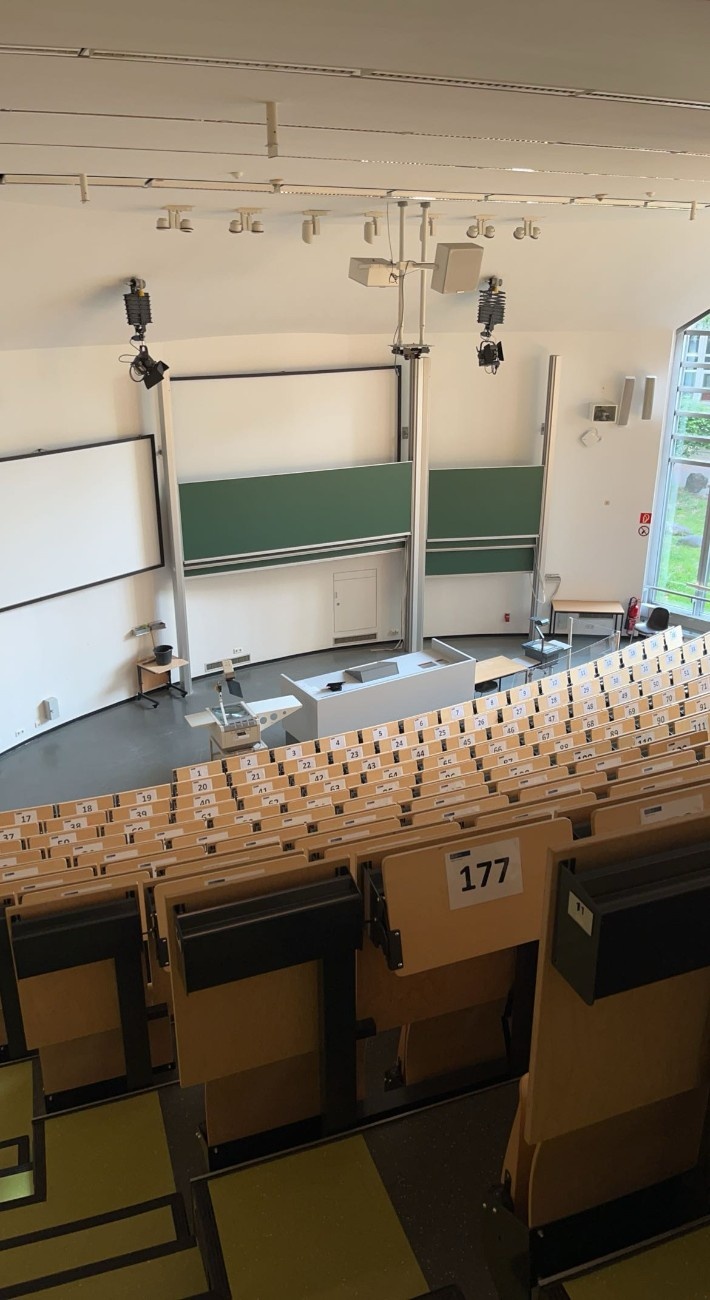
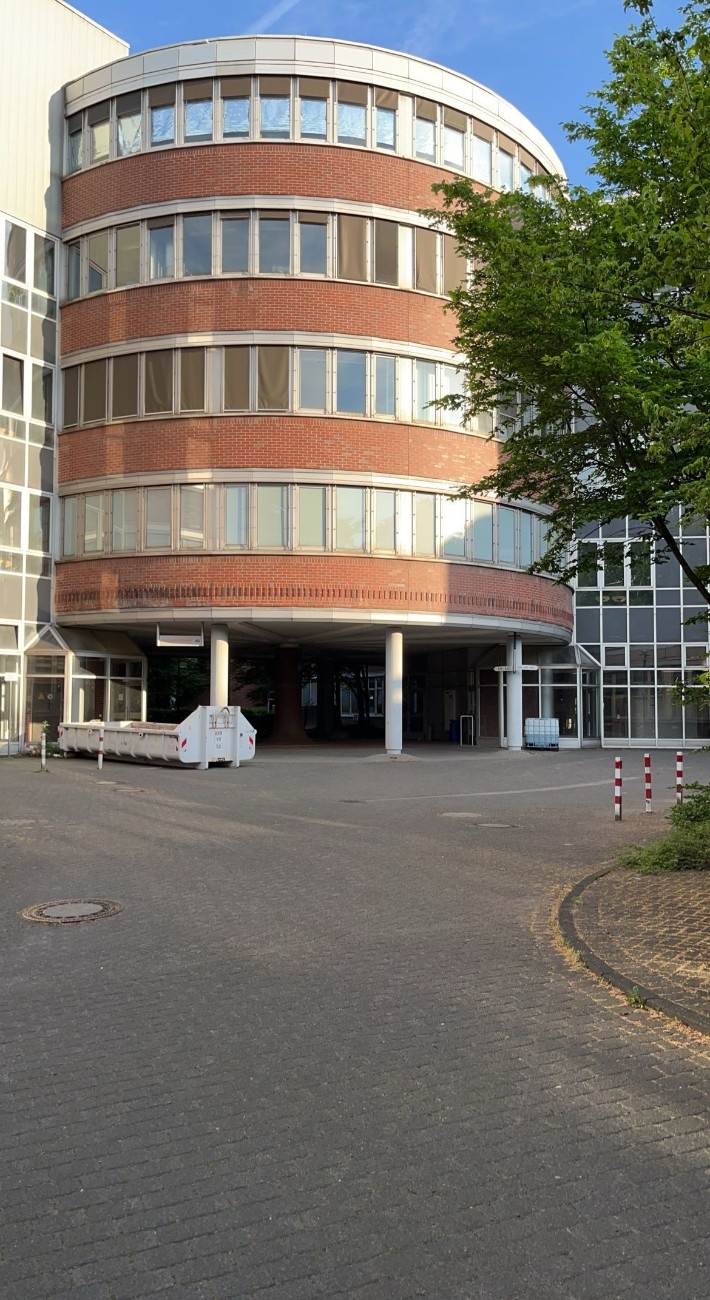
- The infrastructure of the University is quite old/outdated. They have started building a new campus plus renovations, but it will be a long time before we can reap the benefits of those.
Course Curriculum
8
- The difficulty of the course is relatively high because you are also learning in German.
- Learning in German has both positive and negative aspects, as on one hand, you are improving your language, but on the other hand, you find it very difficult to understand technical concepts in German.
- The advantage of the course is the flexibility. There is no fixed curriculum. You choose the subjects you want to take in that semester and plan your timetable accordingly. You decide your own workload. And the choice of subjects is huge. You have around 50-60 subjects to choose from, and for your degree, you only need around 20 of them.
- Average number of students depends on your subject, because there are a lot of common subjects within different courses; that means you can end up meeting new people at every class from different streams. Number of students in one class can range from around 20 to around 100. There is no fixed number.
- I would say around 30 Indian students started the degree together with me. I do not have the numbers on the Junior or the seniors.
Admission Experience
- I applied to 5 colleges:
- TU Munich (Automobile Engineering), TU Darmstadt (Energy Engineering), Hochschule Stralsund (Electromobility), Uni Duisburg-Essen (Mechanical Engineering), FAU Erlangen (Clean Energy Processes)
- I received a confirmed admission from TU Darmstadt, Hochschule Stralsund, and Uni Duisburg-Essen, and a conditional admission from TU Munich.
- I received a rejection from FAU Erlangen because the course requires a strong background in Chemistry/Chemical Engineering. As I had a bachelor's in Mechanical Engineering, my profile did not fit the requirements
- I chose this Uni because, it was the only University that offered a bilingual course. The course is 50% in German and 50% in English. It meant that I could improve my German alongside my studies, without having the fear of learning 100% in German.
- The admission process is really simple on an online portal. You just upload the documents (Transcripts, Language Certificate, Passport etc.) and then you get a reply in around 2 months.
- The criteria are a B2-level German, at least a 6.5 in IELTS, and a good letter.
- The overall admission process is quite easy to understand and is really uncomplicated.
- I applied to the Summer 2022 intake. I started preparing for the German language during the final year of my bachelor's because the course requires a B2-level of proficiency. So after graduating with a bachelor's in June 2021, I gave the B2-German exam in August 2021. I had already given the IELTS in March 2021, and the scores from IELTS are valid for 2 years.
- Then I applied to the University in November 2021, and got the admission confirmation in the first week of February. My college started in April 2022, but I reached Germany in the first week of May. I reached a month late because my visa got delayed due to unavailability of appointments during COVID
Faculty
8
- It all depends on the subject. It can range from 20 to 100 students per faculty. It is always better to have fewer students, so you get a personal touch, but the faculties are nice and they try their best.
- The teaching methodology is very different, as we have a lot of studies to do by ourselves, and a lot of prior knowledge or preparation is expected of you. The exams are also different, and there is no fixed pattern for them.
- The faculties sometimes have an opening for research assistants in their departments, but other than that, they are not involved in the job search. To assist you in finding a job, there is a separate University department for that, which provides you guidance on the application process
- All the faculty members are really nice and good at their jobs. Some of them are really accomplished in their fields, and they are always really helpful and friendly.
Campus Life
6
- Two locations, Essen and Duisburg
- The campus has all the facilities that you wish, a Gym, a library, swimming pool and a sports arena
- The major festival is the Summer festival, which held in June every year
- There are also student organisations from student hostels, which organise parties regularly, so there is a great opportunity to socialise. You could also get into sports, as the university has all the facilities you require for almost a wide variety of sports. Plus, you can get coaching for a very small fee (generally around 20-30 euros per month)
Part Time Jobs
- Very few students secure that position.
- The pay range is around 600 to 1000 euros per month.
- There are no other campus jobs and the hourly wage is minimum wage (12.5 euros per hour right now)
- You are allowed to work a maximum of 20 hours per week
- Campus part-time jobs are difficult to secure, but you can get part-time jobs alongside your studies in many companies. It also helps because in companies, they might just hire you full-time after you complete your studies if you do a good enough job.
- It is around 13 euros per hour. The usual process is just through Linkedin, Stepstone, Indeed, etc.
- You apply and do the process yourself. If you need guidance, the university also sometimes conducts some job fairs and has a separate department for guidance on the application process, CV optimisation, etc. Interviews are generally of two rounds; the first round is remote and the second round is technical, which is on-site.
Placement
8
- Average salary is around 50000 euros per month
- You are either hired full-time by the same company, where you were working part-time, or you can apply for jobs. It actually helps if you speak German, because it opens up a lot of opportunities.
- Major companies are Bayer, RWE, E.ON, Siemens Energy, Evonik, Mercedes, BMW, Audi.
Accommodation
Off Campus
10
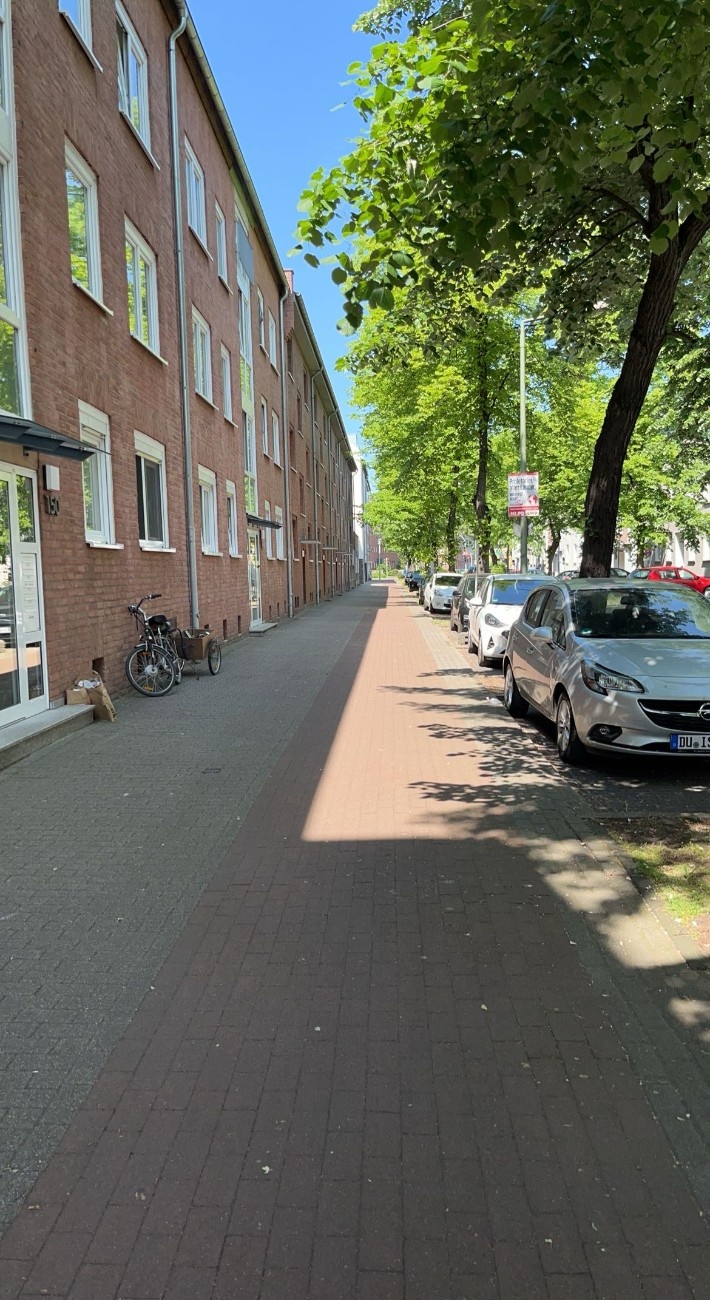
- Here we have a student hostel, which is run by university bodies, and I chose to live in that one. There are also external houses, but I would recommend staying in a student hostel. The student hostels can be found on University websites. I paid around 350 euros monthly for my accommodation, and it was just 5 minutes from the University.
- For future students, I would definitely recommend staying in a hostel, as you get to interact with a lot of fellow students from different countries and get access to countless events.
- If you are unable to get a place in the student hostel, there are also websites like wggesucht.de, zillow, which help you find an apartment. There are also a lot of facebook and Telegram groups, which are also really useful to find an apartment and connect with fellow students.
Exams
- An IELTS score of 6.5 is required.
- German level Goethe B2 is required.
- The documents needed are the language certificate, transcripts, LOR, CV, letter of recommendation (optional)
- No, there was no interview as part of the application process. The university does not interview as part of the admission process for any of the international courses.
Fees
- The college does not have a tuition fee; you only pay a semester fee for administrative purposes, which is around 350 euros per semester. Monthly, you can expect to spend around 900-950 euros depending on where you live.
- The rent is between 300-400 euros. You pay around 140-150 for health insurance. Around 200 euros per month on groceries and the rest is miscellaneous experience. You do not need to spend anything on transportation, because as a student, you can travel free of cost on public transportation.
Scholarship
- You do not need a scholarship because the course does not have a tuition fee. You only need money for living expenses. I neither applied for nor won any scholarship, because I found it unnecessary.
- There are some other scholarships for PHD students, but for Master studies, the DAAD scholarship schemes are the only ones that I know of. But they are only useful when you are attending a university that has tuition fees.


