


What Students Say
Likes
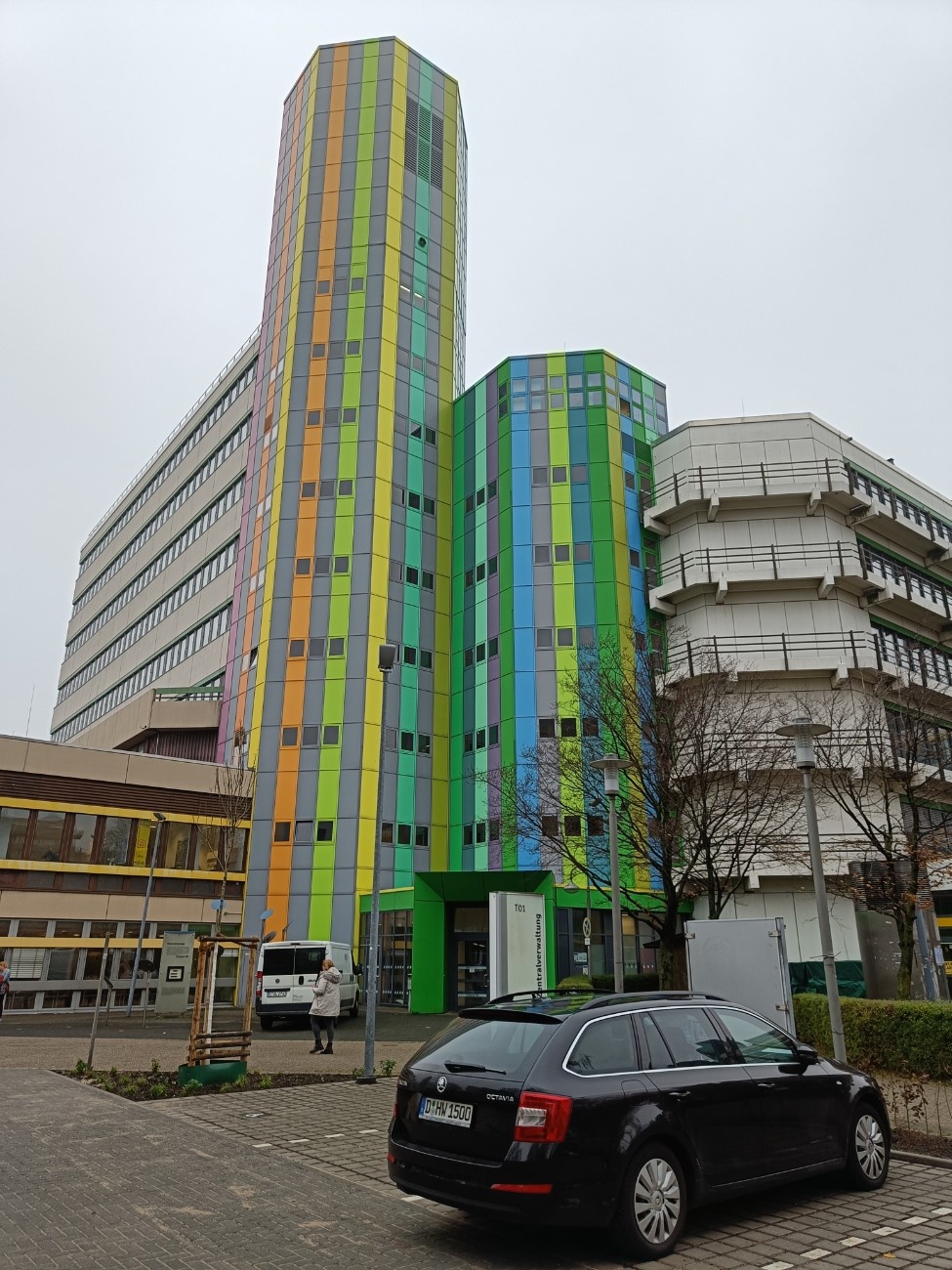
- The campus is spread across two cities Duisburg and Essen, hence it is called University of Duisburg-Essen. This makes the infrastructure of the university very attractive.
- The university offers affordable and spacious student hostels.
- You are provided with your personal student portal where you can handle all your academic stuff.
Dislikes
- German language is essential to integrate, without language it can be sometimes difficult for international students.
- Since the campus is spread between two cities, there can sometimes be long commutes.
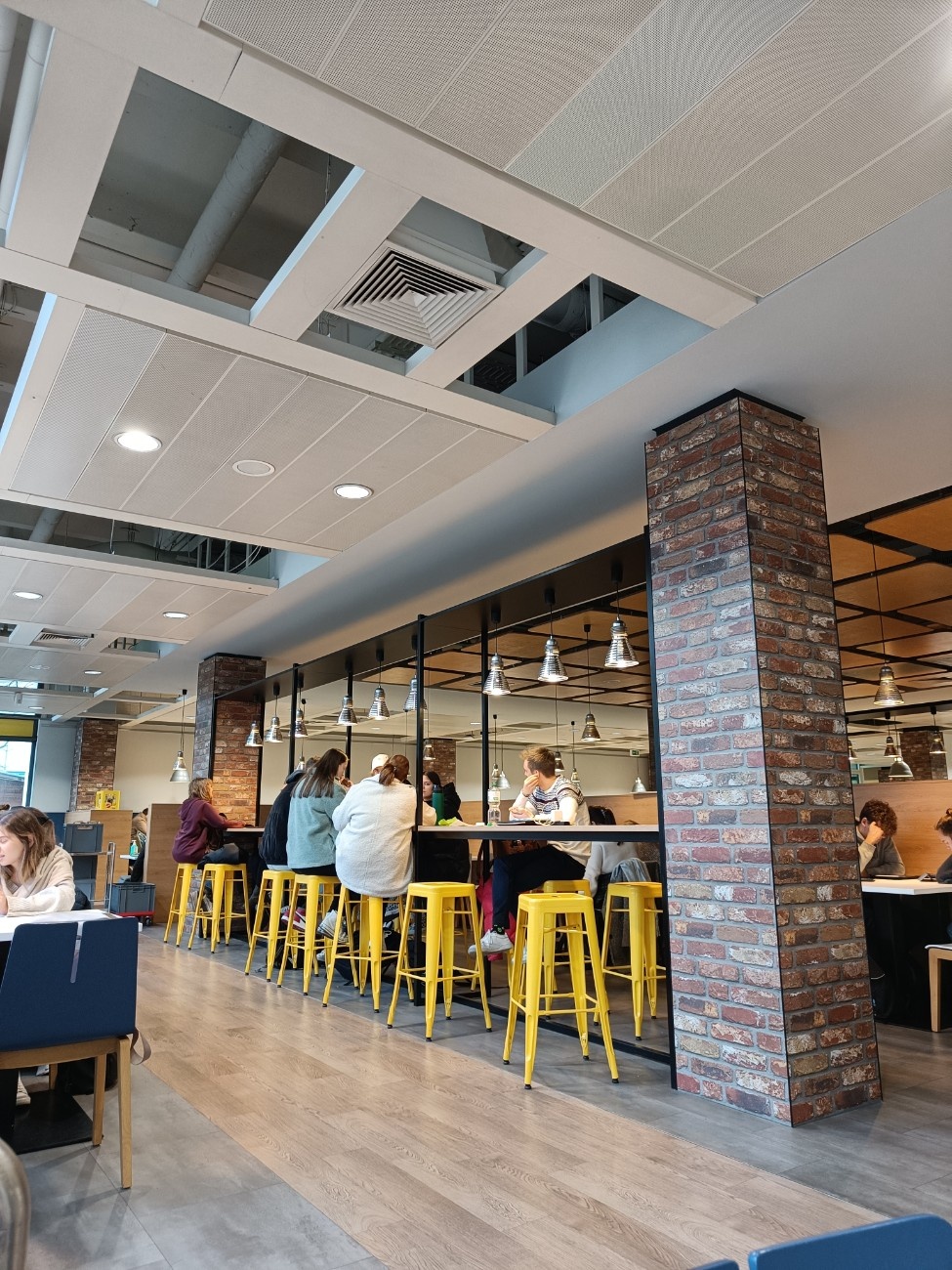
- The food provided in canteen is mostly German based and I found it not so suitable when you have Indian background.
Course Curriculum
8
- I would rate the difficulty of my course overall 7/10. My curriculum is a mix of both theoretical teachings along with a compulsory internship in Industry. The most positive aspect of my course was that since it is bilingual, it helped me develop my German language.
- The negative aspect can be that some lectures are in German, which can make it difficult at the start to understand the concepts. Most professors are aged so lectures are kind of traditional types with presentations and no other digital platforms.
- Typically you will have around 3 to 4 lectures per week, also depending on how many subjects you have registered for.
- Average number of students can be considered 60.
Admission Experience
- I had received a conditional admission from the University of Duisburg-Essen for my course. The condition was to complete German B2 before enrolling in the program. I had an average grade of 7.75 which was not enough to get into completely English-taught programs. Hence, I decided to go with a bilingual program, which is taught in both German and English. After completion of German B2, I received the confirmation of my admission
- I had applied a lot to other universities as well but the major reason for my rejection was my average grade of 7.75. Also sometimes if the credits from your bachelor’s do not match the requirements of the master’s, you can be rejected even though you have the best grades.
- The major reason for choosing this program was its bilingual nature. Since the German language is very important here from a career perspective, the bilingual nature helped me improve my German language skills.
- Also, the course provides a deep theoretical knowledge of Supply Chain Management which is also supported with a compulsory practical Internship I have to complete in an industry. The admission process here is very simple; you just have to create a login portal, submit the documents requested and just send the application. You will receive the feedback within 4 weeks and if you are lucky, sometime within days.
- Since the program is bilingual, you have to show your German and English skills depending on the program. My program requested German B2 and IELTS 6.5; however, I scored IELTS 7. Overall the experience was like a roller coasters for me, as I was rejected a lot from many universities, but I just kept learning German language and simultaneously applying to bilingual courses, and here I am finally in Germany, doing great in my academics
-
I applied for the Winter 2022 intake.
- The admissions process takes around 2 months on average.
- 1-2 weeks for preparation of requested documents and application.
- 4-6 weeks to receive the feedback. (Acceptance or Rejection)
- Then you need to apply for a visa appointment.
- This can take up to 1-2 months depending upon the applications.
- Once you submit your visa application again, it will take 1-2 months to grant a student visa.
- Then all you need to do is pack your bags and fly.
- Overall from application to flying, it can take to around 4 to 6 months
Faculty
6
- The faculty-to-student ratio is around 1:10. This helps to have a very good, close and healthy discussion with professors. You can also reach the professors with the use of mail to ask about your doubts. Professor also has specific visiting hours where you can meet him by appointment for your questions. The teaching methodology here adopted is mostly using presentations, which are later also uploaded on the student portal in case you miss the lecture.
- The course content covers all the necessary education, which is helpful for securing a job. Also, some professors assist in having university part-time jobs like research assistants, etc., which can help cover your day-to-day expenses. I admire most our program head, Mr. Noche, who is always available and supportive of any problem faced by students. Overall it’s a great experience.
Campus Life
8
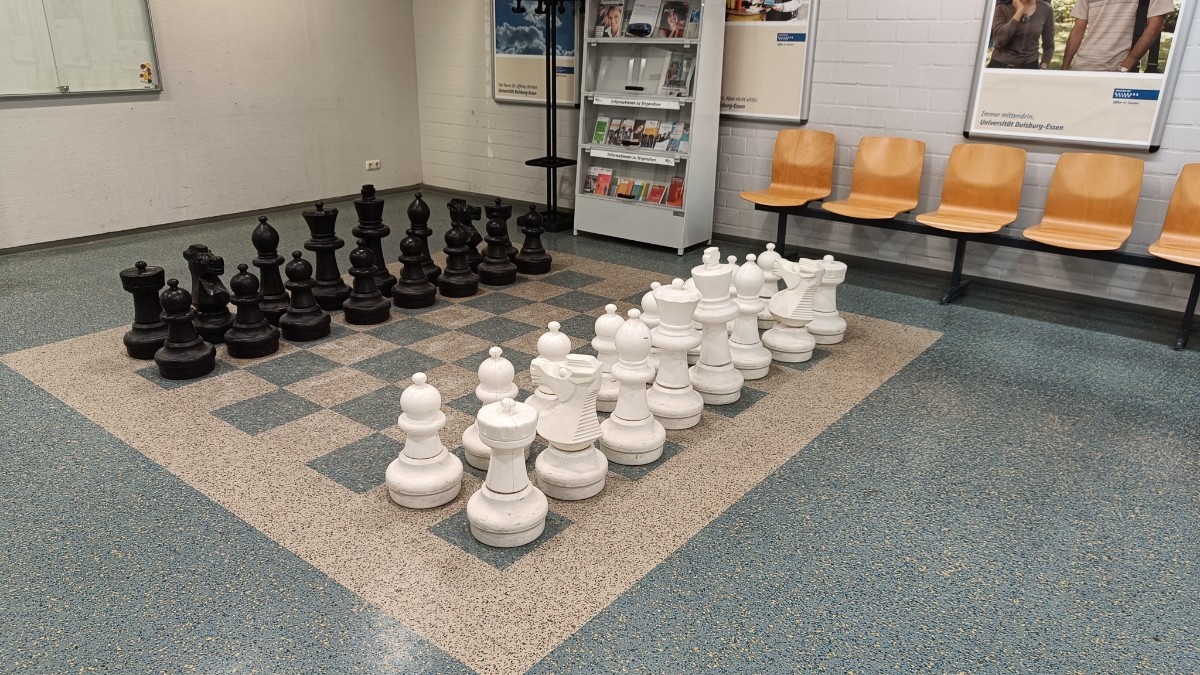
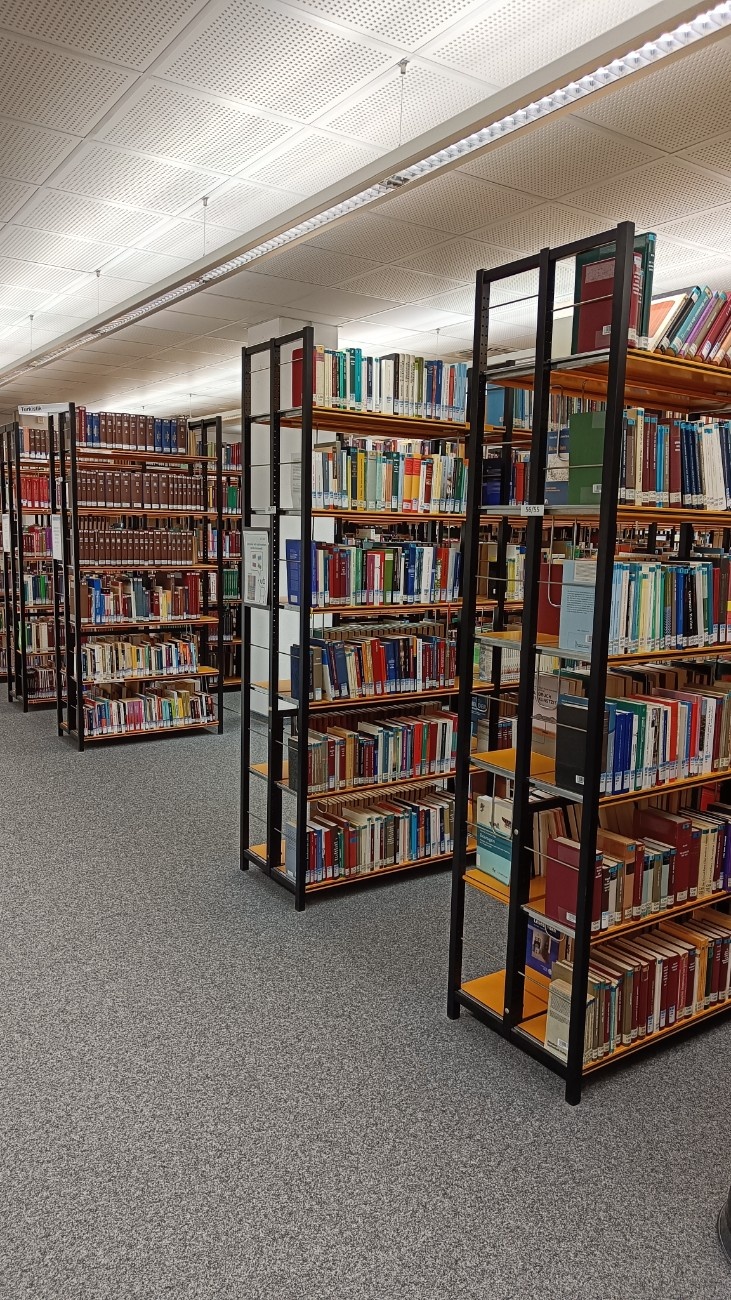
- My university has 2 campuses, with 1 in Duisburg and the other in Essen. The university provides a lot of facilities, like 2 big libraries, canteens, cafés, clubs, etc. University also provides a lot of festivals, intercultural activities and sports.
- There are different organizations for different events, which are funded from University as well as by external firms.
Part Time Jobs
- Yes, universities do offer TAs, RAs or DAs, but the number of positions is quite low and limited, with pay ranging around 15 € per hour. But there are numerous off-campus technical as well as non-technical jobs you can go for. Technical jobs include Internships or Werkstudent, where you can gain professional experience along with earning a good salary ranging around 1500 € per month. You can also go for non-technical jobs like in McDonald's, KFC, Restaurants, Cafes etc. Non-technical jobs pay you a minimum of €13 per hour. Getting a non-technical job is quite easy compared to technical jobs, as technical jobs demand a little German proficiency.
- The minimum wage in Germany currently is €13 per hour. However, if you are having a technical job like an internship or Werkstudent, you are paid more. It can range from €15 to €25 per hour.
- As I previously mentioned, getting a non-technical job is easy compared to technical jobs. The usual process to apply for technical or non-technical jobs is through online portals. Once you are shortlisted for non-technical jobs, you will be called for a trial day where you go for 1 day and actually do the work to understand what the real work will look like. Once you are comfortable working the trial day and everything is ok, you can move forward to have your work contract.
- However for technical jobs, once you are shortlisted, you would be called for a personal interview of 1 hour with the hiring manager. The timeline from application to response to selection and then to offer the job can take up to 1-2 months.
Placement
4
- I am currently pursuing Master's in Supply Chain Management which is a very well-established career field in Europe. The average starting salary after my course in Germany can range from €50000 to €60000 depending upon the skill set and previous experience.
- Unfortunately in Germany there is no such thing as job placement; you have to find the job on your own after completion of graduation. You can apply to jobs through various platforms like LinkedIn, Stepstone, Indeed, etc.
- Since Supply Chain Management is a broad field, you can be placed in various companies like Bosch, BMW, Audi, Accenture, Deloitte, etc. The German language plays a major role in getting a full-time opportunity.
Accommodation
Off Campus
8
- I found accommodation by applying to the student hostels. The student hostels are quite cheap and affordable with kitchens, common spaces, toilets, bathrooms, etc. along with student hostels, there are a lot of private options as well on websites like WG-gesucht. The monthly rent depends on the cities.
- Tier 1 cities have rent around €500, and tier 2 cities around €350. I would personally recommend applying for student hostels for cheap accommodation. The hostels are all around the city, and the rent depends upon the proximity of the university you live in; the rent is high around the university area. I stay at a distance of 30 mins with public transportation and I pay around 350.
Exams
- For my university you need IELTS 6.5 and German B2.
- Along with that, your Bachelor’s degree, Transcripts, CV, Work experience
- Optional but highly recommended – SOP, LOR, Other Certifications
- No interview was included for my university
- Very few universities ask for GRE, GMAT , SAT etc.
- Try applying to only those courses where your bachelor’s credits should match with the program you are applying for.
Fees
- The University of Duisburg-Essen is a public university.
- No tuition fees
- You need to pay around 350 € in semester fees, in which transportation around all of Germany is included. The semester fees you have to pay in each semester.
- Monthly Expenses
- Rent—300to 400 €, but also varies depending upon your city.
- Health insurance – 150 €
- Mobile and Internet - 10 €
- Gym - 25 €
- Food—150to 200 €
- Entertainment and other – 50 to 100 €
- So overall expenses are 800 to 1000 € on average depending upon the city.
Scholarship
- I did not receive any scholarship. But yes, scholarships are provided depending on your performance in academics. The amount usually ranges from 300 to 1000 € per month depending upon the scholarship program.
- So if you are aiming for scholarships, you have to perform well in academics. Also, some universities provide financial aid as well for which you need to submit the necessary requested documents.


