



Exams Prep Master
The word ‘Microorganism’ is made up of two words micro and organisms. So, it’s evident that they are minute living creatures and can’t be seen with naked eyes. Microorganisms can vary from single-celled to multi-celled organisms. The nature of microorganisms can be friendly and foe depending upon which type is considered. There are numerous useful microorganisms seen in daily life. So, here we will learn more about such useful microorganisms, their usage and answer some important questions.
| Table of Content |
Key Takeaways: Microorganisms, Bacteria, Fungus, Algae, Protozoa, Yeasts, Unicellular, Multicellular, Agar-Agar, Fermentation
What are Microorganisms?
[Click Here for Sample Questions]
Microorganisms are so minute and small in structure that we need a specialized microscope to see them. Microorganisms being small in size appear in every sphere, be it the air we breathe or the food we eat.
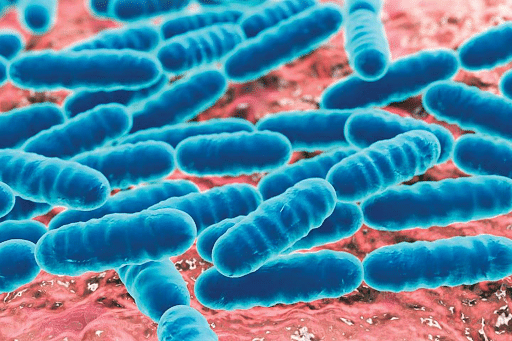
Microorganisms
But can we say microorganisms are not harmful as we take them in by every means? No, there are two types of microorganisms, one which is not harmful and the other ones are harmful, that cause disease or other ailments.
Type of Microorganisms
[Click Here for Sample Questions]
Microorganisms are divided into four main groups on a broad basis. They are – Bacteria, Fungi, Protozoa, and Algae. There are various types of subdivisions of microbes within these four names.
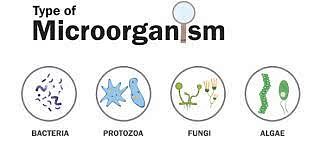
Though a common confusion arises with Virus, as to whether it is a microorganism or not. A virus, in general, is not a microorganism, it uses another organism being a bacteria, animal, plants, etc. as a host cell and reproduces and multiplies with the help of it.
Useful Microorganisms
[Click Here for Sample Questions]
As discussed above, microorganisms are of two types - useful and harmful. So, useful microorganisms are friendly. They are used by us in our day-to-day activities knowingly or unknowingly. But harmful microorganisms act as pathogens and can cause diseases or another malfunction.
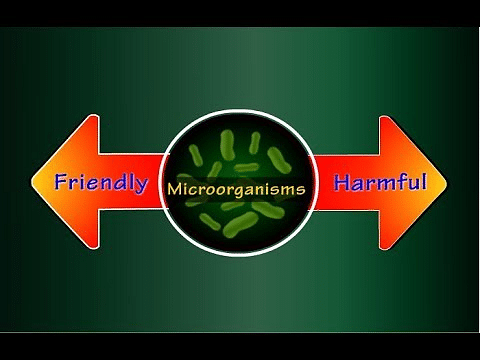
Friendly microorganisms are used in various sectors in our life such as in -
- Commercial Use
- Medical Use
- Agricultural Use
- Environmental Use
- Other Uses
Let us see the uses of microorganisms in these various sectors and how they are beneficial to us.
Commercial Use of Microorganisms
[Click Here for Sample Questions]
Microorganisms are used by human beings in the production of various useful products. It is used in the industrial range for the mass production of some useful substances.
Microorganisms are used in the production of bread, alcohol, and acetic acid or vinegar. This is obtained by Yeast. Yeast is a unicellular organism that comes under the category of fungus.

Uses of Yeast
Yeast uses sugar as intake and gives out carbon dioxide, which gets trapped by the dough for bread and gives it a fluffy texture.

Use of Yeast in Bread Making
By the same output of carbon dioxide, alcohol is made by the process of fermentation, which gives it fizziness and texture. Yeast is left to produce carbon dioxide on natural sugar, such as wheat, rice, etc. On that, the production of carbon dioxide takes place initiating the process of fermentation.
Also Read: Stomach Ulcer
Yeast is also used in making curd. Curd is made with the help of the bacteria Lactobacillus. Lactobacillus multiples itself inside milk transforming it into curd.
Medical Use of Microorganisms
[Click Here for Sample Questions]
Medical use of microbes is crucial. Whenever we fall ill, we intake antibiotics. Antibiotics are made up of microorganisms that cut the effect of pathological microorganisms by killing them or by undoing their growth. Today, antibiotics are commonly used. Some are - Streptomycin, tetracycline, erythromycin, etc.
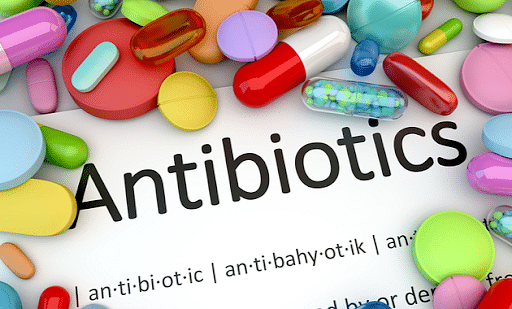
Antibiotics
Microorganisms are also used in making Vaccinations. Via vaccines, a specific kind of microorganism is injected into a weakened state. On its arrival, our body responds by making antibodies. By fighting with this microbe and by the production of antibodies our body gets used to the injected microbe and learns how to fight with it. So, the next time this microbe enters the body, our body automatically discharges antibodies and helps to fight the harmful microorganism.

Use of Microorganisms in Vaccination
Agricultural Use of Microorganisms
[Click Here for Sample Questions]
Microorganisms play a crucial role in the production of leguminous plants. Nitrogen-fixing bacteria are present in the roots of leguminous plants, they take free nitrogen from the atmosphere and convert it into usable nitrogen by the plants.
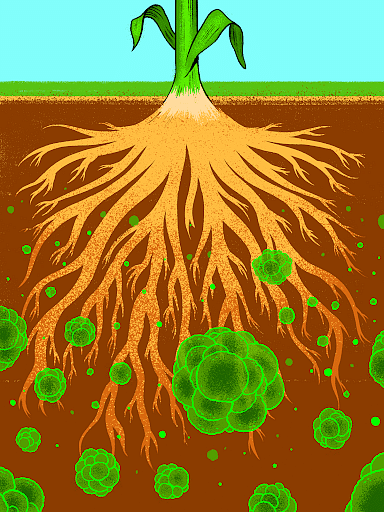
Use of Microbes by Leguminous Plants
They are also helpful in the production of composts, which farmers use on a daily basis.

Use of Microorganisms in Compost Making
Also, microorganisms help in maintaining the health of the soil by making it fresh and aired. Some microbes are also used as biofertilizers, which helps immensely in organic farming.
Environmental Use of Microorganisms
[Click Here for Sample Questions]
Microorganisms are used to help in the protection and cleansing of the environment. As microorganisms are everywhere, they are used variably. Such as in Nitrogen Fixation, Decomposition, Biodegradation, Oxygenic Photosynthesis, etc. Microorganisms primarily act as cleaning agents which helps in freshening the environment.
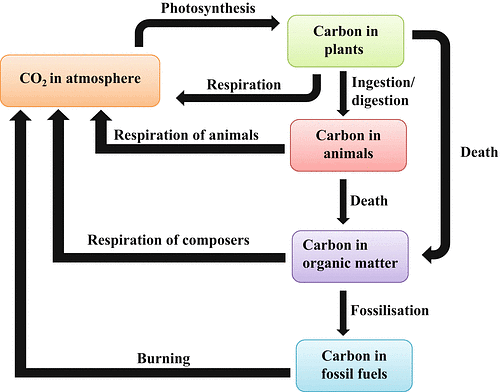
Environmental Use of Microorganisms
Also read:
Things to Remember
- Microorganisms are microscopic organisms; they can be unicellular or multicellular. There are generally four kinds of microorganisms they are – Bacteria, Fungus, Protozoa, and Algae.
- Microorganisms are used for commercial purposes such as in making curd, bread, alcohol, etc. When microorganisms such as yeast get in contact with sugar it releases carbon dioxide, as a result, this air gets trapped giving a rise or fizz to the product.
- It is used in antibiotics and vaccines. A lower or weakened form or microbe is injected inside the human body, due to which antibodies get out making the body capable of fighting with such microbes.
- They are used in the formation of compost, which is used by farmers regularly. It is also used as a nitrogen-fixing agent which is used by leguminous plants.
- Microorganisms also come into use in the cleansing environment, by decomposition and biodegradation process.
Sample Questions
Ques. What do you mean by microorganisms? Give the types of microorganisms with examples. (2 marks)
Ans. Microorganisms are minute, microscopic organisms that can be unicellular or multicellular in nature. We cannot see microorganisms through our bare eyes. There are four types of microorganisms. They are – Bacteria, Fungus, Protozoa, and Algae
Ques. What is Yeast? Mention its usages. (2 marks)
Ans. Yeast is a unicellular Microorganism. It belongs to the kingdom of fungus. It converts sugar and starch of food into carbon dioxide. In particular, it is used in the preparation of bread, alcohol, cakes, etc.
Ques. Explain the two uses of Protozoa. (2 marks)
Ans. Protozoa are unicellular organisms. Three uses of protozoa are -
- Protozoa is used in sanitation. It emerges into dirty water and feeds on bacteria as a result the water gets cleaned by the degrading bacteria.
- Protozoa is also responsible for increasing the fertility of the soil. By feeding on bacteria and increasing their number. This as a result helps in faster decomposition.
Ques. Give some names of Algae and elucidate. How are they useful to us? (3 marks)
Ans. Algae tends to be beneficial to us in a number of ways. Some are -
- Algae are used as fertilizers in agricultural activity. They provide a high source of nutrients and organic matter.
- The pigmentation of Algae is used as pigmentation in dyes for industrial purposes.
- Red algae are used to derive Agar-Agar which has numerous uses. Primarily it is used as a polysaccharide that acts as a thickening agent in the preparation of jelly, ice-creams, puddings, etc. It is also used for medical purposes too.
Ques. How do antibiotics work on the human body? (2 marks)
Ans. Antibiotics work by diminishing or by killing the progress of bacteria in the human body. It comes to the rescue and helps the natural immune system of the body fight pathological organisms. Different antibiotics come into the picture when different bacteria or microorganisms are concerned.
Ques. Elucidate the formation of curd from Lactobacillus. (2 marks)
Ans. Curd is formed from milk. And the process of making milk to curd is called curdling of milk. This happens due to the presence of bacteria, Lactobacillus, which converts lactose sugar which is present in the milk to lactic acid. This transformation provides an apt acidic environment for the milk to coagulate the casein which is present in the milk and transform it into curd.
Ques. What does fermentation mean? Explain how alcohol is made by fermentation. (3 marks)
Ans. Fermentation is an anaerobic process. It is a process of food processing in which sugar is transformed into alcohol by the effects of microorganisms. When grains, vegetables, or other substances containing sugar come into contact with yeast, carbon dioxide is released. And via this by the process of fermentation alcohol gets produced.
Ques. Give some harmful effects of microorganisms. (3 marks)
Ans. Microorganisms can be both a friend or a foe for human civilization. The harmful effects of microorganisms are -
- Microorganisms that cause disease are known as pathogens. Pathogens enter the human body and degrade it by diminishing the immune system causing disease and ailments. Some of the diseases which are caused by microorganisms are – Common Cold, Chicken Pox, Tuberculosis, Malaria.
- Microorganisms affect plants too due to which the flourishing of plants gets degraded. Some of the plant diseases caused by microbes are – Citrus Canker, Rust of Wheat, etc.
- Microorganisms tend to spoil foods due to which the durability of food gets degraded.
Related links:



Comments