



Content Writer-SME
NEET MCQ on Biology covers all the chapters of CBSE class 11 and class 12 biology books. We have provided the multiple choice questions (mcq) links for all the updated chapters of class 11 and 12 through which students can easily check the topics explore as per the weightage in their respective exams. There are many branches of biology but the main focus area of biology class 11 and 12 books are: Microbiology, Anatomy & Physiology, Biotechnology, Genetics, Botany, Zoology, Molecular Biology, Ecology, Biochemistry, and Developmental Biology.
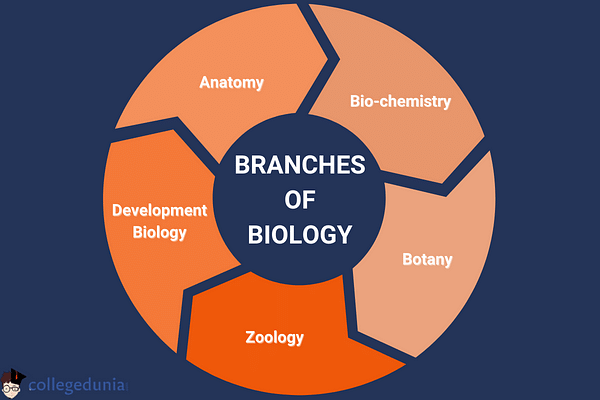
Main Branches of Biology
This article covers multiple choice questions for all the updated topics of biology subject as per 2023-2024 (Class 11th to 12th).
| Table of Contents |
Class 12 Biology Multiple Choice Questions
Class 12 Biology MCQs include several important concepts like Reproduction, Evolution, Food Production, Inheritance, Biotechnology, Ecosystem, biodiversity, etc.
Class 11 Biology Multiple Choice Questions
Important topics covered in Class 11 Biology MCQs include The Living World, Biological Classification, Plant Kingdom, Animal Kingdom, Morphology of Flowering Plants, Anatomy of Flowering Plants, Structural Organisation in Animals, among others. There are a total of 22 Chapters included in Class 11 Biology.
NEET Exam Important Details
NEET is a national eligibilty cum entrance test conducted every year for the admission to medical colleges. The syllabus for exam is categorized into three main subjects: Physics, Chemistry, and Biology. The NEET exam is of 3 hours and contain 180 questions each of 4 marks. Biology is the most scoring subject among all three. Students who prepare smartly and focus on main chapters of biology and practice mcq on biology books can score good marks.
In biology, students study various life processes and learn how different organisms meet the challenges of living in their environment. Major biological concepts for student focus include the relationship between structure and function and change over time. Also, students’ experience in biology supports their developing environmental literacy.



Comments