
Select Goal &
City
Select Goal
Explore


Christian Eminent College Indore B.Sc Industrial Microbiology: Fees 2026, Course Duration, Dates, Eligibility
Application Date:May 15, 2025 - Jun 25, 2025
| Course Highlights | Details |
|---|---|
| duration | 3 Years (Full Time) |
| course level | UG (Degree) |
| mode of study | On Campus |
| eligibility | 10+2 |
Official Link:
Table of Contents
Important Dates for B.Sc Industrial Microbiology at Christian Eminent College Indore
Expired Events
| Events | Dates |
|---|---|
| Date for Institute Level Final Counselling for Admission [B.Sc] (Medicine) | Sep 09, 2025 - Sep 11, 2025 |
Do you think the Dates are wrong ? Report Here
Course Finder
Search from 20K+ Courses and 35+ Streams
Clear
Popular Streams:
Christian Eminent College Indore Latest News
DAVV Timetable 2025 (Released) @dauniv.ac.in: Check BA, B.Sc, B.Com, BSW, B.H.Sc Open Book Exam Datesheet

Written ByCollegedunia Teamon May 6, 2025

DAVV PhD 2025 Candidate List Out; Check Interview Schedule Here

Written ByShashank Mishraon Mar 11, 2025

Devi Ahilya University PhD Coursework Schedule Out, Check Selection List Here!

Written ByVarun Shuklaon Mar 3, 2025

Discover More Colleges
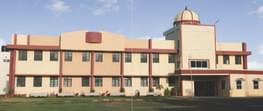

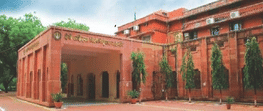



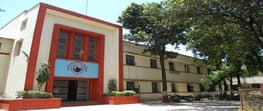

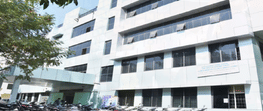

Shri Jayantilal Hirachand Sanghvi Gujarati Innovative College Of Commerce & Science Indore
Indore
4.2(17)
₹20200First year Fees
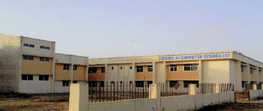

School of Computer Science & Information Technology , DAV University Indore
Indore
3.8(26)
₹68600First year Fees
News


Faculties
Prof. Neeraj Jaiswal Professor
Professor, Department of Computer Science & Electronics
Prof. Vishnu Patidar
Professor, Department of Computer Science & Electronics
Dr. Sarika Jain
Assistant Professor, Department of Bio Sciences
Learn More About Courses
Student Also Visited
Imperial College of Professional Studies Indore
B.Ed - Bachelor of Education

P.M.B. Gujarati Science College Indore
3.5(35 Reviews)
B.Sc - Bachelor of Science
₹10500 First year Fees


Government Holkar Science College Indore
3.9(258 Reviews)
B.Sc - Bachelor of Science
₹17800 First year Fees

Vishisht School of Management Indore
3.7(7 Reviews)
B.Com - Bachelor of Commerce
₹20000 First year Fees


Shri Jayantilal Hirachand Sanghvi Gujarati Innovative College Of Commerce & Science Indore
4.2(17 Reviews)
B.Sc - Bachelor of Science
₹20200 First year Fees

Altius Institute of Universal Studies Indore
3.8(5 Reviews)
B.Sc - Bachelor of Science
₹30000 First year Fees


ILVA Commerce and Science College Indore
3.9(3 Reviews)
M.Com - Master of Commerce
₹14000 First year Fees


Shri Jain Shwetamber Professional Academy Indore
4.3(1 Review)
B.Com - Bachelor of Commerce
₹9500 First year Fees


SUBSCRIBE TO OUR NEWS LETTER
COLLEGE NOTIFICATIONSEXAM NOTIFICATIONSNEWS UPDATES
Download the Collegedunia app on 



© 2026 Collegedunia Web Pvt. Ltd. All Rights Reserved
Comments