




Master of Science [M.S] (Bioinformatics and Medical Informatics)
Field of Study:
$11,372 /Yr

San Diego State University Master of Science in Bioinformatics and Medical Informatics is a 18-to-24-month full-time graduate degree designed for international students seeking careers in computational biology and healthcare data science. The programme costs approximately USD 28,608 (INR 27.26 Lakhs) for non-resident students and opens for applications in Fall intake (2027 cycle opens October 1, 2026). Admission requires a bachelor’s degree with minimum 3.0 GPA; GRE is not mandatory. The degree prepares bioinformaticians, computational biologists, and data scientists for roles in pharma, biotech, and healthcare technology.
The programme uniquely tailors its first year to individual backgrounds, accommodating students from biology, chemistry, computer science, or mathematics tracks equally. This flexibility attracts Indian applicants without formal CS degrees but with strong quantitative foundations. SDSU’s location in San Diego, the US biotech capital, provides direct access to industry internships with companies like Illumina, Scripps Research, and UCSD. Coursework emphasizes hands-on Linux, Python, and R programming across genomics, transcriptomics, metagenomics, and machine learning.
- No GRE/GMAT required; admission based on coursework, GPA, and statement of purpose only.
- Specialisation options in algorithms, human-computer interfaces, or applied biological research in year two.
- Direct pathways to industry roles paying USD 85,000 to USD 100,000 (INR 80.97 Lakhs to INR 95.26 Lakhs) in entry positions.
Current Admission Status
Applications for the Fall 2027 intake are Not Yet Open. The application cycle will open October 1, 2026, with an anticipated deadline of February 1, 2027. For Indian applicants, transcripts submitted via WES (World Education Services) typically process within 5–10 business days; initiate credential evaluation at least six weeks before the final deadline to ensure timely submission.
Also Check: San Diego State University Bioinformatics Admission
San Diego State University Master of Science in Bioinformatics 2026 Fees and Living Costs
The total cost of the SDSU Bioinformatics MS comprises tuition, campus fees, and health insurance. Non-resident (international) students pay significantly higher rates than California residents. Below is a detailed cost breakdown for the full programme.
| Cost Component | Per Semester (USD) | Per Semester (INR) | Full Programme (USD) | Full Programme (INR) |
|---|---|---|---|---|
| Tuition (non-resident, 12 units) | USD 5,652 | INR 5.38 Lakhs | USD 11,304 | INR 10.77 Lakhs |
| Campus Fees (non-resident) | USD 1,500 | INR 1.43 Lakhs | USD 3,000 | INR 2.86 Lakhs |
| Health Insurance (annual) | USD 1,250 | INR 1.19 Lakhs | USD 2,500 | INR 2.38 Lakhs |
| Lab/Course Fees (estimated) | USD 400 | INR 0.38 Lakhs | USD 800 | INR 0.76 Lakhs |
| Total per Semester / Full Programme | USD 8,802 | INR 8.38 Lakhs | USD 17,604 (2 years) | INR 16.77 Lakhs |
Source: SDSU Bursar’s Office, 2026. Non-resident rates based on 12 units per semester; rates subject to annual increase of 2–4%.
All INR conversions in the article use a conversion rate of 1 USD = INR 95.26 as of June 2026. Rates fluctuate daily, verify before applying.
- Tuition is charged per unit; enroling in fewer than 12 units per semester reduces cost proportionally, though full-time F-1 status requires minimum 12 units.
- Lab and course fees vary by elective selections; computational and genomics electives may incur additional software licences.
- International students must carry health insurance; SDSU-mandated plans cost approximately USD 2,500 annually for graduate students.
- Books, software (R, Python, Linux tools are free; some specialised genomics tools require institutional licences), and supplies average USD 800 per year.
Cost of Living in San Diego for Bioinformatics Students
San Diego is moderately expensive for international students but offers diverse housing and transportation options near SDSU’s East Campus (where graduate programmes are based). Monthly living costs for a single student average USD 2,000.
| Expense Category | Monthly (USD) | Monthly (INR) | Annual (USD) | Annual (INR) |
|---|---|---|---|---|
| Rent (shared apartment) | USD 900 | INR 0.86 Lakhs | USD 10,800 | INR 10.29 Lakhs |
| Groceries | USD 300 | INR 0.29 Lakhs | USD 3,600 | INR 3.43 Lakhs |
| Utilities (electricity, water, internet) | USD 150 | INR 0.14 Lakhs | USD 1,800 | INR 1.72 Lakhs |
| Transportation (bus/car) | USD 100 | INR 0.10 Lakhs | USD 1,200 | INR 1.14 Lakhs |
| Meals and dining out | USD 300 | INR 0.29 Lakhs | USD 3,600 | INR 3.43 Lakhs |
| Personal and miscellaneous | USD 250 | INR 0.24 Lakhs | USD 3,000 | INR 2.86 Lakhs |
| Total Monthly / Annual | USD 2,000 | INR 1.91 Lakhs | USD 24,000 | INR 22.86 Lakhs |
Cost Reality: Two years of tuition plus living costs total approximately USD 41,600 (INR 39.63 Lakhs). However, Indian students often reduce living costs through shared housing and cooking at home; realistic budgets range INR 35 to 38 Lakhs for two years, still well below UK and Australia masters programmes.
San Diego State University Master of Science in Bioinformatics Admission 2026
Admission to the SDSU Bioinformatics MS is competitive but achievable for Indian applicants with strong academic records. The programme accepts two cohorts annually: Fall and, conditionally, Spring (though Spring is not prominently advertised and seats are limited).
| Intake | Primary Application Window | Anticipated Deadline | Programme Starts | Status (as of June 2026) |
|---|---|---|---|---|
| Fall 2026 | Oct 2025 – Feb 2026 | February 1, 2026 | August 2026 | Closed |
| Fall 2027 | Oct 2026 – Feb 2027 | February 1, 2027 (Expected) | August 2027 | Not Yet Open |
| Spring 2027 | Conditional | Not Advertised | January 2027 | Limited Seats |
The SDSU Bioinformatics programme does not produce subject-specific QS or THE rankings; however, SDSU as a whole ranks #117 nationally in the US News 2026 ranking and #601–800 globally in Computer Science (THE 2024), a relevant proxy for computational disciplines.
Academic Eligibility
A bachelor’s degree from an accredited university is required. Minimum GPA requirements are as follows:
- Undergraduate applicants with bachelor’s degree: minimum 3.0 GPA (SDSU minimum standard).
- Postgraduate applicants with prior master’s: minimum 3.4 GPA.
- Indian applicants must convert their 10-point or 4-point GPA scale to the 4.0 US scale; SDSU uses official WES evaluation for this conversion.
No GRE or GMAT Required: SDSU suspended standardised test requirements campus-wide in 2022. Admission decisions depend on cumulative GPA, letters of recommendation (three required), statement of purpose, and any research experience.
English Language Proficiency (ELP) Requirements
All international applicants whose native language is not English must demonstrate English proficiency via one of the following standardised tests.
| Test | Minimum Overall Score | Minimum Component Scores | SDSU Preference for Bioinformatics |
|---|---|---|---|
| TOEFL iBT (internet-based) | 80 | Reading: 19; Listening: 17; Speaking: 18; Writing: 18 | Accepted; preferred due to acceptance at most US universities |
| IELTS Academic | 6.5 | Each band minimum 6.0 | Accepted; common for Indian test-takers |
| Duolingo English Test | 110 | No sub-bands | Accepted; faster turnaround than TOEFL/IELTS |
| PTE Academic | 65 | No strict sub-band minimums | Accepted; increasingly popular in India |
- TOEFL iBT is the most recognized globally; Indian students typically score 90–110 with 2–3 months of preparation.
- IELTS is widely available in India via British Council and IDP; a band of 7.0 or higher is competitive for SDSU.
- All tests are valid for two years from the test date; applicants should submit scores by the application deadline, not after.
Tip for Indian Students: TOEFL iBT and IELTS are standard pathways. If starting from zero English proficiency, plan 4–5 months and enrol in a reputable coaching centre in India; SDSU receives approximately 200–300 Indian applicants yearly across all graduate programmes, so competitive candidates demonstrate TOEFL 95+ or IELTS 7.0+.
San Diego State University Master of Science in Bioinformatics Application 2026
The application process for SDSU Bioinformatics uses the centralized CalStateApply portal (California State University system). Applications open October 1, 2026, for Fall 2027 entry. Below are the key deadlines and required documents.
| Milestone | Date (Expected) | Action for Applicants |
|---|---|---|
| Application Portal Opens | October 1, 2026 | Create CalStateApply account; begin filling application form. |
| Early Submission Deadline | January 15, 2027 | Submit application 2–3 weeks early to allow time for credential evaluation. |
| Final Application Deadline | February 1, 2027 | All application materials must be submitted by 11:59 PM PST. |
| WES Credential Evaluation (if required) | Submit by December 15, 2026 | Request WES evaluation 6–8 weeks before application deadline. |
| Expected Admission Decisions Released | April–May 2027 | Decisions posted to applicant portal; rolling admissions may release earlier decisions. |
| Deposit Deadline (to Confirm Enrolment) | June 1, 2027 | Pay non-refundable deposit to secure your place in the cohort. |
Required Application Documents:
- Completed CalStateApply form with personal, academic, and programme information.
- Official transcripts from all post-secondary institutions (uploaded via WES or directly if US-based).
- Three letters of recommendation from academic or research supervisors (preferably one with bioinformatics or computational background).
- Statement of purpose (500–750 words) explaining research interests, career goals, and why SDSU Bioinformatics is the right fit.
- Proof of English language proficiency (TOEFL, IELTS, Duolingo, or PTE scores).
- Curriculum vitae or resume (optional but recommended if you have research or internship experience).
- Application fee: USD 55 (non-refundable; waivable for some international applicants based on financial need).
Application Tip: For Indian applicants, initiate WES credential evaluation by mid-December 2026 to avoid delays. WES typically reports within 5–10 business days; however, mail delivery to WES India office can take 1–2 weeks. Submit early and verify receipt with WES before the application deadline.
San Diego State University Master of Science in Bioinformatics Scholarships 2026
SDSU offers limited merit-based scholarships for graduate students. The Bioinformatics MS programme does not have dedicated scholarships; however, some university-level awards are available to international students demonstrating exceptional academic credentials or research experience.
Merit-Based Awards: SDSU awards merit-based scholarships to approximately 5–8% of graduate cohorts. Awards typically cover 10–25% of tuition. For a non-resident Bioinformatics student paying USD 11,304 in tuition per year, a 15% award would reduce annual cost by approximately USD 1,695 (INR 1.62 Lakhs). These scholarships are GPA-driven; applicants with 3.7+ GPA and strong research backgrounds are most competitive.
Additionally, graduate assistantships (teaching and research) are available within SDSU departments, though these are limited and highly competitive. A 20-hour per week research assistantship typically pays USD 15–18 per hour, offsetting approximately 40% of semester tuition costs.
External funding sources—including government scholarships (Fulbright, MEXT for Japanese nationals), corporate awards (from biotech companies), and foundation grants—are not administered by SDSU but may be available to Indian applicants. Research platforms such as MastersPortal and Scholarship.com list discipline-specific opportunities.
Scholarship Reality: Most Indian students at SDSU self-fund their degree or secure employer sponsorship. Scholarships are primarily merit-driven and competitive; assume no funding in financial planning and treat any award as a bonus rather than guaranteed support.
Also Check: San Diego State University Scholarships for International Students
San Diego State University Master of Science in Bioinformatics Salary 2026
SDSU does not publish specific salary data for Bioinformatics MS graduates. However, national labour market data for bioinformatics professionals and profiles of SDSU alumni provide realistic salary expectations for entry-level and mid-career roles.
Entry-Level (0–2 Years Post-Graduation) bioinformaticians with an MS degree earn between USD 85,000 and USD 100,000 annually (INR 80.97 Lakhs to INR 95.26 Lakhs). Common entry positions include Bioinformatician, Computational Biologist, Genomics Data Analyst, and Software Developer (Health Tech). Top sectors include pharmaceuticals and biologics (Moderna, Merck, Johnson and Johnson), genomics firms (Illumina, 10x Genomics, Thermo Fisher Scientific), and healthcare software (Epic Systems, CVS Health Analytics).
Mid-Career (5–10 Years): Senior Bioinformatician and Principal Scientist roles earn USD 120,000 to USD 160,000 annually (INR 1.14 Crore to INR 1.52 Crore). Academic pathways (postdoctoral positions leading to faculty roles) typically pay USD 50,000 to USD 75,000 initially but increase substantially with tenure.
Take-Home Tax Considerations: Gross salaries cited above are pre-tax. US federal income tax (12–22% effective rate for USD 85,000–USD 100,000 income), state tax (California: 9.3%), and FICA (6.2%) reduce take-home pay to approximately 65–70% of gross. Use IRS tax calculators and California state resources to estimate net income before committing to relocation.
SDSU Alumni Career Paths: Documented alumni work at major employers including Illumina, Scripps Research Institute, UCSD, Ambry Genetics, Lawrence Livermore National Laboratory, and multiple biotech startups. Academic positions at universities like University of Connecticut have also been secured by SDSU graduates.
| Career Stage | Title | Annual Salary (USD) | Annual Salary (INR) | Sector |
|---|---|---|---|---|
| Entry (0–2 yrs) | Bioinformatician | USD 85,000–USD 100,000 | INR 80.97 Lakhs–INR 95.26 Lakhs | Pharma, Biotech, Genomics |
| Mid-Career (5–10 yrs) | Senior Bioinformatician | USD 120,000–USD 160,000 | INR 1.14 Crore–INR 1.52 Crore | Leadership roles in biotech |
| Specialised (Data Science) | Data Scientist / ML Engineer | USD 110,000–USD 150,000 | INR 1.05 Crore–INR 1.43 Crore | Tech companies, Big Pharma |
| Academic | Postdoctoral Fellow / Faculty | USD 50,000–USD 100,000+ | INR 47.63 Lakhs–INR 95.26 Lakhs+ | Research universities |
Source: 2026 Bioinformatics Industry Salary Survey (CompBioJobs, Research.com), SDSU alumni network, Glassdoor.
ROI Reality: A USD 28,608 investment over two years plus USD 24,000 living costs (total USD 52,608 or INR 50.1 Lakhs) is recouped within 7–8 months at entry salary. Career earnings of USD 85,000+ place this degree well above average for Indian talent migrating to the US; most graduates report satisfaction with both salary and career progression.
Read More: US Post-Study Work Visa (OPT) for International Graduates
United States Visa and Work Authorisation for Bioinformatics Students
International students pursuing the SDSU Bioinformatics MS enter the United States on an F-1 (Student) visa. After graduation, they become eligible for Optional Practical Training (OPT), a critical pathway for work authorisation and potential permanent residency. Below is the visa timeline and key considerations for Indian applicants.
- F-1 visa sponsorship begins after admission; SDSU issues an I-20 form (certificate of eligibility for F-1 status) listing programme duration, expected completion date, and financial support documentation.
- OPT post-graduation permits 12 months of paid work (24 months if you complete a STEM degree, which Bioinformatics qualifies as); this authorisation does not require employer sponsorship for the first year.
- H-1B sponsorship (work visa) is possible after OPT; many tech companies and pharma firms sponsor H-1B visas for bioinformaticians; the current cap is 85,000 annual positions, but STEM graduates benefit from an additional 20,000 allocation.
- Green Card (Permanent Residency) pathways are lengthy (typically 4–7 years) but accessible through employer sponsorship; STEM degree holders are prioritised under certain visa preference categories.
Visa Reality: F-1 status allows part-time work on campus (20 hours per week during studies) and full-time off-campus work during official breaks (winter and summer). OPT is your primary bridge to employment; plan to secure a job offer 2–3 months before graduation to maximise your 12-month (or 24-month STEM) post-graduation period.
Also Check: United States F-1 Student Visa for International Applicants
San Diego State University Master of Science in Bioinformatics Ranking 2026
The SDSU Bioinformatics and Medical Informatics programme does not hold a dedicated ranking from major international agencies such as QS, THE, FT, or ARWU. However, Computer Science at SDSU ranks #601–800 globally (THE 2024), a relevant proxy for computational and data science disciplines including bioinformatics.
At the institutional level, SDSU ranks #117 nationally in the US (US News 2026) and #1001–1200 globally (QS 2025). For specialised bioinformatics programmes, reputation is built on alumni employment outcomes, faculty research impact, and industry partnerships rather than subject rankings. SDSU’s partnership with Illumina, proximity to Scripps Research Institute, and placement of graduates into major biotech firms (Illumina, Thermo Fisher, Moderna) demonstrate programme quality and relevance.
| Ranking Dimension | Rank / Score | Agency | Year |
|---|---|---|---|
| Computer Science (Proxy) | #601–800 | THE 2024 | 2024 |
| Overall University (USA) | #117 | US News 2026 | 2026 |
| Overall University (Global) | #1001–1200 | QS 2025 | 2025 |
| Bioinformatics Subject-Specific | Not Independently Ranked | QS, THE, FT, ARWU | — |
| Bioinformatics (USA only) | #62 USA | Shiksha (education aggregator) | 2025 |
Honest Take: Bioinformatics is too specialised for most major ranking systems; instead, evaluate SDSU on alumni employment, faculty expertise, and local biotech ecosystem access. SDSU’s #117 US ranking combined with its San Diego location and biotech industry ties make it a pragmatic choice for career-focused students rather than a prestige-driven one.
This Master of Science in Bioinformatics and Medical Informatics at SDSU targets students balancing career outcomes, cost-effectiveness, and no-GRE accessibility. The programme is ideal for Indian applicants with quantitative backgrounds (biology, chemistry, maths, or CS) seeking careers in healthcare data science and genomics within the US biotech ecosystem. Cost of attendance (INR 39–50 Lakhs for two years inclusive of living) is substantially lower than UK or Australian master’s programmes, while post-graduation salaries and employment prospects rival both. The decision hinges on whether you prioritise immediate work authorisation post-graduation (OPT 12–24 months) and biotech industry access over institutional prestige.
Master of Science in Bioinformatics and Medical Informatics FAQs
Ques. Is GRE required for admission to SDSU’s Bioinformatics MS?
Ans. No. SDSU suspended standardised test (GRE/GMAT) requirements across all graduate programmes in 2022. Admission decisions are based on cumulative GPA (minimum 3.0), three letters of recommendation, statement of purpose, and English language proficiency (TOEFL, IELTS, or equivalent). This is particularly advantageous for Indian applicants who may find GRE preparation costly or time-intensive.
Ques. Do I need prior programming experience to enrol in the Bioinformatics MS?
Ans. Prior programming experience is beneficial but not mandatory. The programme tailors its first-year coursework to diverse backgrounds; students from biology, chemistry, or mathematics are accommodated equally. Core courses teach Linux, Python, and R from fundamentals, provided you are comfortable with mathematical logic and command-line interfaces. If you have zero exposure to computing, plan to invest 4–6 weeks of self-study in Python basics via free online platforms (Codecademy, Khan Academy) before starting to ease the transition.
Ques. What job titles do SDSU Bioinformatics graduates pursue after graduation?
Ans. Common entry-level roles include Bioinformatician, Computational Biologist, Genomics Data Analyst, and Software Developer. Graduates secure positions at major pharma and biotech firms (Illumina, Thermo Fisher Scientific, Moderna), healthcare IT companies (Epic, CVS), and academic research institutions. Salary ranges from USD 85,000 to USD 100,000 (INR 80.97 Lakhs to INR 95.26 Lakhs) entry-level, with mid-career roles (5+ years) reaching USD 120,000 to USD 160,000 (INR 1.14 Crore to INR 1.52 Crore).
Ques. Can I work part-time while pursuing the Bioinformatics MS on an F-1 visa?
Ans. Yes, on-campus employment is permitted up to 20 hours per week during the academic term and full-time during official breaks (winter, spring, summer). Off-campus work requires prior authorisation from the Designated School Official (DSO) and is typically limited to Curriculum Practical Training (CPT) during internships or Optional Practical Training (OPT) post-graduation. Many students secure paid research assistantships within SDSU departments, offsetting a portion of tuition costs while gaining relevant experience.
Ques. Is the Bioinformatics MS degree from SDSU recognised internationally, and can I work outside the United States after graduation?
Ans. Yes. SDSU is a regionally accredited institution (WSCUC accreditation), and the MS Bioinformatics degree is recognised globally. However, bioinformatics employment is concentrated in the US, UK, Canada, and Australia; most graduates leverage the 24-month OPT (STEM extension) to work in the US before pursuing international relocation. UK and Canadian employers typically require local or reciprocal professional credentials; Australia and New Zealand offer skilled migration visas for bioinformaticians, but competition is high. International options are available but less common than US-based career trajectories.
Tuition Fees
| Year | 1st Year Fees |
|---|---|
| Tuition Fees | $11372 |
Other Expenses
| Head | Avg Cost Per Year |
|---|---|
| Food | $6706 |
| Housing | $12806 |
Previous Year Tuition Fees
| Year | 1st Year Fees |
|---|---|
| 2024 | $17454 |
| 2023 | $9608 |
Important Dates
| Event | Application Date |
|---|---|
| Cal State Apply Application For Fall 2026 Intake | |
| Program Application Deadline For Fall 2026 Intake | |
| Documents submission Deadline For Fall Intake | |
Reviews
10 Reviews Found
Likes
- Flexible Schedules
- Online access
- University Resources for students(softwares, journal access, google accounts with unlimited storage)
Dislikes
- Expensive living arrangements (preferably find off campus housing)
- You have to be on top of your own course requirements (No one is going to lookout for you)
- International Students can only work part-time during their course-work where as local students can work full time even during their course-work, which is worse because international students pay more tuition fee for the same course in comparison to local students
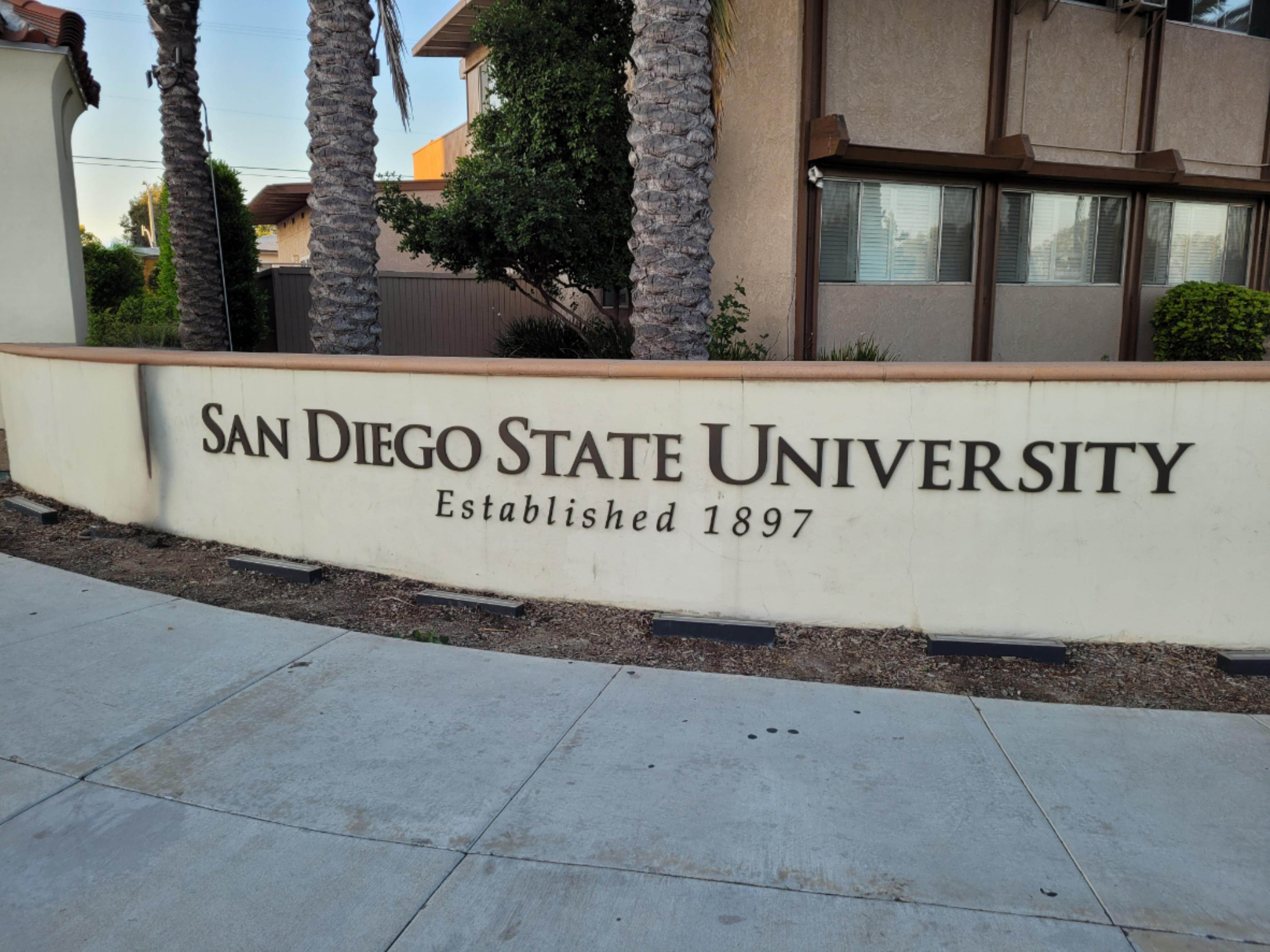
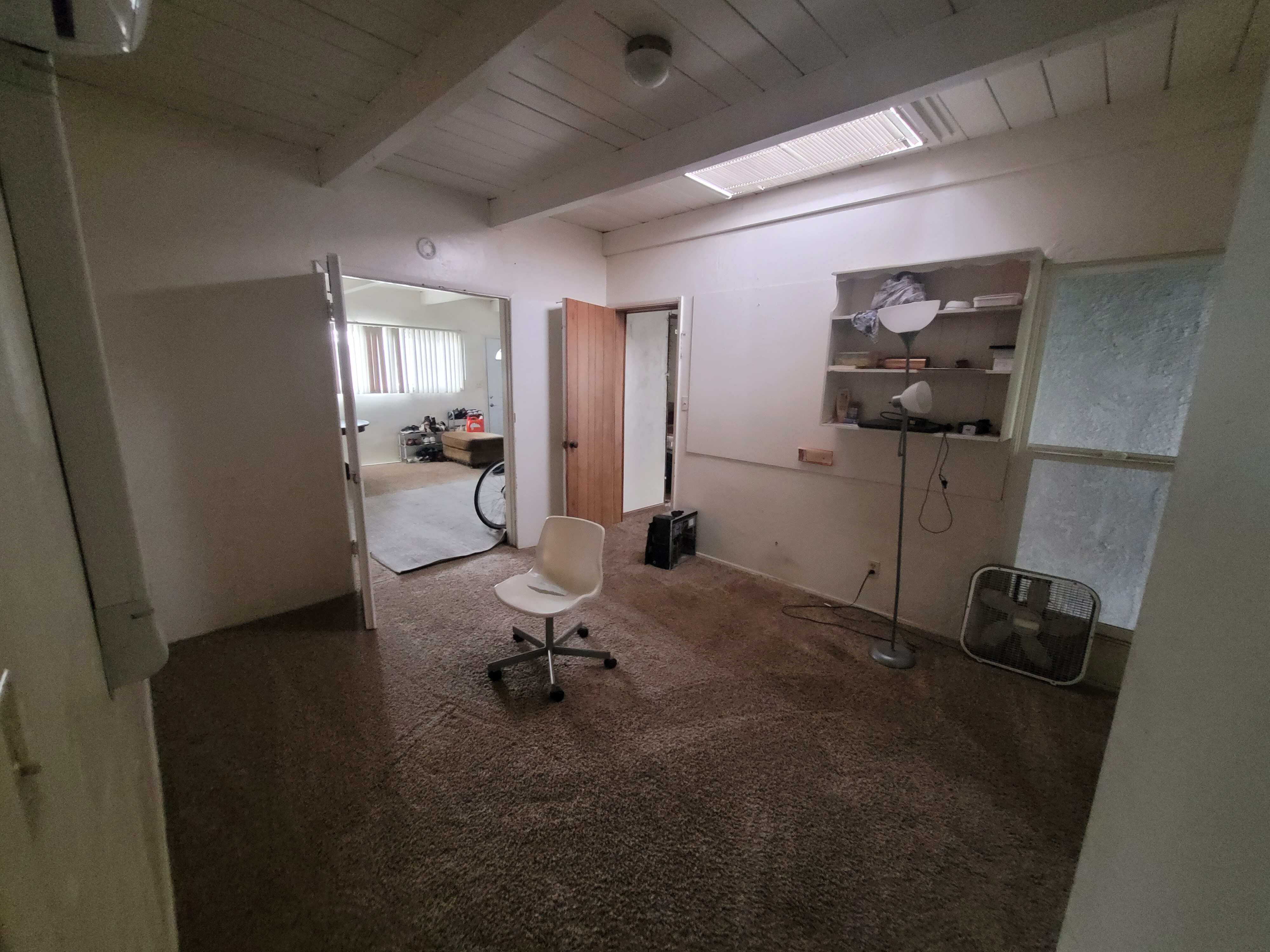
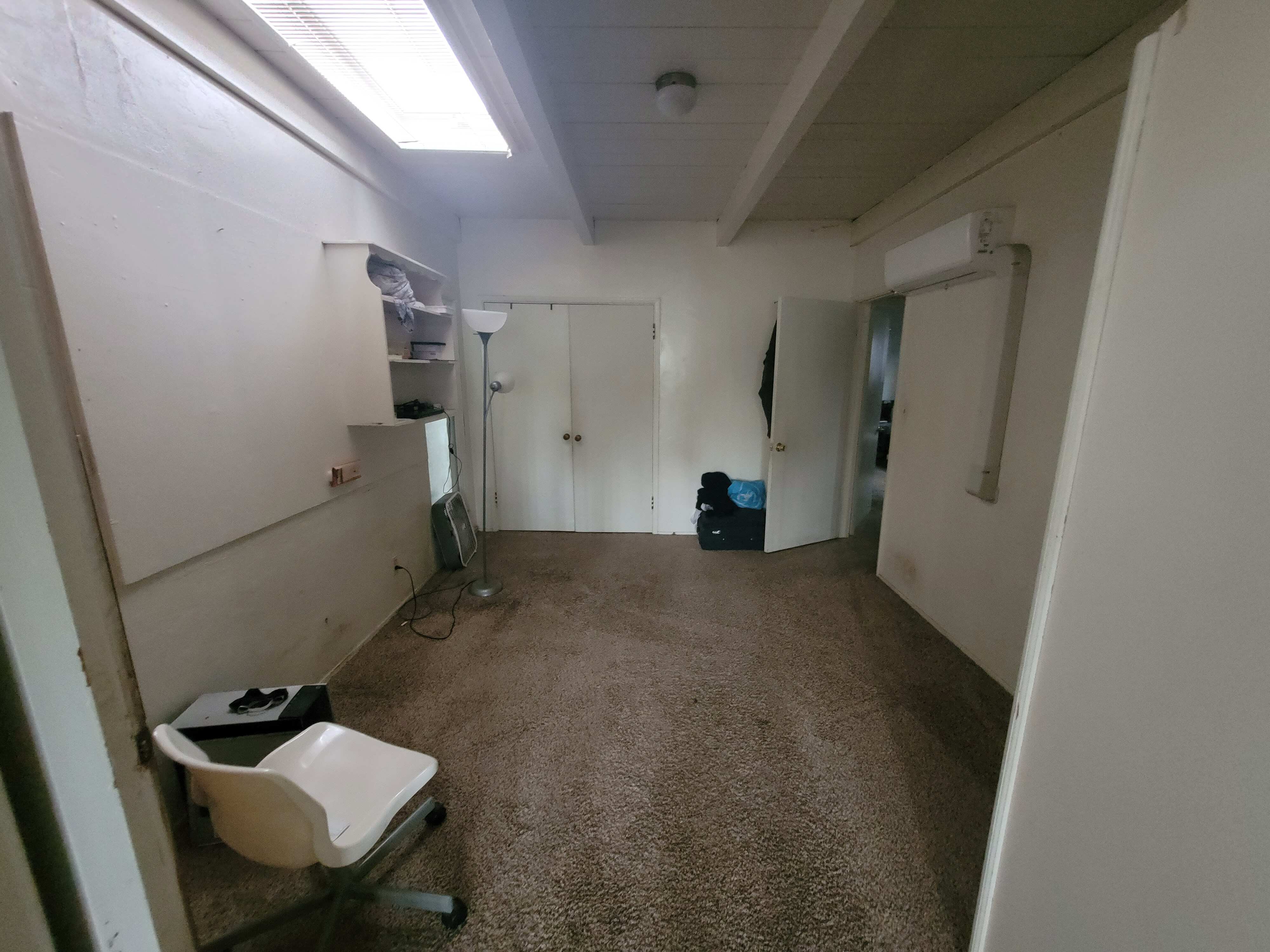
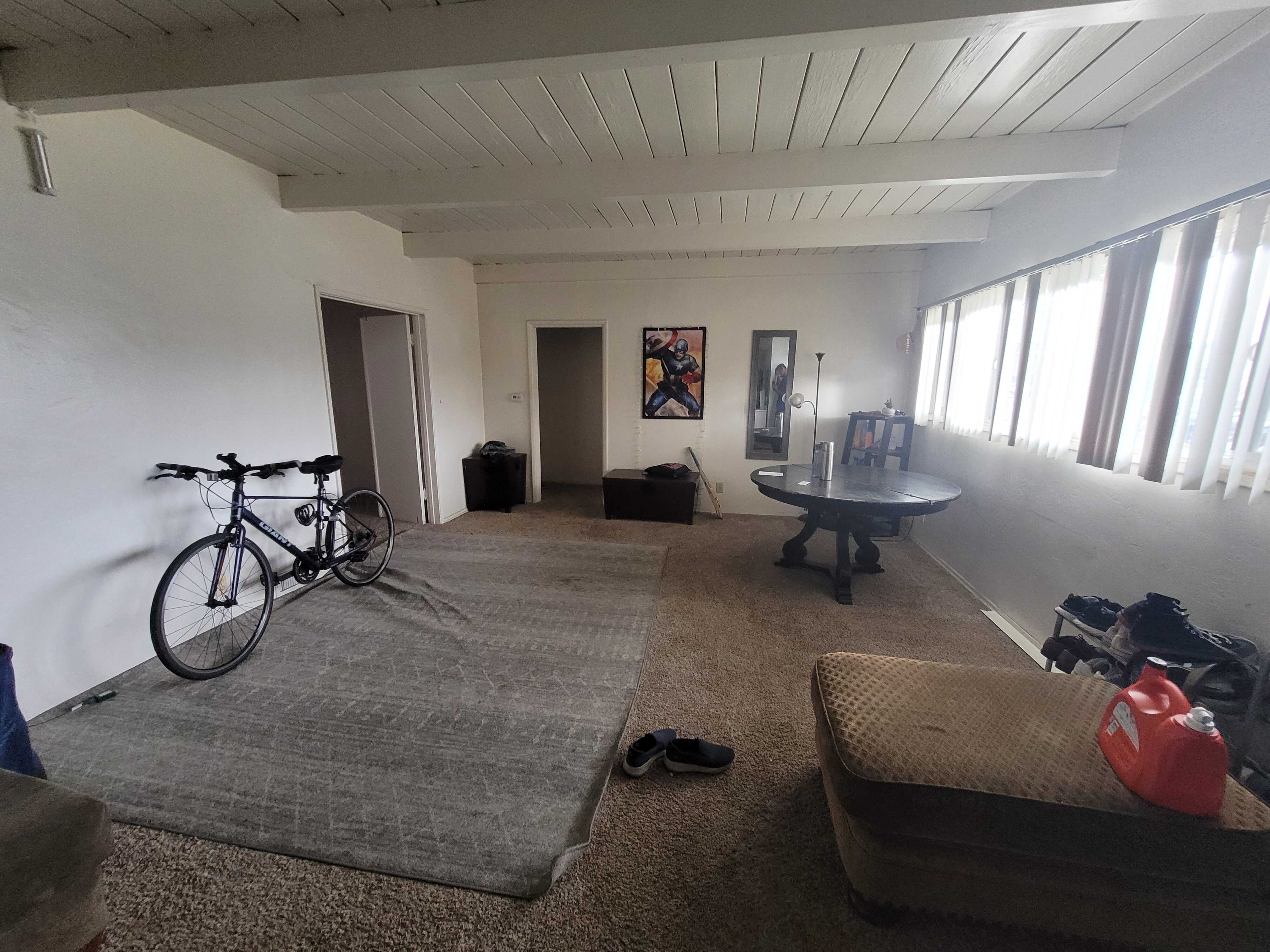
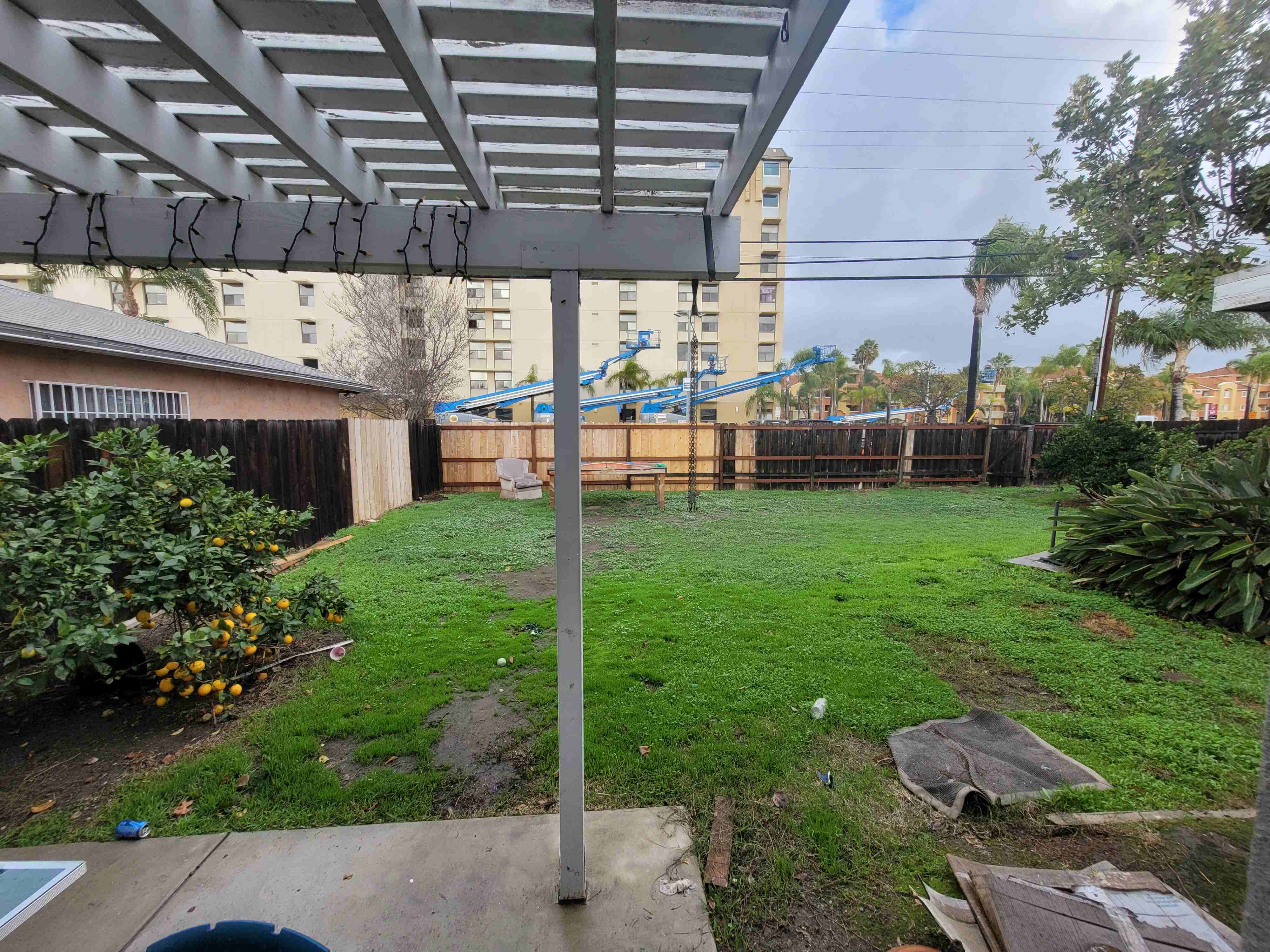
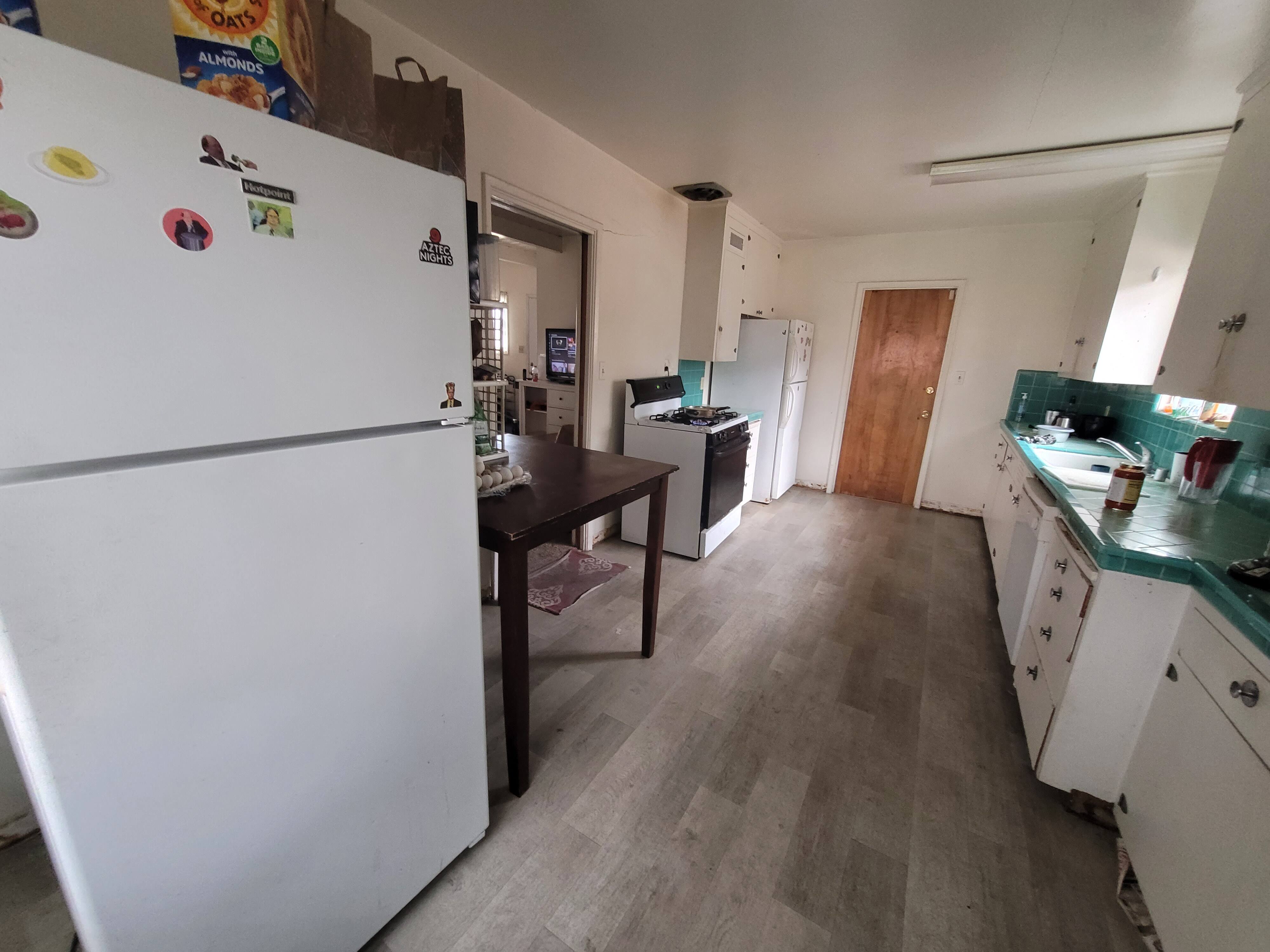
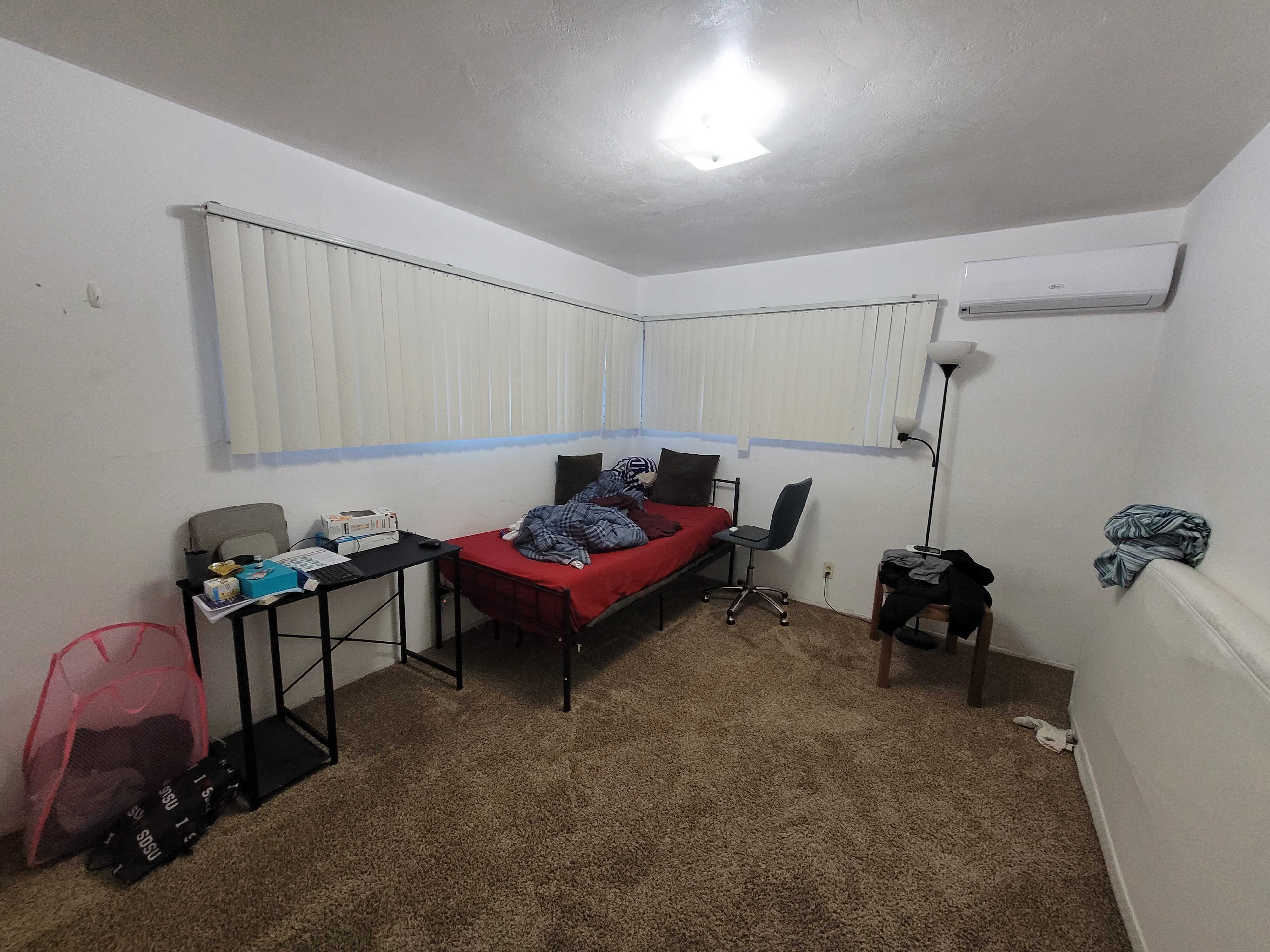
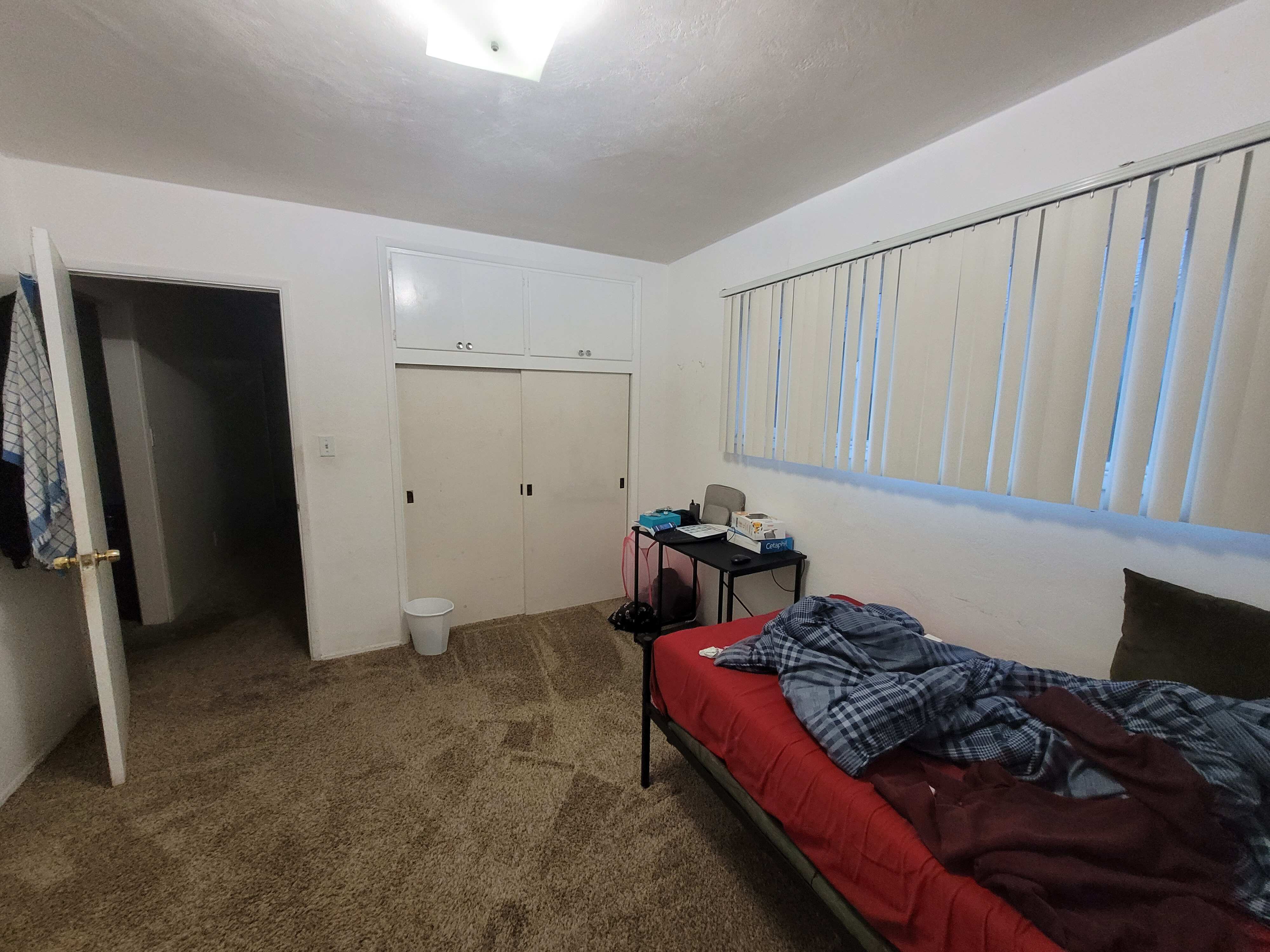
- I found my accommodation through Facebook, WhatsApp, and Telegram groups. Initial search for incoming students in the same situation as me was difficult. Searching in college groups is the first step to getting more connections for accommodation searches and teaming up with other students in the same boat as us.
- I found a group that had finalised on renting a 3-bedroom townhouse 5 minutes walking distance from SDSU and we shared it among 6 people. Our rent was $3300, which got divided up into $550 per person + $50 utilities.


Scores Required

Do you think the Rankings are wrong ? Report Here
Key Resources for Your Study Abroad Journey


Course Guides
Best MS Courses in USA for International Students in 2025
Masters (MS) in USA: Colleges, Courses, Deadlines, Eligibility & Fees
Masters in Health Administration in USA: Fees, Top Colleges, Admissions, Placements & Salary
Masters in Information Technology in USA: Top Universities, Deadlines, and Requirements
College Student Profiles

Scholarship Grants & Financial Aids
| Name | Scholarship Per Student | Level of Study | Type | |
|---|---|---|---|---|
| Novus Biological Scholarship Program | Scholarship per student$ 1,500/Yr$1,500 | Level Of StudyAssociate | TypeMerit-Based | |
| Washington DC Scholarships | Scholarship per studentVariable Amount | Level Of StudyBachelor | TypeMerit-Based | |
| TEC Scholarship | Scholarship per student$ 1,000/Yr$1,000 | Level Of StudyBachelor | TypeMerit-Based | |
| BeArt Presets-Academic Scholarship | Scholarship per student$ 2,500/Yr$2,500 | Level Of StudyBachelor | TypeMerit-Based | |
| Chuan Ai Lu Engstrom Memorial Scholarship | Scholarship per student$ 1,000/Yr$1,000 | Level Of StudyBachelor | TypeMerit-Based | |
| Bharat Petroleum Scholarship | Scholarship per studentVariable Amount | Level Of StudyMaster | TypeMerit-Based |

interested in this College ?
Follow & Share this college to get information about admission.



Comments