





ASU Artificial Intelligence Engineering MS concentrations let you pair core AI training with one of 12 engineering or computing domains. The 30-credit degree runs from one to two years at the Tempe campus. All concentrations are STEM-designated, so F-1 students get up to 36 months of OPT after graduation.
The program sits inside the Ira A. Fulton Schools of Engineering at Arizona State University. Fulton is ranked #41 by US News for Best Engineering Schools in 2026. That means the AI Engineering MS carries the same faculty base as ASU’s older, better-known engineering degrees. The concentration you pick decides your electives, your capstone theme, and the recruiter pool that sees your resume.
- The real choice is not "AI or not AI" but which engineering domain you pair AI with.
- The core is identical across all 12 tracks, so the concentration is what shapes hiring outcomes.
- Pick a concentration that matches your bachelor’s degree, not the trendiest label.
- Software engineering and computing sciences suit CS graduates; mechanical, aerospace, and materials suit core engineers.
| Parameter | Detail |
|---|---|
| Total concentrations | 12 |
| Credits required | 30 credit hours |
| Duration | 1 to 2 years |
| Campus | Tempe (Polytechnic for Software Engineering) |
| Graduate base tuition | USD 30,348 per year |
| Minimum GPA | 3.0 in last 60 credit hours |
| English score | TOEFL iBT 90, IELTS 7 or Duolingo 115 |
| Fall priority deadline | December 31 |
| Spring priority deadline | July 31 |
| STEM OPT | Yes, 24-month extension |
Also Check,
- Arizona State University: Ranking, Fees and Acceptance Rate
- Arizona State University Fees for International Students 2026-27
- How to Apply to US Universities as an Indian Student 2027
- US University Application Timeline: A Detailed Guide
All 12 AI Engineering MS Concentrations at ASU
The ASU Artificial Intelligence Engineering MS offers 12 concentrations across engineering, computing and applied science domains. Every concentration awards the same MS degree title. Only your transcript names the specialisation. The full list is published on the official program site at ai-ms.engineering.asu.edu. Each concentration keeps the same 12-credit AI core and swaps the 9 concentration credits.
| Concentration | Best suited for |
|---|---|
| Aerospace Engineering | Aerospace, mechanical and aeronautical graduates |
| Chemical Engineering | Chemical engineering graduates |
| Computing Sciences | CS, IT and math graduates |
| Electrical Engineering | ECE, EEE and instrumentation graduates |
| Human-Centered AI | HCI, design and psychology-CS graduates |
| Intelligent Biomedical Systems | Biomedical and biotech graduates |
| Manufacturing | Industrial and production engineering graduates |
| Materials Science and Engineering | Metallurgy and materials graduates |
| Mechanical Engineering | Mechanical engineering graduates |
| Operations and Decision Science | IE, ORM and analytics graduates |
| Robotics | Robotics, mechatronics and ECE graduates |
| Software Engineering | Software developers and CS graduates |
Note: The concentration on your transcript is a signal to recruiters. Applying to a self-driving car team is easier with "Robotics" than "Software Engineering", even if your courses overlap.
Core Curriculum for Every AI Engineering MS
Every AI Engineering MS concentration shares a 12-credit AI core. This is what makes the degree a real AI qualification, not just an add-on. The four core courses are the same across all 12 tracks. That means a Mechanical Engineering concentration graduate and a Software Engineering concentration graduate take identical AI classes.
The four required core courses
- FSE 561: AI Ethics and Social Responsibility (3 credits). Covers bias, fairness, privacy and policy.
- AI Engineering Foundations (3 credits). Covers the maths and algorithms behind machine learning.
- AI Systems and Tools (3 credits). Covers ML frameworks, cloud platforms and MLOps basics.
- Data Collection and Evaluation for AI Systems (3 credits). Covers dataset design, labelling and model evaluation.
Concentration and capstone credits
After the core, students take 9 credits in the chosen concentration. The final 9 credits are electives plus a culminating experience. Options include a thesis (6 credits), an applied project (3 credits) or a portfolio (0 credits) depending on concentration.
Admission Requirements for AI Engineering MS
ASU requires a 3.0 GPA in the last 60 credit hours plus programming proficiency in Python, MATLAB, SQL or R. A bachelor’s degree in engineering, computing, mathematics, statistics or IT is required.
The application is entirely online. There is no GRE requirement for this program.
What ASU asks every applicant to submit
- Graduate application and fee filed on the ASU portal.
- Official transcripts from every college attended.
- Statement of purpose tied to the concentration you pick.
- Professional resume that lists programming skills, projects and internships.
- English proficiency proof for non-native English speakers.
English proficiency scores accepted
| Test | Minimum Score |
|---|---|
| TOEFL iBT | 90 |
| IELTS Academic | 7.0 |
| Duolingo English Test | 115 |
| PTE Academic | 60 (Mechanical Engineering track) |
Total ASU AI Engineering MS Cost in INR
The total two-year cost for the ASU AI Engineering MS lands around USD 108,000, or roughly INR 1.03 crore for an Indian student. Tuition alone is USD 30,348 per year at graduate base rate. Add mandatory fees, engineering college fees, health insurance and living costs. That is what pushes the number past the sticker.
Annual cost breakdown for international graduate students
| Cost Item | Amount (USD) | Amount (INR) |
|---|---|---|
| Graduate base tuition | USD 30,348 | INR 28.9 lakh |
| Tuition surcharge | USD 350 | INR 33,334 |
| Advanced Technology fee | USD 200 | INR 19,048 |
| International student fee | USD 400 | INR 38,096 |
| Housing and meals | USD 21,087 | INR 20.1 lakh |
| Books and materials | USD 1,908 | INR 1.82 lakh |
| Health insurance | USD 2,765 | INR 2.63 lakh |
| Estimated annual total | USD 57,058 | INR 54.3 lakh |
Conversions based on a USD-INR rate of INR 95.24 as of August 10, 2026. Rates fluctuate; check the current rate before financial planning.
Engineering college fees can add USD 2,000 to USD 4,000 per semester on top of base tuition. Budget an extra 5 to 8% for rupee weakening across two years.
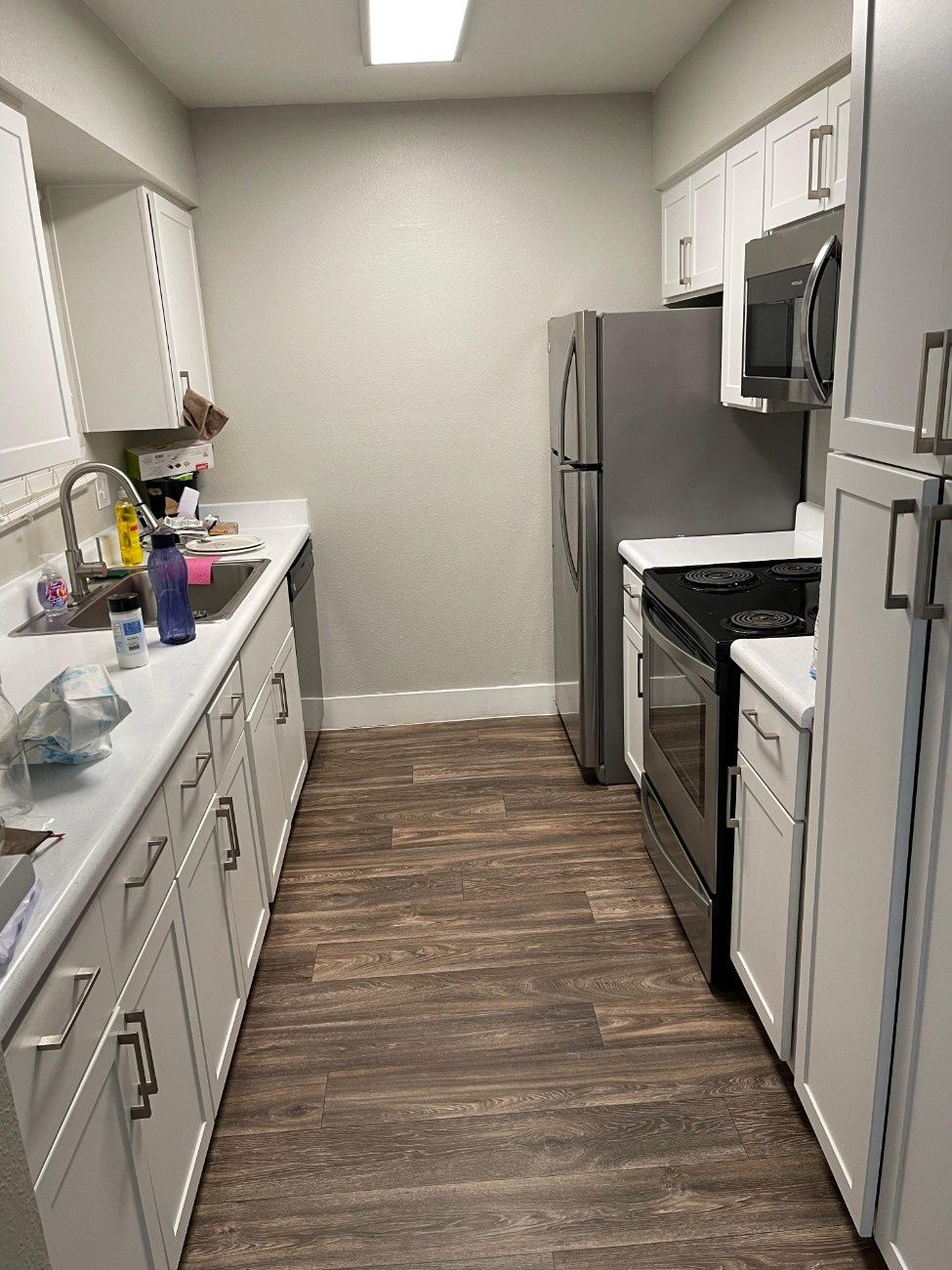
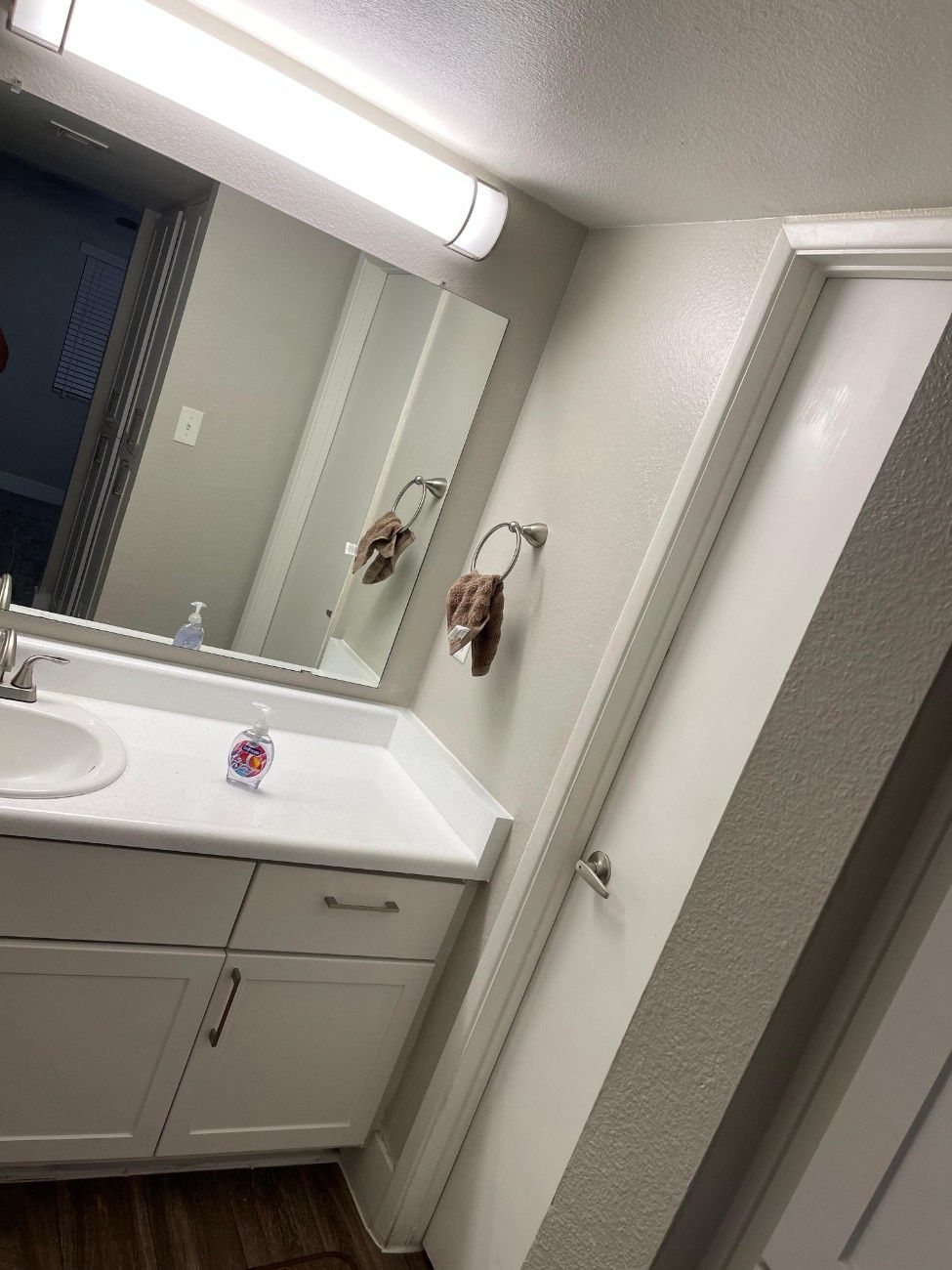
- Off-campus housing in Tempe costs USD 900 to USD 1,300 a month for shared rooms.
- Meal costs drop to USD 250 to USD 350 a month for students who cook.
- Health insurance is mandatory unless waived with an approved private plan.
You can compare on-campus and off-campus rent through the ASU Tempe accommodation and housing options for international students.
AI Engineering MS Application Deadlines
Fall priority deadline is December 31. Spring priority deadline is July 31. Admission decisions arrive by March 1 for Fall and October 1 for Spring.
ASU also lists concentration-level deadlines that differ from the program-wide date. Always check the specific concentration’s degree page.
12-month application timeline for Fall 2027 intake
| Month | Action |
|---|---|
| September 2026 | Book TOEFL, IELTS or Duolingo test |
| October 2026 | Draft statement of purpose and resume |
| November 2026 | Request transcripts and reference letters |
| By December 31, 2026 | Submit application for priority review |
| February 2027 | Follow up with faculty for RA leads |
| By March 1, 2027 | Admission decision expected |
| April 2027 | Accept offer, pay deposit, request I-20 |
| May-June 2027 | Book F-1 visa appointment and pay SEVIS fee |
| July 2027 | Apply for education loan disbursement |
| August 2027 | Arrive at Tempe for orientation |
Eligibility is broader than most expect. Applicants qualify with a bachelor's or master's in computing, engineering, mathematics, statistics, operations research, information technology or a related field from a regionally accredited institution, international applicants add English proficiency evidence, and high achieving ASU undergraduates can compress the path through the accelerated bachelor's plus master's route in as little as five years. Source: ASU Graduate College and Fulton Schools admission requirements.
Also Check:
| MS Business Analytics at ASU | MS Computer Science Cybersecurity at ASU | MS Information Technology at ASU |
| MS Electrical Engineering at ASU | MBA at ASU | Master of Architecture at ASU |
The ASU Artificial Intelligence Engineering MS concentrations are built for students who want an AI degree without leaving their engineering field. The core is real AI. The concentration is where you earn your domain edge. Software Engineering and Computing Sciences suit CS graduates. Mechanical, Aerospace, Robotics and Materials suit core engineers. Match the concentration to your bachelor’s degree, chase a Fulton assistantship early, and plan your resume for both US and global markets from day one.
FAQs
Ques. How many concentrations does the ASU Artificial Intelligence Engineering MS offer?
Ans. The program offers 12 concentrations. They span aerospace, chemical, electrical, mechanical, materials, biomedical, robotics, software engineering, computing sciences and more. Every track awards the same MS degree title. Only the transcript names the concentration.
Ques. Is the ASU AI Engineering MS STEM-designated?
Ans. Yes. All 12 concentrations are STEM-designated. F-1 students get 12 months of OPT plus a 24-month STEM extension. That is up to 36 months of US work authorisation after graduation.
Ques. What is the total cost of the ASU AI Engineering MS for Indian students?
Ans. Around USD 108,000 over two years, or roughly INR 1.03 crore. That includes tuition, fees, housing, meals, books and health insurance. Engineering college fees may add USD 2,000 to USD 4,000 per semester on top.
Ques. Do I need GRE for the ASU AI Engineering MS?
Ans. No. GRE is not required for the AI Engineering MS. ASU asks for a 3.0 GPA in the last 60 credit hours, a statement, a resume and English proficiency proof. Programming skills in Python, MATLAB, SQL or R must show on the resume.
Ques. What is the application deadline for Fall 2027 intake?
Ans. The priority deadline is December 31, 2026. Admission decisions land by March 1, 2027. Applications may stay open past the priority date, but the best assistantship offers close early.
Ques. Which concentration is best for CS graduates?
Ans. Computing Sciences or Software Engineering. Both accept CS, IT and math graduates. Software Engineering runs at the Polytechnic campus. Computing Sciences runs at Tempe main. Career outcomes overlap heavily with the MS Computer Science graduate pool.
Ques. Which concentration is best for mechanical engineering graduates?
Ans. Mechanical Engineering, Manufacturing or Robotics. All three accept mechanical bachelors. Robotics suits students who did final-year projects with sensors or embedded systems. Manufacturing suits students aiming at smart factories.
Ques. Can I switch concentration after admission?
Ans. Officially no. The concentration on your admission letter is what appears on your transcript. You can take electives from another concentration. You cannot rename the degree on paper without a fresh application.
Ques. What are typical starting salaries after the ASU AI Engineering MS?
Ans. Entry salaries for ASU computing MS graduates sit between USD 95,000 and USD 115,000. That translates to INR 90 lakh to INR 1.09 crore per year. Salaries vary by concentration, location and employer. Roles in California and Washington pay above the median.
Ques. Does ASU offer scholarships for the AI Engineering MS?
Ans. ASU has no general graduate merit scholarship for international students. Aid comes through Teaching or Research Assistantships worth around USD 26,544 per year plus tuition remission. Fulton Fellowships and department-specific awards also exist. Apply early and contact faculty in your concentration.
Ques. What is the difference between the AI Engineering MS and the MS in Robotics with AI concentration?
Ans. They are two separate degrees. The AI Engineering MS has a Robotics concentration inside a broader AI degree. The MS Robotics and Autonomous Systems has an AI concentration inside a broader robotics degree. Course overlap exists, but the transcript name and lead department differ.
Ques. How is the H-1B outlook for ASU AI Engineering MS graduates?
Ans. The H-1B lottery moved to a wage-weighted model in 2026. Entry-level Level I roles now have around 15% annual selection odds. The 36-month STEM OPT window gives three lottery attempts. Students should plan Canada or UK as fallback options if the lottery does not clear.




Comments