
Select Goal &
City
Select Goal
Explore

![Ramchandra Chandravansi University - [RCU]](https://image-static.collegedunia.com/public/college_data/images/logos/1725003771Untitled.jpeg?h=71.7&w=71.7&mode=stretch)
RCU Palamu MBA Finance: Fees 2026, Course Duration, Dates, Eligibility
Palamu, JharkhandPrivate UniversityEstd 2018
| Course Highlights | Details |
|---|---|
| duration | 2 Years (Full Time) |
| course level | PG (Degree) |
| mode of study | On Campus |
| total fees | ₹ 1.04 Lakhs |
| eligibility | Graduation |
Official Link:
Table of Contents
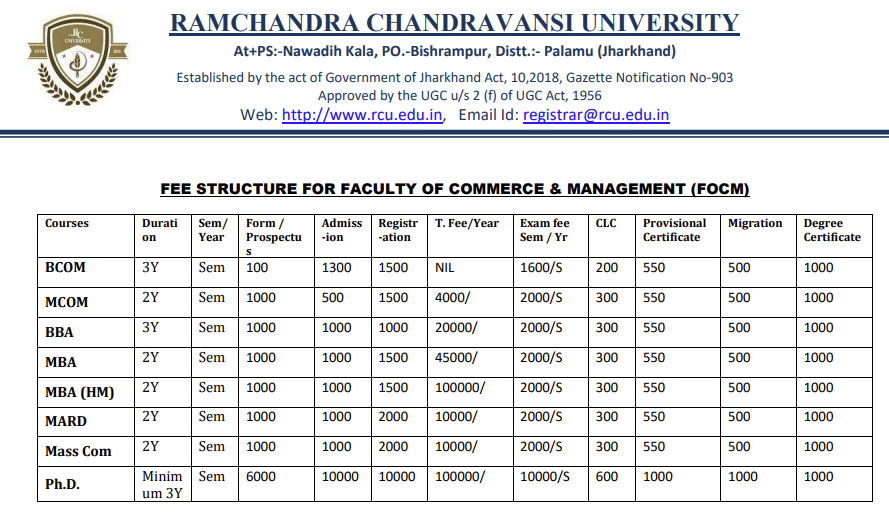
RCU Palamu MBA Finance Fees
Quota:
| Fee Type | Total Amount (INR) |
|---|---|
| tuition fee | ₹90,000 |
| total fee | ₹1.04 Lakhs |
* Fees is refundable
Fee Structure As Per Official Website
Course Finder
Search from 20K+ Courses and 35+ Streams
Clear
Popular Streams:
RCU Palamu Latest News
NEET UG Counselling 2025: MCC Ends Confusion, Confirms No Change to Round 2 Seat Allotment

Written BySubrato Chatterjeeon Sep 19, 2025
.png?h=78&w=78&mode=stretch)
NEET 2025 Cut off (Expected) for Seth G.S Medical College, Mumbai: Check Previous Years Opening & Closing Ranks

Written ByShivam Yadavon Jun 16, 2025

NEET 2025 (Expected) Cut Off for Patna Medical College
Written ByShivam Yadavon Jun 16, 2025

Discover More Colleges



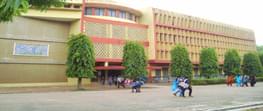



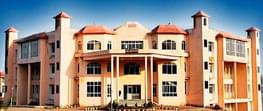

News
.png?h=72&w=72&mode=stretch)
Sep 19, 2025


Faculties
Shri Ramchandra chandravansi
Chairman
Dr. Ishwar Sagar Chandravansi
Chancellor, RCU
Prof.Anurag Chandravansi
Dy. Director
Learn More About Courses
Student Also Visited


Netaji Subhas University Jamshedpur
4.1(187 Reviews)
BE/B.Tech - Bachelor of Technology
₹320000 Total Fees

Ramchandra Chandarvansi Institute of Technology Palamu
4.1(4 Reviews)
BE/B.Tech - Bachelor of Technology
₹55100 First year Fees


St. Barnabas Hospital College of Nursing Ranchi
B.Sc Nursing - Bachelor of Science
₹115000 First year Fees


Diamond Harbour Women’s University South 24 Parganas
4(18 Reviews)
BA - Bachelor of Arts
₹5500 First year Fees

Vananchal College of Nursing & Vananchal School of Nursing Garhwa
B.Sc Nursing - Bachelor of Science


Vananchal College of Science Garhwa
Bachelor of Medical Laboratory Technology [BMLT]
₹26000 First year Fees


Vananchal Educational and Welfare Trust Garhwa
3.6(6 Reviews)
BHMS - Bachelor of Homeopathic Medical Science
₹130000 First year Fees

Usha Martin University Ranchi
3.9(113 Reviews)
BE/B.Tech - Bachelor of Technology
₹147000 First year Fees


SUBSCRIBE TO OUR NEWS LETTER
COLLEGE NOTIFICATIONSEXAM NOTIFICATIONSNEWS UPDATES
Download the Collegedunia app on 



© 2026 Collegedunia Web Pvt. Ltd. All Rights Reserved
Comments