
Select Goal &
City
Select Goal
Explore
Explore More


IILM University Greater Noida B.Sc Forensic Sciences: Fees 2026, Course Duration, Dates, Eligibility
I A Surajpur, Greater NoidaPrivate UniversityEstd 2001NAAC Grade
| Course Highlights | Details |
|---|---|
| duration | 4 Years (Full Time) |
| course level | UG (Degree) |
| mode of study | On Campus |
| total fees | ₹ 4.8 Lakhs |
| eligibility | 10+2 + CUET UG |
| entrance test | CUET |
Official Link:
Table of Contents
IILM University Greater Noida B.Sc Forensic Sciences Fees
Quota:
| Fee Type | Total Amount (INR) |
|---|---|
| tuition fee | ₹4.8 Lakhs |
| total academic fee | ₹4.8 Lakhs |
| hostel fee | ₹5.68 Lakhs |
| total fee | ₹10.48 Lakhs |
* Fees is refundable
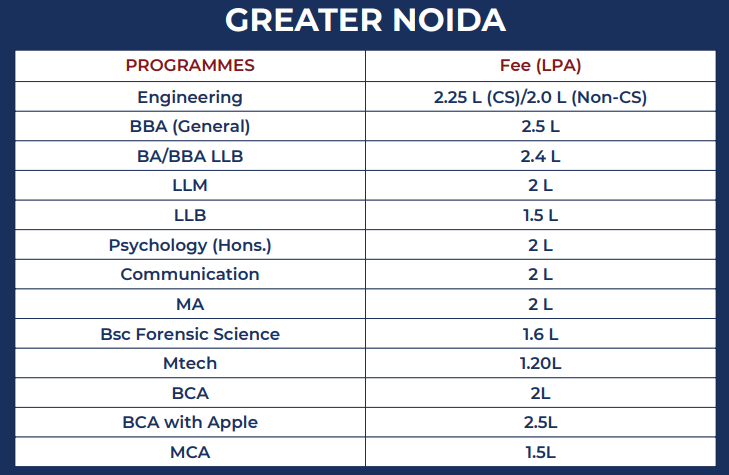
Fee Structure As Per Official Website:
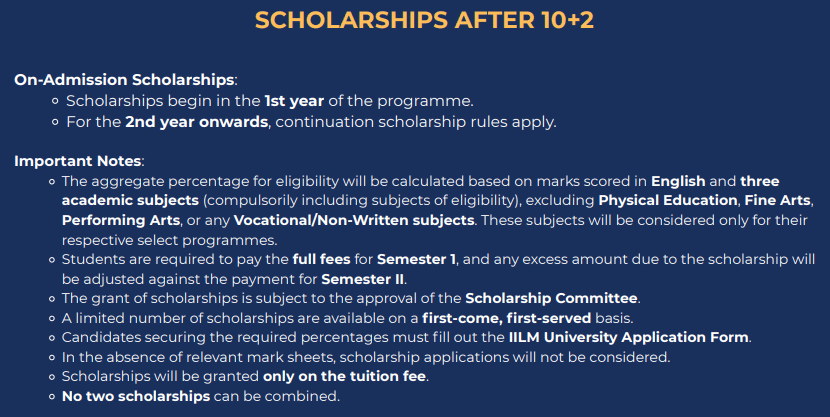
Scholarship:
Important Dates for B.Sc Forensic Sciences at IILM University Greater Noida
Expired Events
| Events | Dates |
|---|---|
| CUET UG Result Declaration Date | Jul 30, 2026 |
| CUET UG Exam Date | May 11, 2026 - May 31, 2026 |
| CUET UG Admit Card Release Date | May 04, 2026 |
Check entrance exam dates for admission in B.Sc Forensic Sciences at IILM University Greater Noida -
Do you think the Dates are wrong ? Report Here
IILM University Greater Noida Latest News
GATE 2027 Registration Begins at gate2027.iitm.ac.in; Check Last Date to Apply

Written ByCollegedunia Editorial Teamon Sep 2, 2026

UPTAC Special Round 2 Seat Allotment 2026 Out; Check Physical Reporting Schedule
Written ByCollegedunia Editorial Teamon Sep 2, 2026

GATE 2027 Registration Begins Today at gate2027.iitm.ac.in; Check Last Date to Apply
Written ByCollegedunia Editorial Teamon Sep 2, 2026

SUBSCRIBE TO OUR NEWS LETTER
COLLEGE NOTIFICATIONSEXAM NOTIFICATIONSNEWS UPDATES
Download the Collegedunia app on 



© 2026 Collegedunia Web Pvt. Ltd. All Rights Reserved
Comments