



Prathiksha Ramlal
University of Reading, MSc Food Security and Development
Reviewed on Feb 19, 2026(Enrolled 2024)What Students Say
Likes
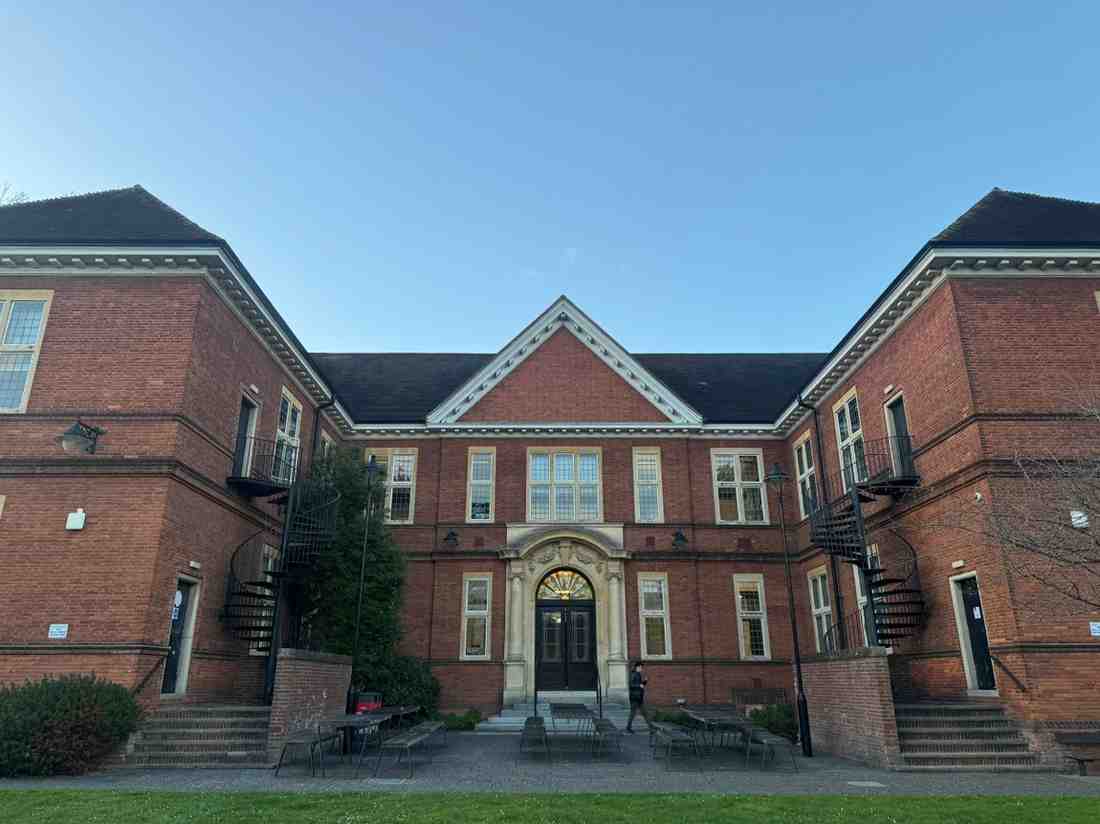
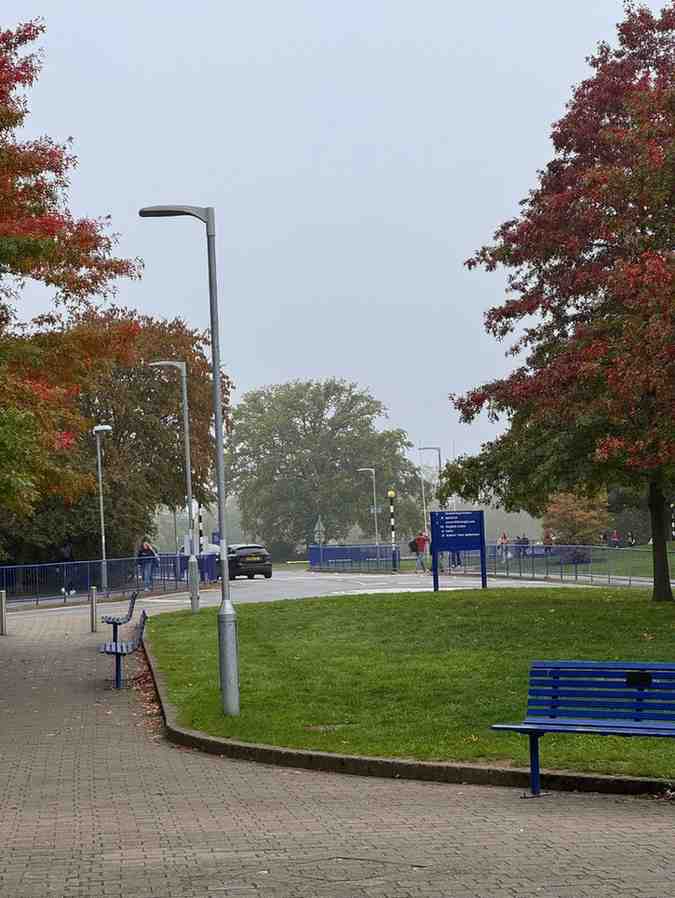
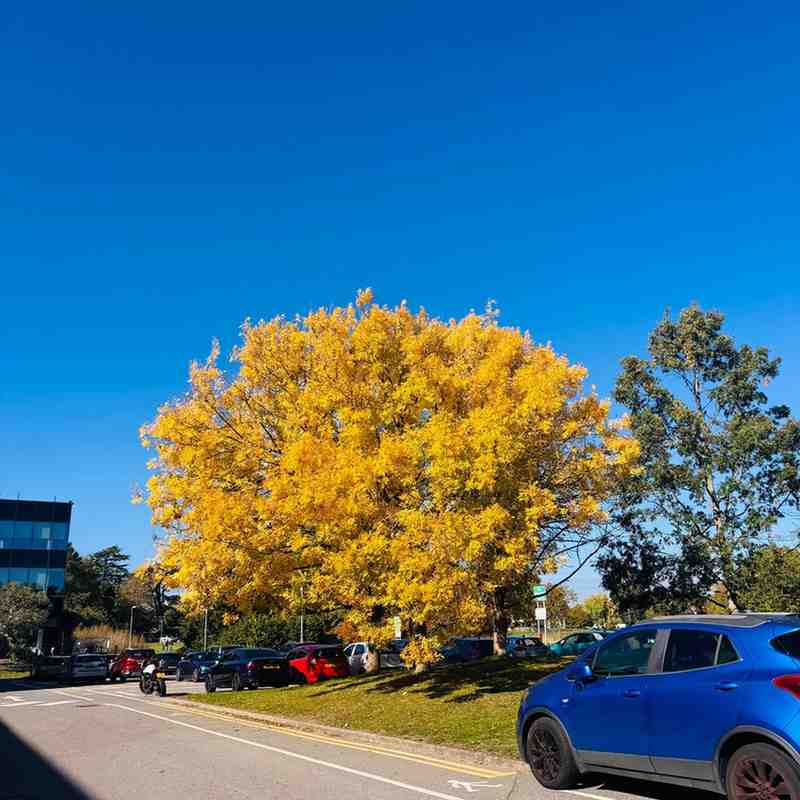
- Studying at University of Reading is delightful because of the campus's abundance of open space, lake, and greenery.
- A lot of instructors are friendly and helpful, particularly when it comes to advice on projects and research.
- The labs, study areas, library, and internet services are all up-to-date and kept up.
Dislikes
- The cost of living was bit high.
- The part time jobs were limited on campus.
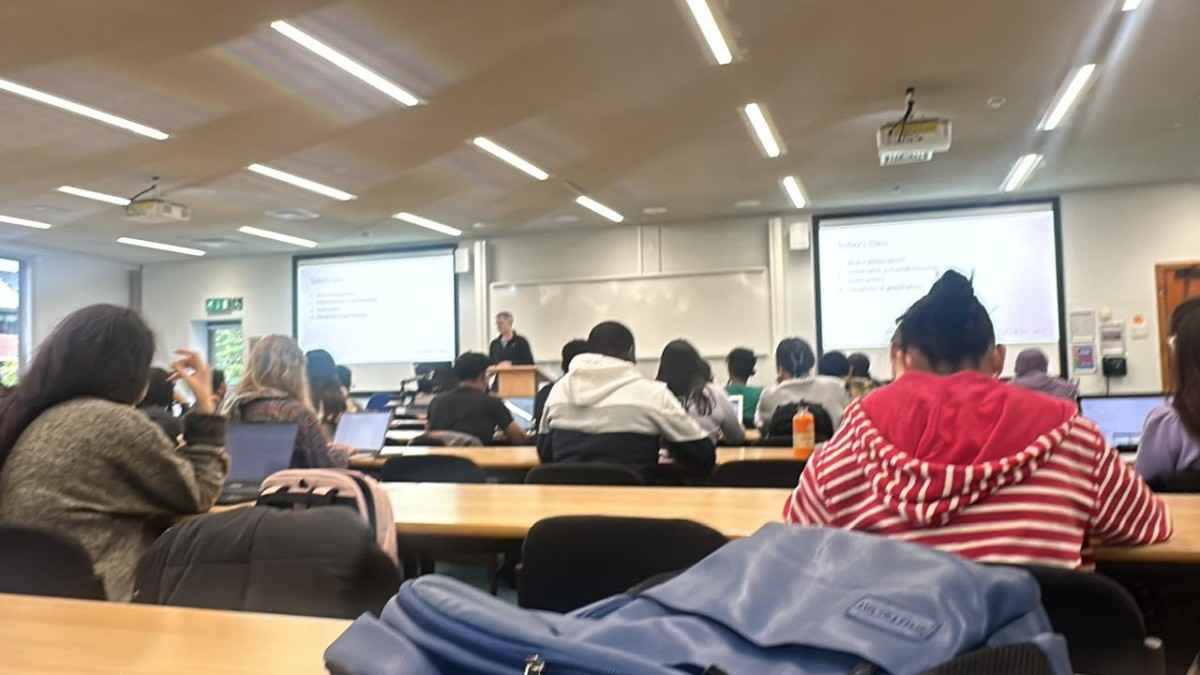
- The class sizes were large.
Course Curriculum
10
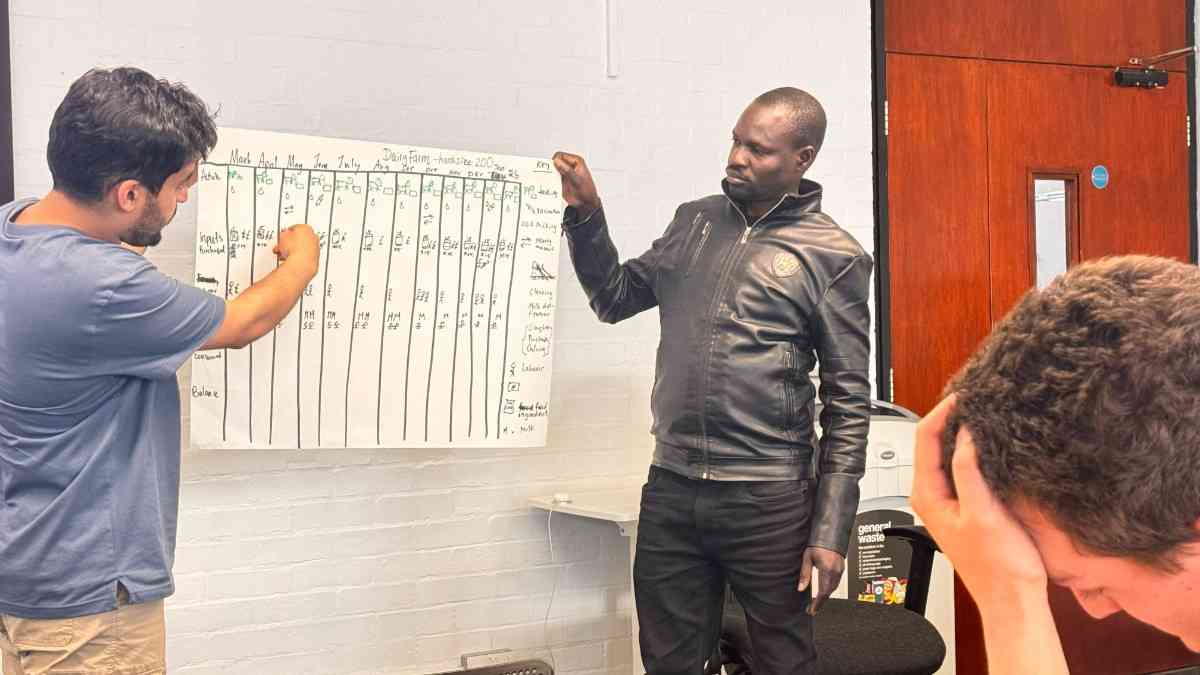
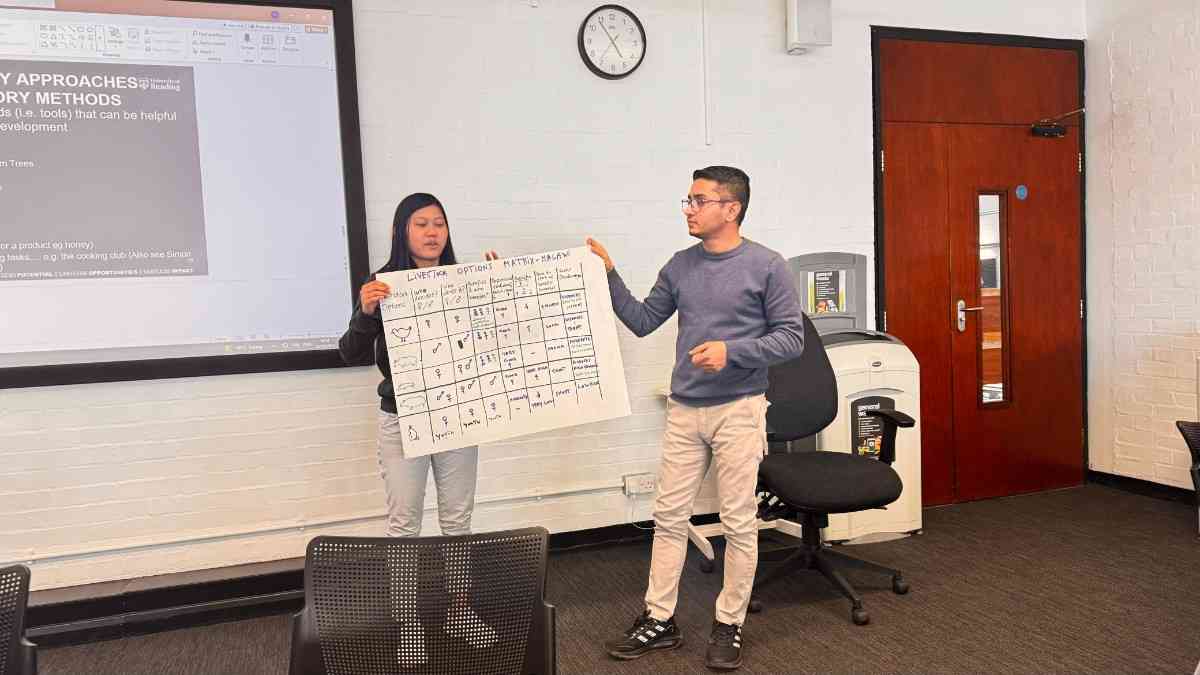
- The course material was well-balanced between theory and real-world case studies, and it was somewhat difficult. Global food systems and policy were the main topics of the classes.
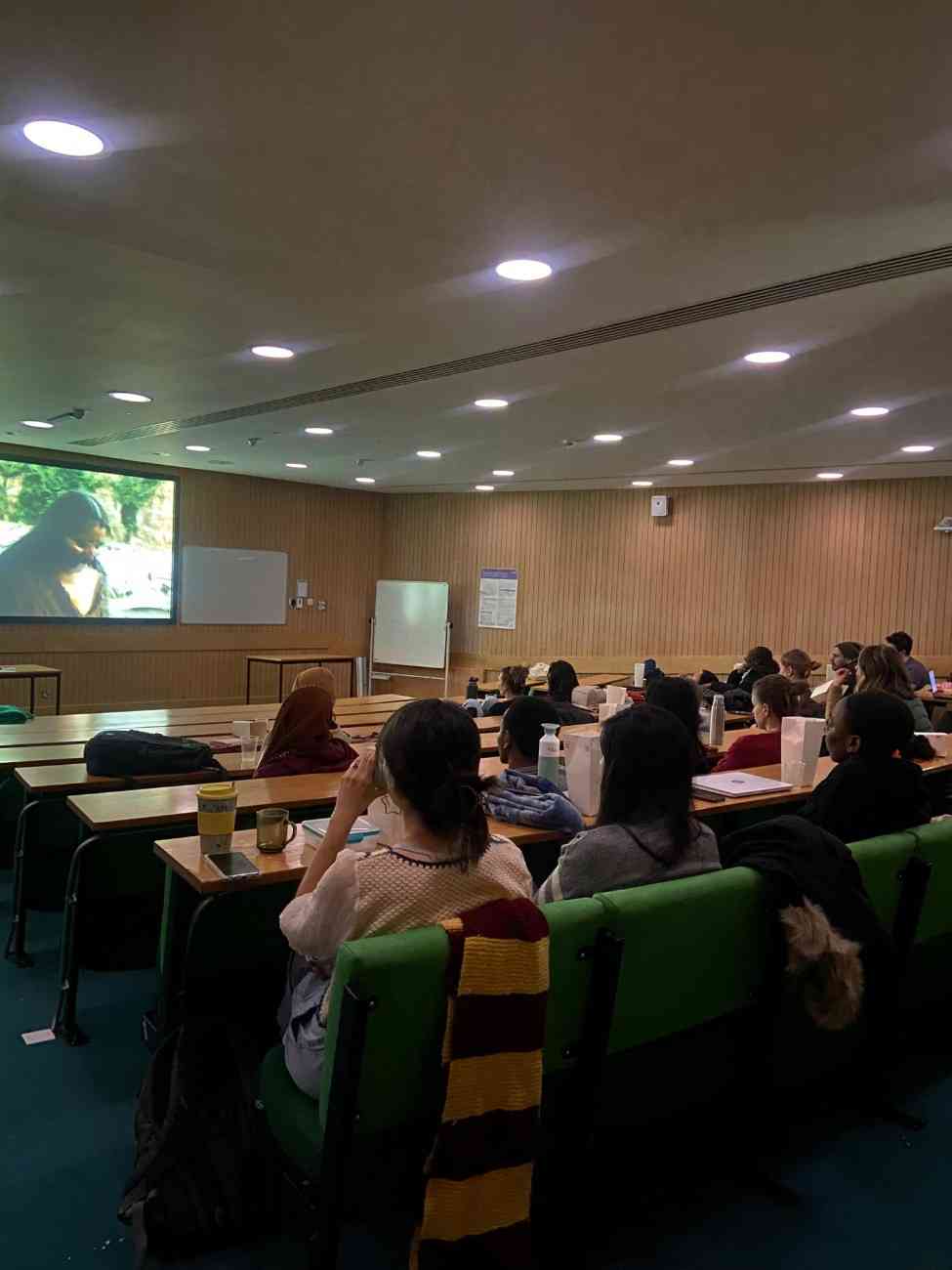
- Expert teachers and lively conversations were advantages; strict deadlines were disadvantages. Usually, there are two or three lessons per day from 9 a.m. to 6 p.m. There were perhaps 6–8 Indian pupils in the roughly 25–30 student class.
Admission Experience
-
I applied to the following universities:
- Queens Belfast- Accepted
- Teesside University- Accepted
- University of Reading- Accepted
- University of Greenwich - Accepted
- University Of Leeds- Rejected. The Reason may be that I applied for a Food Marketing course, which was more of a business and marketing field and not food science.
- I was sent an email asking if I wanted to change my master's to business from science, which I wasn't ready for.
- The University of Reading has a solid academic reputation, particularly in fields like agriculture, food security, development, and environmental studies, which is why I chose it. My academic interests and professional objectives were aligned with the course format, and the university enjoys international recognition. My choice was also greatly influenced by the lovely campus and encouraging study atmosphere.
- I applied for the September intake as it was the only main intake for my course. I applied during the period of July, which was late. I had emailed the university and pushed my application for sept intake. It took two weeks for my approval from the university. I received a proper email and updates from the university. The follow-up from the university was the ultimate key during the application.
Faculty
8
- Good engagement and one-on-one supervision were made possible by the modest faculty-to-student ratio. Lectures, discussions, and real-world case studies were all incorporated into the teaching process to help students develop the practical skills necessary for jobs in development. A few professors provided recommendations and job openings. I respected academics who connected research to practical policy initiatives.
Campus Life
10
- The three campuses of the University of Reading are Greenlands (Henley-on-Thames), London Road (Reading), and Whiteknights (main, Reading). Whiteknights has a health centre, gym, sports park, and a sizable library.
- Society fairs and Welcome Week are popular occasions. Numerous clubs address academics, volunteer work, sports, and culture. We had an international food market on campus every Thursday
Part Time Jobs
- Approximately five to ten positions per course are secured by students each year, such as Teaching Assistant (TA), Research Assistant (RA), or Departmental Assistant (DA). Pay ranges from £10 to £15 per hour. Similar-paying positions in the library, administration, and cafeteria are among the other on-campus occupations.
- During the term, students are permitted to work up to 20 hours per week. I worked as a student ambassador, which helped me develop skills and earn money. On-campus employment is competitive but feasible.
- The majority of Indian students prefer to work off campus in supermarkets, restaurants, warehouses, and retail establishments, and on campus as student ambassadors, library assistants, or in cafes.
- The average hourly wage is between £10 and £12. Part-time employment is somewhat competitive, particularly at the beginning of the term. Typically, students apply by looking through Indeed or university job portals, sending in a resume, and going to brief interviews.
Placement
8
- Approximately 60–70% of my batch's MSc Food Security and Development graduates found jobs within six months. Depending on the position and region, average annual wages varied from £28,000 to £35,000. Internships, networking, alumni relationships, internet job boards, and occasionally university recruitment are the main ways that graduates get employment. In positions such as policy analyst, project coordinator, and food security consultant, batchmates joined NGOs, research institutes, government agencies, and international development organisations.
- FAO, Oxfam, the World Bank, UN organisations, and national government departments involved in agriculture and development are some of the major employers.
Accommodation
Off Campus
10
- I chose to live on campus in St. Patrick's New Court. The university housing portal was used to assign it. With utilities and Wi-Fi included, the monthly rent was between £750 and £900. Early application is recommended because of the competitive availability.
- The campus is only a short stroll away, and many Indian students like living on campus. The Accommodation included a food meal plan as well.
Exams
- IELTS wasn't mandatory as I had good English scores in my higher secondary and bachelor's degree. But some courses did require IELTS; it depends on the course.
- No interview was required for admission. I submitted my three LORs, my SOP, academic transcripts, and had a few questions asked during the application. The IELTS requirement is a minimum of 6.5 for some courses.
Fees
- The Tuition fee for an international student is £22,350.
- I was offered a £5000 scholarship for merit.
- Accommodation on-campus- £6000 including a food meal plan.
- My monthly expenses were less as my accommodation covered food and bills as well. I used to spend a maximum of £ 200 for shopping, food, and travel. The university always supported financially in case support was needed.
Scholarship
- Yes. I was awarded £5000 for merit. I received a Centenary Scholarship. Scholarships are offered for the University of Reading's MSc in Food Security and Development.
- These include GREAT scholarships, the University of Reading Excellence Scholarship, and outside support like Chevening. Awards for tuition fee reductions often fall between £3,000 and £10,000. While some of their classmates were self-funded, others were awarded these scholarships.


