


What Students Say
Likes
- Diverse set of mathematicians specialising in various fields.
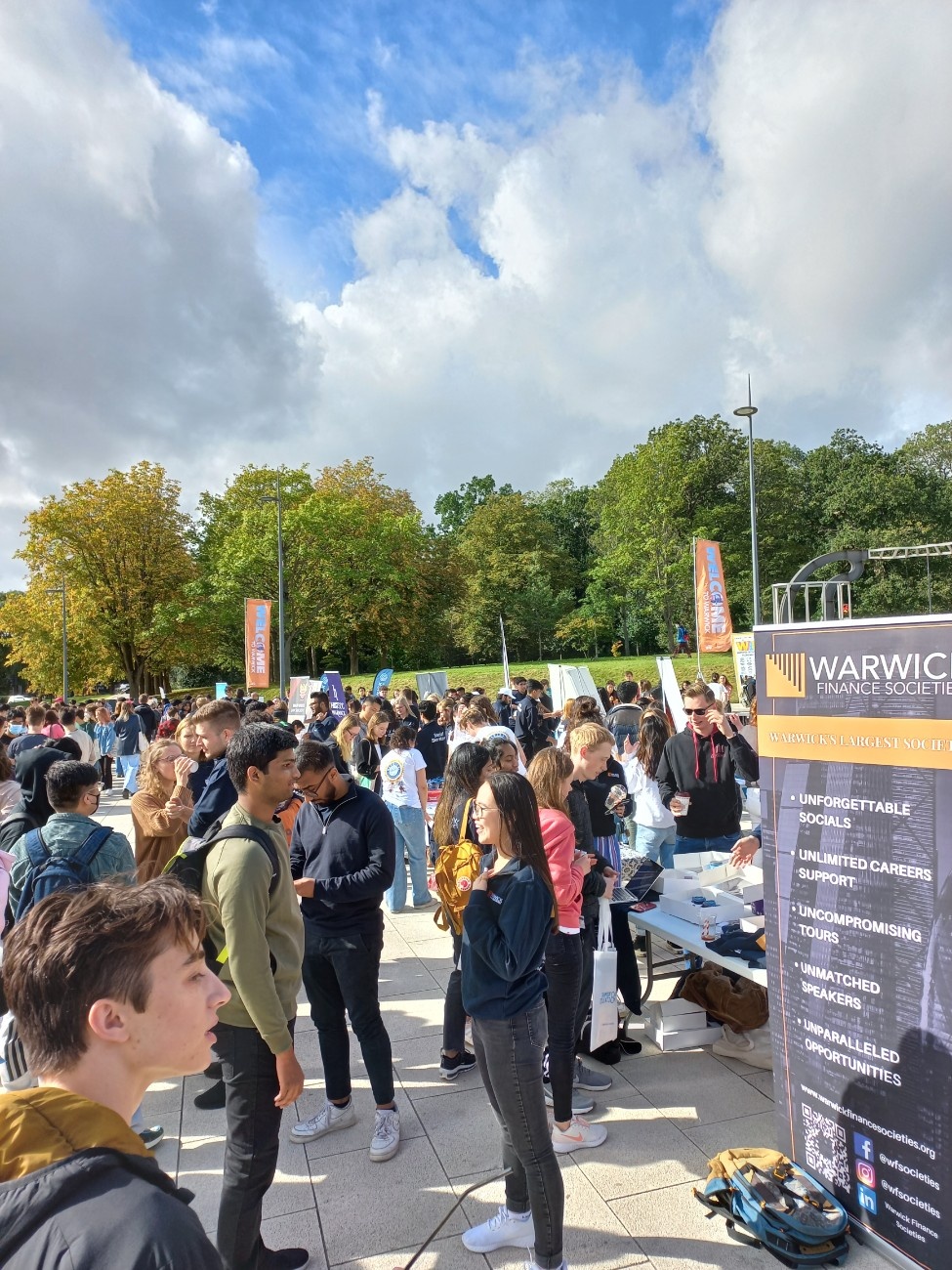
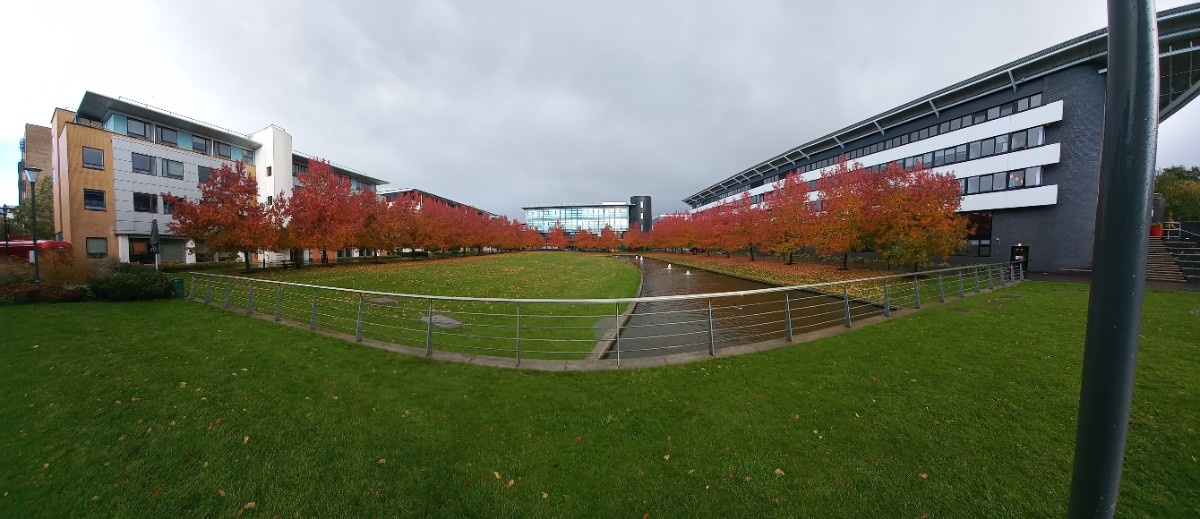
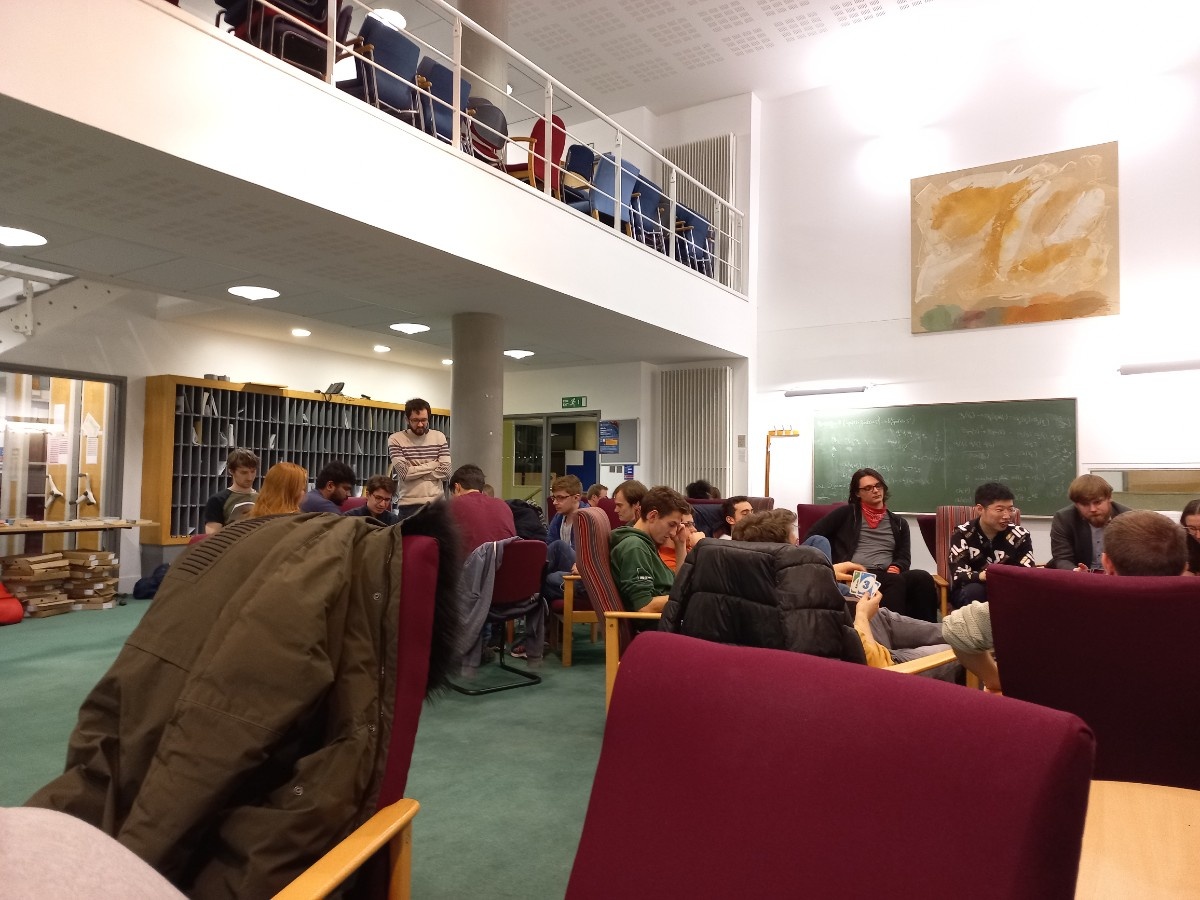
- Scenic campus with forest trails and serenity.
- Cannot ask for a better education academically, on par with the cutting edge of the field.
Dislikes
- Limited and expensive food options.
- Loneliness and isolation can become tough to handle.
- There is no placement in the British system, there is support, but you are basically on your own when job hunting.
Course Curriculum
10
- The course will be challenging and push you to your limits. You will be exposed to a lot of niche areas of mathematics. It will satisfy your intellectual curiosity and allow you to be able to see the current trends of fields. you can choose to take coursework in theoretical or applied, depending on your preference and credit load.
- Positive: Complete flexibility as to what you want to study and learning the depth of concepts and rigorous problem solving.
- Negative: Can burn out really fast. So many choices of courses can lead to analysis paralysis. Try to avoid this by sticking to what you personally enjoy.
- 7-15 people, but this was during COVID.
- None; there were no Indians wanting to study maths for some reason.
Admission Experience
-
I applied for the following universities:
- University of Warwick: Confirmed admission
- University of Manchester: Admitted
- University of Glasgow: Rejected
- Oxford University: Rejected
- Cambridge: Rejected
- ETH Zurich: Rejected
- I cannot comment as to why I wasn't accepted in some of them. There are a LOT of factors that go into such decisions, everything from your current skills to the economic health of the country.
- Warwick is one of the best in the world when it comes to mathematics. So I had to go for it.
- One has to fill out the application form. Be ready with all your details, any references and a statement of purpose. You submit the application, after which you'll be informed if you have been admitted (approx. 3 months for me). Once you are admitted, you accept the offer, after which you'll be issued a unique CAS number for your visa application. You have to be ready for your visa application as well.
- IELTS and TOEFL are accepted. I took IELTS; basically, you have to score more than 7.0 in each of Listening, Reading, Writing , Speaking.
- It's lengthy and you have to be on your toes, especially regarding the visa; apply for the visa ASAP. Do not delay that part of the process.
- Warwick has a rolling admissions procedure so no intake per se.
- I applied 1st December 2020 and got the offer 12th February 2021. After this you have to confirm your offer within two weeks or so, though this may vary depending on your course.
- If you have any questions regarding course transfers, course structure, fee structure, or accommodation, now is the time to clarify them.
Faculty
8
- Popular courses tend to have 30-40 students enrolled. For advanced courses there may be as few as 2-3 enrolled in the course.
- If you want to continue in academia (PhD, labs), definitely. Most courses will have a standard set of lecture notes or textbooks that will be followed. In some cases the lecturer may add their own inputs and change the structure according to what is suitable. You will be provided weekly problem sets to practise and review. The current PhDs in the department will organise sessions to help you with your doubts. Some of these assignments will be graded and form 20% of the course weightage.
- The UK university system doesn't really help you in finding jobs (as in placement like in India). There is a separate department which helps you with post-study employment in Warwick. Though there will be career fairs and introductions, which one has to make the most out of.
Campus Life
10
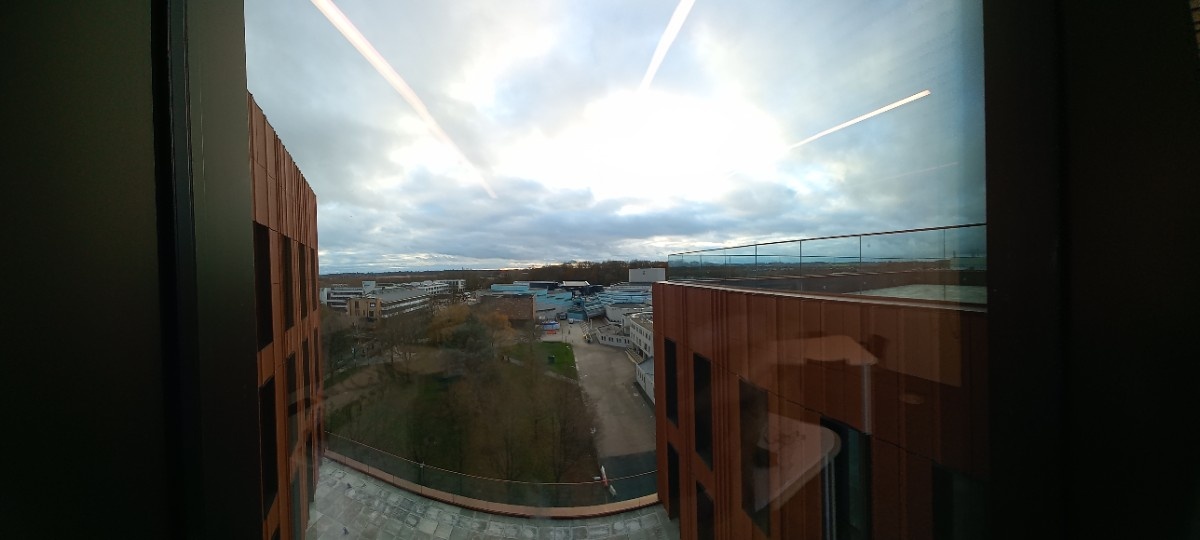
- The college has two main campuses. The main one has the business school, arts, engineering, mathematics, economics, etc. The second one is specifically for medical students and life sciences, a 20 min walk from the main one.
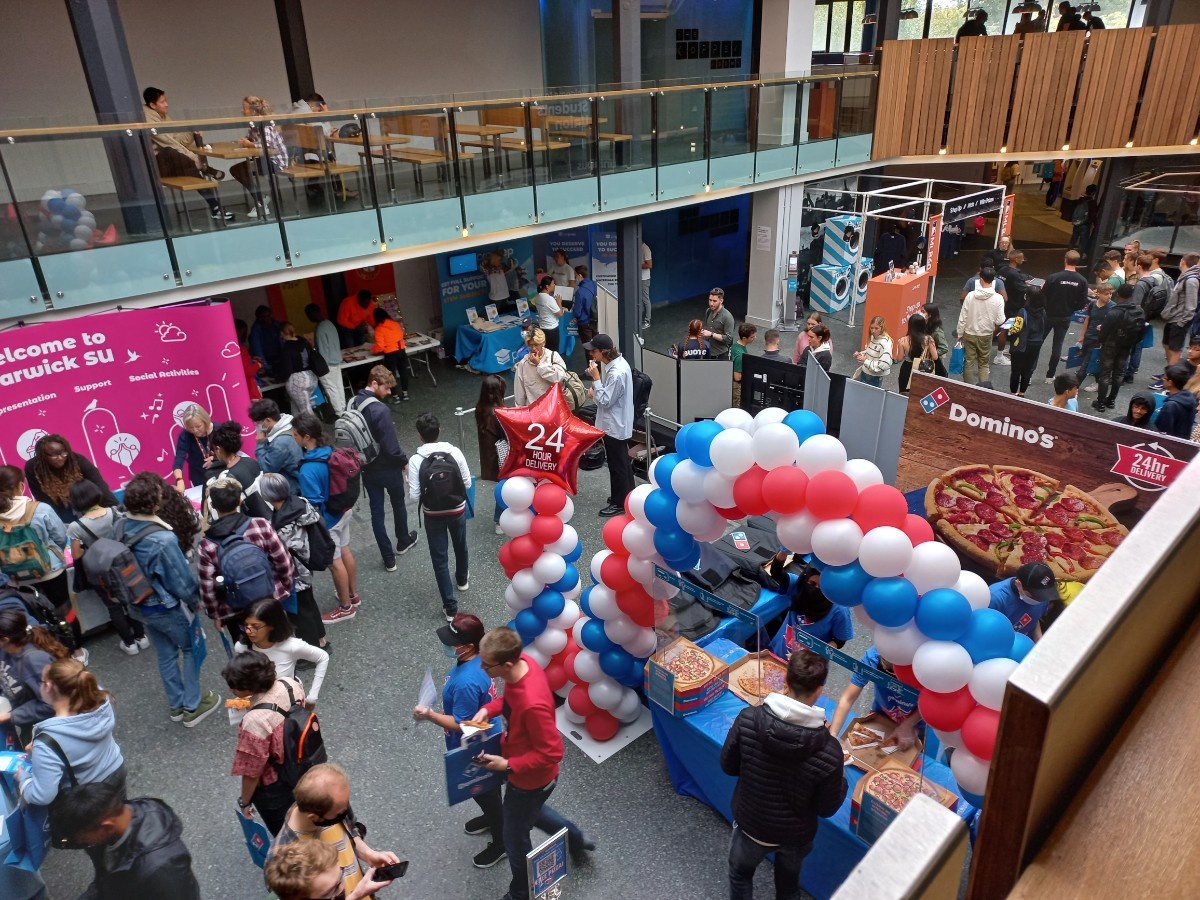
- There is a library, gymnasium, 24-hour helpline and campus safety officers. There are a few bars and eateries around. There is the Warwick Arts Centre, where a lot of performances and exhibitions are held.
- For a fee you can join the sports clubs for sports like badminton, squash, swimming, tennis, etc. of course you can enrol for a gym membership as well.
Part Time Jobs
- TAs are only allotted to PhD students in the math department; there is no limit as such to how many there could be.
- I don't have that information.
- You can work in the student union food bars and cafes. There are opportunities to work as a receptionist in some of the education helpline desks.
- Don't have that information since I have not applied for part-time jobs.
- I did not apply for part-time jobs so don't have much idea about how much they earn on an hourly basis. I had a few friends who did secure part-time employment while studying so definitely it's within reach and possible. 2. I guess one can look up the Warwick website for open positions, reach out to departmental administrative staff, email them, etc.
Placement
6
- Tough ask; the UK had just recovered from Covid lockdown and was/is in a deep economic recession. A lot of the people I know haven't secured any jobs over there. You can apply for a post-study work visa, which gives you the ability to stay in the UK for an additional 2 years. But during a recession firms will cut down on hiring and international expenditure. So the competition is cutthroat for the ones that do provide sponsorship, e.g. the Big Four, Big Tech, hedge funds, etc.
- I am unaware of that since nobody I know has got a job there. My advice: start exploring opportunities in India; there are plenty.
- So there are career fairs, meetups, etc. But to tell the truth, your best chance is in messaging people directly or online job portals.
Accommodation
Off Campus
8
- Warwick has its own campus accommodation, which has its website.
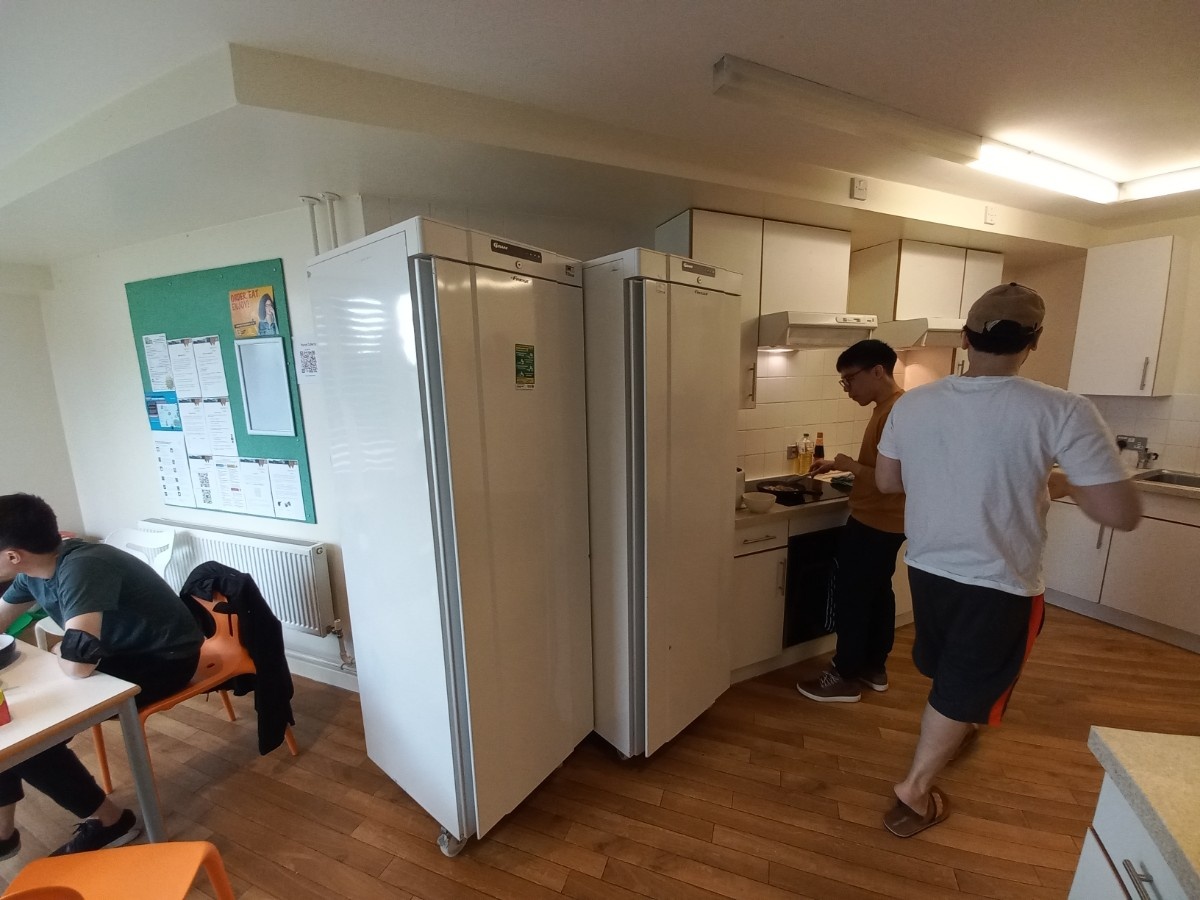
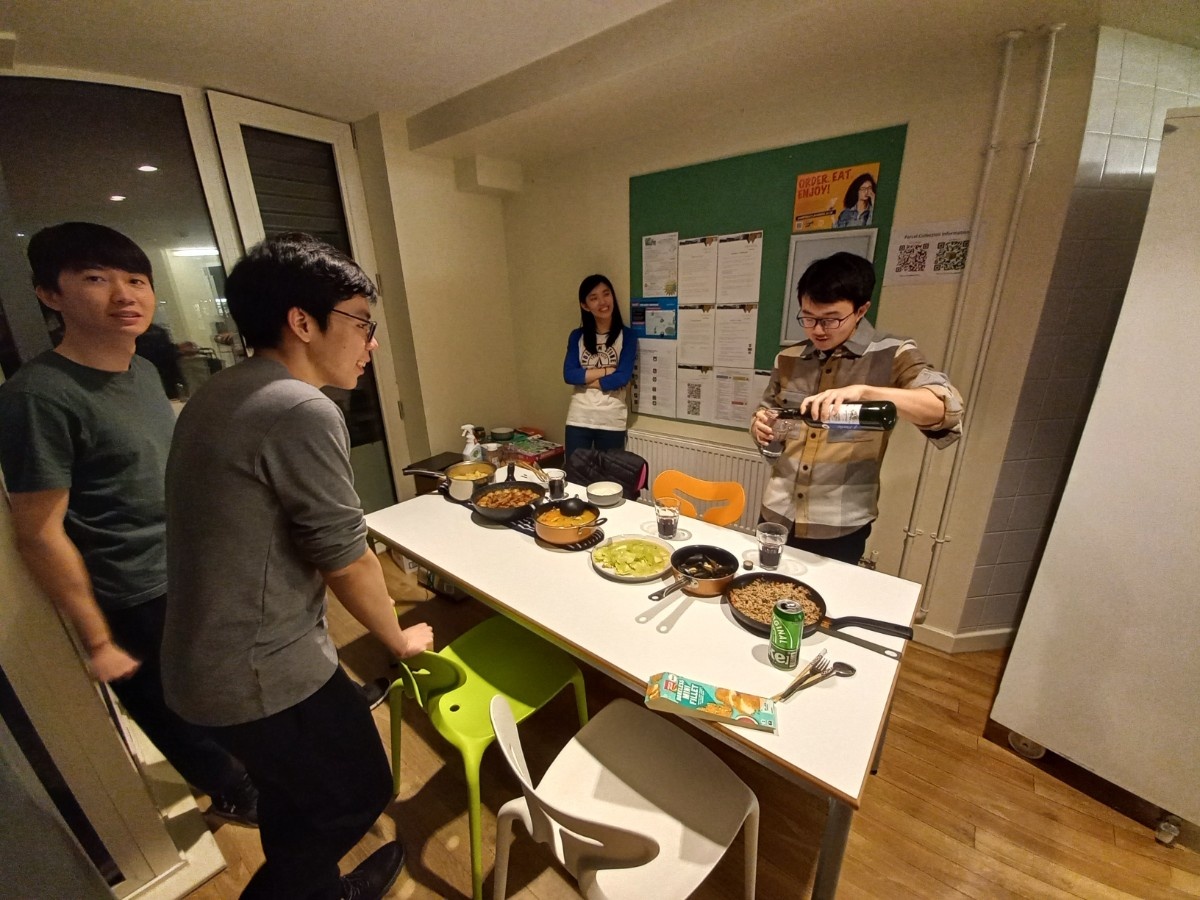
- 14000 GBP per year. A single room with an attached bathroom. A shared kitchen for 8 people. With a microwave, oven, electric cooking stove, and dining table. Cupboards to store food, 2 big refrigerators, garbage bins and some cutlery. The room has a bed (no sheets provided), a study table with an office chair, a cupboard, and a heater. The washroom has a showerheadand basin.
- No challenges as such.
- A lot of planning is required for things to function smoothly and that will be an uphill battle.
- My accommodation was 20 min walking to the campus.
Exams
- In 2021, for most UK universities, you had to prove your English language competency. For an MSc/Master's by research in Mathematics/Computational Mathematics at Warwick, you only need to provide your TOEFL or IELTS scores.
- Statement of Purpose, 2-3 LORs, CV, Bachelors Transcripts earned till the start of the application process.
- No interview was conducted for me.
Fees
- Tuition fees, 2-year MSc Mathematics (2021): 30,000 GBP per year, charged semester-wise; instalments may differ depending on year and course.
- Accommodation fees, Sherborne University accommodation (2021): approx. 14,000 GBP per year, differs a lot depending on where you stay.
- Monthly expenses: anywhere from 150 to 300 GBP, depending on travel, food, events, etc.
Scholarship
- No, I didn't receive any scholarship during my course since there wasn't any available or the scholarships were not applicable for the course I was taking. The University of Manchester did have a few, if I remember correctly.
- It is next to impossible to get a scholarship in STEM nowadays, in my opinion. Nor did any of the people I knew have one.


