

Uber UK: Revolutionising Urban Mobility with Innovation, Trust and Local Impact

In the span of just over a decade, Uber has gone from being a bold startup concept to one of the most recognisable transportation brands in the world. In the United Kingdom — one of its key global markets — Uber has reshaped how people think about urban travel, commerce, driver opportunities, and digital service experiences.
This blog will explore Uber UK through multiple lenses: its history, business model, technological innovations, regulatory journey, socio-economic impact, safety best practices, sustainability efforts, and future outlook.
History of Uber in the UK
Uber’s international expansion began shortly after its 2009 founding in San Francisco. The UK was among the company’s earliest overseas markets — initially launching in London in 2012. The UK’s dense urban networks, high mobile adoption, and existing taxi culture created fertile ground for Uber’s ride-hailing service.
Early Growth
Unlike many markets where traditional taxi systems were inflexible, London and other major UK cities had a strong demand for flexible, app-based alternatives. Uber’s growth in the early 2010s drew interest from millions of riders seeking faster booking, transparent pricing, and easy payment — all through a smartphone app.
From London to Manchester, Birmingham to Edinburgh, Uber quickly became a familiar sight. By the late 2010s, it had expanded into multiple service options including:
- UberX: Everyday rides for standard passengers
- UberXL: Larger vehicles for groups
- Uber Exec: Premium ride option
- Uber Eats: Food delivery platform
This expansion demonstrated Uber’s shift from purely ride-hailing to a broader urban logistics and mobility provider.
The Business Model Explained
At its core, Uber operates a platform-driven marketplace that connects drivers with passengers via a mobile app. Instead of owning vehicles, Uber acts as the digital intermediary that enables transactions, trip matching, fare calculation, payment processing, and support.
Key Components of the Model
A. Platform Economics
Uber’s marketplace model relies on network effects:
- More drivers → Faster pickups → Better service → More riders
- More riders → Higher income opportunities → More drivers
This virtuous cycle fuels adoption.
B. Dynamic Pricing
Uber uses a surge pricing model. During periods of high demand (e.g., rush hours, events, bad weather), prices can increase to balance supply and demand. While controversial, this helps ensure availability when riders need it most.
C. Flexible Work Model for Drivers
Uber drivers are typically independent contractors who choose:
- When they work
- Where they work
- What trips they accept
This flexibility is attractive to many part-time and full-time drivers.
D. Diversification Through Services
Uber Eats is a substantial revenue stream in the UK, connecting restaurants with millions of customers. The app also provides features such as scheduled rides, business travel integration, and rewards programs.
Technology and Innovation at the Core
Uber’s growth hasn’t just been operational — it’s deeply rooted in technology innovation.
Mobile App Platform
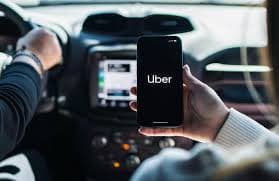
The core of Uber’s service is its app, which includes:
- GPS navigation and real-time tracking
- Digital payments and fare estimates
- User profiles and ratings
- Accessibility options
- In-app support
The technology stack continuously evolves with machine learning and data analytics to optimize ride matching and pricing.
Mapping and Navigation
Uber uses advanced routing algorithms to:
- Reduce pickup times
- Improve ETA accuracy
- Offer smarter driver routing
These systems process millions of data points daily, adapting routes based on real-time traffic.
Safety and Trust Technologies
Uber leverages technology for safety, including:
- Driver and passenger ratings
- Emergency buttons
- Trip sharing features
- Photo verification (in some markets)
These features reduce friction and make users feel more secure.
Uber’s Regulatory and Legal Journey
In the UK, Uber’s presence has not been without friction. It has faced intense regulatory scrutiny, particularly around licensing, worker status, and safety standards.
London’s Transport Licensing
London — the UK’s largest market — has a special regulatory framework managed by Transport for London (TfL). Uber’s London licence has been renewed, challenged, revoked, and reinstated in cycles, driven by debates over:
- Passenger safety
- Driver vetting procedures
- Insurance compliance
At times, TfL has imposed conditions on Uber to improve safety and transparency. This reflects the evolving relationship between innovation and public policy in major cities.
Worker Status Debate
A central issue has been whether Uber drivers should be classified as:
- Independent contractors
or - Workers with employment rights
UK Judicial rulings ruled that many Uber drivers qualify as “workers,” entitling them to:
- Minimum wage protections
- Holiday pay
- Pension contributions
This decision reshaped Uber’s compensation model in the UK and set precedents for gig economy regulation.
Competition and Market Positioning
Uber doesn’t operate in a vacuum. In the UK, competitors include:
Traditional Taxis
Black cabs in London and licensed taxis across UK cities maintain a strong presence due to:
- Established regulatory backing
- Street hail convenience
- Iconic cultural identity
Uber often positions itself as a modern alternative that complements — rather than replaces — traditional services.
Ride-Hailing Rivals
Other digital platforms like:
- Bolt
- Free Now
- Ola (in select cities)
provide competition on price, driver incentives, or service experience.
Delivery Competitors
In food delivery, Uber Eats competes with:
- Deliveroo
- Just Eat
Each service differentiates on restaurant selection, delivery speed, and fees.
Economic Impact on Drivers and Communities
Uber’s influence extends beyond technology — it shapes local labour markets and communities.
Opportunities for Drivers
For many people in the UK, Uber has been a source of:
- Extra income
- Flexible work that fits personal schedules
- Entrepreneurial opportunity without large capital investment
Drivers can choose hours that suit them, making Uber attractive for students, part-time workers, caregivers, and others needing flexibility.
Economic Ripple Effects
Uber riders contribute to:
- Increased mobility for workers
- Expanded access to jobs and social activities
- Higher efficiency in urban transport systems
Studies have shown that on-demand ride services can stimulate economic activity by improving accessibility and reducing travel friction.
Safety, Trust, & Security Measures
Safety is one of the most critical aspects of public perception and user trust.
Passenger Safety Features
Uber UK uses technology-driven safety tools such as:
- Real-time trip tracking
- Driver identity verification
- In-trip SOS button
- Two-way rating systems
These features are designed to create accountability on both sides of the platform.
Background Checks and Vetting
Driver onboarding in the UK includes:
- Driving licence verification
- Criminal record checks
- Vehicle inspection standards
Regulators like TfL impose strict vetting requirements that Uber must meet to operate.
Transparent Fare Policies
Uber’s app shows:
- Estimated fares before booking
- Cashless transactions
- Clear breakdowns of trip costs
This transparency increases user confidence and reduces disputes.
Sustainability & Environmental Strategy
Uber recognises the importance of sustainability and aims to reduce environmental impact.
Electric Vehicles and Green Goals
In the UK, Uber has been encouraging drivers to transition to:
- Electric vehicles (EVs)
- Hybrid cars
By offering incentives for EV adoption, Uber aligns with national climate goals and city plans to reduce emissions.
Ride-Sharing Options
Features like UberPOOL (where available) encourage ride sharing, meaning:
- Lower emissions per passenger
- Reduced traffic congestion
- More efficient use of vehicles
Supporting Urban Policy
Uber participates in dialogues with cities to:
- Optimize traffic flow
- Reduce single-occupancy vehicle trips
- Integrate with public transport systems
This collaboration reflects a broader role for mobility platforms in sustainable urban design.
Public Perception, Brand and Communication
Uber’s brand presence in the UK is a mix of admiration, controversy, and cultural significance.
Mainstream Adoption
For many urban commuters, Uber is:
- A default travel tool
- A reliable alternative when public transport fails
- A convenient service for late-night travel
Controversies and Criticisms
Common public concerns include:
- Pricing surges
- Regulatory challenges
- Worker welfare debates
However, Uber’s communication strategy often focuses on:
- Technology leadership
- User convenience
- Community engagement
Corporate Communication
Uber UK uses multiple channels to engage audiences:
- Localised marketing campaigns
- Social media outreach
- Public policy partnerships
- Community sponsorships
These help shape both brand trust and user loyalty.
Challenges, Controversies & Lessons Learned
Uber UK’s journey has not been without challenges — millions of journeys don’t happen without friction.
Legal and Regulatory Hurdles
As mentioned earlier, Uber’s licensing in London was contested multiple times — reinforcing how disruptive technologies must adapt to public policy environments.
Worker Rights and Compensation
Debates around driver classification pushed Uber to rethink compensation models, benefits, and worker protections — ultimately driving broader gig-economy reforms.
Trust and Safety Issues
Any safety incident, whether local or global, impacts public perception. Uber has had to continuously strengthen safety protocols to address concerns.
Pricing Transparency
Surge pricing drew backlash from users during high-demand periods. Uber responded with clearer communication and adjustment of surge triggers.
Ethics and Corporate Responsibility
Uber’s corporate leadership has faced scrutiny globally, leading to internal reforms in professionalism, ethics and workplace culture.
These trials illustrate that innovation must be paired with responsibility and transparency to maintain brand trust.
The Future of Uber in the UK
What comes next for Uber UK? The future points in several exciting directions:
Integration with Public Transit
Uber has explored partnerships that integrate its service with public transit apps — providing first-mile/last-mile solutions that complement buses, trains, subways and trams.
Autonomous Technology
While self-driving technology is still emerging, Uber has invested in research and partnerships that may one day lead to automated mobility services in the UK.
Sustainability Leadership
Uber aims for:
- Greater EV adoption
- Carbon-neutral initiatives
- Green partnerships
This aligns with national decarbonisation goals and urban climate strategies.
Expanded Logistics
Beyond passengers and food delivery, Uber might expand into:
- Grocery delivery
- Courier and freight solutions
- Multi-modal travel platforms
Uber’s future in the UK spans multiple lines of digital logistics.
Uber UK’s story is one of innovation, complexity, and transformation. From its early days as a ride-hailing upstart to its current role as a mobility and logistics powerhouse, the brand has reshaped how the UK moves.
Through technology, user-centric service design, policy engagement and continuous improvement, Uber has proven that big ideas can scale responsibly — albeit with growing pains and learning curves.
But beyond disruption, what matters most is how Uber continues to serve passengers, support drivers, build trust, and contribute to sustainable urban futures.
Whether you’re a commuter, driver, policymaker, or technology enthusiast, Uber’s journey offers rich lessons about digital platforms, urban life, public policy, and innovation.


.png?h=153&w=306&mode=stretch)



.jpeg?h=153&w=306&mode=stretch)
.jpeg?h=153&w=306&mode=stretch)


.jpeg?h=150&w=306&mode=stretch)
.png?h=150&w=306&mode=stretch)
SUBSCRIBE TO OUR NEWS LETTER


