

The Uber Eats Effect: How It’s Transforming Urban Food Culture in 2025

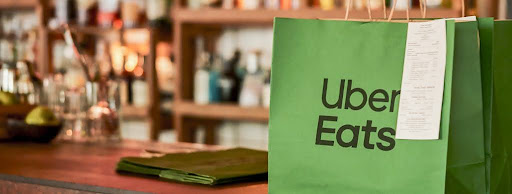
In 2025, how we eat has undergone a fundamental shift. Traditional dining has given way to flexible, app-driven eating experiences where your next meal is just a few taps away. At the forefront of this transformation is Uber Eats – a platform that started as a simple food delivery app and evolved into a digital food culture icon. From shaping urban lifestyles to influencing the restaurant industry, Uber Eats has become integral to modern living.
This blog takes an in-depth look at the Uber Eats phenomenon. We’ll explore how it operates, the people it serves, the challenges it faces, and the innovations that keep it ahead in a competitive industry. With short paragraphs, informative bullet points, and clear professional formatting, let’s explore the story of Uber Eats in 2025.
Redefining Convenience in the Modern Era
The definition of convenience has changed dramatically. No longer limited to fast food or takeout, convenience now means high-quality meals from your favorite restaurant, delivered fast and fresh to your door.
What Convenience Means Today:
- Ordering from home, office, gym, or while commuting
- Access to a wide range of cuisines and dining styles
- Minimal prep, cleanup, or scheduling required
- Meals available around the clock in major cities
- Customizable deliveries with dietary filters and preferences
Uber Eats has positioned itself as more than a meal delivery service – it’s an on-demand lifestyle enabler.
The Operational Ecosystem: How Uber Eats Works
Behind the scenes, Uber Eats relies on a complex logistical system that ensures orders are placed, prepared, and delivered with efficiency. Though it seems simple from the user’s perspective, the platform depends on synchronized coordination between multiple entities.
Process Overview:
- User browses and selects items from a listed restaurant.
- Restaurant receives and confirms the order.
- A nearby delivery partner is notified and accepts the assignment.
- The meal is prepared while the delivery partner heads to the restaurant.
- The order is picked up and delivered to the user in real-time.
- Ratings and tips are exchanged, and feedback is provided for quality assurance.
This seamless integration of human effort and technology is what powers Uber Eats.
The User Base: A Diverse Spectrum of Eaters
Uber Eats serves a vast demographic. Whether it’s a student ordering late-night pizza or a working parent organizing dinner for the family, the platform caters to virtually every lifestyle.
Primary User Groups Include:
- Young professionals balancing work and wellness
- Remote workers looking for variety during workdays
- Families needing quick dinner solutions
- Students on tight budgets and time constraints
- Health-conscious individuals seeking specialized meals
- Foodies exploring gourmet or ethnic options
The diversity of Uber Eats user base has influenced the expansion of its features, menu offerings, and delivery strategies.

A Global Force: Uber Eats by the Numbers in 2025
Uber Eats has grown significantly in scale, becoming a global name in food delivery. The platform’s numbers reflect the reach and demand it commands today.
| Metric | 2025 Value |
|---|---|
| Countries served | 45+ |
| Cities covered | Over 10,000 |
| Partnered restaurants | 900,000+ |
| Active delivery partners | 1.6 million+ |
| Daily orders | 5 million+ |
| Monthly active users | 120 million+ |
| Average delivery time | 32 minutes |
| Global food delivery share | ~29% |
Uber Eats is no longer just a tool; it’s a marketplace that supports entire food economies.
Helping Restaurants Thrive
One of Uber Eats’ most significant impacts is on the restaurant industry. For many small businesses, joining Uber Eats has been key to survival and growth, especially in urban centers.
Benefits to Restaurants:
- Increased exposure through app placement and user discovery
- Enhanced data access for tracking customer behavior
- New revenue streams beyond in-house dining
- Marketing tools including promotions, discounts, and sponsored listings
- Access to logistics without owning delivery infrastructure
Uber Eats acts as a digital partner for restaurants, providing tools to compete with larger chains.
Delivery Partners: The Backbone of the System
Drivers and riders are the unsung heroes of the Uber Eats network. They provide the physical service that completes the digital order cycle.
Why Individuals Choose to Deliver:
- Flexible schedules that fit various lifestyles
- Weekly payouts and instant earning options
- Use of bicycles, scooters, or cars based on city
- Transparent metrics to monitor earnings and performance
- Safety protocols and in-app navigation assistance
As Uber Eats expands, so does its effort to improve partner support and working conditions.
Features That Define the Experience
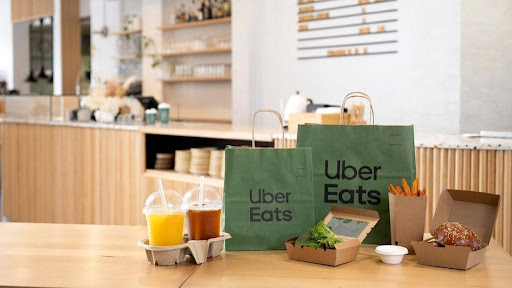
What sets Uber Eats apart isn’t just its scale but also its user-friendly features that enhance the ordering process.
Key Uber Eats Features:
- Personalized suggestions based on taste, time, and location
- Scheduled orders for planned meals or events
- Group ordering for friends, families, or teams
- Multiple payment options including wallets and subscriptions
- Real-time tracking from kitchen to doorstep
These functionalities are constantly evolving based on user feedback and data analytics.
Popular Food Trends on Uber Eats in 2025
Consumer food preferences are more dynamic than ever. Uber Eats monitors global patterns and adapts its offerings accordingly.
Notable 2025 Trends:
- Vegan and plant-forward menus
- Local farm-to-table options
- World fusion foods with regional twists
- Health-focused meals (keto, paleo, gluten-free)
- Family-style bundles for group dining
- Drinks and mixology kits from top-rated bars
These trends help restaurants stay competitive and offer users fresh dining experiences.
Expanding Into New Delivery Categories
Uber Eats has broadened its scope beyond meals. It’s now a multi-category delivery service offering various essentials.
Additional Categories Include:
- Groceries from local and national retailers
- Household essentials like toiletries and cleaning supplies
- Alcohol delivery in jurisdictions that allow it
- Pharmacy products including over-the-counter medications
- Pet supplies and accessories
This diversification makes Uber Eats a one-stop delivery app for modern living.
Uber for Business: Catering to Corporate Clients
Companies also benefit from Uber Eats, using it to offer meal perks to employees and streamline event planning.
Business Use Cases:
- Daily meal allowances for remote teams
- Catering for meetings and workshops
- Client lunches and hospitality gifts
- Custom billing and budget controls
Uber for Business makes employee wellness and hospitality more efficient.
Uber One: The Membership Advantage
Frequent users benefit from Uber One, a premium subscription model that offers exclusive perks.
What Uber One Includes:
- Free delivery on eligible orders
- Exclusive offers and deals
- Discounts on Uber rides
- Priority customer support
This loyalty strategy boosts retention and creates long-term platform users.
Commitment to Sustainability
As demand grows, so does Uber Eats responsibility to reduce its environmental footprint. It has initiated sustainability goals that are influencing partner practices and customer behavior.
Current Sustainability Initiatives:
- Encouraging use of compostable packaging
- Option to decline cutlery and napkins by default
- Partnering with eco-friendly restaurants
- Promoting electric and low-emission delivery methods
- Supporting zero-waste delivery models
These initiatives aim to align the brand with modern sustainability expectations.
Prioritizing Customer Service
Customer satisfaction is key to platform growth. Uber Eats ensures reliable support through:
Support Mechanisms:
- Live chat and email helpdesk
- Refunds for missing or incorrect orders
- Realtime tracking and ETA updates
- User ratings and review systems
- Transparent driver tipping and rating tools
Uber Eats has also made significant improvements in resolving disputes faster.
Competitive Landscape and Challenges
Uber Eats operates in a crowded space with growing competition from apps like DoorDash, Grubhub, Zomato, and Deliveroo.
Key Challenges:
- Balancing affordability with profitability
- Maintaining delivery partner satisfaction
- Adapting to regional regulations and compliance
- Retaining restaurant loyalty amid rising commission concerns
- Innovating faster than local upstarts and rivals
To stay ahead, Uber Eats invests heavily in tech, analytics, and user experience.
Looking Ahead: The Future of Uber Eats
The future of Uber Eats lies in automation, personalization, and expansion.
Innovations to Watch:
- Drone and autonomous vehicle deliveries
- AI-driven meal customization
- Smart home and voice assistant integrations
- Regional fulfillment hubs for faster delivery
- Partnerships with health and wellness apps
With a clear focus on convenience, Uber Eats will likely become an indispensable household utility.

Final Thoughts
In 2025, Uber Eats is far more than a food delivery service. It’s a transformative force in urban culture, reshaping how people eat, live, and connect with their favorite local businesses. From its user-centric features to its behind-the-scenes logistics and growing global presence, Uber Eats is influencing food systems and lifestyles alike.
Whether you’re a customer, a restaurant, or a delivery partner, Uber Eats is an ecosystem of opportunity – one that continues to expand, evolve, and enhance how the world eats.




.png?h=153&w=306&mode=stretch)



.png?h=153&w=306&mode=stretch)




SUBSCRIBE TO OUR NEWS LETTER


