





Nanyang Technological University admissions run through NTU’s own online portals for Indian students. UG entry needs Class XII around 85 percent or higher, while PG entry needs a Bachelor’s degree with 60 percent (or CGPA 3.0 on 5) plus IELTS 6.5.
- August 2027 primary intake: UG closes 19 March 2027, PG coursework closes 31 January 2027.
- Base tuition: SGD 17,550 (INR 13.16 Lakhs) with MOE Grant, application fee SGD 25 (INR 1,874).
- Eligibility floor: UG needs Class XII 85 percent, PG needs Bachelor’s 60 percent plus IELTS 6.5.
- Acceptance rate: estimated 25 to 35 percent for Indian applicants across popular programs.
Popular Indian-student picks include MSc Analytics, MSc Financial Engineering, and the 12-month Nanyang MBA. Student sentiment favours NTU’s Jurong West campus, close industry ties, and MOE grant-linked affordability. For institution-wide context, see the Nanyang Technological University overview.
Table of Contents
- Nanyang Technological University Application Deadlines
- NTU Eligibility for Indian Students
- NTU PG Programs and English Scores
- Nanyang Technological University UG Programs
- NTU Nanyang MBA Admissions
- NTU PhD Admissions
- Nanyang Technological University Application Process
- NTU Documents Required
- NTU Acceptance Rate for Indian Students
- Singapore Student Pass Visa Process
- Tips and Checklist for Nanyang Technological University
- Nanyang Technological University Admissions FAQs
Nanyang Technological University Application Deadlines for Indian Students
NTU runs a single primary academic intake in August (Semester 1), when every UG program and most PG coursework programs open. The January intake is limited to select PhD and research tracks. Dates below are drawn from the NTU international qualifications page for UG and school-specific PG portals.
NTU’s primary intake for Indian students is August 2027, when most programs open.
| Intake | Level | App Opens | Deadline | App Fee | Portal |
|---|---|---|---|---|---|
| Primary intake August 2027 | UG (all programs) | 15 October 2026 | 19 March 2027 | SGD 25 (INR 1,874) | NTU Online Application |
| August 2027 | PG Coursework (MSc / MEng) | 1 November 2026 | 31 January 2027 | SGD 50 (INR 3,748) | NTU Admissions Portal |
| August 2027 | PhD and MSc by Research | 15 September 2026 | 31 January 2027 | SGD 50 (INR 3,748) | NTU Admissions Portal |
| August 2027 | Nanyang MBA Round 2 | Ongoing | 30 November 2026 | SGD 50 (INR 3,748) | NBS MBA Portal |
| August 2027 | Nanyang MBA Round 3 | Ongoing | 31 January 2027 | SGD 50 (INR 3,748) | NBS MBA Portal |
| August 2027 | Nanyang MBA Round 4 | Ongoing | 31 March 2027 | SGD 50 (INR 3,748) | NBS MBA Portal |
| January 2028 | PhD / Research (select) | 1 May 2027 | 31 July 2027 | SGD 50 (INR 3,748) | NTU Admissions Portal |
Insider note: NTU concentrates almost every intake in August, so missing this window pushes most Indian applicants by a full year. Plan document collection to close 6 to 8 weeks before the deadline.
Nanyang Technological University Eligibility Criteria for Indian Students
NTU sets separate academic floors for UG and PG applicants and expects strong English proficiency. UG entry from Indian Class XII qualifications is competitive because most seats go to CBSE, ICSE, and state-board candidates with high scoring subjects in the science or commerce stream.
- UG general entry: Class XII (CBSE / ICSE / state board) at 85 percent or higher in relevant subjects.
- UG engineering / science: Mathematics and Physics studied through Class XII with subject scores 85 percent plus.
- PG coursework floor: Bachelor’s degree with a good honours or 60 percent (CGPA 3.0 on 5).
- PhD entry: Master’s with research aptitude, or exceptional Bachelor’s with first-class honours.
- English test floors: UG IELTS 6.0 (TOEFL iBT 90), PG IELTS 6.5 (TOEFL iBT 100).
- Accepted tests: IELTS, TOEFL iBT, SAT EBRW (600 plus), C1 Advanced (180 plus), PTE 58 plus.
Planning note: The MOE Tuition Grant cuts fees by around 55 percent but locks Indian graduates into a 3-year Singapore work bond. Decide before you apply whether that trade-off fits your career plan.
Nanyang Technological University IELTS Waiver for Indian Applicants
NTU waives the IELTS or TOEFL requirement in three situations. Indian applicants from English-medium schools where prior education was fully taught and examined in English can request a medium of instruction (MOI) waiver, backed by a formal MOI letter from the school. UG applicants with SAT EBRW 600 plus or ACT English 24 plus are exempt from a separate English test. IB Diploma holders with English A or B (HL / SL) also qualify without an extra test. The Nanyang Business School, Wee Kim Wee School of Communication, and School of Humanities do not accept MOI waivers and require an English test.
Nanyang Technological University PG Programs and English Scores
NTU offers over 60 PG coursework programs across engineering, business, communication, and science. Full-time durations run from 12 to 18 months, and most programs open only for the August intake. Base tuition for a coursework MSc without the MOE Grant sits around SGD 43,000 to SGD 55,000 for the full program. For a program-by-program tuition breakdown, see the full course catalogue on Collegedunia.
| Programme | Duration | Minimum Eligibility | English Req. Min. |
|---|---|---|---|
| MSc Analytics | 1 year | Bachelor’s with 60 percent in engineering, computing, or quantitative discipline | IELTS 6.5 |
| MSc Financial Engineering | 1 year | Bachelor’s in engineering, mathematics, physics, or computer science, 65 percent plus | IELTS 6.5 |
| MSc Computer Science (Artificial Intelligence) | 1 year | Bachelor’s in computer science or related with 60 percent | IELTS 6.5 |
| MSc Communications Engineering | 1 year | Bachelor’s in EEE, communications, or related engineering, 60 percent | IELTS 6.5 |
| MSc Data Science | 1 year | Bachelor’s in a quantitative field with 60 percent | IELTS 6.5 |
| MSc Signal Processing and Machine Learning | 1 year | Bachelor’s in EEE, computer engineering, or related, 60 percent | IELTS 6.5 |
| MSc Management | 1 year | Bachelor’s in any discipline with 60 percent, no work experience needed | IELTS 6.5 (TOEFL 100) |
| MSc Marketing and Consumer Insights | 1 year | Bachelor’s in any discipline with 60 percent | IELTS 6.5 (TOEFL 100) |
| MEng Semiconductor Technology and Design | 1 year | Bachelor’s in EEE, materials, or physics with 60 percent | IELTS 6.5 |
| MSc Environmental Engineering | 1 year | Bachelor’s in civil, chemical, or environmental engineering, 60 percent | IELTS 6.5 |
Note: Program-specific entry requirements, fees, and intake availability may differ from the institution-wide minimums shown above. Always confirm on the official NTU graduate admissions page for your chosen program before applying.
Nanyang Technological University UG Programs and Eligibility
NTU’s UG portfolio spans engineering, business, science, humanities, and dual-degree tracks. Full-time engineering runs 4 years, BBA 3 to 4 years depending on honours, and BSc programs typically 3 years. Base UG tuition without the MOE Grant is SGD 34,150 (INR 25.60 Lakhs) per year for engineering, dropping to SGD 17,550 (INR 13.16 Lakhs) with the grant.
| Programme | Duration | Minimum Eligibility | English Req. Min. |
|---|---|---|---|
| BEng Computer Science | 4 years | Class XII with Mathematics 85 percent, Physics recommended | IELTS 6.0 (TOEFL 90) |
| BEng Electrical and Electronic Engineering | 4 years | Class XII with Mathematics and Physics at 85 percent | IELTS 6.0 (TOEFL 90) |
| BBA Business (Honours) | 4 years | Class XII from any stream with 88 percent, Mathematics preferred | IELTS 6.5 (TOEFL 100) |
| BSc Data Science and Artificial Intelligence | 4 years | Class XII with Mathematics 90 percent, Physics recommended | IELTS 6.0 (TOEFL 90) |
| BEng Mechanical Engineering | 4 years | Class XII with Mathematics and Physics at 85 percent | IELTS 6.0 (TOEFL 90) |
| BSc Biological Sciences | 3 to 4 years | Class XII with Biology and Chemistry at 85 percent | IELTS 6.0 (TOEFL 90) |
Nanyang Technological University Nanyang MBA Admissions
The Nanyang MBA is a full-time 12-month program at Nanyang Business School with an August start. Total program tuition is around SGD 78,000 (INR 58.47 Lakhs) for international students. Indian candidates form one of the largest cohort segments each year. For funding pathways, review the funding options for Indian students.
Nanyang MBA Rounds at Nanyang Technological University
NBS uses four admission rounds. Round 1 closed on 30 September 2026. The next actionable rounds are listed below.
| Round | Deadline | Decision | App Fee |
|---|---|---|---|
| Round 2 | 30 November 2026 | Mid-January 2027 | SGD 50 (INR 3,748) |
| Round 3 | 31 January 2027 | Mid-March 2027 | SGD 50 (INR 3,748) |
| Round 4 | 31 March 2027 | Mid-May 2027 | SGD 50 (INR 3,748) |
Nanyang Technological University MBA GMAT and Work Experience Floor
The Nanyang MBA requires GMAT 600 or higher (average admit around 670) or GRE equivalent. Minimum full-time post-graduation work experience is 2 years, though the median admit carries 5 to 6 years. A shortlisting interview follows initial screening. Interviews are conducted by an admissions committee member and can be virtual for India-based candidates. Interview invites usually go out 2 to 4 weeks after round close, and final decisions land within 6 to 8 weeks of applying.
Reality check: Round 2 is the sweet spot for Indian applicants. Round 4 sees higher rejection because many seats are already filled and international bandwidth is thin.
Nanyang Technological University PhD Admissions
NTU’s PhD program is fully funded for admitted international candidates through two competing schemes. Both intakes (August and January) accept PhD applications, and the College of Engineering, College of Science, and NBS are the most active hosts of Indian PhD scholars.
Nanyang Technological University PhD Application Windows
The two PhD application cycles map to the two intakes. For the August 2027 intake, the deadline is 31 January 2027. For the January 2028 intake, the deadline is 31 July 2027. Some schools (like NBS) accept a single annual cycle only.
Nanyang Technological University PhD Funding and Stipend
The Nanyang President’s Graduate Scholarship (NPGS) covers full tuition plus a monthly stipend of SGD 4,300 (INR 3.22 Lakhs) for international PhD scholars, up to 4 years. The NTU Research Scholarship pays SGD 2,900 to SGD 3,000 (INR 2.17 Lakhs to INR 2.25 Lakhs) per month. NPGS deadlines fall on 31 December (Round 1) and 31 May (Round 2). NTU’s ranking position as a top-15 QS World university keeps its PhD funding pool competitive.
2026 update: NTU has expanded NPGS slots for AI, semiconductor, and sustainability tracks starting the August 2027 intake, so applicants in these areas face slightly better odds.
Nanyang Technological University Application Process
Every application goes through NTU’s own online portals. There is no central platform (no UCAS, no Common App). Indian applicants apply directly and pay the fee on the portal at submission.
- Create an account on the NTU Online Application (apply.ntu.edu.sg) for UG, or the NTU Admissions Portal for PG.
- Fill personal, academic, and English test details in the online form.
- Upload documents: transcripts, Class XII or Bachelor’s certificate, passport, English test score, and program-specific materials.
- Pay the application fee of SGD 25 (INR 1,874) for UG or SGD 50 (INR 3,748) for PG on the NTU portal at submission.
- Submit and track your application status through the same portal.
- Attend an interview if shortlisted (mandatory for MBA, select MSc programs, and select scholarships).
Nanyang Technological University Admission Decision Timeline
UG decisions release from mid-May 2027 onwards for the August 2027 intake. PG coursework decisions go out on a rolling basis from mid-March to mid-May 2027. Accepted candidates typically receive 2 to 3 weeks to confirm and pay the acceptance deposit. Deferral is offered case-by-case, usually only for medical or military reasons. Conditional offers are common where Bachelor’s transcripts are pending.
Nanyang Technological University Documents Required for Indian Students
Indian applicants upload scanned copies through the portal at submission. Certified physical copies are not needed unless requested after an offer. Prepare the checklist below at least 6 weeks before the deadline.
- Passport bio-page: valid for at least 6 months beyond intended entry.
- Class XII marksheet and passing certificate (UG) or Bachelor’s transcripts and provisional / degree certificate (PG).
- English test score report: IELTS, TOEFL iBT, PTE, SAT, or an MOI letter.
- Statement of Purpose (SOP): program-specific, typically 500 to 1,000 words.
- Curriculum Vitae: reverse-chronological with education, work, and academic projects.
- Two Letters of Recommendation: from professors or supervisors, submitted online.
- GMAT or GRE scorecard: mandatory for Nanyang MBA and select MSc programs.
- Work experience letters: only for MBA and executive programs.
- Passport-size photograph: recent, plain background, digital upload.
- Financial declaration: only after acceptance, for the Student’s Pass application.
Nanyang Technological University Acceptance Rate for Indian Students
NTU does not publish an official institutional acceptance rate. Based on competitive-intake program patterns and reported cohort data, the acceptance rate for Indian applicants is estimated at 25 to 35 percent overall, with variation by school. For deeper cohort statistics, see NTU’s detailed acceptance breakdown.
Nanyang Technological University Acceptance by Program Level
UG programs are the toughest gateway for Indian applicants because seats compete with strong Singaporean and ASEAN pools. Acceptance for UG engineering and business sits at around 20 to 28 percent. PG coursework admits are broader at 30 to 40 percent, since supply is larger. PhD admissions are the most competitive, with acceptance under 15 percent for NPGS-funded slots.
Nanyang Technological University Indian Applicant Profile
The successful Indian UG applicant typically carries Class XII scores of 90 percent plus in core subjects and either SAT 1450 plus or a 6.5 IELTS. Successful PG applicants show a 70 percent plus Bachelor’s from a strong Indian institution, GMAT / GRE where required, and often 1 to 2 years of quantitative work or research exposure.
Insider note: A well-argued SOP that ties your track record to a specific NTU research lab, professor, or industry partner lifts your odds more than another decimal of GPA.
Singapore Student Pass Visa Process for Nanyang Technological University
Every admitted Indian student needs a Singapore Student’s Pass, issued by the Immigration and Checkpoints Authority (ICA). NTU applies for the pass on your behalf through the SOLAR (Student’s Pass Online Application and Registration) system after you accept the offer. Applications open no earlier than 2 months and no later than 1 month before the program start date.
You upload your passport, offer letter, and financial declaration to SOLAR. After ICA issues an In-Principle Approval (IPA) letter (usually within 2 to 4 weeks), you can enter Singapore. You then complete post-arrival formalities at ICA within 2 weeks, where you receive the physical Student’s Pass. Financial proof of around SGD 10,000 to SGD 15,000 (INR 7.50 Lakhs to INR 11.24 Lakhs) for the first year is required.
2026 update: ICA now runs the Student’s Pass appointment booking fully online. Indian students should book their post-arrival ICA visit within 3 days of landing in Singapore to avoid delays.
Tips and Application Checklist for Nanyang Technological University
The following tips and steps are drawn from Indian-applicant patterns at NTU. Combined, they cover strategic advice and a timeline-anchored action list to finish your application without rush.
- Start 8 weeks before deadline: request transcripts, MOI letters, and recommender confirmations early.
- Book IELTS or TOEFL 12 weeks out: allows a retake buffer if scores fall short.
- Tie SOP to a specific NTU lab or professor: generic SOPs draw silent rejections.
- Decide on MOE Grant early: the 3-year Singapore work bond changes your post-study plan meaningfully.
- Apply to Nanyang MBA in Round 2: Round 4 sees thinner international seats.
- Prepare financial proof by December: the Student’s Pass application blocks otherwise.
- Track scholarship deadlines separately: NPGS closes 31 December and 31 May, tied to admission.
- Check portal weekly after submission: NTU sends interview and decision alerts through the portal only.
- Line up housing early: on-campus halls fill 6 weeks after decisions release.
Nanyang Technological University suits Indian students who target a top-15 global university, want a 12 to 18 month PG path, and can commit to the August cycle. Plan 8 weeks ahead of the 19 March 2027 UG deadline or the 31 January 2027 PG deadline, and secure your English test and MOI letter first.
Nanyang Technological University Admissions: Frequently Asked Questions
Ques. What is the acceptance rate for Indian students at Nanyang Technological University?
Ans. NTU does not publish an official institutional acceptance rate. Estimates for Indian applicants sit at 25 to 35 percent, with UG programs around 20 to 28 percent and PhD funded slots under 15 percent.
Ques. When does the August 2027 intake close for Indian students?
Ans. UG international applications close on 19 March 2027. PG coursework closes on 31 January 2027. PhD applications for August 2027 close on 31 January 2027. Nanyang MBA rounds run through 31 March 2027.
Ques. Do Indian students need SAT and IELTS to apply for UG at NTU?
Ans. SAT is not mandatory for Class XII applicants but strengthens the profile. IELTS 6.0 or TOEFL iBT 90 is required, unless you qualify for a medium of instruction (MOI) waiver or have SAT EBRW 600 plus.
Ques. Is the MOE Tuition Grant automatic or a separate application?
Ans. The MOE Grant is offered at the admission stage. You accept it by signing a 3-year Singapore work bond after graduation. Declining the grant means paying the full unsubsidised tuition.
Ques. How much is the NTU application fee for Indian applicants?
Ans. UG applications carry a SGD 25 (INR 1,874) fee. PG coursework, research, and MBA applications carry a SGD 50 (INR 3,748) fee. Both are paid on the NTU online portal at submission and are non-refundable.
Ques. Can I apply to more than one program at NTU?
Ans. Yes. UG applicants can list multiple programs on a single application. PG applicants submit separate applications with separate fees for each program, up to the school-specific cap.
Ques. When will NTU release admission decisions?
Ans. UG decisions release from mid-May 2027 for August 2027 intake. PG coursework decisions release on a rolling basis from mid-March to mid-May 2027. MBA decisions go out 6 to 8 weeks after round close.
Ques. Does NTU require GRE or GMAT for MSc admissions?
Ans. GRE or GMAT is mandatory for MSc Financial Engineering, MSc Analytics (recommended), and Nanyang Business School coursework programs. Most engineering MSc programs at NTU do not require GRE.
Ques. What is the interview policy for the Nanyang MBA?
Ans. Shortlisted candidates are interviewed by an admissions committee member. Interviews can be virtual for India-based applicants and last 45 to 60 minutes. Invitations arrive 2 to 4 weeks after round close.
Ques. Which programs are available in the January intake at NTU?
Ans. Only select PhD and MSc by Research programs open for the January intake. UG programs, PG coursework MSc, MEng, and the Nanyang MBA are August-intake only. Confirm January availability with the specific school.
Ques. Can I get an IELTS waiver if my Indian school was English-medium?
Ans. Yes, most programs accept a medium of instruction (MOI) letter from an English-medium Indian school. The Nanyang Business School, Wee Kim Wee School of Communication, and School of Humanities do not accept MOI waivers.
Ques. How do I apply for the Singapore Student’s Pass?
Ans. NTU applies on your behalf via ICA’s SOLAR system after you accept the offer. You submit passport, offer letter, and financial proof of SGD 10,000 to SGD 15,000 (INR 7.50 Lakhs to INR 11.24 Lakhs) online, then collect the physical pass at ICA on arrival.
College Student Profiles

Nanyang Technological University sPELbk
| 8MIU1T | 7N6V25 | /mfICu | 3hZkL+ | vvWrCI | oM0Bz2 |
|---|---|---|---|---|---|
MS Artificial Intelligence 2 years | Application Deadline for August 2027 Intake (31st Mar 2027) | INR 47.6 L/Yr SGD 63,220 /Yr | 50 | Bachelor’s degree , IELTS: 6.5, TOEFL: 5 | - |
MS Financial Engineering 1 year | Round 1 Application Deadline for 2027 Intake (30th Nov 2026) Round 2 Application Deadline for 2027 Intake (31st Jan 2027) Round 3 Application Deadline for 2027 Intake (31st Mar 2027) | INR 52.5 L/Yr SGD 69,760 /Yr | 100 | Bachelor’s degree , IELTS: 6.5, TOEFL: 5 | |
MS Business Analytics 1 year | Round 1 Application Deadline for 2027 Intake (30th Nov 2026) Round 2 Application Deadline for 2027 Intake (31st Jan 2027) Round 3 Application Deadline for 2027 Intake (31st Mar 2027) | INR 54.1 L/Yr SGD 71,940 /Yr | 100 | Bachelor’s degree , IELTS: 6.5, TOEFL: 5 | - |
Application Deadline for August 2027 Intake (28th Feb 2027) | INR 41.5 L/Yr SGD 55,099 /Yr | 50 | Bachelor’s degree , IELTS: 6, TOEFL: 4.5 | - | |
MS Electronics 1 year | Application Deadline for August 2027 Intake (31st Jan 2027) | INR 44 L/Yr SGD 58,403 /Yr | 50 | Bachelor’s degree , IELTS: 6, TOEFL: 4.5 | |
Application Deadline for August 2027 Intake (31st Mar 2027) Application Deadline for November 2027 Intake (31st May 2027) | INR 49.2 L/Yr SGD 65,400 /Yr | 50 | Bachelor’s degree , IELTS: 6, TOEFL: 4.5 | - | |
MS Project Management 1 year | Application Deadline for August 2027 Intake (28th Feb 2027) | INR 40.3 L/Yr SGD 53,562 /Yr | 50 | Bachelor’s degree , IELTS: 6, TOEFL: 4.5 | |
MBBS 5 years | Application Deadline for 2027 Intake (19th Mar 2027) | INR 68.7 L/Yr SGD 91,250 /Yr | 25 | Class XII: 90%, IELTS: 6, TOEFL: 4.5 | - |
MBA 1 year | Round 1 Application Deadline for 2027 Intake (1st Nov 2026) Round 2 Application Deadline for 2027 Intake (31st Jan 2027) Round 3 Application Deadline for 2027 Intake (31st Mar 2027) | INR 61.7 L/Yr SGD 82,000 /Yr | 100 | Bachelor’s degree , IELTS: 6.5, TOEFL: 5 | - |
Application Deadline for August 2027 Intake (31st Mar 2027) | INR 17.2 L/Yr SGD 22,850 /Yr | 50 | TOEFL: 100 | IELTS: 6.5 |
Do you think the Dates are wrong ? Report Here
Important Alerts
| Events | Dates |
|---|---|
| Master of Business Administration [MBA] Round 1 Application Deadline for 2027 Intake | Closing in 23 days |
| Double Master of Business Administration Round 1 Application Deadline for 2027 Intake | Closing in 23 days |
cvagGg
8 GNzKnl
Likes
- You would find a ton of diversity in NTU, students from all around the globe which is not that common in other Singaporean Universities.
- Clubs and Societies exist for every interest possible.
- Professors, though only a handful, put high emphasis on practical learning.
Dislikes
- Racism still exists within clubs and societies and is also a problem in a few modules.
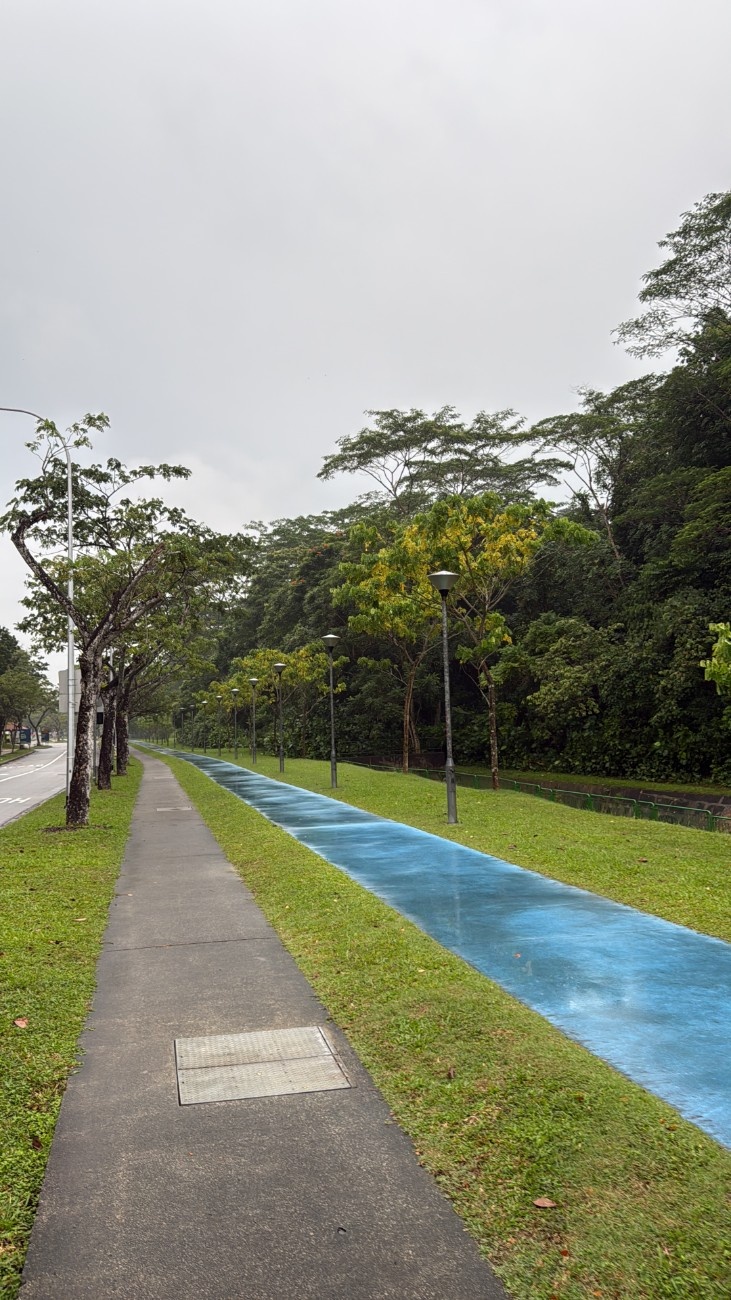
- The university location is near the border, making visits to city centre very difficult.
- Everyone's mindset here is highly job oriented and not business related.
Scholarship
- Yes, for Indians, the best approach is to apply for a scholarship at the same time of application. Getting a scholarship later is not possible, as most opportunities only exist for Singaporean citizens. The amount is completely dependent on the school.
- Additionally, you can apply for a 3-year tuition grant, which cuts your educational fees by half, and you are required to work in Singapore for at least 3 years after graduating, or a 6-year tuition grant, which covers your entire tuition fees, but you sign an indemnity that states you will work in Singapore for at least 6 years after graduating. The option to opt for a tuition grant is in the admission application itself.

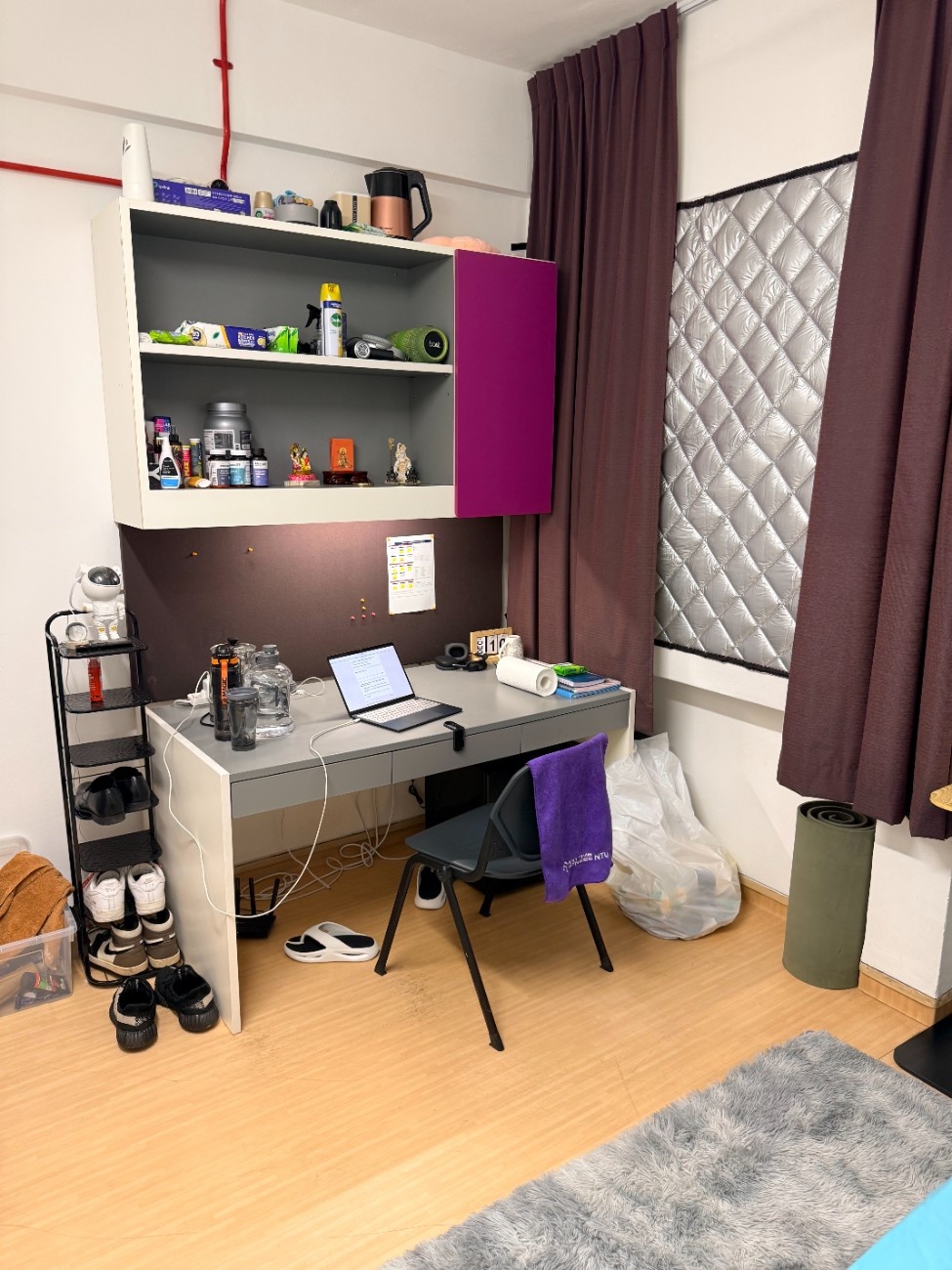
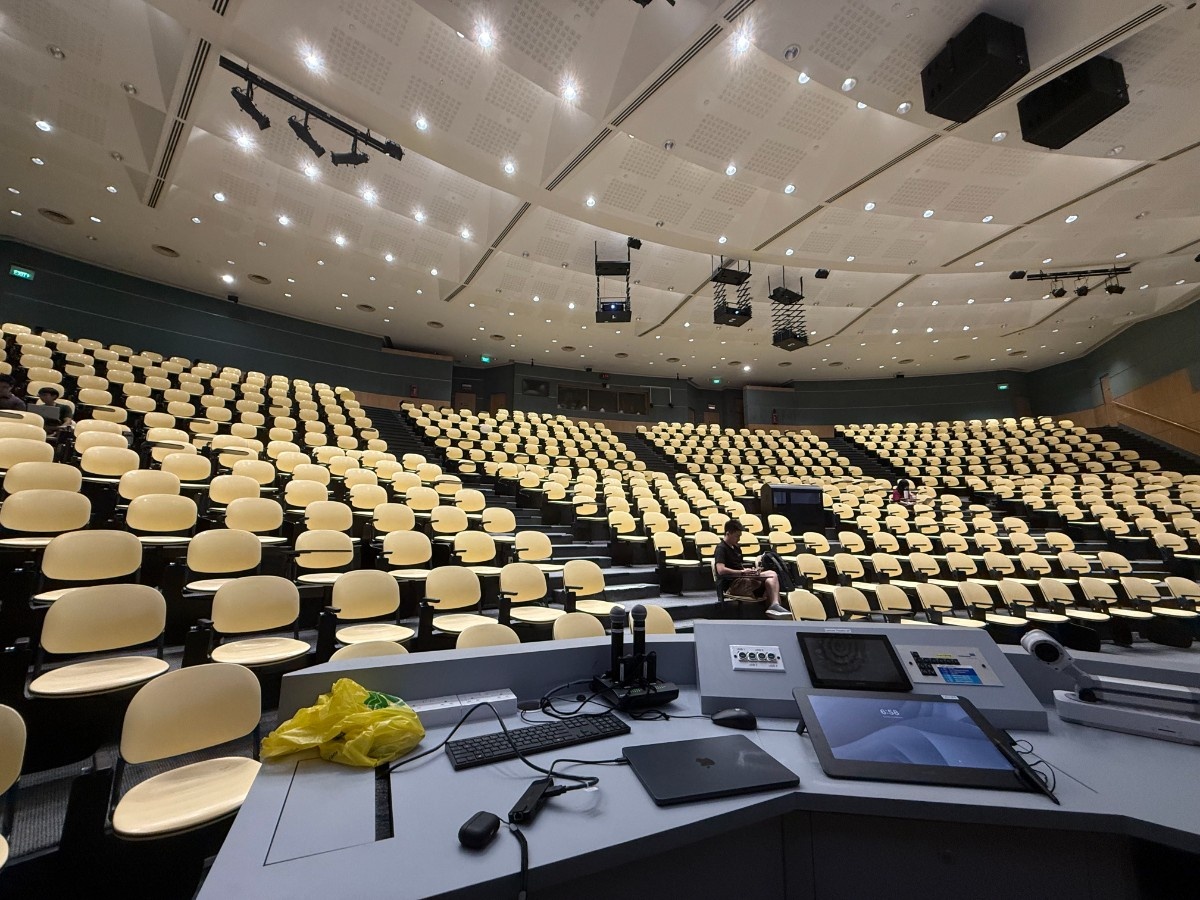
Likes
- Good Infrastructure
- Good research output
- Great reputation
Dislikes
- Far from main city
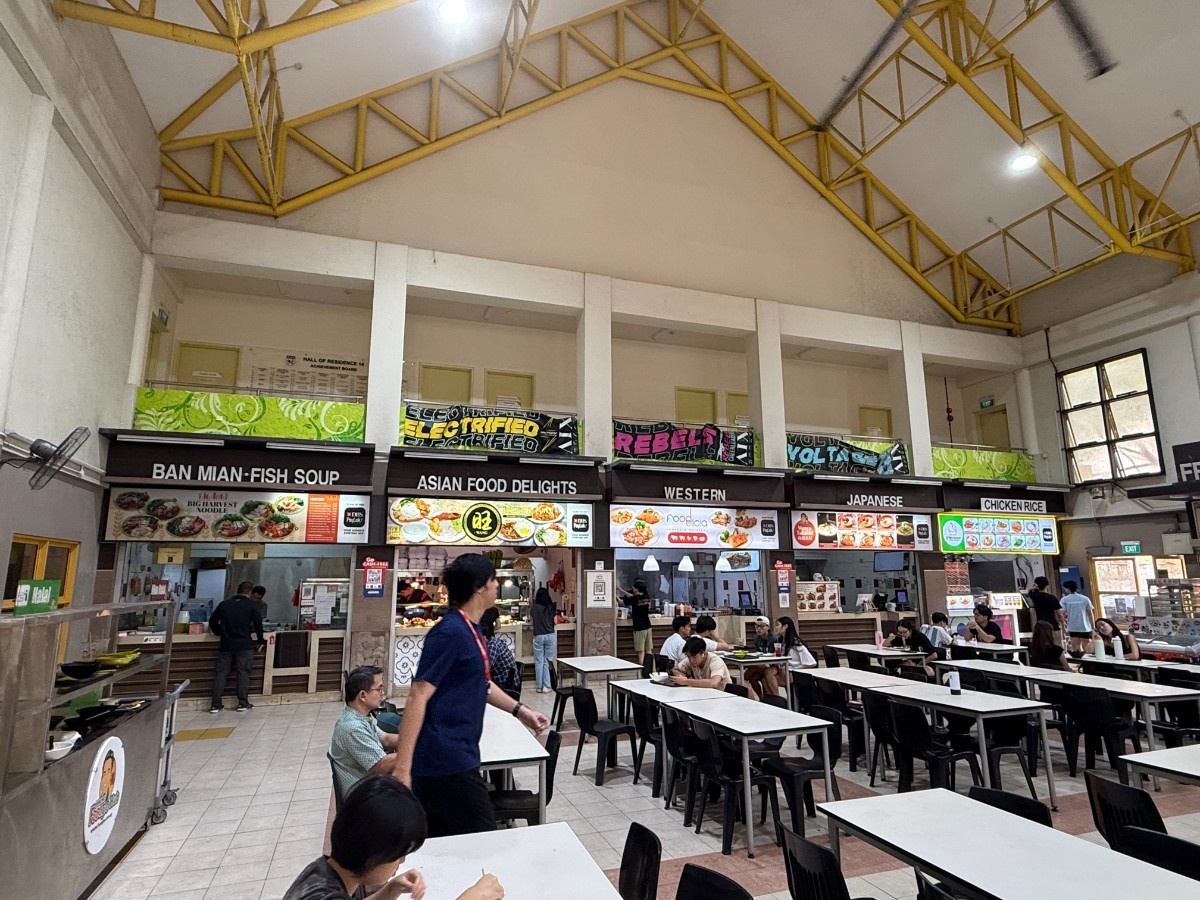
- Lack of food options at night
Likes
- Talented staff, with good teaching and research experience
- World class facilities such as labs - for projects be it personal or academic
- Lots of opportunities - University provides a lot of opportunities in terms of internships, exchanges, projects, hackathons, which all help build your resume
Dislikes
- Hectic workload - the content is demanding and the deadlines can be unforgiving, especially nearer to finals
- Huge emphasis on self learning - professors require you to prepare for the sessions before they begin, and expect that you put in effort before approaching them, which may not work for everyone
- Quite a few opportunities are reserved for Singaporeans/Singaporean PR, so international students may not be able to avail them
Scholarship
- MOE Tuition Grant – 50% discount on your semester fees for the entirety of the programme but requires the student to sign a bond to work for a period of three years in Singapore. You are not required to pay anything during the three-year period, but you will have to find a job; failure to do so means you will have to pay back the bond amount with interest. You are also able to liquidate the bond midway, paying only the portion of the sum not worked, i.e., if you work for one year, one-third of the sum is waived; two years, two-thirds of the sum; and so on.
- Nanyang Scholarship – 100% of tuition fees, hall fees amount equal to the lowest hall rates, a one-time allowance to buy a laptop, a ticket to Singapore at the start of the course and one back at the end of the course, as well as a semester stipend of $3000 or so. Students will be required to serve a bond of six years, with the same condition as the tuition grant. You need to be eligible to get a tuition grant to receive this.
- Tuition grants require strong academic results to apply for, which is usually the case for most students applying to NTU, and hence are relatively easy to obtain. Many students obtain this, and it is part of their application.
- The Nanyang Scholarship requires excellent academic results and is a lot more exclusive. Many fewer people get and it is easier to obtain if you're doing an international syllabus as opposed to an Indian syllabus.

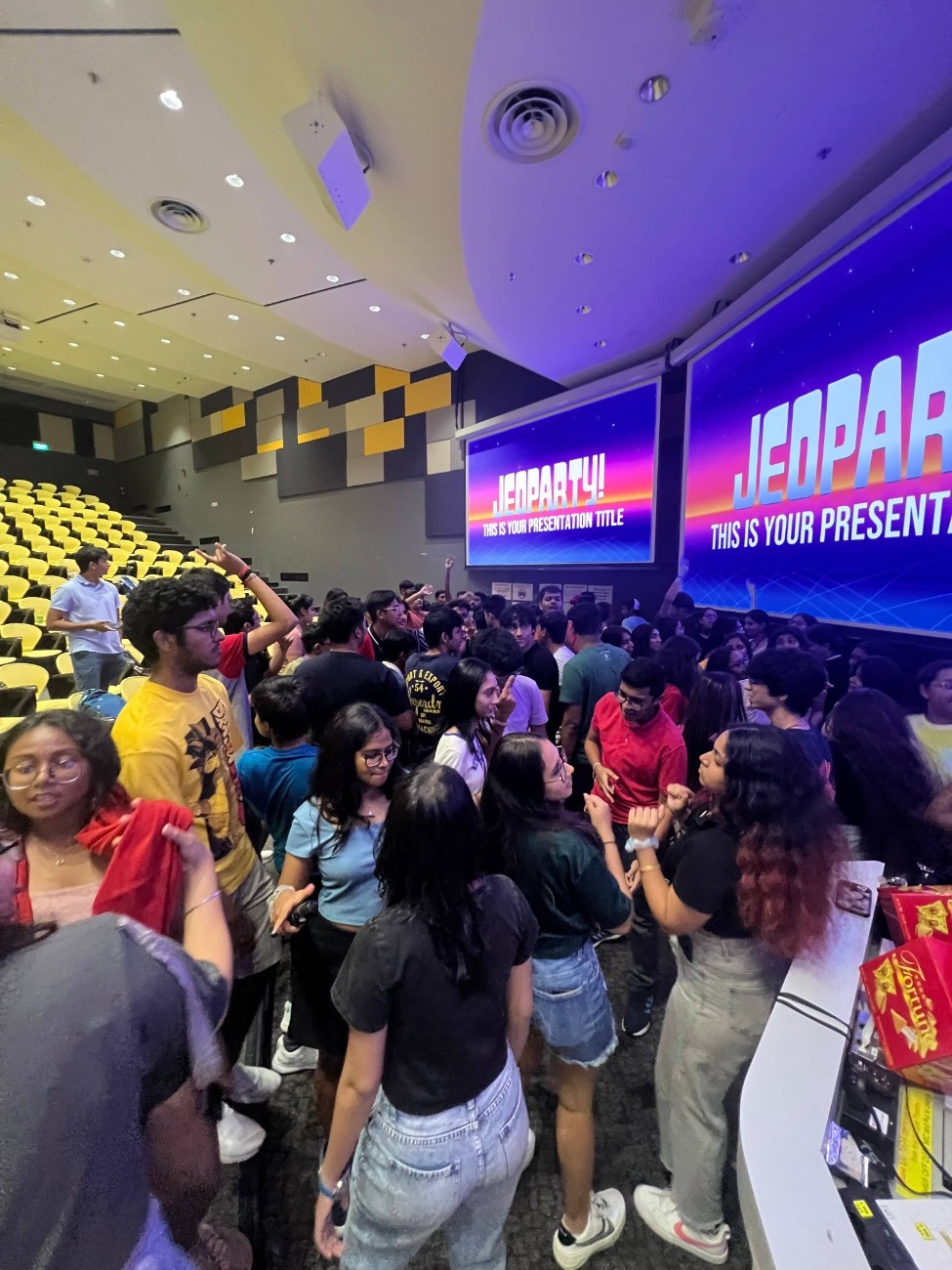

Likes
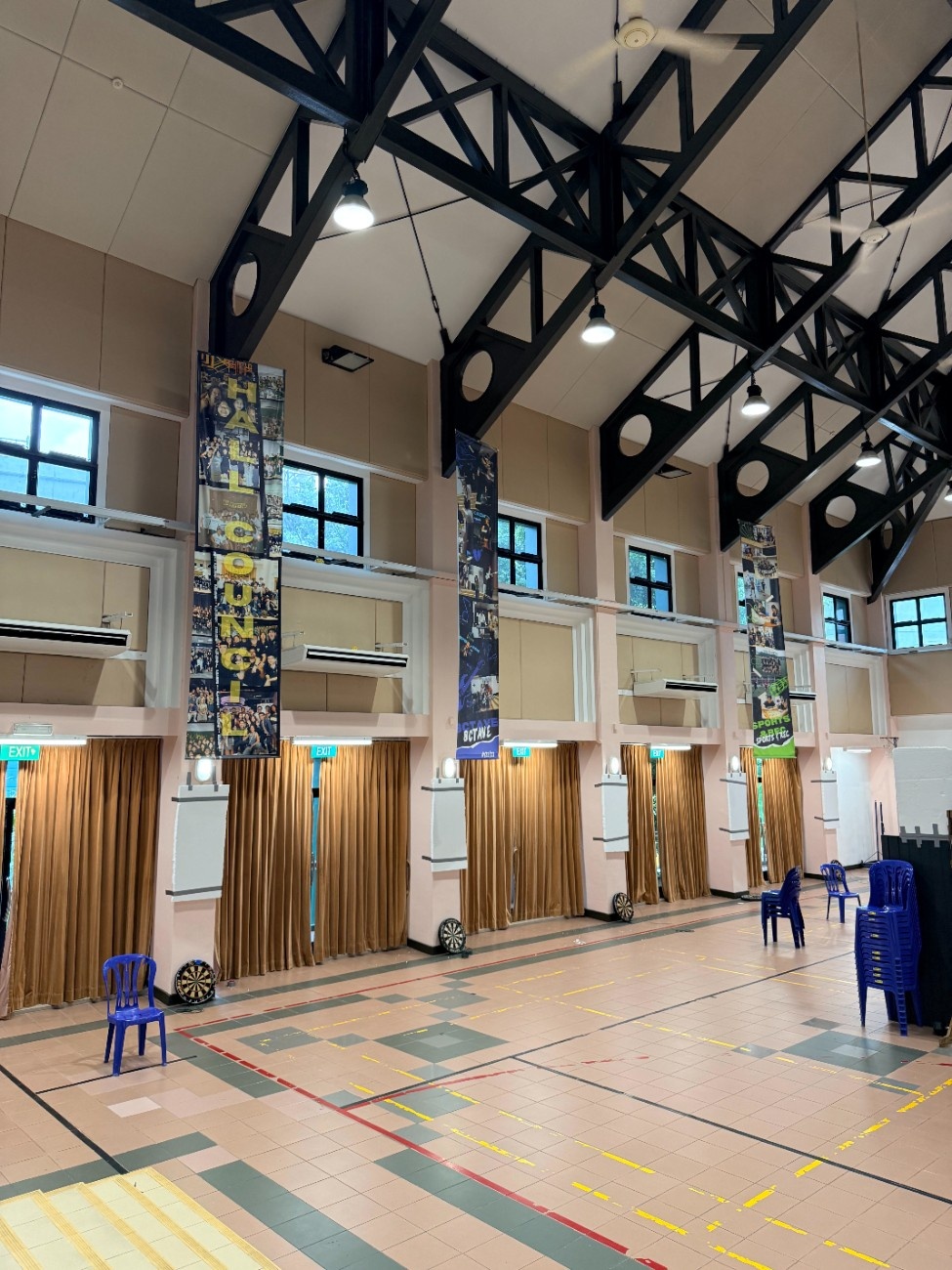
- College campus is good like classroom, sports club, library, gym, and everything is easily accessible through college bus that will available anytime can easy travel from anywhere faster and classrooms is good the infrastructure and projector.
Dislikes
- Campuse is too big, sometime it’s difficult too find out some place , they also have map facility but floor sometime feel difficult too find, and distance from one classroom to other is quite distance.
Scholarship
- For my course there is no scholarship, but for the MOM register course there is a scholarship. When applying check this and apply. And if you score or get top 3 grades in overall CGPA among the class, you will receive 12000 SGD as a prize amount. For local citizens and PR in Singapore, they have a quite good scholarship but for foreigners it depends; for UG students, there are scholarships that pay the full amount with a work visa for 5 years. For masters students, there is no scholarship but for the MOM register course, there will be scholarships that reduce the amount, like 5%.
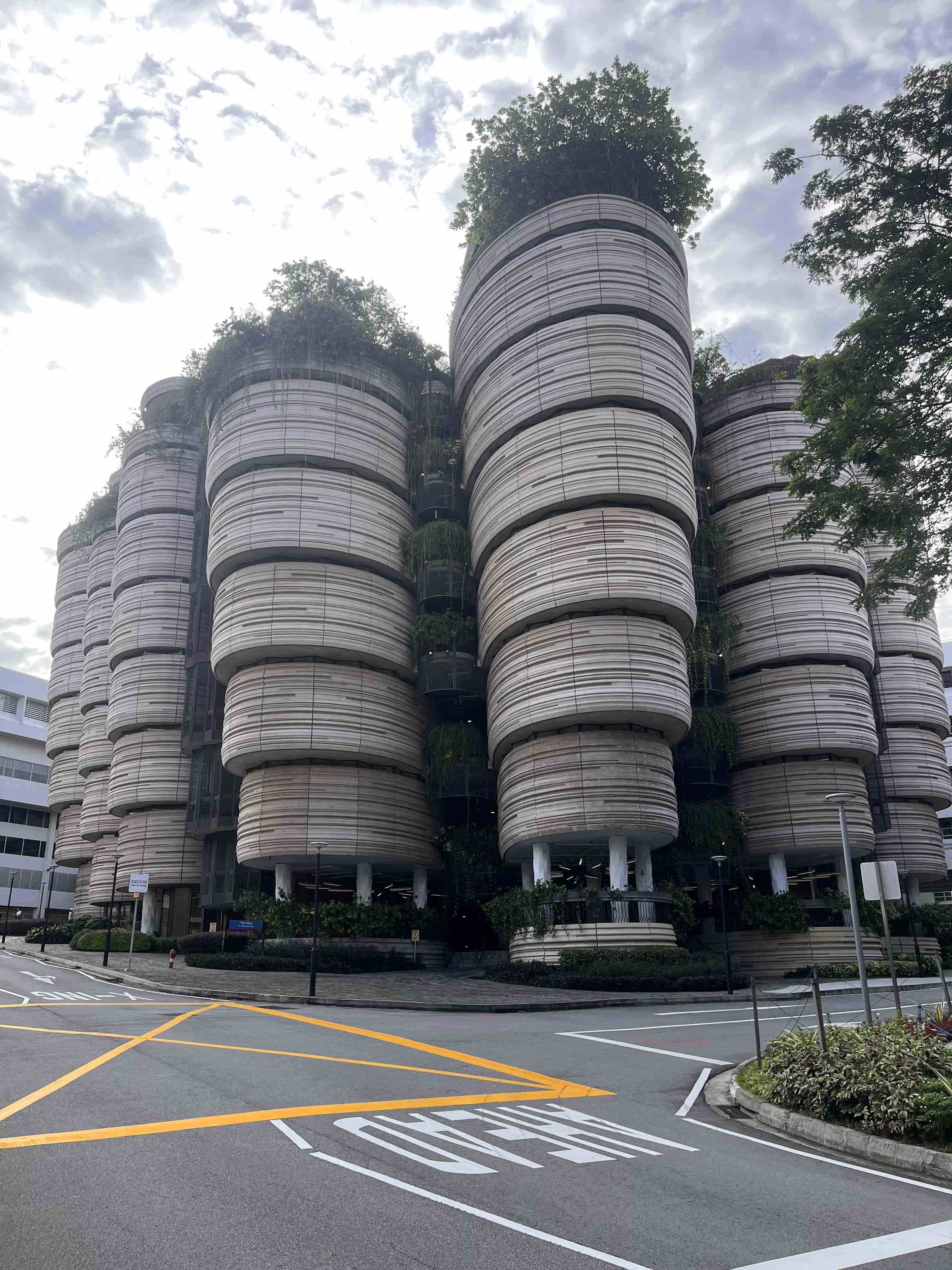
Likes
- Diverse Community - NTU's multicultural environment has given me the opportunity to interact with people coming from varying cultures from different parts of the world.
- Cultural Integration - NTU has a very strong Indian society, which celebrates and organise Indian festive events, allowing students to feel like at home
- Networking Opportunities - NTU gives its students the access to an extensive alumni network and also hold many networking events where we get the chance to meet and learn from professionals.
Dislikes
- Food Options - NTU has very limited Indian cuisine in campus food courts, and vegetarian options might not be as diverse. Also all restaurants close around 9pm, so very few late night food options.
- Weather and Climate - Singapore has a very hot and humid weather, with rain pouring very unexpectedly, so need to carry umbrellas everywhere.
- Social Adjustments - Initially it might be a bit difficult to build friendships with local students due to cultural differences and they often don't interact with students outside their culture. Hence, Group Projects sometimes are filled with immense challenges.
Scholarship
- In Singapore, scholarships are replaced by a bond system. By signing a bond before starting your first year, the university fully exempts tuition fees. In return, you must work for 5 years in a Singapore-based company. This system ensures students contribute to the local workforce after graduation.
- I did not sign the bond for my undergraduate, as I was not sure if I would be working in Singapore after my 4 years.

.jpg)

Overview
Since I was from Singapore so I had the knowledge about various universities of Singapore, and after that I found this university to be fulfilling all my expectations so I joined it.
Overview
It was the best in Asia and I did not want to go outside of Asia so i cose this university.
Scholarship
no
Overview
NTU is one of the worlds top universities with a proven history of producing graduates with strong technical backgrounds. The programme itself is not as qualitative in nature as other ms supply chain programmes in the world. Personally, i did a bachelors in business in supply chain management so pursuing a masters in science instead was slightly daunting because supply chain as a business is not as difficult to comprehend as supply chain as a science. I desired to be proficient in the nitty-gritty of supply chain management. The university has facilities that most other universities do not possess. There are abundant opportunities available to work on various technological equipment and software.
Scholarship
NA



Comments