


Reviewed on Nov 26, 2025(Enrolled 2023)
What Students Say
Likes
- The courses were academically rigorous, it helped us to clear and establish our fundamentals;
- Student Network was very amazing , we got to interact with students of different countries, had access to multiple conferences and workshops where we met industry professional;
- Excellent research culture, The program was designed to help us to identify what area of research we would like to go into, be it experimental or theoretical; Flexibility of choosing your graduation timeline, and there was no tuition fees apart from an 85 euro semester fees;
Dislikes
- While not necessary in the course itself, not knowing German language can be a hurdle in other areas of life, like when dealing with the government/banks;
- Independent research is encouraged but it sometimes can be a drawback as the students can get overwhelmed with the vast amount of resources;
- Majority of the students are from germany or Munich itself and have their established social groups, so one needs to make an effort to socialise and make friends or it can be isolating at times; While there is no tuition fees, living in Munich rentwise can be a bit pricey ;
Course Curriculum
10
- The course was both theoretical and practical and was quite rigorous. Strong fundamentals are required, but the amount you learn is amazing. If you want to go into research and academia, then definitely it is the place for you, you learn a lot.
- The negative aspect can be that a lot of the learning needs to be done by yourself, which is generally a contrast to the indian teaching methodology.
- We are free to choose our own elective courses and design the schedule as per that. There are about 80 to 90 students in a cohort, and approximately 6-8 indian students in a batch.
Admission Experience
-
I applied for the following universities:
- University of Illinois- Urbana Champaign, USA - applied to a master’s program (accepted);
- University of California, Berkley USA- applied to PhD program(rejected);
- National University of Singapore- applied to PhD program(rejected) (accepted), Technical University of Munich (accepted)- applied to a master’s program ;
- Technical University of Copenhagen, Denmark- applied to a master’s program (accepted)
- Excellent research culture in my area of research, collaboration with multiple universities and industry professionals including Nobel prize winning scientists, and zero tuition fees apart from a nominal semester fees of 85 euros; regular conferences and workshops to teach us new skills, the cost of living in Germany being much lower than the cost in other areas, access to good public healthcare.
-
I applied for the winter 2023 intake. The semester starts in October and the application window closes by 30th June of the same year. I received my results by the first week of August. The university then issues an acceptance letter which can be used to apply for a study visa. The master’s program takes around 2 years but can be expedited or delayed as per the student’s needs.
Faculty
10
- There is usually 1 teacher for the lecture part, and 2 or more tutors for the tutorial part. if it is a compulsory course, then the entire batch (approximately 80 to 90 students) take part in it, and there are around 4 tutorial sections with different timings for the students to go to. for the elective modules there are usually 20 students enrolled in a course.
- The teaching methods vary from teacher to teacher but students need to put in effort from their end. there is no spoon feeding here. faculty members often put out notices if their research groups are looking for part time students to work as lab/research assistants.
- I admire the teaching the teaching styles of Andreas Reiserer and Harald Weinfurter a lot. they are both experimental physicists but put in a lot of care to explain the fundamental concepts to us.
Campus Life
8
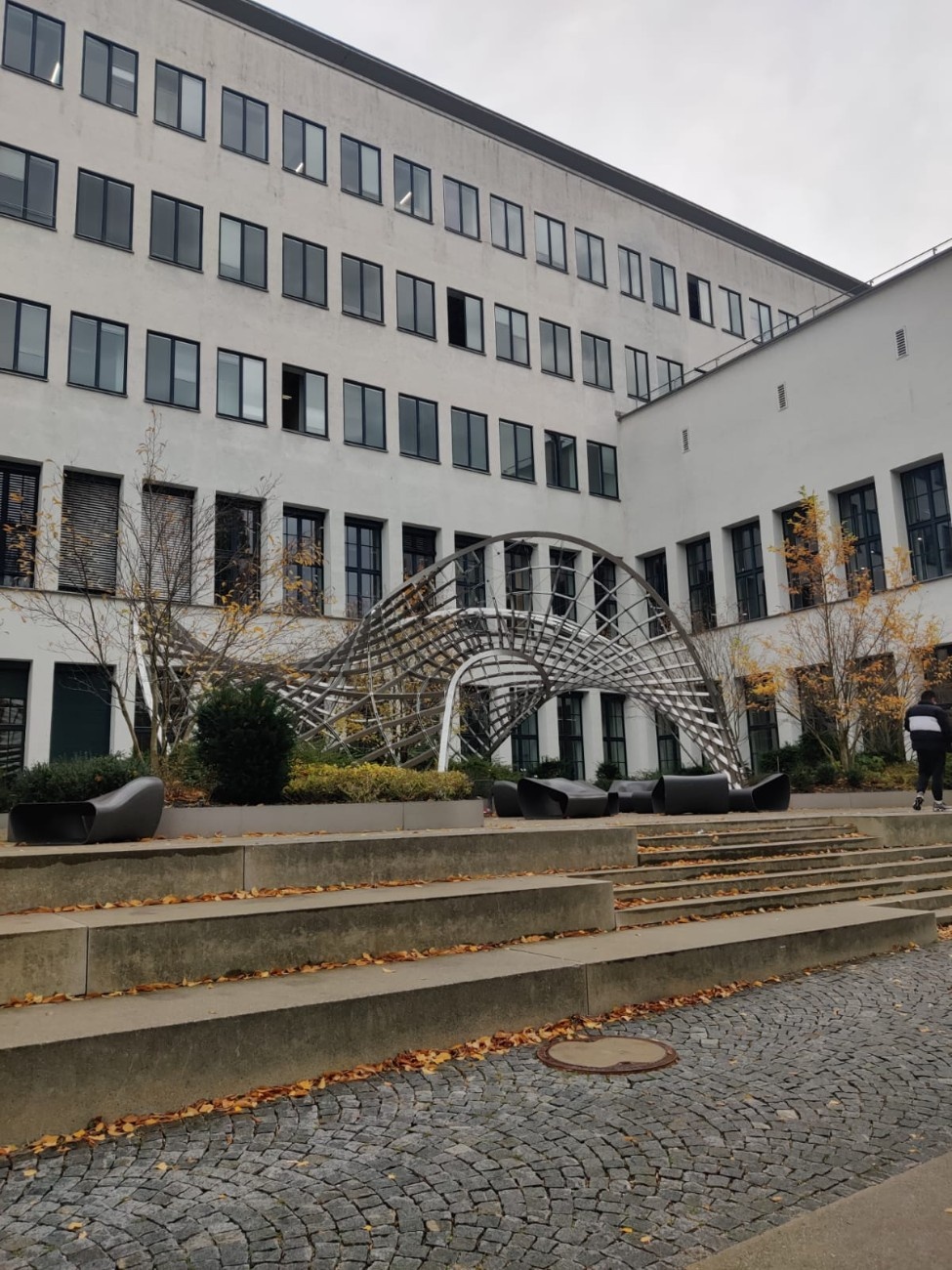
- There are as such no campus fests or such.. there are different events organised by different groups that everyone can take part in. TU Munich has 3 campuses and each of them have some fests going on during varipus times of the year.
- There are also city wide fests like Oktober fest, Fruhlingsfest, Maibaum fest, auerdult which are open to everyone to take part in. every department has its own library which is very nice, there is a centralised gym and sports complex, but if its not close to your home, there are cheaper gyms availbale in the city too.
Part Time Jobs
- The teaching/research/department assistants are plenty and can be availed easily. since my program was in collaboration with ludwig maximilians university and technical university of munich, we could apply for these assistant jobs at either of the 2 universities. The pay is around 14-18 euros per hour and a maximum of 20hrs a week are allowed for students. the position openings can be posted on the bulletin boards or on the particular professor's website. it also helps to email the professor individually and ask them about availbale postions.
- Most indian students prefer working on campus, however there are part time opportunities available in industries like Infineon, Allianz etc. depending on the rolw they are looking for.
- If applying to a company, the students usually apply via their online portal, and if shortlisted , they are called for an interview. as long as the study permit and the residence permits are valid and the student is not in violation of their code of conduct, getting the job is straightforward. if one knows German, then it is a huge bonus, as companies will likely go for someone who knows the language if the rest of the skills are at a comparable level.
Placement
4
- There are no on campus placement drives here. one needs to apply on their own and secure a job. if you did a student job or your thesis at a company, then you may be able to leverage that and convert that into a full time job . in Germany , a PhD is also considered as a full time job, so students interested in academia have a lot of options too.
- Since Germany has a strong research culture, getting a PhD is a viable option too, either at the university or in collaboration with some industry, there are some industrial networking events and career fairs held on campus too but they are limited in number and the specialization they want to hire for. Major companies include Infineon Technologies, DLR, T-Optica, MQST, Quantum Space Systems, Menlo optics etc.
Accommodation
Off Campus
8
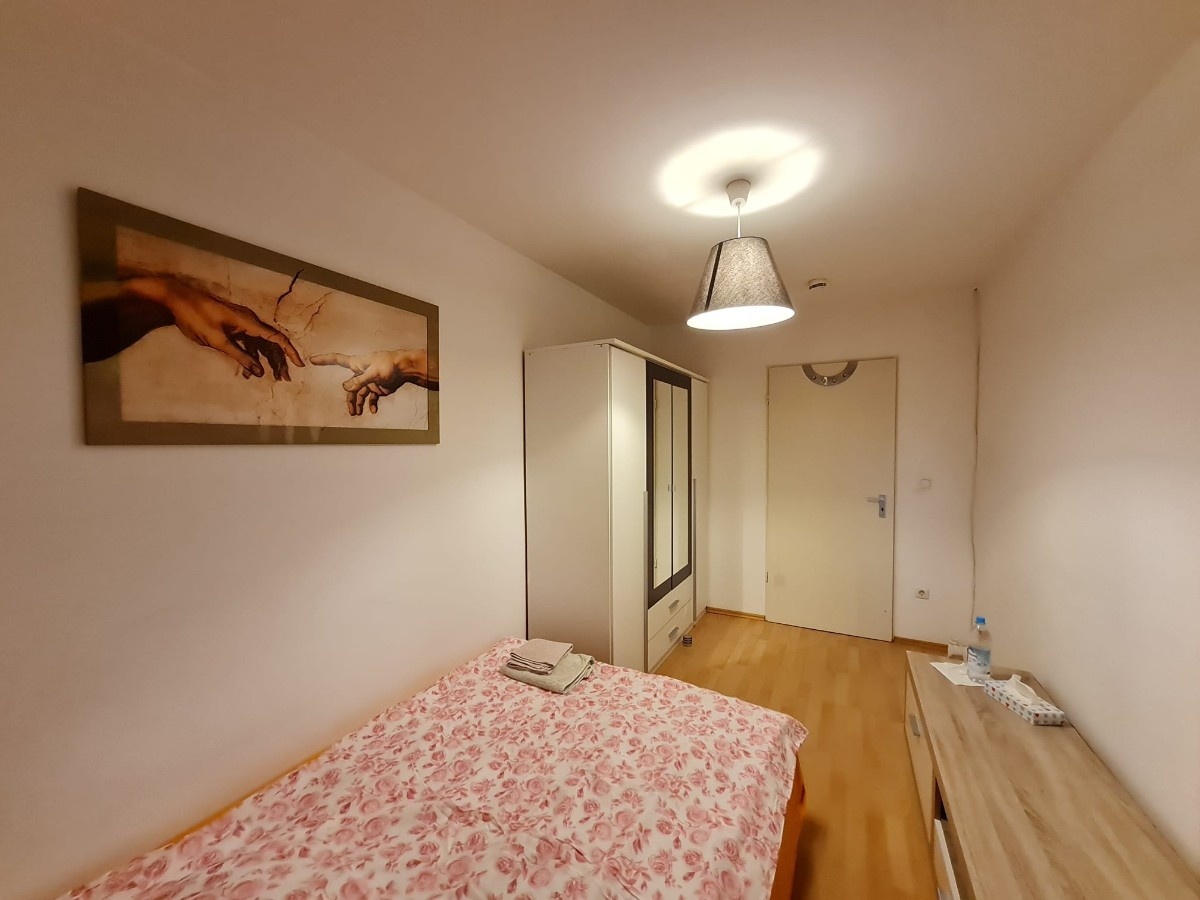
- Finding accommodation is tricky in munich, both rent wise and competition wise. it is advisable for students to start looking for a place upto 2 months in advance, and also to register for the student accommodation on the website of Munich Students Union, so as soon as a place becomes available they can move into the place.
- In the beginning you might find something short term , but dont worry about it , almost everyone starts out like this. once you have a long term accommodation you can go to the city office and get yourself registered.
- Good cheap accommodation is usually far from the city centre but the city is very well connected by public transport so that is not an issue. the average rent if one os not staying in a dorm is around 650-800 euros, and in a dorm , it can be between 400-550 euros.
Exams
- I needed a proof of English proficiency which can be met by a TOEFL/IELTS exam. GRE is preferred but not mandatory. The students need to provide a detailed list of all courses they took and their course descriptions to ensure they meet the degree requirements for the course.A statement of purpose, three letters of recommendation are required.
- Students from India are required to submit their documents to the uni-assist portal and send their documentation to APS for verification of legitimacy of the transcripts and accompanying documents. Once they receive their APS verification, only then can they apply for their visa. There is no interview for this program.
Fees
- Zero tuition fees, semester fees of 85 euros, monthly health insurance around 150 euros, rent around 600 euros, monthly public transport fees of 39 euros.
- An amount of around 12000 euros needs to be shown in a separate blocked account at the time of applying for a visa to show that one can cover their expenses during the period.This is done via a third party service like coracle or expatrio.
Scholarship
- Usually there are no scholarships as there is no tuition fees, however students can work part-time jobs, up to 20 hrs a week which pay between 14-20 euros per hour.
- This part-time work can be either at the university as a research assistant (Hilf-Wissenschaftler) or in an industrial position. Depending on the city where you live, working upto 20hrs will at the very least take care of your basic expenses.


