



Bachelor of Arts [BA] (Archaeology)
bn5Mpn:
$22,163 /Yr

Archaeology at University of Calgary: Overview & Admission
The University of Calgary’s Bachelor of Arts in Archaeology offers a rigorous four-year honours program that combines theoretical knowledge with hands-on laboratory and field experience. The Department of Anthropology and Archaeology, situated within the Faculty of Arts, stands as a premier institution for training the next generation of professional archaeologists, field researchers, and heritage specialists. For Indian students, the University of Calgary presents a compelling study-abroad choice: a program rooted in evolutionary science, cultural heritage management, and global fieldwork opportunities, all within an English-speaking North American institution with strong faculty mentorship and internship pathways.
The program spans 120 units (credit hours) and emphasizes hands-on analytical techniques across multiple subdisciplines: paleopathology, lithic technology, geoarchaeology, human osteology, zooarchaeology, and cultural heritage management. Students engage with archaeological sites and artefacts from North and South America, Mesoamerica, North Africa, and the Arctic, ensuring exposure to diverse methodological frameworks and geographic contexts. Career paths for archaeology graduates include government cultural resource management, museum and heritage organizations, non-profit archaeological firms, academic research, and international development consulting.
Indian students benefit from UCalgary’s Global Orientation: the university enrolls students from 138+ countries, offers dedicated international student services, maintains competitive scholarship programs for Indian applicants, and operates within Canada’s post-study work permit framework, which permits graduates to remain and gain professional experience for up to four years. The archaeology cohort is typically diverse, fostering cross-cultural perspectives invaluable in heritage stewardship and international excavation teams.
Tuition & Cost of Living at University of Calgary
International undergraduate tuition at the University of Calgary is CAD 36,000 per academic year (approximately ?25,24,320 or INR 25.24 lakhs at the exchange rate of 1 CAD = 70.12 INR). This represents the base instructional fee for a full-time student; the university’s published range for all international undergraduate programs spans CAD 31,349 to CAD 40,535, with the archaeology program positioned within the standard arts-faculty band.
In addition to tuition, all full-time students pay mandatory ancillary and non-instructional fees totalling approximately CAD 2,270 annually (?1,59,172). These fees cover the Students’ Union (SU) Health & Dental Plan (mandatory for undergraduates), medical services, recreational facilities, and technology infrastructure. International students are not eligible for Alberta’s provincial health plan (AHCIP) and must maintain private health insurance; the SU plan fulfils this requirement.
A one-time application fee of CAD 145 (?10,167) is required at submission. Upon offer acceptance, a non-refundable deposit of CAD 500 (?35,060) is payable within 30 days and applied to first-term tuition.
Cost of living in Calgary averages CAD 3,611 monthly all-inclusive (?2,53,104), or CAD 1,592 excluding rent (?1,11,631). Rental costs for a one-bedroom apartment range CAD 1,800–2,500 per month (?1,26,216–1,75,300). Annual living expenses total approximately CAD 26,040–38,160 (?18,24,253–26,76,755). Over a four-year degree, the total out-of-pocket cost (tuition + ancillary + living) ranges from approximately CAD 193,000 to CAD 249,000 (?13,533,160 to ?17,452,880).
| Cost Component | Amount (CAD) | Amount (INR) | Notes |
|---|---|---|---|
| Annual Tuition (International) | 36,000 | ?25,24,320 | Base instructional fee for arts programme |
| Annual Health & Ancillary Fees | 2,270 | ?1,59,172 | Mandatory SU/GSA plans & student services |
| Monthly Living Cost (All-In) | 3,611 | ?2,53,104 | Includes rent, food, transport, utilities |
| Monthly Rent (1BR Apartment) | 1,800–2,500 | ?1,26,216–1,75,300 | Market range in Calgary, near-campus areas |
| Application Fee (One-Time) | 145 | ?10,167 | Non-refundable; payable at submission |
| Acceptance Deposit (One-Time) | 500 | ?35,060 | Non-refundable; applied to tuition upon enrolment |
| Four-Year Total (Tuition + Ancillary + Living) | 193,000–249,000 | ?13,533,160–17,452,880 | Tuition + fees + conservative living estimate |
Scholarships & Financial Aid for Indian Students
The University of Calgary offers multiple scholarships specifically available to Indian and international students, reducing the total cost of study significantly. These awards range from merit-based entrance scholarships to graduate-level tuition support and are renewable in many cases, providing multi-year financial stability.
The University of Calgary International Entrance Scholarship awards up to CAD 20,000 (?14,02,400) to first-year international undergraduate entrants meeting English language proficiency standards. This scholarship is renewable in years 2–4 provided the student maintains a minimum grade point average of 2.60 and completes at least 24.00 units per year. For an Indian student entering with strong English scores, this scholarship can offset roughly 55% of the first year’s total tuition cost.
The President’s Admission Scholarship offers variable awards to first-year international students from high school (equivalent to 10+2 in India) who achieve a final admission average of 95.00% or higher. This highly competitive award recognizes exceptional academic performance and is open across all faculties, including the Faculty of Arts.
Additional merit-based opportunities include the International Student Athletes Award (CAD 10,000 / ?7,01,200 annually for undergraduate student-athletes) and the International Graduate Tuition Award (CAD 3,060 / ?2,14,568 for postgraduate students). Graduate students may also compete for the Alberta Graduate Excellence Scholarship (AGES), which ranges CAD 11,000–15,000 (?7,71,320–10,51,800) annually, and the broader Graduate Award Competition pool, which distributes CAD 700–36,000 (?49,084–2,52,432) across multiple recipients. For Indian students applying for postgraduate archaeology programs (M.Sc. or M.A.), these graduate awards significantly reduce tuition burden.
Beyond direct scholarships, UCalgary funds research assistantships (RA) and teaching assistantships (TA) within the Department of Anthropology and Archaeology, which provide hourly employment and tuition support. Upper-year students in the archaeology honours program frequently secure such positions, especially those pursuing field research or laboratory-based projects. Contact the department directly to inquire about current RA/TA openings.
Admission Requirements & Eligibility Criteria
Admission to the Bachelor of Arts in Archaeology at the University of Calgary requires a secondary-school qualification (10+2 in India) or equivalent with a competitive overall average. The university typically targets first-year entrants with a final admission average of 3.5+ on a 4.0 scale (approximately 85–90% in Indian marking), though this varies by program and intake competitiveness. For international applicants, the acceptance rate across all programmes is 10–20%, reflecting selective competitive pressure.
English Language Proficiency is mandatory for all international students. The minimum acceptable scores are: IELTS 6.5 (with no single band below 6.0), TOEFL iBT 86, or TOEFL Paper-Based 580 (with TWE 5.0). These thresholds align with British Council and ETS standards; Indian students typically prepare via IELTS coaching institutes in Bangalore, Delhi, and Mumbai, with average preparation time of 3–6 months.
Applicants must submit transcripts from all secondary and post-secondary institutions attended, along with a personal statement detailing academic interests and career goals. For students from India, transcripts must be officially issued by the school or board and often require notarization and translation if issued in a language other than English. A valid passport is required to confirm identity and nationality.
High school or equivalent qualifications beyond the 10+2 (such as A-Levels, International Baccalaureate, or foundation certificates) strengthen applications and may exempt students from English proficiency testing if the qualification was completed in English. The Department of Anthropology and Archaeology recommends first-year students take Anthropology 201 and 203, plus Archaeology 201, to establish foundational knowledge in archaeological method and theory.
| Admission Requirement | Minimum Standard | Indian Equivalent / Clarification |
|---|---|---|
| Secondary School Average | 3.5+ GPA (4.0 scale) | Approximately 85–90% in 12th standard CBSE/ICSE |
| IELTS (Overall) | 6.5 | No band below 6.0; Speaking 6.5 strongly preferred |
| TOEFL iBT (Online) | 86 | Equivalence to IELTS 6.5 |
| TOEFL Paper-Based | 580 + TWE 5.0 | Older test; iBT or IELTS preferred |
| Acceptance Rate | 10–20% | Highly selective; ~1 in 5 to 1 in 10 applicants admitted |
| Recommended First-Year Courses | Anthropology 201, 203; Archaeology 201 | Foundation courses; typically taken in Year 1 |
Application Process & Key Deadlines
The University of Calgary operates an online application portal accessible at the official UCalgary Future Students website. All applications must be submitted via this portal; no paper applications are accepted. The application period opens in September of the calendar year preceding your intended intake (e.g., September 2025 for Fall 2026 entry).
For Fall intake (the primary entry point), the application deadline is October 1 of the previous calendar year, though a secondary rolling deadline extends to March 1 of the year of entry. Applicants are strongly encouraged to submit by the October 1 deadline to maximize scholarship consideration and secure a place within the cohort. Winter (January) intake has an expected deadline of September 1, based on recent years’ patterns.
The application fee of CAD 145 (?10,167 for Indian applicants) must be paid online at submission and is non-refundable. Payment can be made via international credit card (Visa, Mastercard) or bank transfer; USD and INR payments are not directly supported, so a GBP or CAD conversion is necessary.
Applicants will receive an admission decision within 10–12 weeks of submission. Once an offer is received, candidates must confirm acceptance by paying a non-refundable deposit of CAD 500 (?35,060) within 30 days. This deposit is credited toward first-term tuition fees. Upon deposit payment, the student is formally confirmed in the cohort and can proceed to visa application steps.
After offer acceptance, international students must apply for a study permit (Canadian student visa equivalent) through Immigration, Refugees and Citizenship Canada (IRCC). The application requires a Letter of Acceptance from UCalgary, proof of financial support (typically CAD 20,000+ for a Guaranteed Income Certificate, GIC), a valid passport, and completion of medical/background checks. The processing time for a Canadian study permit from India is typically 4–8 weeks. Students are advised to initiate visa applications immediately upon receiving their Letter of Acceptance to ensure arrival by the programme start date.
| Milestone | Date / Timeline | Action Required |
|---|---|---|
| Application Portal Opens | Early September (Year Prior) | Create online account; prepare documents |
| Primary Application Deadline (Fall Intake) | October 1 (Year Prior) | Submit application + CAD 145 fee |
| Rolling Deadline (Fall Intake) | March 1 (Year of Entry) | Final submission window; later applications less competitive |
| Admission Decision | 10–12 Weeks Post-Submission | Receive offer letter via email + portal |
| Deposit Due | Within 30 Days of Offer | Pay CAD 500 + confirm acceptance |
| Canadian Study Permit Application | Upon Receipt of Offer Letter | Submit to IRCC; includes GIC + medical exams |
| Study Permit Processing | 4–8 Weeks (India-Canada Route) | Receive approval; arrange travel |
| Programme Commencement | Early September (Fall Intake) | Attend orientation + first classes |
Campus Life & Student Experience
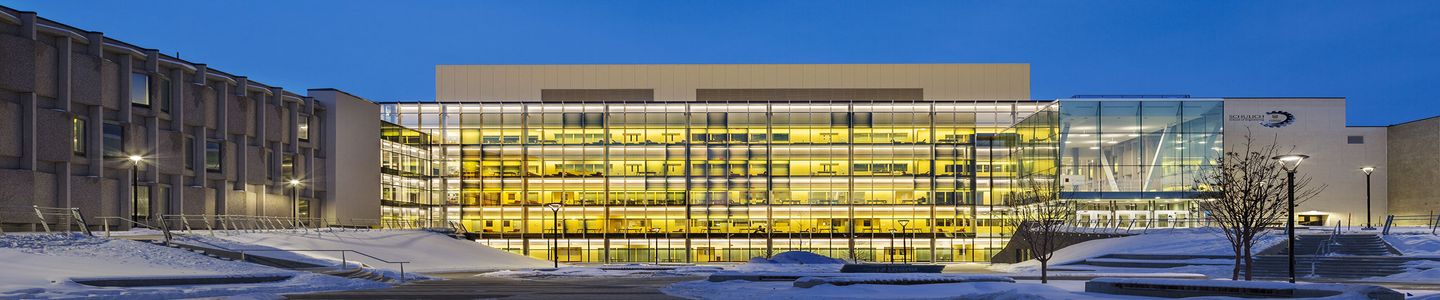
The University of Calgary’s Main Campus spans 200 hectares in northwest Calgary, providing state-of-the-art research facilities, residential colleges, student centres, and recreational spaces. The Department of Anthropology and Archaeology is housed within the Faculty of Arts building, close to the library, computing labs, and graduate student offices, fostering an integrated intellectual community.
The campus hosts 11 of the university’s 14 faculties, meaning archaeology students interact with peers in geology, biology, chemistry, and engineering—disciplines that often intersect with archaeological science (radiocarbon dating, soil analysis, computational modelling). The university operates dedicated field schools during summer terms, where students participate in actual excavations within Canada and internationally. Recent archaeology field schools have included sites in western Canada and partnerships with heritage organizations, offering hands-on training in stratigraphic excavation, artefact documentation, and site interpretation.
The university’s international student population exceeds 7,000 students from 138+ countries, creating a multicultural environment. Indian students constitute a significant cohort; they benefit from the South Asian Student Society, cultural events, and dedicated international student support services. The International Student Services office assists with housing, healthcare, visa renewals, and academic transitions, with staff experienced in supporting students from Indian educational systems.
On-campus accommodation includes residences such as Cascade Hall and Bow Tower, which house approximately 2,000 students. Residence fees for international students range from CAD 1,500–2,000 per month (?1,05,180–1,40,240), including meals and utilities. Off-campus housing in nearby areas (Bridgeland, Altadore) is widely available at competitive rates. Calgary’s low cost of living—particularly compared to Toronto, Vancouver, or U.S. cities—makes student life affordable for those on a budget.
The archaeology cohort itself is small (typically 30–50 honours students across all year levels), fostering close mentorship relationships between students and faculty. Upper-year students mentor first-year cohorts, and social events (journal clubs, departmental coffee hours, field-school planning meetings) create a tight-knit academic community. The university’s location in Calgary provides access to western Canadian archaeological heritage, including Indigenous collaboration initiatives, museum partnerships, and consultancy work in cultural resource management.
Graduate Outcomes & Career Pathways
Archaeology graduates from the University of Calgary pursue diverse career trajectories across public, private, and non-profit sectors. Employment outcomes data from Canadian archaeology graduates indicate an entry-level average salary of CAD 64,482 (?45,21,869), with experienced professionals (8+ years) earning CAD 102,668 (?72,01,222). The average archaeologist salary in Canada stands at approximately CAD 90,549 (?63,52,541), with 62% of professionals reporting satisfaction with their compensation.
Primary career paths include: (1) Cultural Resource Management (CRM) – private and government firms conducting heritage assessments for infrastructure projects (pipelines, highways, real estate); (2) Museum and Heritage Conservation – curators, conservation scientists, and educators at federal and provincial museums; (3) Government Archaeology – Parks Canada, provincial heritage agencies, and First Nations cultural authorities; (4) Academic Research – masters and doctoral study leading to university positions; (5) International Development – archaeology consultants for UNESCO, bilateral development agencies, and NGOs in heritage preservation.
The University of Calgary’s strong reputation in western Canadian archaeology—particularly Indigenous archaeology and paleoecology—opens pathways with Parks Canada and with Indigenous communities conducting collaborative research. Graduates often transition to specialized master’s programmes (M.A. or M.Sc. in Archaeology) at Canadian universities or internationally, funded via graduate scholarships and TA/RA positions.
Internship and work-integrated learning opportunities within the archaeology programme include summer placements with the Glenbow Museum (Calgary), the Provincial Museum of Alberta (Edmonton), and private CRM firms such as AMEC Earth & Environmental and Stantec. Many students complete co-operative education placements, earning CAD 25,000–40,000 (?17,53,000–28,04,800) over 4–8 month terms while building professional networks. These internships often lead to permanent employment offers upon graduation. The Department actively maintains relationships with alumni working in heritage organizations, research institutions, and government agencies, facilitating job placement and professional mentorship.
| Career Path | Typical Employers | Entry Salary (CAD / INR) | Key Skills |
|---|---|---|---|
| Cultural Resource Management (CRM) | AMEC, Stantec, Jacobs, Golder Associates | 64,482 / ?45,21,869 | Site assessment, report writing, project management |
| Museum & Heritage Conservation | Glenbow, Royal Alberta Museum, Canadian Museum of History | 58,000–75,000 / ?40,72,000–52,59,000 | Curation, conservation, public engagement, exhibit design |
| Government Archaeology | Parks Canada, Alberta Culture, First Nations authorities | 60,000–80,000 / ?42,07,200–56,09,600 | Policy development, heritage protection, stakeholder engagement |
| Academic & Research | Universities (M.A./Ph.D. candidates); research institutes | Variable (research funding-dependent) | Research design, publication, teaching |
| International Development | UNESCO, bilateral agencies, international NGOs | 55,000–90,000 / ?38,57,600–63,10,800 | Cross-cultural communication, heritage advocacy, report writing |
Visa, Work Permits & Post-Graduation Pathways
International students in Canada hold a study permit, which is distinct from a tourist visa and explicitly authorizes full-time study at a designated learning institution. The study permit is issued upon arrival in Canada and is typically valid for the duration of the program plus an additional grace period. Indian nationals obtain study permits by submitting an application to Immigration, Refugees and Citizenship Canada (IRCC) from within India, requiring a Letter of Acceptance from UCalgary, proof of financial support (Guaranteed Income Certificate of CAD 20,000+), medical examination, and background checks. Processing time from India is typically 4–8 weeks.
While holding a study permit, international students are permitted to work part-time (maximum 20 hours per week during academic sessions, full-time during official breaks) without requiring a separate work permit. Many Indian archaeology students supplement their income via TA/RA positions within the department (CAD 15–18 per hour / ?1,051–1,262), tutoring, or positions in campus bookstores and libraries. These part-time roles do not count toward the 20-hour cap if funded by the university.
Upon graduation, all international students become eligible for a Post-Graduation Work Permit (PGWP), which is open—meaning it does not tie the student to a single employer. The duration of a PGWP equals the length of the completed program (up to a maximum of three years for undergraduate programmes, four years for some honours degrees), granted automatically upon proof of graduation. A four-year B.A. in Archaeology qualifies the student for a four-year open PGWP, permitting work with any employer in Canada without sponsorship. This permit is invaluable for gaining Canadian work experience, which significantly enhances eligibility for permanent residence.
The pathway to permanent residence (PR) from Canada is streamlined for graduates with Canadian work experience. Express Entry, Canada’s primary immigration route, uses the Comprehensive Ranking System (CRS) to score applicants on age, education, language proficiency, and work experience. A typical CRS cutoff is 450 points; a graduate holding a Canadian bachelor’s degree (30 points) plus three years of Canadian work experience (approximately 80 points) and fluent English (at least 4.5+ IELTS equivalent, 130+ points) easily exceeds this threshold. Processing time for Express Entry applications is typically 6 months. Once approved, a successful candidate obtains PR status and, after three years of continuous residence in Canada, becomes eligible for Canadian citizenship. For Indian students, this pathway—study, work, PR, citizenship—is a realistic five-to-seven-year trajectory supported by solid employment demand in heritage and resource management sectors.
Programme Comparison with Peer Canadian Universities
When evaluating archaeology programs across Canada, the University of Calgary competes with several established institutions. The following comparison highlights key differentiators for Indian students: programme scope, faculty expertise, field opportunities, and geographic focus.
| University | Programme Offering | Field Opportunities | Faculty Specializations | Avg. Entry Salary (CAD) |
|---|---|---|---|---|
| University of Calgary | B.A. / B.A. (Hons); B.Sc. Archaeology | Summer field schools; Western Canada focus | North American, Arctic, paleopathology, heritage management | 64,482 ✓ |
| Trent University (Peterborough, ON) | B.A. / B.Sc. (Hons) Archaeology; Joint Honours | One of Canada’s largest field programmes; Ontario excavations | Mesoamerica, underwater, paleoecology, Indigenous collaboration | ~65,000 (est.) |
| McMaster University (Hamilton, ON) | B.A. / B.Sc. Archaeology (within Anthropology) | Specialized labs (LIRAC, Ancient DNA centre, XRF Lab); summer field school | Bioarchaeology, archaeochemistry, digital heritage | ~66,000 (est.) |
| Queen’s University (Kingston, ON) | B.A. Archaeology (within Anthropology honours) | Field schools in Ontario & international partnerships | Cultural heritage, Indigenous archaeology | ~63,000 (est.) |
The University of Calgary stands out for its integration of western Canadian Indigenous heritage, robust paleopathology and zooarchaeology labs, and strong CRM industry connections. The cost of living in Calgary is measurably lower than in Ontario cities (Toronto, Hamilton, Kingston), making the total four-year cost approximately CAD 30,000–50,000 cheaper than eastern Canadian peers. Trent University is noted as hosting one of Canada’s largest archaeology programs with extensive field schools; however, its location in rural Ontario and higher provincial tuition for international students offset this advantage. McMaster excels in specialized research facilities (ancient DNA, archaeochemistry) suitable for students targeting graduate studies, though its location in Hamilton drives higher living costs. Queen’s University is strong in Indigenous collaboration but smaller in cohort size.
For Indian students prioritizing affordability, cultural exposure, and strong industry mentorship in heritage management, the University of Calgary offers an excellent balance. The university’s proximity to Canadian Indigenous communities, western fossil sites, and a robust oil & gas industry (which drives CRM demand) creates internship and career opportunities. Additionally, Calgary’s lower cost of living (CAD 3,611 monthly vs. CAD 4,200+ in Toronto/Hamilton) directly reduces financial burden, freeing resources for field school fees, travel, and research activities.
University Ranking & Academic Standing
The University of Calgary maintains a strong position in global and national academic rankings, recognizing its research output, faculty expertise, and international reputation. In the 2026 QS World University Rankings, UCalgary ranks 211th globally and holds a position among the top 250 universities worldwide. Simultaneously, the Times Higher Education (THE) World University Rankings 2026 positions UCalgary at 200th globally, reflecting consistent high performance across multiple assessment frameworks. The university ranks 151st in the Academic Ranking of World Universities (ARWU), further affirming its standing as a research-intensive institution.
Within humanities and social sciences disciplines relevant to archaeology, the university demonstrates strong competency. The Faculty of Arts is recognized for research contributions in anthropology, environmental studies, and cultural heritage preservation. Globally, Canadian universities with strong archaeology programmes include Simon Fraser University (ranked 42nd worldwide in archaeology according to QS Subject Rankings, and 2nd in Canada), which demonstrates the competitive landscape. While UCalgary is not explicitly ranked in the top archaeology-specific QS subject rankings at the global level, its faculty and facilities align with the subject excellence indicators: extensive lab resources, field schools, interdisciplinary research (with geology, biology, chemistry), and strong partnerships with heritage organizations and Indigenous communities.
Within Canada, the University of Calgary is recognized as one of the leading comprehensive research-intensive institutions, alongside the University of British Columbia, University of Toronto, and McGill University. The university’s research intensity (measured by research funding and output) places it in the top tier nationally, ensuring that undergraduate archaeology students benefit from exposure to cutting-edge methods and faculty engaged in active research projects.
For Indian students, these rankings affirm that a degree from the University of Calgary is globally recognized and valued in international employment markets. Employers in heritage organizations, museums, and government agencies across Canada, the UK, and Australia recognize UCalgary as a credible source of archaeology training. The university’s QS Overall Ranking of 211 places it in the top 1% of global institutions, a credential that enhances competitiveness for graduate studies and competitive employment.
| Ranking System | 2026 Rank (UCalgary) | Discipline / Category | Global Context |
|---|---|---|---|
| QS World University Rankings | 211 | Overall / All Subjects | Top 1% globally; top 20 in Canada |
| Times Higher Education (THE) | 200 | Overall / All Subjects | Top 1.5% globally; top 10 in Canada |
| Academic Ranking of World Universities (ARWU) | 151 | Overall / All Subjects | Top 1% globally; top 5 in Canada |
| QS by Subject: Humanities & Social Sciences | 251–300 | Broad Humanities Category | Competitive in social sciences; archaeology embedded in anthropology |
| Simon Fraser University (Comparison) | 42 (Archaeology-Specific) | QS Subject: Archaeology | 2nd in Canada; benchmarks Canadian archaeology excellence |
A ranking trend analysis shows that the University of Calgary has maintained stability in the QS and THE rankings over the past five years (2021–2026), with modest year-to-year fluctuations typical of large, research-intensive universities. This stability indicates sustained investment in faculty recruitment, research infrastructure, and student support, providing confidence in the consistency of the academic experience.
Frequently Asked Questions
1. Is archaeology a viable career in Canada for international students?
Yes. Canada has a robust heritage and cultural resource management sector driven by environmental assessment regulations, infrastructure projects, and government cultural agencies. Entry-level archaeologists earn CAD 64,482 (?45,21,869) annually, rising to CAD 90,549+ (?63,52,541+) with experience. Career paths span museums, government agencies (Parks Canada, provincial heritage ministries), private CRM firms, and international heritage organizations. The University of Calgary’s location in western Canada, with proximity to Indigenous heritage sites and oil/gas industry-driven CRM demand, strengthens employment prospects. Many graduates transition to master’s studies or secure full-time roles within the first six months of graduation.
2. Can I work part-time while studying archaeology at the University of Calgary?
Yes. International students on a study permit can work up to 20 hours per week during academic terms without needing a separate work permit. University-funded positions (teaching assistant, research assistant, library clerk) do not count toward this limit. Many archaeology students work as TAs in introductory anthropology courses, earning CAD 15–18 per hour (?1,051–1,262). Off-campus part-time work (retail, hospitality, tutoring) is also permitted. This income helps offset living costs; a student working 15 hours weekly at CAD 15/hour earns approximately CAD 11,700 annually (?82,04,400), covering a significant portion of living expenses.
3. What is the total four-year cost of the archaeology programme at University of Calgary in Indian Rupees?
The total estimated four-year cost ranges from ?13,533,160 to ?17,452,880 (CAD 193,000–249,000), including tuition (?25,24,320 annually), mandatory ancillary fees (?1,59,172 annually), and living expenses (?2,53,104–3,79,656 monthly). Tuition alone totals ?1,00,97,280 over four years. The wide range reflects varying living costs (on-campus residence vs. off-campus shared housing). With scholarships—such as the International Entrance Scholarship (up to ?14,02,400)—the net cost is substantially reduced, potentially to ?10,000,000–11,000,000 for a student receiving full first-year award and part-time work income.
4. What English language proficiency does the University of Calgary require for admission?
The minimum requirement is IELTS 6.5 (with no individual band below 6.0), TOEFL iBT 86, or equivalent. For Indian applicants, IELTS is the standard benchmark, widely available through British Council centres in major cities (Delhi, Bangalore, Mumbai, Hyderabad). Most Indian students take IELTS 1–2 times before achieving the 6.5 threshold; preparation typically requires 3–6 months. Some applicants opt for PTE (Pearson Test of English) as an alternative, with equivalent score 65. If you completed secondary education entirely in English (such as at an International Baccalaureate or English-medium school), you may be exempt from language testing; contact UCalgary admissions to verify.
5. Can I stay in Canada after completing my archaeology degree?
Yes, absolutely. Upon graduation, you are automatically eligible for a Post-Graduation Work Permit (PGWP), which is open and valid for up to four years—matching the duration of a four-year B.A. programme. This permit allows you to work with any employer in Canada without sponsorship. After gaining one to three years of Canadian work experience, you can apply for permanent residence through Express Entry, processing in approximately 6 months. Once approved as a permanent resident, you can remain indefinitely and become eligible for Canadian citizenship after three years of residence. This pathway—study, work, PR, citizenship—is achievable within five to seven years for disciplined students who secure stable employment in archaeology or heritage-related fields.
Gzo0q4
- Application Deadline for Fall 2027 Intake - Apr 1, 2027
8EJTse
| Year | 1st Year Fees |
|---|---|
| Tuition Fees | $22163 (CAD 30782) |
uPlTcS
| rhEkXj | Znqz7Q |
|---|---|
| Housing | $11866 (CAD 16480) |
| Books and supply | $432 (CAD 600) |
XA/HUy
| 3PAU4M | N4s6oj |
|---|---|
| 2024 | $19331 (CAD 26849) |
| 2023 | $19331 (CAD 26849) |
| 2021 | $9902 (CAD 13753) |
7N6V25
| 0pC/y6 | 7d7ba6 |
|---|---|
| Application Deadline for Fall 2027 Intake | Apr 1, 2027 |
LPsZaM
Complete Application
Application Fee
Official Transcripts
English Language Requirements
A copy of the Passport


Do you think the Rankings are wrong ? Report Here


TM2nmW
Bachelor of Arts in Canada: Top Universities, Cost for Indian Students, and Scope
Top Undergraduate Courses in Canada: Fees 2024, Top Colleges, Admissions, Placements & Salaries
scy3LD
Archaeologists
3o6p3A
| 6YtxFj | a+VJO9 | sFGV92 | +zy2Nq | |
|---|---|---|---|---|
| Alberta Geomatics Group Scholarship | NDHjH0$ 261/Yr$363 | 70v4DRBachelor | +zy2NqCollege-Specific | |
| Calgary Senator Stan Waters Memorial Scholarship | NDHjH0$ 3,600/Yr$5,000 | 70v4DRBachelor | +zy2NqCollege-Specific | |
| Calgary Jordie and Robert Jordan Bursary | NDHjH0$ 3,658/Yr$5,080 | 70v4DRBachelor | +zy2NqCollege-Specific | |
| Jared J. Davis Grant | NDHjH0$ 720/Yr$1,000 | 70v4DRBachelor | +zy2NqMerit-Based | |
| Axol Science Scholarship | NDHjH0$ 1,440/Yr$2,000 | 70v4DRBachelor | +zy2NqCompany-Sponsored | |
| Business Administration Scholarships | NDHjH0Variable Amount | 70v4DRBachelor | +zy2NqMerit-Based |
FfUuzJ
| 8MIU1T | S2h7Mt | BxsfMK | uN65io | bwRvnp |
|---|---|---|---|---|
Application Deadline for Fall 2027 Intake (1st Apr 2027) | USD 22,163 /Yr CAD 30,782 /Yr |
| ||
-- | USD 5,238 /Yr CAD 7,275 /Yr |
| ||
-- | USD 12,902 /Yr CAD 17,920 /Yr |
| ||
-- | USD 16,106 /Yr CAD 22,369 /Yr |
|


Do you think the Dates are wrong ? Report Here

rd7VuE
qd/VKU



Comments
Found 9 Comments
To be eligible for admission to the MSc in Data Science program at the University of Calgary, you must have a four-year bachelor's degree in a relevant field such as computer science, mathematics, statistics, or engineering, with a minimum GPA of 3.0 out of 4.0, or an equivalent degree from a recognized institution. And if English is not your first lamguage, a valid ELP test score is necessary.
You can apply for the M.Eng Chemical and Petroleum Engineering proghram of the University of Calgary if you have completed a four-year bachelor’s degree in chemical or petroleum engineering with a minimum GPA of 3.0 on a scale of 4.0. You must submit your official transcripts as well as a copy of your cetificate. International students must also submit a valid ELP test score unless eligible for exemption.
The University of Calgary offers Masters programs in various academic disciplines. However, the university does not offer masters program in International Relations.