



Everyone is rushing towards IT. Meanwhile, the world is running out of people who can actually build things. Electric cars need engineers. Smart factories need engineers. Bridges, power grids, and solar plants need engineers. While everyone is chasing software jobs, industries that build real things are quietly growing and they are looking for the right people.
If you are a student thinking about core engineering, this might be the best time to choose it.
The World Around You Is Changing Fast
With India also joining the green bandwagon, the need for competent electric vehicles is rising. Factories are relying on robots and automation methods to improve efficiency. Pair this with infrastructure projects which keep growing larger and more complex, renewable energy is replacing traditional power systems, and smart technology is becoming a part of almost every industry.
All of this needs one thing: engineers who know how to design, build, and improve real systems.
Core Engineering Is Not What It Used To Be
Core engineering has changed. It is no longer just about old machines and textbook problems. Today, it sits right at the centre of some of the fastest-growing industries in the country.
Companies do not just want engineers who know the basics. They want engineers who understand modern tools, smart systems, and new technologies while still having a strong engineering foundation.
That combination is exactly what makes core engineers valuable today.
What Each Branch Looks Like Today
Mechanical Engineering
Mechanical engineering is no longer limited to engines and traditional manufacturing. Industries have started relying on automation and smart systems to boost production technologies. Programs like Chitkara University's Mechanical Engineering equip students with strong engineering fundamentals while exposing them to the skills and technologies that modern industries actively seek.
Mechanical and Smart Manufacturing
If you're interested in how factories work, this is a field worth exploring. It focuses on smart manufacturing, automation, Industry 4.0 technologies, and modern production systems.
Automobile Engineering
The automobile industry is at a very critical stage with electric and hybrid vehicles becoming the new standard. Automobile engineering focuses on EV technology, vehicle systems, and the engineering behind modern automobiles.
Chitkara University's Automobile Engineering program with a specialisation in EV and HEV has been developed in collaboration with ARAI, the Automotive Research Association of India.
Civil Engineering
Chitkara University's Civil Engineering program with AI and Machine Learning, developed in collaboration with L&T EduTech, enables students to learn modern tools used in real-world projects while understanding how artificial intelligence is being applied across construction and infrastructure. At the same time, the program maintains a strong focus on core engineering fundamentals.
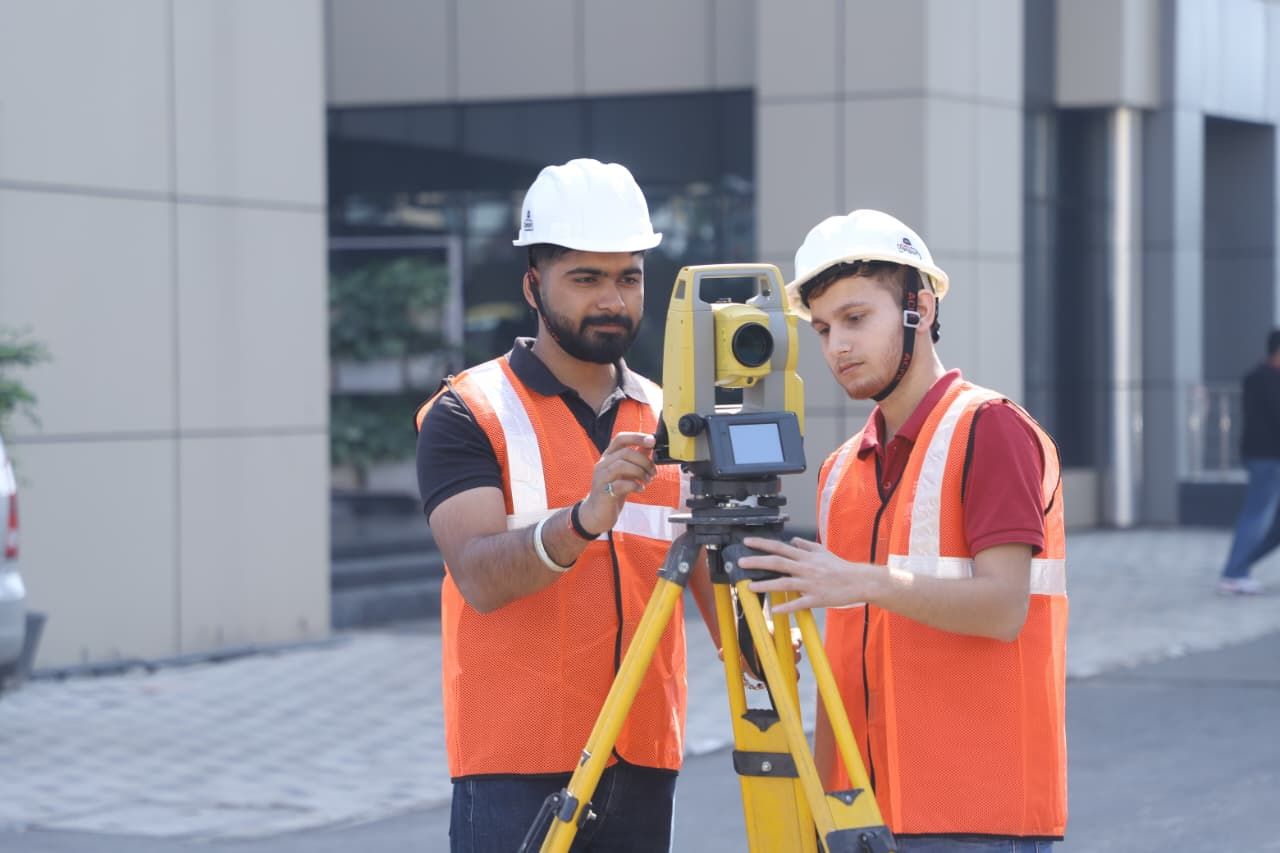
Larsen and Toubro is one of India's largest engineering and infrastructure companies. Its involvement in the curriculum helps ensure that students are exposed to industry-relevant knowledge and practices.
Electrical Engineering
The world is adapting cleaner energy and smarter power systems. This creates the need for more electrical engineers. The field covers areas like renewable energy, smart grids, and industrial automation. Chitkara University's Electrical Engineering program is designed to align with the direction in which the energy sector is expected to move over the coming decade.
Mechatronics Engineering
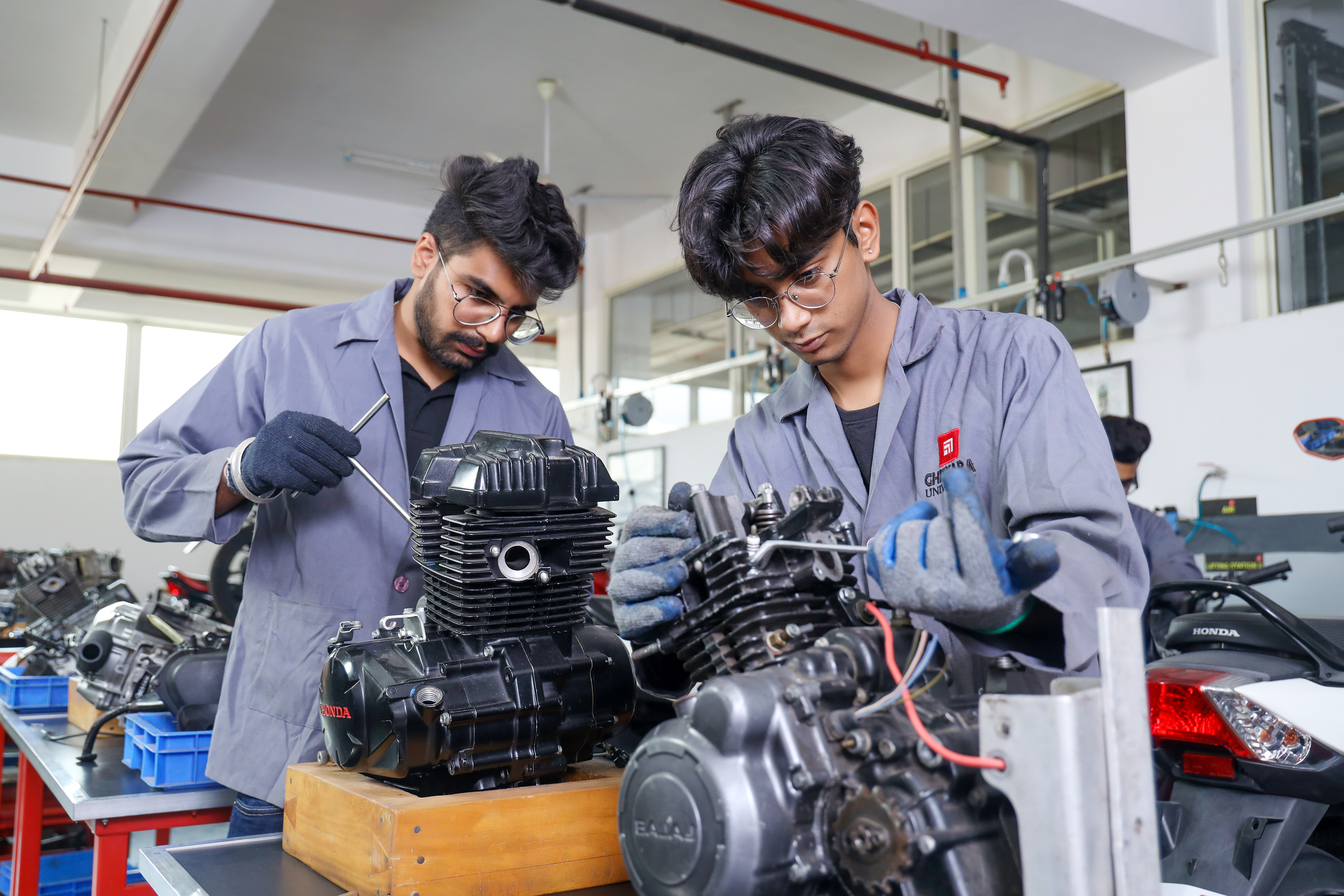
Mechatronics is one of the most relevant options for students till date. Chitkara University's Mechatronics Engineering program sits at the intersection of robotics, automation, and smart systems, preparing students for emerging opportunities across multiple sectors.
The Infrastructure Behind the Learning
What makes a difference is not just what you study, but where you study it. Chitkara University has over 100 advanced labs with industry partners like Cisco and Dassault Systems, giving students hands-on experience with tools that companies actually use. From day one, students get to work in environments built for real-world engineering.
Making the Right Choice for Your Future
After Class 12, picking the right engineering branch is not easy. And honestly, it should not be. This decision shapes the next few years of your life.
Here is something worth thinking about. Industries have always needed people who can build things, fix things, and keep things running. That has not changed. What has changed is how big the opportunities have gotten.
Before you make up you decision, ask yourself whether if you are into the idea of wanting to build things that people use in their daily lives. You get to be a part of industries that are growing and creating new possibilities across the nation.
If you answered yes to even one of those questions, core engineering is worth exploring. And if you are looking for a place that has built its programs around exactly where these industries are heading, Chitkara University is a good place to start.
Chitkara University is a UGC-recognised and NAAC A+ accredited private university with campuses in Punjab and Himachal Pradesh, recognised among India's leading institutions by NIRF, QS World University Rankings, and Times Higher Education. It offers undergraduate and postgraduate programs across Engineering, Business, Healthcare, Pharmacy, Design, Architecture, Hospitality, and emerging technologies including Artificial Intelligence, Data Science, and Machine Learning.
The University's academic model integrates internships, live industry projects, and research into core curricula, supported by 2,000+ campus recruiters and 300+ international academic and industry partners. Global Pathway programs, developed in partnership with leading universities in the United States, Australia and Canada, allow students to complete part of their degree abroad. With a focus on innovation, entrepreneurship, and applied learning, Chitkara University prepares graduates for careers in India and internationally.





![MBA/PGDM | admission | 2024 | Narsee Monjee Institute of Management Studies - [NMIMS Deemed to be University]](https://img.collegedunia.com/public/college_data/images/logos/1506323004Logo.jpg?h=72&w=72&mode=stretch)


![MBA/PGDM | admission | 2024 | Indian Institute of Management - [IIMC]](https://img.collegedunia.com/public/college_data/images/logos/1488950580d2.png?h=72&w=72&mode=stretch)



Comments