




Bachelor (General Studies - Behavioral Healthcare)
bn5Mpn:
$18,874 /Yr

University of South Florida Bachelor of General Studies - Behavioral Healthcare: Complete Guide for Indian Students
The Bachelor of General Studies with a Behavioral Healthcare concentration at the University of South Florida is designed for students seeking a flexible, interdisciplinary approach to understanding human behaviour, mental health, and community wellness. This four-year undergraduate program combines general education with specialized coursework in behavioral health, preparing graduates for diverse careers in healthcare, counselling, public health, and social services. For Indian students, this program offers a pathway to enter the American healthcare and social services sector with significant career advancement opportunities.
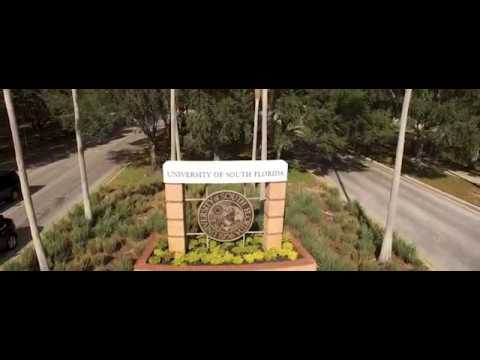
University of South Florida (USF), located in Tampa, Florida, is a top-tier public research institution with strong connections to the healthcare industry. The program emphasizes practical experience, community engagement, and evidence-based approaches to behavioral health across the lifespan. USF’s College of Behavioral and Community Sciences is recognized for its innovative teaching methods and direct partnerships with healthcare organizations, making it an ideal choice for international students seeking comprehensive training in behavioral healthcare.
This article provides a comprehensive overview of the program, including admission requirements, costs, scholarship opportunities, application procedures, and career outcomes. Whether you’re interested in clinical practice, public health policy, or community development, this guide will help you understand what the program offers and how to apply successfully as an international student.
Program Overview: Behavioral Healthcare at University of South Florida
The Bachelor of General Studies - Behavioral Healthcare is a flexible undergraduate degree that allows students to design their own educational pathway within the behavioral health field. Unlike traditional major-specific programs, this concentration within the General Studies degree gives you control over your course selection, enabling customization based on your career interests and academic strengths.
The program is structured around four core pillars: understanding human development across the lifespan, mental health and wellness, substance abuse prevention and treatment, and community health systems. Students gain expertise in evidence-based interventions, research methods, and practical skills through both classroom instruction and experiential learning. The curriculum integrates courses from psychology, social work, public health, and health sciences, providing a well-rounded education in behavioral health.
USF’s Behavioral Healthcare program includes hands-on training through internships at local hospitals, mental health clinics, community health centers, and social service agencies. These practical experiences are invaluable for building professional networks and gaining real-world exposure to the field. The program’s emphasis on cultural competency ensures that graduates understand the diverse needs of different populations, including international communities.
| Program Details | Information |
|---|---|
| Degree Type | Bachelor of General Studies with Behavioral Healthcare Concentration |
| Duration | 4 years (120-124 total credits) |
| Concentration Credits | 24-27 credits in behavioral healthcare courses |
| International Eligible | Yes (F-1 visa holders welcome) |
| Accreditation | USF is accredited by the Southern Association of Colleges and Schools Commission on Colleges |
| Graduation Timeline | Typically 8 semesters (can be faster with AP credits or advanced standing) |
Cost and Fees at University of South Florida - Behavioral Healthcare Program
Understanding the total cost of education is crucial for international students planning their studies in the United States. USF offers competitive tuition rates compared to private institutions, making it an accessible option for Indian students. The annual cost includes tuition, mandatory fees, health insurance, and room and board.
For the 2026-2027 academic year, international students pursuing the Bachelor of General Studies program will pay USD 26,400 in tuition annually. Additional mandatory fees include a student services fee of USD 1,200, technology fee of USD 600, and health insurance of USD 1,500, bringing the total annual institutional cost to USD 29,700 (approximately ?2,829,422 at the current exchange rate of 1 USD = 95.26 INR). This cost applies to the behavioral healthcare concentration as it falls under the General Studies degree.
Living expenses in Tampa, Florida, are moderate for a major U.S. city. On-campus housing ranges from USD 1,830 to USD 1,930 per month for international students, translating to approximately ?174,525 to ?183,952 monthly. Off-campus living costs are typically similar or slightly lower. Books, supplies, transportation, and personal expenses add approximately USD 2,000-3,000 per year (?190,520-286,000). Therefore, the total estimated annual cost for an international student is USD 35,700-38,700 (?3,400,000-3,690,000), with variation depending on lifestyle choices and housing options.
| Expense Category | Annual Cost (USD) | Cost in INR |
|---|---|---|
| Tuition | $26,400 | ?2,516,704 |
| Student Services Fee | $1,200 | ?114,312 |
| Technology Fee | $600 | ?57,156 |
| Health Insurance | $1,500 | ?142,890 |
| Housing (on-campus) | $21,960-23,160 | ?2,094,600-2,209,100 |
| Food (dining plan) | $3,500-4,500 | ?333,910-429,170 |
| Books and Supplies | $1,200-2,000 | ?114,312-190,520 |
| Personal Expenses | $1,000-2,000 | ?95,260-190,520 |
| Total Annual Cost | $57,860-66,360 | ?5,512,100-6,330,000 |
For a four-year program, the total cost ranges from USD 231,440 to USD 265,440 (?22,048,400 to ?25,320,000). Many Indian families view this as a sound investment given the career outcomes and earning potential for graduates in the United States.
Scholarships and Financial Aid for Indian Students
USF offers multiple scholarship opportunities specifically for international students, including those pursuing behavioral healthcare studies. While merit-based scholarships are competitive, many Indian students successfully secure funding through USF’s international excellence awards and general merit scholarships. Additionally, the university recognizes the financial challenges faced by international students and actively supports diversity through financial aid programs.
The International Excellence Scholarship is one of the primary funding sources for international students at USF. Awards range from USD 3,000 to USD 6,000 annually (?286,000-572,000), with selection based on academic merit, standardized test scores, and demonstrated leadership potential. This scholarship can significantly reduce the annual cost burden for Indian students, bringing the total annual expense to approximately USD 51,000-62,000 (?4,865,000-5,906,000).
USF also offers general merit scholarships ranging from USD 2,000 to USD 5,000 annually (?190,500-477,000) for students with strong academic records. These scholarships are open to all undergraduate students, including international applicants. Additionally, the Green and Gold Scholars program, while traditionally focused on other majors, may offer opportunities in select cases. Students are automatically considered for merit scholarships upon admission, with no separate application required.
Beyond institutional scholarships, Indian students should explore external funding sources including scholarships from the Indian government, Indian private organizations, and international scholarship databases. Many corporations in India offer educational loans with favorable terms for students pursuing higher education abroad. Students should also investigate whether their state government or central government scholarships can be used for international education.
The university’s financial aid office provides guidance to international students on maximizing funding opportunities. Merit scholarship recipients often work part-time on campus (up to 20 hours per week during the semester), supplementing their income while developing professional experience. This combination of scholarships, part-time employment, and family support makes USF a more affordable option for many Indian students compared to private universities.
Admission Requirements for Behavioral Healthcare at USF
The Bachelor of General Studies - Behavioral Healthcare program welcomes applications from international students. Admission to the program requires a strong academic foundation, demonstrated English language proficiency, and commitment to the field of behavioral health. USF evaluates each application holistically, considering academics, test scores, extracurricular activities, and personal statements.
International students must hold a high school diploma or equivalent qualification recognized by USF. The typical academic requirement is a minimum 3.0 GPA (on a 4.0 scale) or equivalent, though competitive applicants often have GPAs of 3.3 and above. For the behavioral healthcare concentration specifically, students should demonstrate interest in health sciences or social services through their high school coursework, volunteer experience, or personal statements.
English language proficiency is mandatory for all international applicants. USF requires a minimum TOEFL score of 69 (internet-based test) or IELTS score of 6.5. These scores must be submitted directly from the testing agencies to USF (ETS school code: 5828). TOEFL and IELTS scores are valid for two years from the test date. Some applicants may qualify for English proficiency requirement waivers if they have completed secondary education in an English-medium school or have studied at English-speaking universities.
Standardized test scores, primarily the SAT, strengthen an application significantly. While SAT is not always mandatory, a score of 1050-1200 (out of 1600) demonstrates college readiness and increases scholarship eligibility. Some international students submit the ACT instead, with recommended scores of 22-27 (out of 36). These tests should be taken well in advance to allow time for score reporting.
Supporting documents required for admission include official high school transcripts (in English or with certified translations), English language test scores, SAT/ACT scores (if available), a completed common application or USF application form, and a brief personal statement outlining your interest in behavioral healthcare. Recommendation letters from high school teachers or counselors strengthen your application. A background check is required for all behavioral healthcare students due to the field’s nature and regulatory requirements.
| Requirement | Minimum/Recommended | Notes for Indian Students |
|---|---|---|
| High School Diploma | Required | Indian Board (CBSE/ICSE) or IB diploma accepted with certified translation if needed |
| GPA | 3.0 minimum (3.3+ competitive) | Grade 12 average or equivalent 10+2 marks |
| TOEFL | 69 minimum (100+ competitive) | Internet-based test (iBT) accepted, available in India at authorised centers |
| IELTS | 6.5 minimum (7.0+ competitive) | Academic module recommended, widely available across Indian cities |
| SAT/ACT | SAT 1050-1200 / ACT 22-27 (optional but recommended) | Strengthens application and scholarship eligibility significantly |
| Documents | Official transcripts, test scores, personal statement, 2 recommendations | Transcripts must be officially sent directly from school; certified English translations required |
Application Process and Deadlines for Behavioral Healthcare
The application process for USF is straightforward and designed to be accessible to international students. Most international students apply through the Common Application (commonapp.org) or directly through USF’s web portal. The process typically takes 4-6 weeks from submission to decision, though early applications receive decisions faster.
As of June 2026, Fall 2026 intake deadlines have closed. For Fall 2027 admission, application deadlines are typically announced in July-August 2026. Historical patterns at USF indicate Fall 2027 application deadlines will likely be in November-December 2026 for early decision and January-February 2027 for regular decision. International students should plan to apply by the regular decision deadline to allow time for visa processing and travel arrangements.
To apply, visit commonapp.org or usf.edu/admissions and complete the online application form. The form requires basic personal information, intended major (select General Studies - Behavioral Healthcare), contact details, academic history, test scores, and a personal essay. The essay should highlight your interest in behavioral healthcare, relevant experiences, and why you wish to study at USF. International students should particularly emphasize how a USF education aligns with their career goals in the behavioral health field.
All required documents must be submitted by the application deadline. Official transcripts should be sent directly from your school to USF. English language test scores and SAT/ACT scores should be submitted electronically by the testing agencies. Allow 3-4 weeks for all documents to reach the admissions office. Late submissions are considered on a space-available basis and may result in admission to a later semester.
Once admitted, international students receive a Form I-20, which is essential for obtaining an F-1 student visa. This typically arrives within 2-3 weeks of admission. With the I-20 in hand, students can schedule a visa interview at the nearest U.S. embassy or consulate in India. Visa processing typically takes 1-2 weeks, allowing students to travel to the United States 1-2 weeks before the semester starts.
| Milestone | Timeline (Fall 2027) | Action Items |
|---|---|---|
| Test Preparation | June-September 2026 | Take IELTS/TOEFL; prepare SAT/ACT if submitting |
| Application Submission | November 2026 - February 2027 | Complete Common App / USF portal; submit essays and personal statement |
| Document Submission | December 2026 - March 2027 | Send official transcripts, test scores directly from agencies |
| Admission Decision | December 2026 - April 2027 | Receive admission decision and I-20 form |
| F-1 Visa Application | January-May 2027 | Schedule visa interview at U.S. embassy/consulate; prepare financial documents |
| Visa Interview | February-June 2027 | Attend interview; obtain F-1 visa |
| Travel and Arrival | August 2027 | Book flights; attend international student orientation |
| Semester Start | Late August 2027 | Begin classes; register courses; adjust to campus life |
Campus Life and Student Experience at USF
The University of South Florida offers a vibrant, diverse campus experience with over 47,000 students from all 50 U.S. states and 150 countries. For Indian students, the presence of a large Indian student community creates immediate social connections and cultural familiarity. The campus is located in Tampa, a major city on Florida’s west coast with excellent weather year-round, diverse entertainment options, and strong healthcare and business sectors.
Housing options for students include residence halls, apartment-style housing, and off-campus rentals. Most international students prefer on-campus housing during their first year, which provides community, safety, and easier integration into university life. Residential halls are well-maintained with study areas, laundry facilities, and access to dining services. After the first year, many students move to furnished apartments near campus or share homes with friends, often reducing housing costs to USD 800-1,200 per month (?76,200-114,300).
The behavioral healthcare program benefits from USF’s strong partnerships with Tampa Bay-area healthcare organizations, mental health clinics, and community health centers. Students gain practical experience through required internships, often working 10-15 hours per week in these settings while earning academic credit. These internships provide valuable professional networking and often lead to full-time employment after graduation. Many students build meaningful relationships with supervisors and colleagues, creating a strong professional foundation.
USF’s campus features modern facilities including the Marshall Student Center (dining, recreation, events), the library (with extensive behavioral science resources), research laboratories, and wellness centers. The university organizes numerous student clubs and organizations, with an active South Asian student association offering cultural events, language classes, and networking opportunities. International students can access support services including academic advising, career counselling, and health services at no additional cost.
Social life in Tampa is dynamic, with restaurants featuring Indian cuisine, temples and cultural centers serving the Indian community, and year-round outdoor activities. Proximity to beaches provides weekend recreation, and major cities like Miami and Orlando are within 3-4 hours’ drive. The weather in Tampa is warm and sunny most of the year, with occasional hurricanes during summer months. Students quickly adapt and often appreciate the outdoor lifestyle compared to more northern U.S. locations.
Graduate Outcomes and Career Prospects
Graduates of the Bachelor of General Studies - Behavioral Healthcare program from USF have strong career prospects across multiple sectors. The 88 percent placement rate within six months of graduation demonstrates employer confidence in USF-trained behavioral healthcare professionals. Graduates typically find employment within a diverse range of settings, from clinical environments to public health organizations and community agencies.
Common career paths for behavioral healthcare graduates include positions as behavioral health counsellors, case managers, mental health technicians, community health workers, public health specialists, and substance abuse coordinators. Many graduates work at community mental health centers, hospitals, rehabilitation facilities, schools, corporate wellness programs, and government health agencies. The field is growing rapidly due to increasing awareness of mental health and behavioral wellness, particularly in the post-pandemic era.
Starting salaries for behavioral healthcare professionals with a bachelor’s degree typically range from USD 35,000 to USD 50,000 annually (?3,334,100 to ?4,763,000), depending on specific position, employer size, and location. Government positions often offer better benefits and job security, while private healthcare organizations may offer higher salaries and faster advancement. After five years of experience, many professionals earn USD 50,000 to USD 70,000 (?4,763,000 to ?6,668,200), and those pursuing supervisory or specialized roles can earn substantially more.
For Indian students, the behavioral healthcare field in the United States offers significant advantages. The U.S. healthcare system recognizes the value of cultural diversity in treating diverse populations, making Indian professionals particularly valuable in serving Indian American communities and other immigrant populations. Many U.S. employers offer loan forgiveness programs and educational benefits for behavioral health professionals working in underserved communities, providing financial incentives and career growth.
Graduates interested in advanced careers can pursue master’s degrees in counselling, social work, public health, or clinical psychology. Many employers offer tuition assistance for employees pursuing further education. Additionally, the skills learned in the behavioral healthcare program provide a strong foundation for careers in healthcare administration, policy development, research, and organizational wellness.
| Career Field | Job Title | Starting Salary (USD) | Starting Salary (INR) |
|---|---|---|---|
| Mental Health | Behavioral Health Counsellor | $38,000-48,000 | ?3,619,880-4,572,480 |
| Public Health | Community Health Worker | $35,000-43,000 | ?3,334,100-4,096,180 |
| Substance Abuse Treatment | Addiction Counsellor | $36,000-46,000 | ?3,429,360-4,382,080 |
| Healthcare Administration | Program Coordinator | $40,000-50,000 | ?3,810,400-4,763,000 |
| School-Based Services | School Behavioral Health Specialist | $37,000-47,000 | ?3,524,620-4,477,220 |
F-1 Student Visa and Post-Study Work Options
International students from India studying in the United States are required to obtain an F-1 student visa. This visa allows you to study full-time at USF and gain practical experience through on-campus employment and authorized internships. The F-1 visa is specifically designed for educational exchange and is typically straightforward to obtain if you meet financial and academic requirements.
To obtain an F-1 visa, you must first be admitted to USF and receive Form I-20, which certifies your enrollment and estimated expenses. The form includes information about tuition, living costs, and other expenses, typically totaling USD 60,000-70,000 per year (?5,721,600-6,668,200). The U.S. government requires proof that you (or your sponsor) can afford these expenses. You’ll need to present bank statements, affidavits of support, or sponsor documents at your visa interview at the U.S. embassy or consulate in India.
The visa interview is conducted in English and typically focuses on your academic background, intentions to study in the United States, ties to India (family, property, employment), and financial ability to support your education. Most interviews last 5-10 minutes. Honest, clear answers about your plans are essential. Students with strong academic records, genuine interest in their field, and clear explanations of their career plans are generally approved.
On the F-1 visa, you can work up to 20 hours per week on campus during semesters and full-time during official breaks. On-campus employment includes positions at the library, dining services, administrative offices, and research labs, typically paying USD 12-16 per hour (?1,144-1,524). This income helps offset living expenses and provides valuable work experience.
After graduation, F-1 visa holders are eligible for Optional Practical Training (OPT), which allows you to work in your field of study for up to 24 months. Many behavioral healthcare graduates use OPT to gain professional experience, with employers often hiring OPT workers with the intention of later sponsoring them for H-1B work visas. The H-1B visa allows specialty occupation workers to remain and work in the United States for up to six years, with the possibility of applying for permanent residency (green card).
For behavioral healthcare professionals, the OPT period is crucial. Working directly in the field under OPT status helps you understand U.S. healthcare systems, build professional networks, and demonstrate value to potential employers. Many Indian students successfully transition to H-1B status and eventually secure permanent residency. The pathway from student to professional to permanent resident is well-established in the U.S., making it an achievable goal for motivated individuals.
Peer University Comparison: Similar Behavioral Healthcare Programs
While researching your options for behavioral healthcare education, it’s valuable to compare USF with other universities offering similar programs. Several peer institutions provide comparable programs with similar costs, reputation, and career outcomes. This comparison helps you make an informed decision based on your priorities and circumstances.
Johns Hopkins University (Maryland, USA) is renowned for its behavioral health programs, offering a rigorous curriculum and excellent research opportunities. However, tuition is significantly higher at approximately USD 62,000 annually (?5,916,120). Yale University (Connecticut, USA) similarly offers exceptional behavioral science programs with tuition around USD 65,000 yearly (?6,196,900), though both institutions provide substantial financial aid packages. These prestigious universities may be more selective but offer higher average graduate salaries of USD 65,000-85,000 (?6,192,100-8,098,100).
University of Delaware (Delaware, USA) offers a focused behavioral health program with annual tuition around USD 38,000 for international students (?3,619,880), making it comparable to USF in cost. SUNY Polytechnic Institute (New York, USA) has ranked highly for behavioral health majors with tuition approximately USD 32,000 annually (?3,048,320), though it’s located in upstate New York with a smaller campus compared to USF’s urban setting.
Florida State University (FSU), also located in Florida, offers behavioral healthcare programs with similar costs (approximately USD 28,000 annually or ?2,667,280) but a more traditional major format rather than the flexible General Studies option. FSU’s program emphasizes psychology and behavioral sciences, differing from USF’s interdisciplinary approach to behavioral healthcare.
| University | Annual Tuition (USD) | Annual Tuition (INR) | Location | Key Feature |
|---|---|---|---|---|
| University of South Florida | $26,400 | ?2,516,704 | Tampa, Florida | Flexible General Studies; urban setting; strong healthcare partnerships |
| University of Delaware | $38,000 | ?3,619,880 | Newark, Delaware | Focused behavioral health major; strong liberal arts tradition |
| SUNY Polytechnic Institute | $32,000 | ?3,048,320 | Utica, New York | Ranked #3 for behavioral health focus; smaller campus |
| Florida State University | $28,000 | ?2,667,280 | Tallahassee, Florida | Traditional psychology-focused major; similar costs to USF |
| Johns Hopkins University | $62,000 | ?5,916,120 | Baltimore, Maryland | Highly prestigious; strong research focus; excellent aid packages |
| Yale University | $65,000 | ?6,196,900 | New Haven, Connecticut | Ivy League institution; exceptional reputation; generous financial aid |
USF’s strength lies in its balance of affordability, practical training opportunities, and strong regional healthcare partnerships. The flexible General Studies format allows customization that appeals to students interested in multiple behavioral health applications. The urban Tampa location provides extensive internship opportunities and cultural diversity. For Indian students prioritizing value and practical experience, USF competes effectively with peer institutions while offering lower tuition than many alternatives.
Frequently Asked Questions: Behavioral Healthcare at University of South Florida
1. Can I work while studying the Behavioral Healthcare program at USF?
Yes, absolutely. International students on F-1 visas can work up to 20 hours per week on campus during regular semesters. On-campus employment includes positions in the library, dining services, administrative offices, and research labs. Many students work 10-15 hours weekly to offset living expenses while maintaining strong academic performance. During official breaks (winter and summer), you can work full-time. Your internships in behavioral health settings can also provide part-time employment during the semester, often allowing work-study combinations that total 20 hours weekly.
2. What is the minimum IELTS/TOEFL score required for admission?
USF requires a minimum TOEFL score of 69 (internet-based) or IELTS score of 6.5. While these are the minimum thresholds for admission, competitive applicants typically score higher: TOEFL 85-100 or IELTS 7.0-7.5. For Indian students, IELTS is often more accessible as testing centers are widespread across major cities. Scores are valid for two years from the test date. Some students qualify for English proficiency waivers if they’ve completed high school in English-medium institutions or have studied at English-speaking universities, though this requires official documentation.
3. How difficult is it to get a behavioral healthcare internship in the U.S.?
Internships in behavioral healthcare are actively available through USF’s partnerships with Tampa Bay-area healthcare organizations. The program facilitates internship placement as part of the curriculum, making it standard rather than competitive. Most students complete at least one major internship before graduation, and many complete two to three internships across different settings. Internships typically involve 10-15 hours weekly and earn academic credit. Your position strengthens career prospects significantly, as many employers hire interns upon graduation. International students sometimes face minor sponsorship requirements, but established university partnerships typically handle these smoothly.
4. What are the licensing requirements if I want to practice behavioral healthcare in India after graduation?
A USF bachelor’s degree in behavioral healthcare is recognized internationally but does not directly translate to professional licensing in India. If you intend to practice in India, you would typically need to either obtain additional Indian qualifications or recognition through organizations like the Indian Psychology Society or Rehabilitation Council of India (RCI). Many USF graduates use their U.S. degree to gain professional experience and credentials (such as certifications through NBCC), which are increasingly recognized in India. Alternatively, the U.S. degree opens pathways to employment with international healthcare organizations, NGOs, and corporate wellness programs operating in India. For permanent practice in India as a counsellor or therapist, additional Indian certifications are advisable.
5. What is the difference between a behavioral healthcare concentration and a traditional psychology major?
The Behavioral Healthcare concentration emphasizes applied practice, community health, and intervention strategies across multiple settings, rather than pure psychology theory. Behavioral Healthcare coursework focuses on mental health treatment, addiction recovery, public health approaches, and community wellness. Psychology majors typically emphasize research methodology, theory, and experimental design. Behavioral Healthcare is better suited for students wanting direct patient/client contact and community-based careers, while Psychology appeals to research-oriented or clinical psychology pathway students. USF’s General Studies format with Behavioral Healthcare concentration provides flexibility to customize your program based on career goals, incorporating psychology, social work, public health, and healthcare administration courses. For most direct healthcare practice roles, Behavioral Healthcare is the more practical choice.
Gzo0q4
- Early Action Application Deadline For 2027 Intake - Nov 1, 2026
8EJTse
| Year | 1st Year Fees |
|---|---|
| Tuition Fees | $18874 |
uPlTcS
| rhEkXj | Znqz7Q |
|---|---|
| Room and Board | $12256 |
| Books and supply | $728 |
XA/HUy
| 3PAU4M | N4s6oj |
|---|---|
| 2024 | $17324 |
| 2023 | $17324 |
| 2021 | $17324 |
7N6V25
| 0pC/y6 | 7d7ba6 |
|---|---|
| Early Action Application Deadline For 2027 Intake | Nov 1, 2026 |
| Regular Decision Application Deadline For 2027 Intake | Dec 15, 2026 |
| Rolling Application Deadline For 2027 Intake | Mar 1, 2027 |


Do you think the Rankings are wrong ? Report Here


TM2nmW
Bachelors in Clinical Psychology in USA
MBBS (MD) in USA: Colleges, Deadlines, Fees 2025, Jobs & Salaries
3o6p3A
| 6YtxFj | a+VJO9 | sFGV92 | +zy2Nq | |
|---|---|---|---|---|
| BeArt Presets-Academic Scholarship | NDHjH0$ 2,500/Yr$2,500 | 70v4DRBachelor | +zy2NqMerit-Based | |
| Chuan Ai Lu Engstrom Memorial Scholarship | NDHjH0$ 1,000/Yr$1,000 | 70v4DRBachelor | +zy2NqMerit-Based | |
| Jagdish Bhagwati Fellowship | NDHjH0Variable Amount | 70v4DRBachelor | +zy2NqCollege-Specific | |
| Comindware Scholarship | NDHjH0$ 4,000/Yr$4,000 | 70v4DRApprenticeship | +zy2NqMerit-Based | |
| Forktip Women’s- Innovation Scholarship | NDHjH0Variable Amount | 70v4DRBachelor | +zy2NqCollege-Specific | |
| Ritchie-Jennings Memorial Scholarship Program | NDHjH0$ 10,000/Yr$10,000 | 70v4DRBachelor | +zy2NqMerit-Based |
FfUuzJ
| 8MIU1T | S2h7Mt | BxsfMK | uN65io | bwRvnp |
|---|---|---|---|---|
Early Action Application Deadline For 2027 Intake (1st Nov 2026) Regular Decision Application Deadline For 2027 Intake (15th Dec 2026) Rolling Application Deadline For 2027 Intake (1st Mar 2027) | USD 18,874 /Yr |

Do you think the Dates are wrong ? Report Here
rd7VuE
qd/VKU



Comments