



Student (Anonymous)
Reviewed on Dec 8, 2025(Enrolled 2025)What Students Say
Likes
- High standards of rigor in research
- Reknown professors and alumni in department
- Opportunity to network with like-minded academics and scholars
Dislikes
- Only thing I wish could be better with the department if if it could offer more scholarships to incoming students. The city has also increased cost of living since a few years. Excluding this, there are no complaints with the college.
Course Curriculum
10
- The course curriculum is mostly theory-oriented and requires deep engagement with reading materials. It is quite intensive, requiring consistent reading before every class, critically discussing these readings in seminars, preparing with extra readings for assignments, and writing high-quality essays for assessments. The rigor of the course is very impressive, but can also be exhaustive after half of the term passes.
- Classes are usually scheduled in the first half of the day, with only one course per day. There are 35 students in my class, with 3 Indian students, including me.
Admission Experience
- In addition to my application to the MPhil in Development Studies at Oxford University, I also applied to the MPhil in Conservation Leadership, the MPhil in Social Anthropology, and the MPhil in Development Studies at Cambridge University, and was rejected in all three applications. I believe that my below-average academic performance in my bachelor's degree adversely affected my application.
- For my admission process, I had to fill in an online application form with my personal details and educational/work background. Along with this, I also had to attach an individual Statement of Purpose (SoP) and two writing samples. The first writing sample was a prompt to write an essay on a published work that has influenced my thinking on development. The second writing sample was any prior academic writing sample to assess articulation and critical thinking. As I did not have a prior published academic article, I wrote a fresh article on a topic of my personal interest, with the reading I had done on the topic previously. I have taken an IELTS test where I scored 8.0. I believe the minimum score for admission is to score above 7.5 on all tests (Speaking/Reading/Listening/Writing).
- My overall admission experience was a measured optimism. I did not have strong academic performance in my bachelor's and hoped that I was able to show improvement with my (somewhat) better grades in my master's. I mainly highlighted my work experience in the development sector and personal academic reading I have undertaken after graduating to demonstrate my theoretical engagement with practical experience, as it was my biggest strength.
- I first learned about the course in November 2024 and applied to the 2025-27 intake in the first week of December 2024. I received my admission offer in the last week of February 2025. I accepted the offer in July 2025 and formally joined the university in September 2025. There were no other stages for the admission process, like personal interviews, entrance tests, etc.
Faculty
10
- Courses are not taught by a single professor. Each week has a different professor based on the topic of expertise, as this is an interdisciplinary course. The teaching methodology is very engaging, and professors encourage students to keep asking questions.
- For lectures, there is one professor per class. However, seminars anchored by teaching assistants after class have around 12-13 students per group, where one TA anchors the discussions on readings. I have not heard of faculty members assisting students in finding part-time jobs.
Campus Life
10
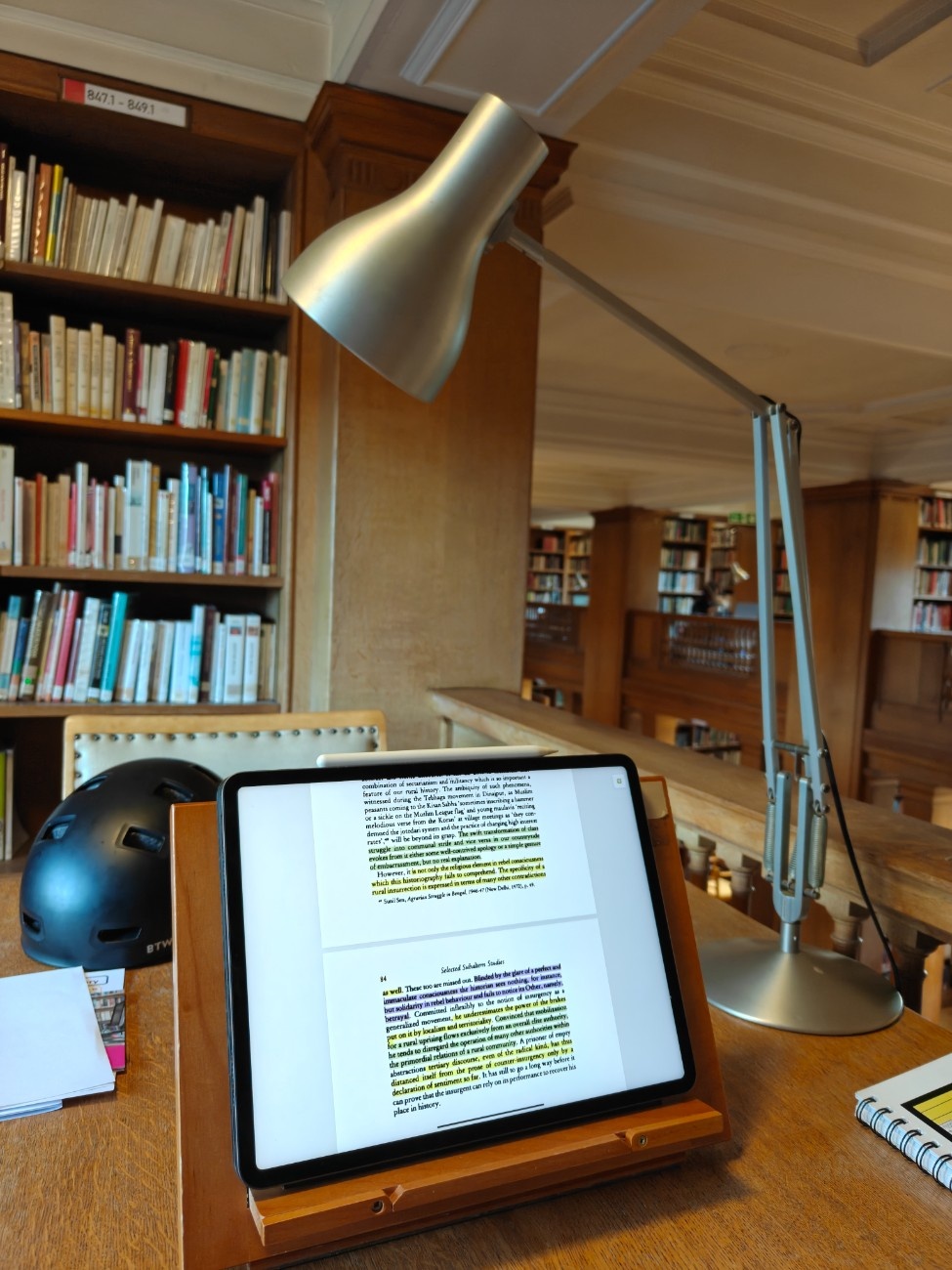
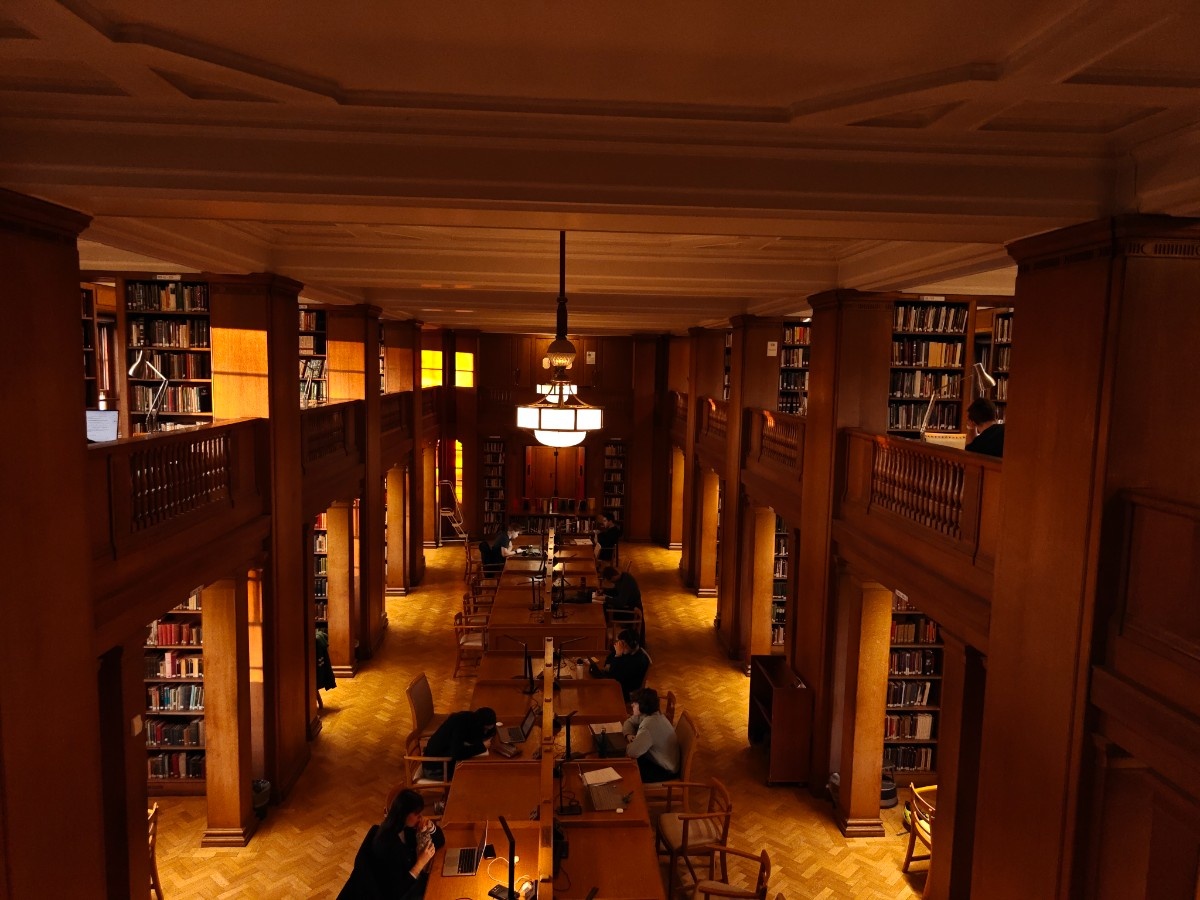
- There are many campuses for each department, research centre and college within the university. There are also separate libraries that are affiliated with the university and also with the college, to which students have access.
- All students have access to university sports facilities and are registered under a GP before arrival. There are 100+ clubs for different interests, hobbies, cultural groups, etc. It is a very happening place with multiple events and fests taking place across the university every day.
- The Freshers' fair is popular every year, where students can take a look at different societies and clubs at the university.
Part Time Jobs
- Technically, 20 hours per week is allowed, but most students in my course do not work part-time as it is a very intensive course. It is unusual for MPhil students to be offered TA/RA and DA positions. A few of my classmates work within their colleges in part-time shifts, and a few people I know from outside my class work in retail outlets, restaurants, pubs, as tutors, etc.
- Students can earn between 12 GBP and - 18GBP per hour on part-time jobs. It is not very difficult to find part-time employment, but it can affect academic work during the term.
- For job openings, students can look at online portals like dailyinfo or look at flyers that are posted on public notice boards for relevant job openings. It follows the usual process of submitting resumes, attending interviews, and a few employers may also ask for previous references.
Placement
6
- I am not aware of the placement scene of the course, as this is mostly an academically oriented course. Most students opt for further higher education or work in non-profit organizations or think tanks.
- People can find jobs after graduation by keeping an eye on the university's careers portal or by contacting organizations they are interested in working for. The department does not have a unique placement process for this course, and it is voluntary for you to engage with university-level placement events.
Accommodation
Off Campus
8
- I have found private accommodation as my college accommodation was more expensive. I found my accommodation on the Spareroom website.
- The monthly rent is around 750GBP, including all utility bills. I suggest that students be proactive on various platforms like Facebook groups, Rightmove, and Spareroom to look at accommodations and have virtual viewings if possible.
- Feel free to ask prospective landlords all the questions that you want to. My accommodation is nearly 1km from my college. Most Indian students stay in Cowley Road.
Exams
- A certification for English competency, either through IELTS or TOEFL, is compulsory for the application. For the admission process, you need your previous educational transcripts, a statement of purpose, reference contacts and writing samples that I previously mentioned.
- A CV is not required to be uploaded separately, as the portal has a form where you are required to fill in your personal details and educational/work experiences in the format that is provided.
Fees
- The tuition fees for the course are around 35,000 GBP per year. It is to be paid yearly. Depending on your lifestyle, the monthly living expenses can be anywhere between 1000 GBP to 2000 GBP, a majority of the amount going towards rent expenditure.
- Rent (including bills) can cost anywhere between 550 - 1100 GBP based on amenities, sharing options and location. Transportation is cheaper if you can cycle, and it can come around to 70-80GBP per month if you plan to use the bus regularly.
Scholarship
- I have not received a scholarship, but a few of my batchmates have received external scholarships, college scholarships and their own national government-based scholarships.
- I am not sure about how many students receive scholarships each year on average, but I believe it is a minority rather than the majority (ranging from 5-10 students out of 30 students). These students typically receive full scholarships, including cost-of-living expenses.


