


What Students Say
Likes
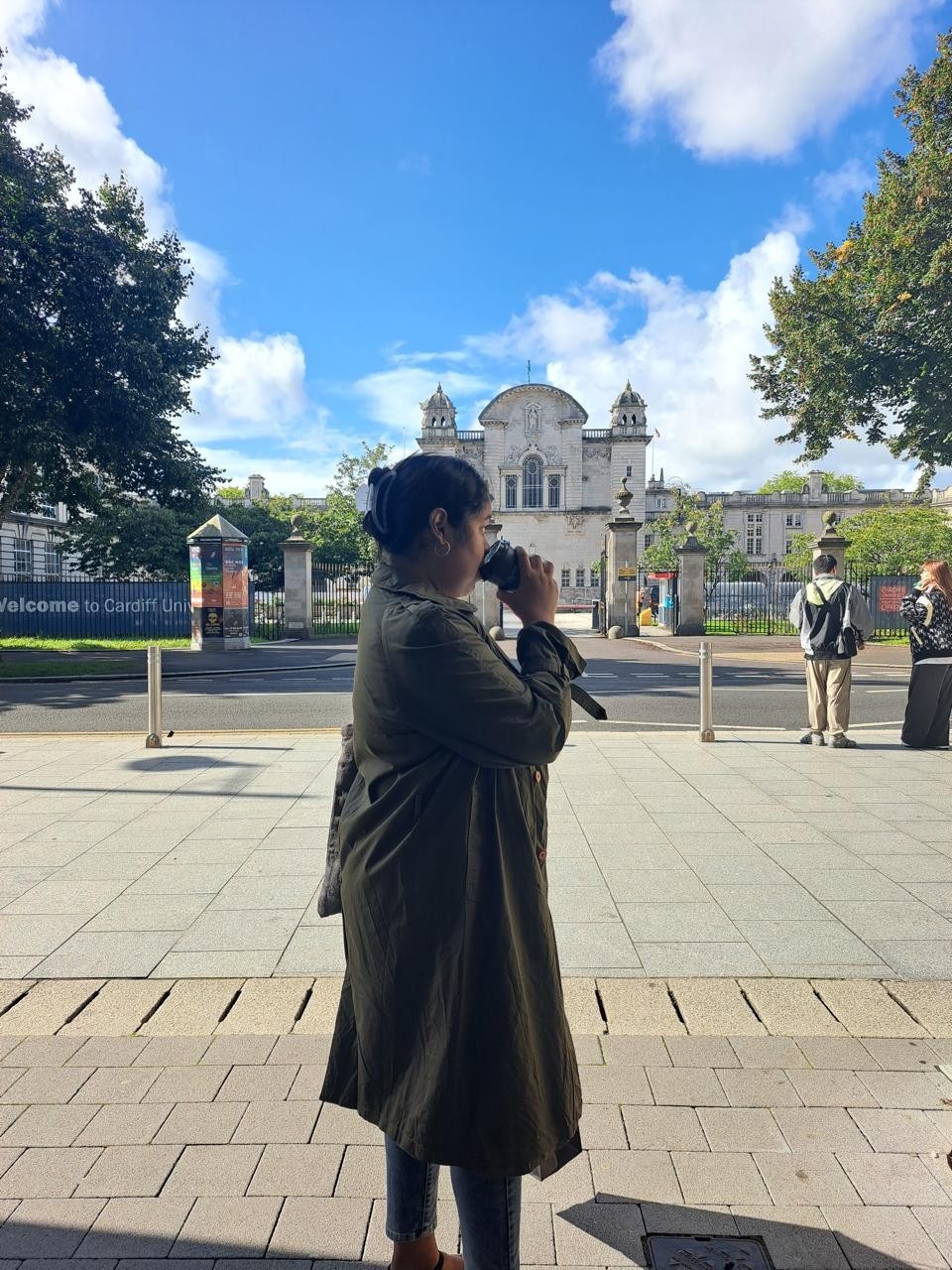
- The location it was situated in.
- The student crowd and the student union.
- The curriculum that was taught and the manner in which it was taught (the professors were the best part!).
Dislikes
- In my course, there were not enough students, like it was not that in the forefront, even though we had an amazing faculty and group of professors.
- It might get a little daunting for international student especially Indians, as the teaching method is quite fast paced.
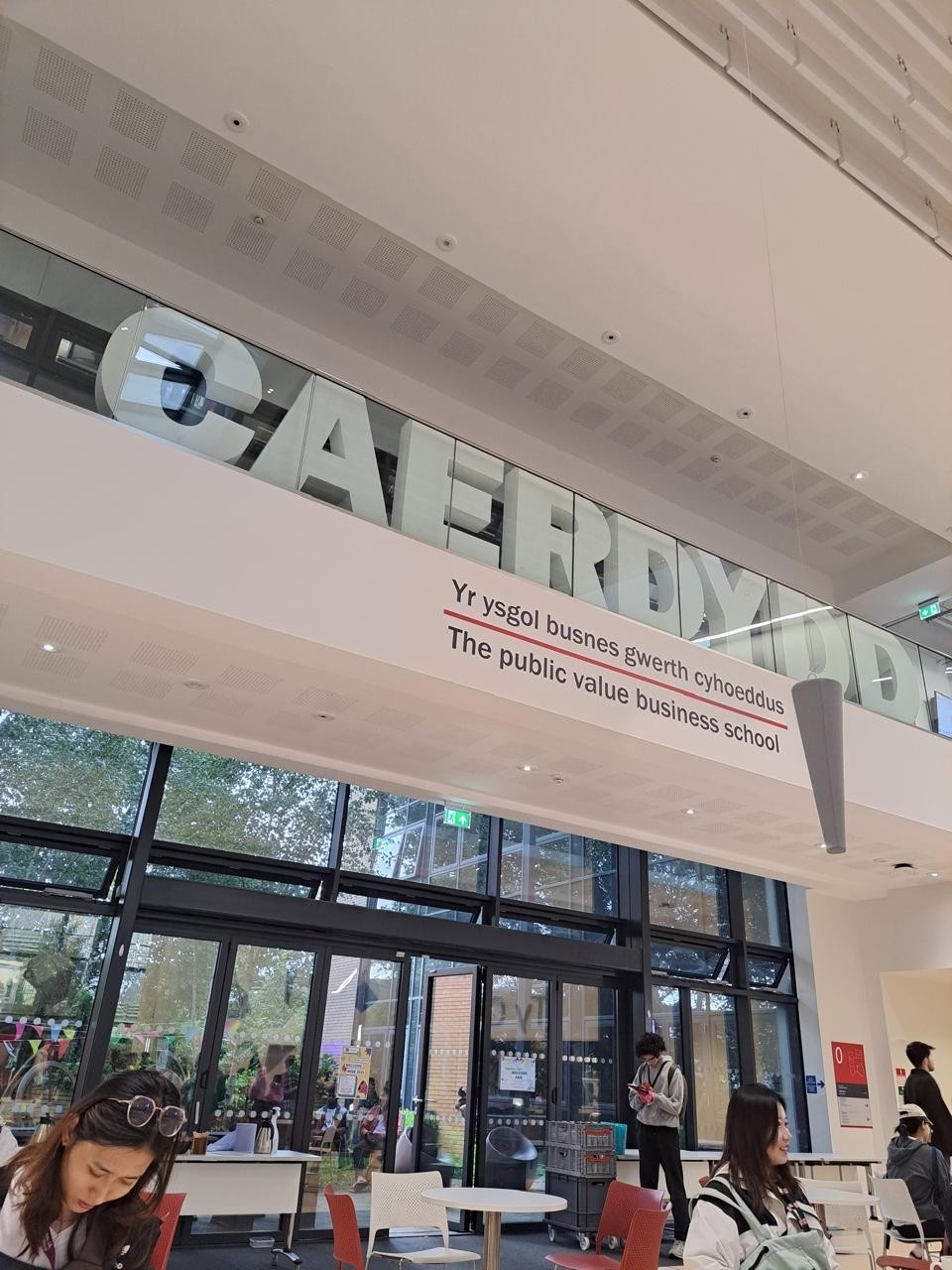
- The distance was a problem (for me since I was in business school, it was right at the end of the college premises).
Course Curriculum
10
- There were around 10 Indian students in my course, from a batch of 45 students. Our classes were twice a week and mainly stretched from 10 am to 4 pm, with each class being one hour. Our professors were the torchbearers of our course. My programme director, Toma Pustelnikovaite, was the most down-to-earth person I have ever met amongst all the other course professors.
- The most positive aspect has to be how all the professors made the classes interesting and were always there to clarify any doubts that we had. Negative would be that they often did not quite speak the 'student language' and it was a bit of a challenge, especially for the Indian students, as we are taught very differently here. The classes were a mixture of both theoretical and practical and that made them interesting as well as difficult.
Admission Experience
- I had applied to four universities. Aston University, Coventry University, Coventry university, University of Plymouth. I had received an offer letter from all 4 universities. I had received offer letters from all but it was a matter of which one came in first. I did not receive any rejection from any university, probably because my application was processed my IDP and also my marksheets were strong.
- Cardiff university is a Russell group university and given my budget and the environment I was wanting to go for, it seemed the perfect match. The rest of the universities had taken out their lists a little later; Cardiff's offer letter had come in within 4 weeks of application. My counsellor at IDP, had suggested this university and truth be told, I was not quite aware of the university. After hearing the recommendation, I did my research and I instantly felt an attachment with the place. As for the admission process, I had submitted the documents that were asked from me through my counsellor in IDP. Eligibility criteria mainly for English; my school marks were above 95 hence I did not have to give the IELTS exam, whereas some of my peers had to give the test. The overall experience was really pleasant, as I did not have to do much about it, and I was always informed from the end of the university via mail, and later the Indian representatives had created a group for better access.
- I had applied for the September intake 2023, and I had started my preparations for the same from December 2022. The reason for choosing the september intake was that it is one of the largest intakes that happens all around the UK and the January intake is a rarity and is mostly available for the students who have deferred or are put on hold. The admission process took about a week if I am able to recall correctly, and the visa and medical took about 4 months, but in all totality the process for funding and mental preparation takes about a year or so. Mine – I did not have to think much, as mostly it was taken care by IDP
Faculty
10
- My entire educational experience was greatly influenced by the Cardiff University professors. The program’s balanced faculty-to-student ration was one of its best features. We were able to get individualised attention, communicate openly with lecturers and got insightful comments on assignments and projects since it never felt crowded. My confidence and comprehension of the subject matter were greatly increased by this more intimate and targeted ratio, which also created a sense of community and motivated us to actively participate. The educational approach was interesting and useful. Our faculty blended theoretical ideas with discussions, case studies and projects that reflected workplace difficulties rather than depending only on lectures. Classes, especially that of Employment law, and Reward management shows different aspects of how HR was used and how it impacted the lives of the common man and continues to do so. Our professors mostly being HR practitioners is what made the course that much more interesting because they were able to give their own precedents and experiences, which made the classes more impactful. We were often urged to work in groups and express our opinions and critically evaluate situations – skills that are immediately applicable in the workplace. Because of the focus on real-world application, I felt ready to take on new professional challenges.
- The faculty continuously helped us to prepare for our jobs by offering advice on career routes, giving industry insights (Cardiff business school has a separate wing for placements and career counsellors who specialise in specific subjects and cores) and even pointing out chances that were relevant to our area of concern. Though I would like to point out, it was not always international-student friendly. It mostly dealt with scenarios of the UK, so sometimes it seemed that we were not quite listening to or rather understanding the circumstances outside of the UK. Nevertheless, they encouraged us to network with professionals and alumni and were available to offer career advice.
- One professor I particularly respected (and adored) was Toma Pustelnnikovaite, my programme director. She was notable for her constant encouragement, sincere concern for the development of her students and personable demeanour. Whether we needed advice on homework, dissertation planning, or future career choices, she was always there to help even though she did not take any of our active classes. I genuinely appreciate the mentorship I received from her and her capacity to uplift and comfort kids in trying times had a lasting impression on me.
- All things considered, Cardiff University’s professors maintained a supportive, demanding and career-focused atmosphere. My time there was unforgettable because they struck a mix between academic rigour, real-world experience and individual support.
Campus Life
10
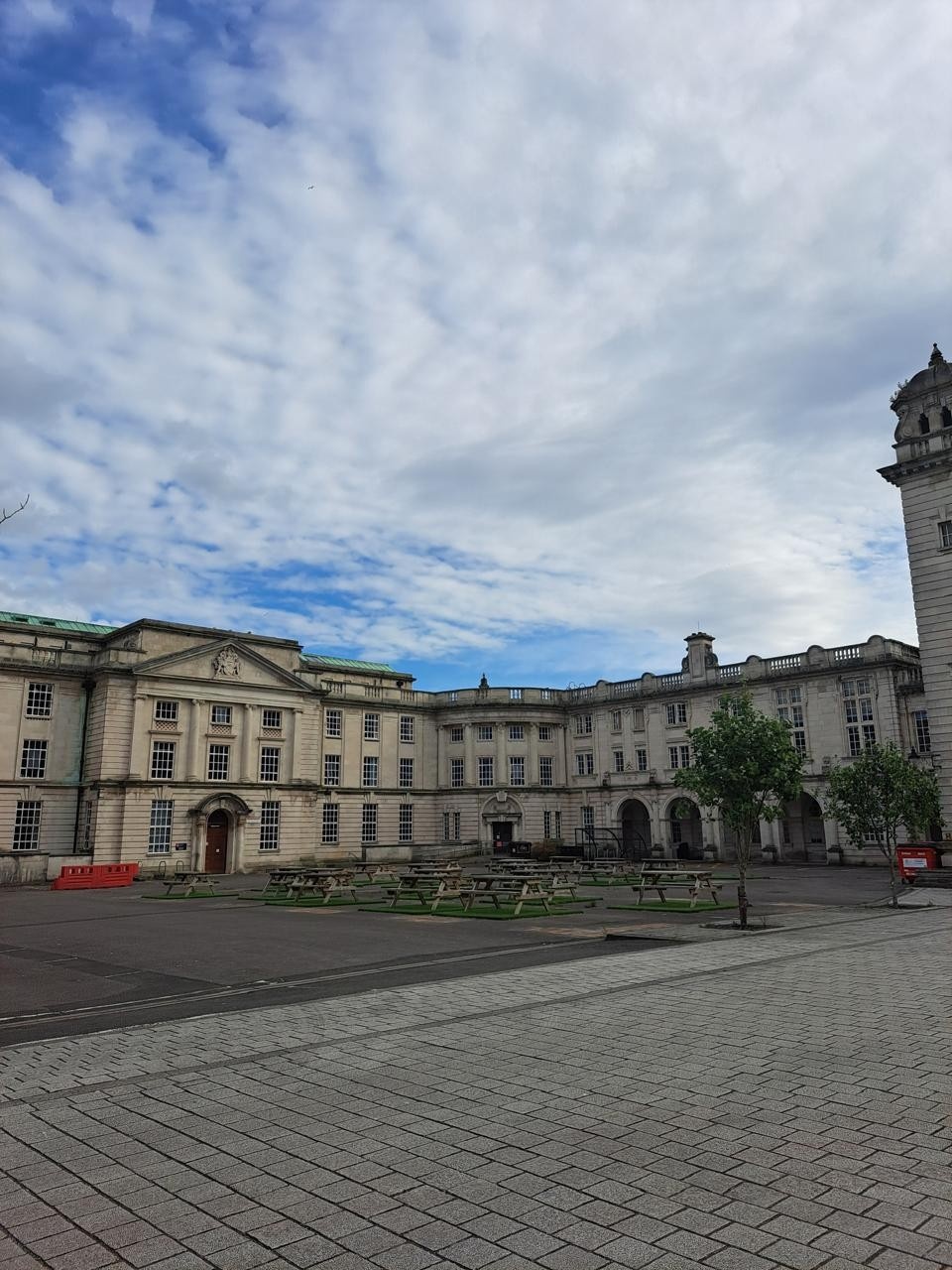
- The majority of Cardiff university’s academic buildings, libraries and Student’s Union (SU) are situated on the Cathays Park campus, which is home to the university’s campus life. The campus provided first-rate amenities that made daily academic life easier, including state-of-the-art lecture rooms, IT labs and study areas. The ‘Give it a go’ initiative made it simple for me to figure out professional societies, cultural groups and even informal hobby-based clubs. International students had a strong sense of community because of the frequent concerts, student club nights and cultural events like Diwali, Holi, Bollywood nights and Lunar new year held at major venues like Y Plas and the Great Hall.
- My programme frequently organised networking events, workshops and guest lectures that were very beneficial to the department. These gatherings frequently introduced us to alumni and business leaders, assisting us in understanding potential career options and boosting our self-esteem for life beyond graduation. Additionally, the department promoted involvement in university-wide events, which allowed us to strike a balance between extracurricular activities and academic focus. One of the highlights of my experience was seeing how the campus combined social and academic life seamlessly. For example, it was typical for students to attend a society event or unwind at the Taf, the SU’s student-run bar, following a demanding day of lectures. Many of my classmates became members of departmental societies, which facilitated career discussions, mixers, and socials in addition to fostering academic development.
- All things considered, Cardiff University’s advanced amenities, department-led activities and active extracurricular environment made my time there memorable and well-rounded. It was about joining a supportive and diverse community as much as it was about academics.
Part Time Jobs
- Cardiff university offers both on-campus and off-campus part-time employment options, although there may be fierce competition. Since PhD or research students are typically eligible for positions like TA, RA, or DA, taught master’s students frequently search for additional on-campus employment. In my instance, I primarily served on Open Days as a student ambassador. I answered questions, provided tours and assisted potential students. It was easy to find time for with studies because the hours were scheduled well within the 20 hour weekly restriction for international students and the income was about GBP 12 per hour.
- The institution provided a number of additional paid positions, including those at the Students’ Union, administrative offices and the library. Many students also worked at the well-known student bar, The Taf, which is housed in the Students’ Union. Working at the Taf offered a great opportunity to meet new people and earn money, since it was a vibrant spot where students frequented for social events, food and beverages. Many students found part-time jobs off campus in Cardiff’s supermarkets, restaurants, and retail establishments, with hourly wages from GBP 10 to GBP 11. Overall, even though it took perseverance and early applications to locate the ideal position, the university’s own opportunities – such as ambassador programmes or work at the Taf – were particularly rewarding because they supplied financial support and valuable experience.
- The majority of Indian students at Cardiff University would rather work part-time in the hotel, grocery and retail industry. Because they offer consistent hours and flexible schedules, jobs like Tesco, Sainsbury, Aldi and eateries are highly sought-after. One of my classmates, for instance, was a shift lead at Tesco, which paid well and provided him with useful management experience while he was a student. The typical hourly rate is between GBP 10 and GBP 11 which is the same as the minimum wage in the UK. Although they are more competitive and scarcer, on-campus jobs like student ambassador positions, library employment, Student Union cafes and The Taf bar frequently pay a little more at GBP 11-12 per hour and are more convenient.
- Usually the application procedure involves filling out an online application through the university’s employment board, employer websites or job portals. CVs are also frequently dropped off in person by students in retail and hospitality industries. International students frequently have an advantage in landing jobs thanks to networking and word-of-mouth recommendations. Nevertheless, the labour market has become more difficult in recent years. There is more competition for part-time jobs due to growing living expenses and economic uncertainties, particularly among overseas students. Companies are more stringent when it comes to flexible scheduling and some industries have cut back on hiring. As a result, finding employment could take longer than it used to and students sometimes have to start early and apply extensively.
- Notwithstanding these obstacles, Indian students are nevertheless able to secure part-time jobs that contribute to their expenditure and give them experience working in the UK.
Placement
8
- It has been quite difficult for me to get full-time employment after finishing my education at Cardiff. Although the institution emphasises employer contacts and career guidance, the sponsorship barrier makes life extremely different for overseas students. Most of us had trouble even getting interviews in the UK, even after applying to innumerable jobs and many of us were compelled to either go back home or hunt for work overseas.
- In order to obtain some experience and avoid having a gap on my resume, I had to return to India, where I could only find a very basic position that pays very little. It has been annoying since after spending a lot of time, money, and energy on a degree from the UK, international graduates were not given the possibilities we had anticipated.
- This issue is made even more complicated by the fact that, like many others, I also have to back an education debt. However, in my opinion, it is not even remotely drab and uninteresting. A few overseas students do find fulfilling jobs with perseverance, networking and the correct strategy. Sometimes the appropriate opportunity does present itself, whether it’s a respected employment overseas where their degree is recognised or a sponsored position in the UK.
- Although the process is challenging, it is not impossible, as demonstrated by the fact that several of my friends were successful in landing jobs that matched their qualifications and professional objectives. Overall, the hardest aspect of the journey has been making the switch to full-time employment, even though the education itself was fulfilling.
Accommodation
Off Campus
10
- I chose to live at West Wing, an off-campus private accommodation, during my stay at Cardiff University. It was around 20 minutes from the main campus. Cardiff has many possibilities, so the search was simple. However, the finest spots are packed up quickly, so it’s better to start early.
- Before coming, I booked my spot online, and I would strongly advise the international students to do the same. Wi-Fi, utilities, gym access, study rooms and common areas were all included in the monthly fee at West Wing. (I used to pay GBP 170 per week for my room, which was a studio apartment). These aspects which offered comfort and chances for peer interaction, greatly influenced the lives of students. As an international student, it was comforting to know that security was robust.
- Although the West Wing and other private accommodations are convenient, the university also offers its own apartments. However, because they tend to sell out rapidly, reservations must be made well in advance.
- When they miss out, students often go to private options. The daily commute was a minor drawback of living off campus, but walking and public transport were dependable and doable. Due to their affordability and closeness to the university, Cathays and Roath are highly sought-after by Indians and foreign students seeking vibrant, student-focused neighbourhoods.Overall, I had a good experience at West wing, it was my home away from home, and I will always have an attachment to that place. I will forever cherish the experiences I had there and it has deeply shaped me into the person I am today.
Exams
- Depends on the subject you are choosing. For my course, GMAT would be preferred but it was not mandatory at all. IELTS was mandatory for those who did not have the threshold that was provided by the university. If a student had scored above 95 for an English medium school, then they were not required to give the english exam.
- The documents that are needed are SOP, LOR, and mark sheets. The universities abroad really harp on a good statement of purpose; hence, it is of utmost importance to make your SOP very strong. For my course there was no interview needed.
Fees
- Though I will not be able to give you a complete breakdown, as it has been well over a year, my tuition fees were GBP 24000 for the one-year course. And I was staying in a private student accommodation, which was GBP 9000 for a year. But one can stay in student accommodation, where it would be a little cheaper but the distance from the university to the student accommodation is a little bit odd and also they do not give that kind of facility if one pays a little bit extra.
- Cardiff in itself is very much affordable and student-friendly. Monthly expenses for me were around GBP 300, but I knew some of my friends who used to survive on GBP 150, so it completely depends on the needs and requirements of the individual.
Scholarship
- Yes, I had received a scholarship; it was the International bursary that was given, GBP 2000 off from the tuition fees. But there are a multitude of other scholarships, like the Cardiff India Scholarship and externally funded options, like the Chevening Scholarship and Commonwealth Scholarships. On an average, almost 70-80% students receive scholarships from Cardiff every year


