



Reviewed on Mar 5, 2026(Enrolled 2024)
What Students Say
Likes
- You would find a ton of diversity in NTU, students from all around the globe which is not that common in other Singaporean Universities.
- Clubs and Societies exist for every interest possible.
- Professors, though only a handful, put high emphasis on practical learning.
Dislikes
- Racism still exists within clubs and societies and is also a problem in a few modules.
- The university location is near the border, making visits to city centre very difficult.
- Everyone's mindset here is highly job oriented and not business related.
Course Curriculum
8
- I am studying Business and Entrepreneurship. The course is not very difficult; the level of difficulty depends mainly on the specialization. For eg, specializations such as Risk Analytics and Actuarial Sciences are very hard, Finance and Business Analytics are mid, and Marketing and Human Resources are very easy. The course is highly practical, where each session requires you to be vocal. Positives are that you get specialized knowledge in one field, which helps to land a job better, negative is the repetition that comes with it.
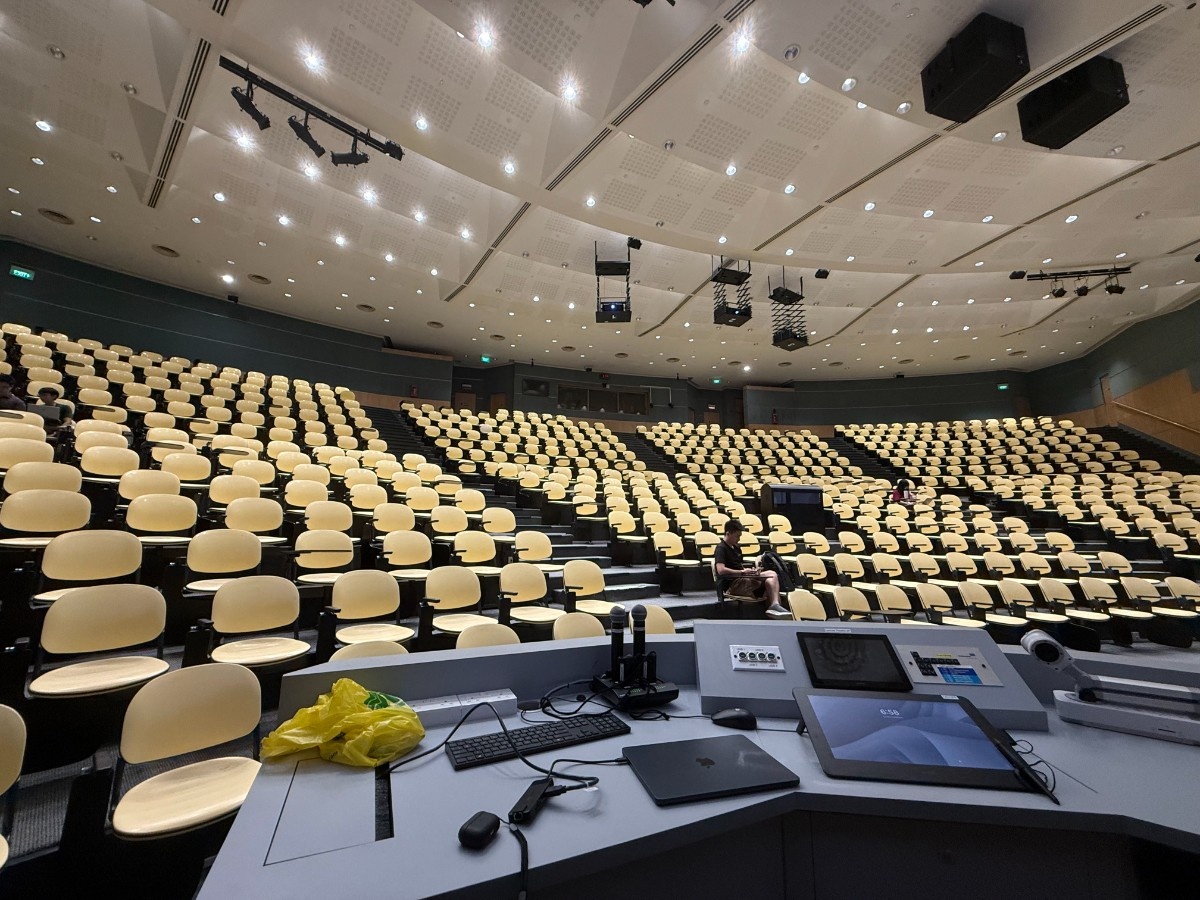
- In a day, there would be no more than 3 classes, but each can be 3-4 hours long. The average number of students in one class is 35. There are not many Indians in Business. Most of them are in computer science.
Admission Experience
-
I applied to the following universities:
- Nanyang Technological University - Admitted
- University of Sydney - Admitted
- University of Melbourne - Waitlisted (I lacked testimonials from my school teachers, and also did not have a SAT score, as I did not give SAT exams)
- NMIMS - Admitted
- Christ University - Admitted
- Shiv Nadar University - Admitted
- Delhi University - Admitted
- SP Jain - Admitted
- I chose NTU as it is globally ranked in the top 20, it is also in Singapore, which means my travel would not be very difficult, and I could come back to India immediately in case of any emergencies. The admission process is as simple as it gets; you have to submit your transcripts and write an SOP along with an essay on your achievements and projects. Once you get your letter of admission, the Visa process will be explained by the university, and it is not complicated to follow through. SAT and IELTS both are accepted, but are not mandatory; I did not submit either score.
- I applied for the August Intake, with no particular reasoning. The application took me one hour to fill out. I filled out the application in December, and then next year May, I got my results. The procedure for a visa is a bit time-consuming, but you will be well guided by the university. Then university would commence in August, but freshers have to come in July itself to attend orientations and settle down in hostels.
Faculty
8
- The ratio is roughly 1 to 30; the ratio is actually fine because in a small class of 30, the prof is able to pay attention to everyone individually.
- The teaching methodology includes self-learning, then discussion, and finally doubt clearing. The skills taught are good enough, but due to competition, it is better to acquire more skills than are required for a job position.
- Very rarely would a professor help a student find a job.
- I would say the entrepreneurship professors who have built their own businesses from the ground up are highly knowledgeable and practical.
Campus Life
10
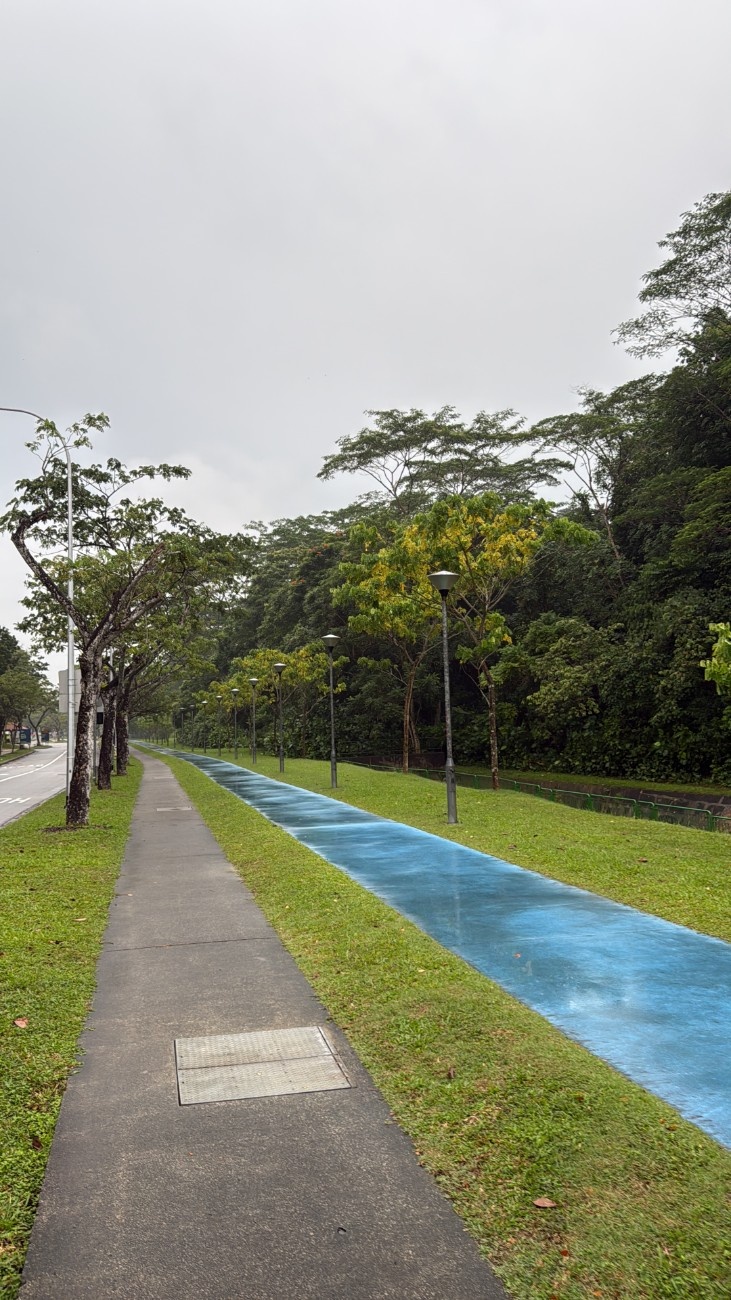
- It's only one campus, quite close to the Singapore-Malaysian border, but very far from the city centre.
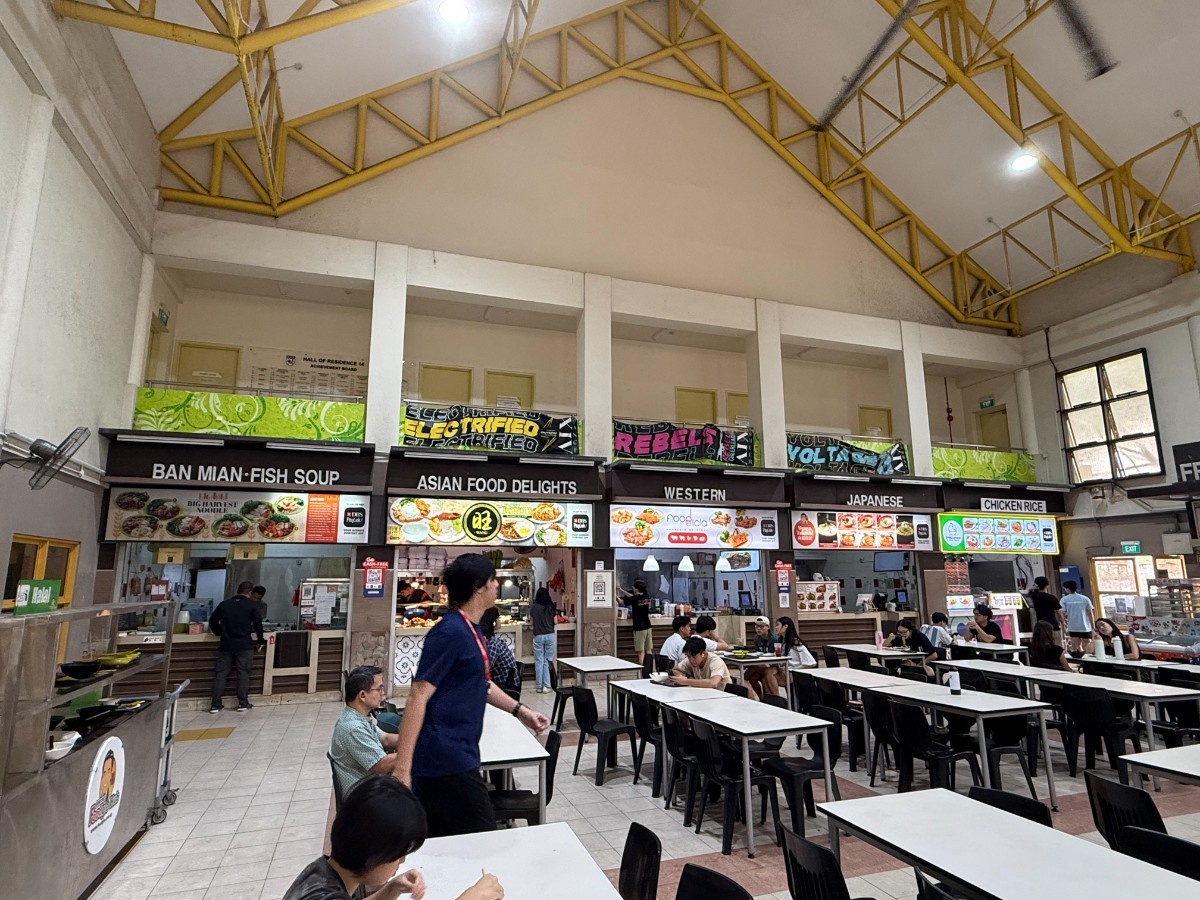
- There are libraries, multiple canteens, every possible sports court, including a swimming pool, a hospital and a dental clinic. They are also opening a hotel on campus very soon.
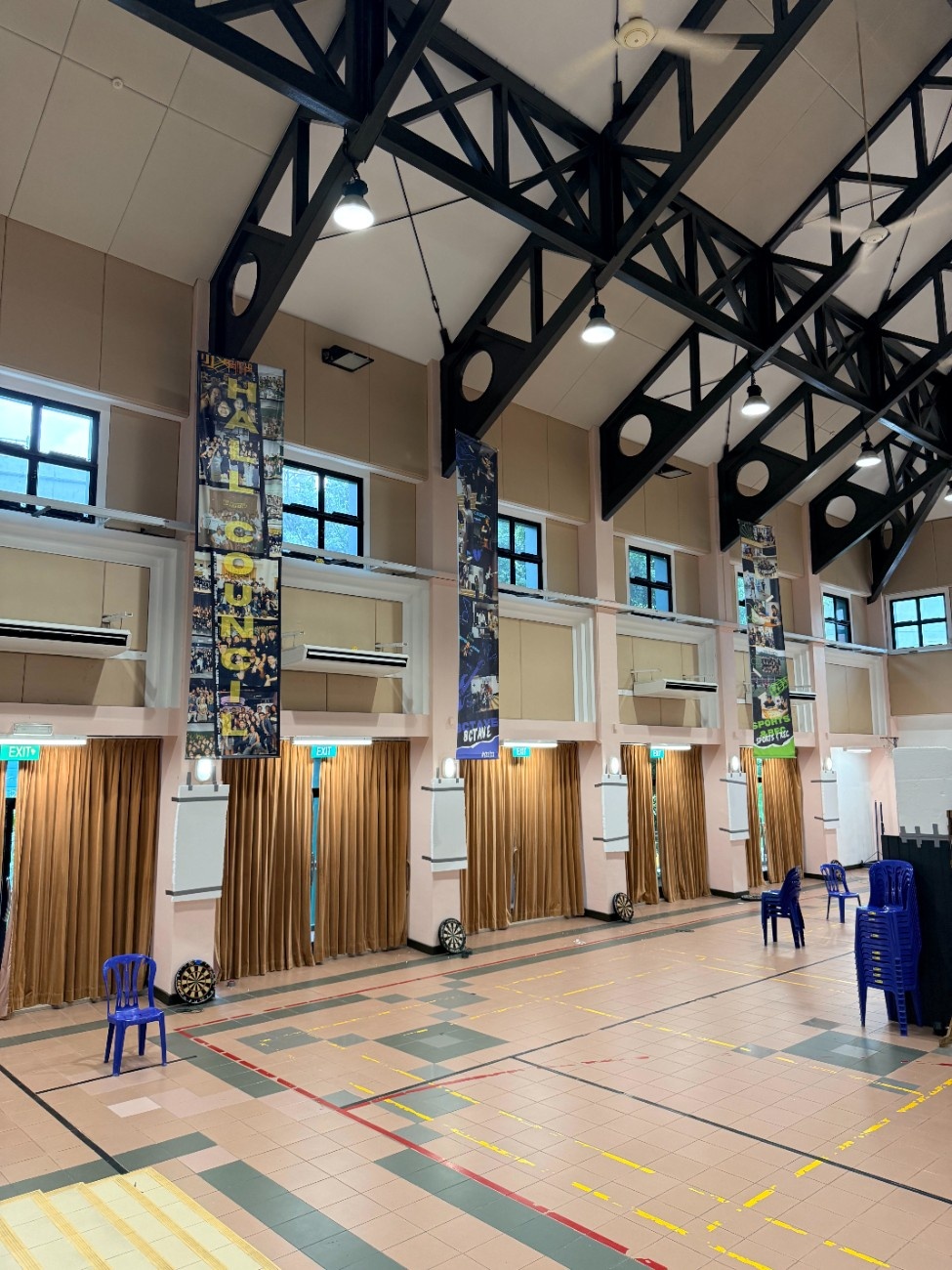
- There are 100+ clubs and societies in NTU, the most popular ones being the Welfare Service Club, Investment Interactive Club, Rotaract Club of NTU and the Muslim Society. As per festivals, there is the NTUfest. Also, being part of the Hall Council or JCRC is considered a big deal.
Part Time Jobs
- It's a very rare job to get, but you can always approach a professor to help them out in exchange for monetary compensation. There is no specific number.
- $10 to $12 per hour
- There are no on-campus jobs available.
- 16 hours per week
- It is not easy at all as jobs are not available, but students can earn money by participating in economic studies, which happen frequently. They are 1-2 hours long and can pay upto $30.
- Depends on the job; if it's non-skill-based, such as serving or sales, then it is usually between $10 and $15. For skilled jobs, which are like part-time internships, you can make all the way to $25 per hour. It is easy to get the non-skill jobs.
- For part-time internships, use LinkedIn to reach out to companies and ask if they need any part-time helpers. For other jobs, there are Telegram groups that you can join. If you like a job posting, then you can apply by sending your resume.
Placement
6
- Roughly 80% would land a job after graduating.
- The salary can range from $5,000 to $15,000 per month.
- Finding jobs can be done through LinkedIn or using the school portals such as InPlace, CareerAxis, and CareerFit.
- Companies like Grab and Shop hire a lot. If you are from finance, then go for the top-tier companies as they hire many from Nanyang Technological University, but for that, you would require internship experience in Boutique Firms.
Accommodation
Off Campus
8
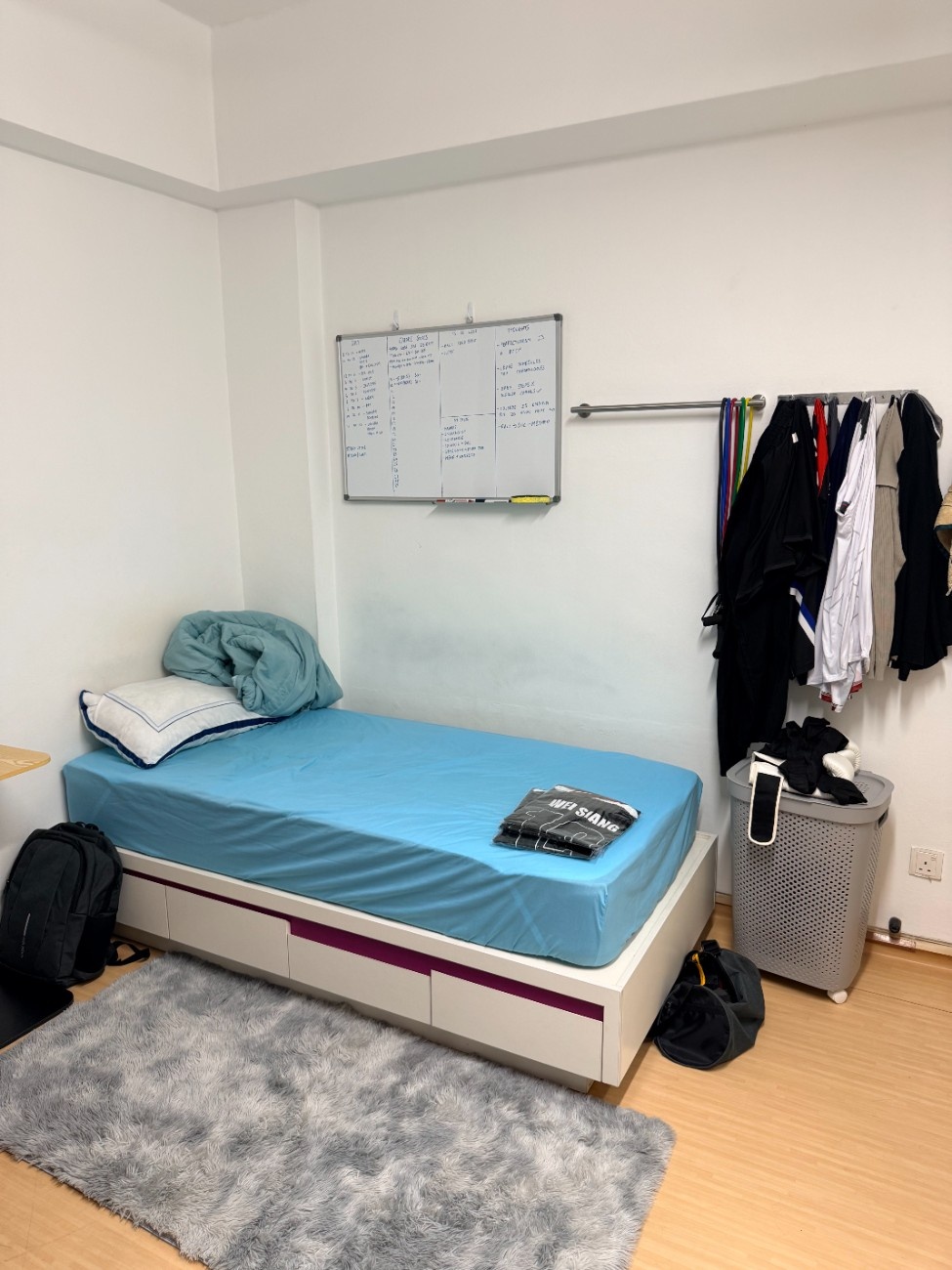
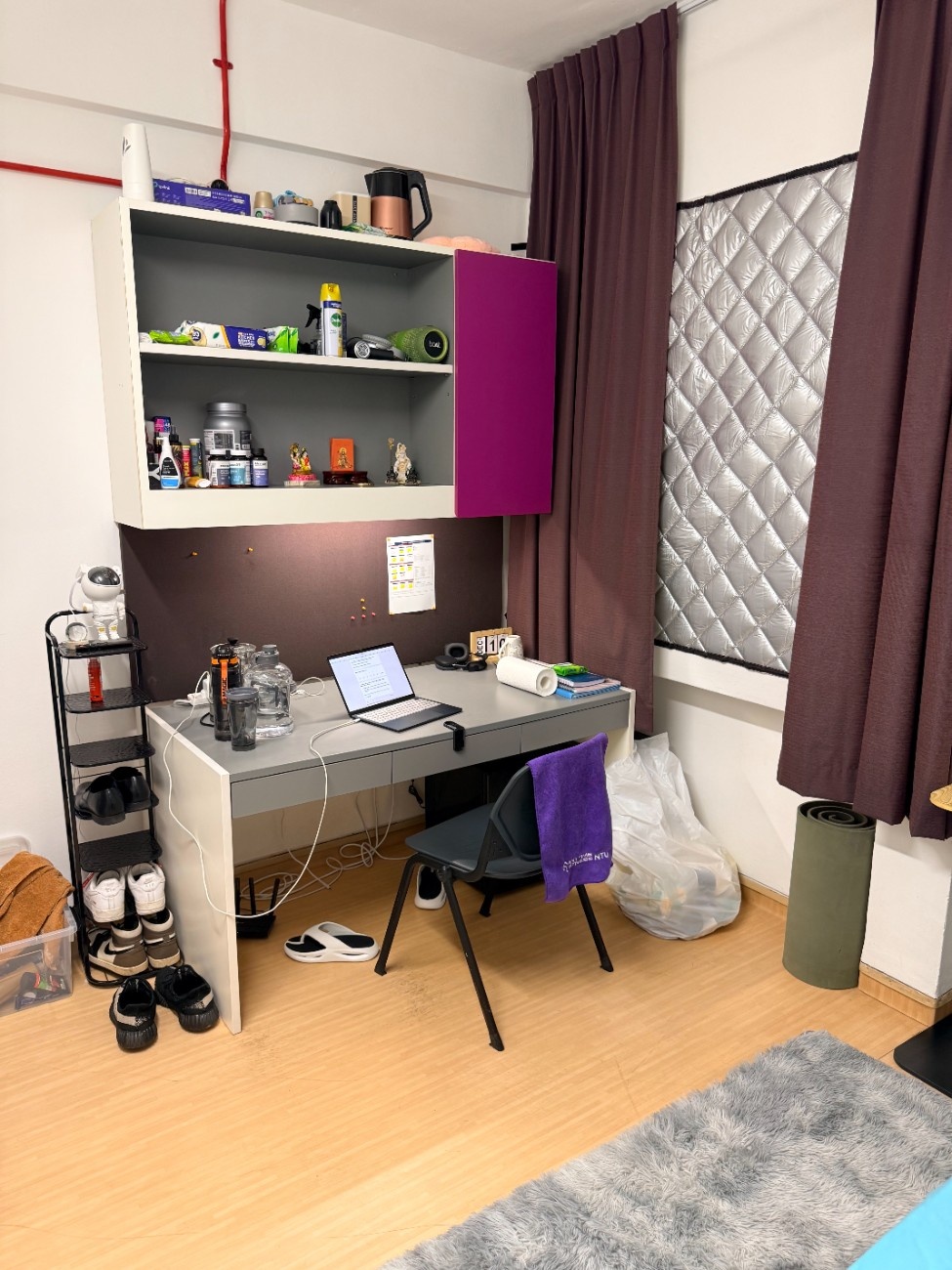
- I stay in the hostel, which is the most convenient accommodation. Every student is guaranteed a hostel for the first 2 years if they want. Then, after they would have to contribute to their halls by taking part in clubs and societies.
- The monthly rent ranges from $500 to $700, depending on the occupancy of the room and air-conditioning facilities.
- Just be active in clubs and societies.
- Most of the Indian students stay in the hostel itself.
Exams
- No exams are required or even recommended, honestly, for Nanyang Technological University. You need to have a high score in your 12th grade; if you do not, then the alternative would be a high SAT score.
- You would have to submit an SOP, write an essay on your achievements and your projects, and a well-formatted CV. There is no interview process; it is only on the basis of your application (grades and resume).
Fees
-
20,000 to 22,000 Singaporean Dollars per semester for a minimum of 3.5 semesters to a maximum of 12 semesters, depending on different courses. Hostel fees vary according to Hall, Room Type (Aircon/ Non-Aircon), and Occupancy (Single / Double Sharing). There are also rooms with attached washrooms, which can be even more expensive. The fees is charged on an annual basis. Monthly expenses include:
- Food - $300
- Groceries - $200
- Laundry - $20
- Phone Recharge - $30
- Travel - $50
- Books - $100
- Miscellaneous - $50
- Total - $750
- All figures are in Singaporean dollars.
Scholarship
- Yes, for Indians, the best approach is to apply for a scholarship at the same time of application. Getting a scholarship later is not possible, as most opportunities only exist for Singaporean citizens. The amount is completely dependent on the school.
- Additionally, you can apply for a 3-year tuition grant, which cuts your educational fees by half, and you are required to work in Singapore for at least 3 years after graduating, or a 6-year tuition grant, which covers your entire tuition fees, but you sign an indemnity that states you will work in Singapore for at least 6 years after graduating. The option to opt for a tuition grant is in the admission application itself.


