

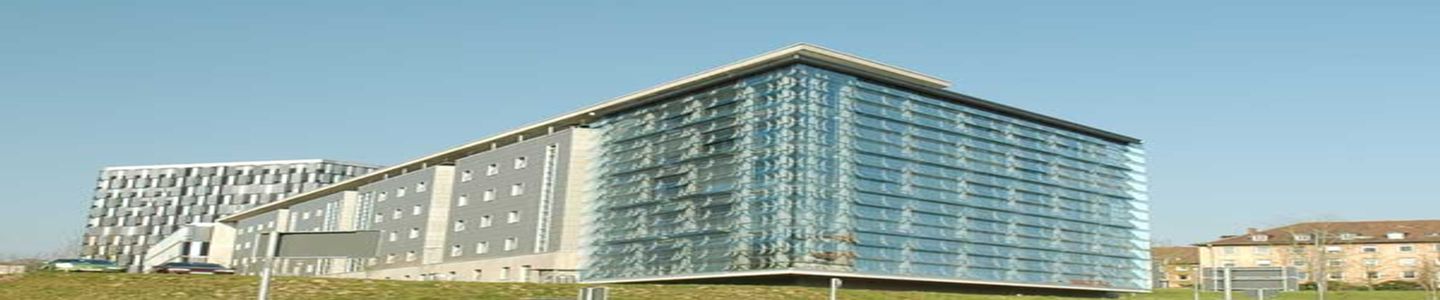



Saarland University of Applied Sciences is a public university of applied sciences in Saarbrucken, capital of Germany’s Saar-Lor-Lux tri-border region, founded in 1946. The university enrols over 6,000 students across four schools covering business, engineering, social sciences and architecture.
Known widely as htw saar, the institution offers 40+ bachelor and master programmes, including three fully English-taught tracks: Mechanical Engineering B.Eng., International Business B.A. and International Management M.A. Indian applications route through the central uni-assist portal, and the APS certificate is mandatory before submission. Two intakes run each year: Winter (October start, primary) and Summer (April start).
- Type: Public university of applied sciences (Hochschule)
- Acceptance rate: ~35% (estimated)
- Intakes: Winter (primary, October) + Summer (April)
- Semester contribution: EUR 364 (₹34,944), Winter 2025/26 rate
- International students: ~15-16% of student body
- Average German engineering PG starting salary: EUR 48,000-56,000 (₹46-54 lakh, market median)
Tuition is fully waived under Saarland state policy; only the semester contribution applies, and it covers administration, student services and the regional transit ticket. Indian graduates on eligible degrees qualify for the 18-month post-study job seeker route and subsequent EU Blue Card pathway.
Exchange rate used: 1 EUR = ₹96 as of September 2026
Admission Status: Closing Soon (Winter 2026/27 extended open programmes). The published deadline of 30 September 2026 is 24 days away; Indian applicants for open-admission programmes should submit through uni-assist immediately. The next cycle is Summer 2027, with restricted programmes closing 15 January 2027 and extended open programmes closing 31 March 2027; a limited set of programmes accept summer intake. For the primary Winter 2027/28 intake, restricted programmes close 15 July 2027 and extended open programmes close 30 September 2027 on an unchanged rolling basis.
Table of Contents
- Popular Courses and Fees at Saarland University of Applied Sciences 2027
- Saarland University of Applied Sciences Admission 2027
- Saarland University of Applied Sciences Admission Requirements for Indian Applicants 2027
- Saarland University of Applied Sciences Acceptance Rate 2027
- Saarland University of Applied Sciences Fees and Cost of Living for Indian Students 2027
- Saarland University of Applied Sciences Campus, Facilities and Student Life
- Saarland University of Applied Sciences Scholarships 2027
- Saarland University of Applied Sciences Rankings 2027
- Saarland University of Applied Sciences Placements and Career Outcomes 2027
- Saarland University of Applied Sciences vs Peer Universities
- Saarland University of Applied Sciences FAQs
Popular Courses and Fees at Saarland University of Applied Sciences 2027
Saarland University of Applied Sciences charges no tuition on any bachelor or master programme under Saarland state policy; every enrolled student pays only the semester contribution, which is EUR 364 for Winter 2025/26 and revised each semester. The contribution covers administration, student services and the regional transit ticket. Bachelor programmes run six semesters and masters three-to-four semesters across four faculties.
Top Postgraduate Programmes at Saarland University of Applied Sciences 2027
Postgraduate courses last three to four semesters. The semester contribution is uniform across programmes at EUR 364 (₹34,944) per semester; the language column flags where German is required alongside English.
| Programme | Language | Semester Contribution (EUR) | Semester Contribution (INR) | Entry Requirement |
|---|---|---|---|---|
| International Management M.A. | English + German B1 | EUR 364 (Winter 2025/26) | ₹34,944 | Bachelor’s with 55% or CGPA 5.5/10 (recommended); IELTS 6.5 (C1); German B1 |
| Praktische Informatik M.Sc. | German | EUR 364 (Winter 2025/26) | ₹34,944 | Bachelor’s with 55% or CGPA 5.5/10 (recommended); German C1 (DSH-2/TestDaF 4) |
| Maschinenbau/Prozesstechnik M.Eng. | German | EUR 364 (Winter 2025/26) | ₹34,944 | Bachelor’s with 55% or CGPA 5.5/10 (recommended); German C1 |
| Kommunikationsmanagement M.A. | German | EUR 364 (Winter 2025/26) | ₹34,944 | Bachelor’s with 55% or CGPA 5.5/10 (recommended); German C1 |
| Wirtschaftsinformatik M.Sc. | German | EUR 364 (Winter 2025/26) | ₹34,944 | Bachelor’s with 55% or CGPA 5.5/10 (recommended); German C1 |
[Source: Saarland University of Applied Sciences official semester fee page]
Top Undergraduate Programmes at Saarland University of Applied Sciences 2027
Bachelor programmes last six semesters. Indian applicants with only Class 12 typically need one year of successful Indian university study OR Studienkolleg entry before direct admission; details sit in the requirements section.
| Programme | Language | Semester Contribution (EUR) | Semester Contribution (INR) | Entry Requirement |
|---|---|---|---|---|
| Mechanical Engineering B.Eng. | English | EUR 364 (Winter 2025/26) | ₹34,944 | Class 12 with 70-85% plus 1 year Indian university OR Studienkolleg (recommended); English B2 (IELTS 5.5+) |
| International Business B.A. | English | EUR 364 (Winter 2025/26) | ₹34,944 | Class 12 with 70-85% plus 1 year Indian university (recommended); English B2 (IELTS 5.5+) |
| Betriebswirtschaftslehre B.Sc. | German | EUR 364 (Winter 2025/26) | ₹34,944 | Class 12 with 70-85% plus 1 year Indian university (recommended); German C1 |
| Elektrotechnik B.Eng. | German | EUR 364 (Winter 2025/26) | ₹34,944 | Class 12 with 70-85% plus Studienkolleg T-Kurs (recommended); German C1 |
| Praktische Informatik B.Sc. | German | EUR 364 (Winter 2025/26) | ₹34,944 | Class 12 with 70-85% plus 1 year Indian university (recommended); German C1 |
[Source: Saarland University of Applied Sciences official semester fee page]
Insider note: Indian applicants overwhelmingly choose the three English-taught tracks (Mechanical Engineering B.Eng., International Business B.A. and International Management M.A.) because they bypass the German C1 barrier; the German-taught programmes require full-time Studienkolleg or DSH-2 preparation before enrolment.
Read More: Saarland University of Applied Sciences Programs and Fees Guide
Saarland University of Applied Sciences Admission 2027
Saarland University of Applied Sciences runs two intakes each year, with Winter (October start) as the primary cycle for Indian applicants and Summer (April start) offering a limited set of programmes. Every Indian application routes through the uni-assist central portal, which performs credential pre-review before the university makes the final decision.
Saarland University of Applied Sciences Admission Dates 2027
Deadlines vary by programme category. Restricted (numerus clausus) programmes close earlier than extended open programmes; the split applies to both intakes.
| Milestone | Date | Notes for Indian Applicants |
|---|---|---|
| Summer 2027 restricted programmes deadline | 15 January 2027 | Limited masters like International Management accept summer intake |
| Summer 2027 extended open programmes deadline | 31 March 2027 | Fewer bachelor slots available; verify programme-by-programme |
| Winter 2027/28 restricted programmes deadline | 15 July 2027 | Main cycle for Indian applicants; APS submission 8-12 weeks earlier |
| Winter 2027/28 extended open programmes deadline | 30 September 2027 | For non-competitive programmes; late applications accepted rolling |
| Programme start (Winter 2027/28) | October 2027 | Semester induction week precedes classes |
[Source: Saarland University of Applied Sciences official deadlines page]
Planning note: Indian applicants must clear the APS Certificate before uni-assist submission; APS processing takes 8-12 weeks from document submission, so an Indian applicant targeting the 15 July 2027 deadline should lodge APS papers with the German Embassy in New Delhi by April 2027 at the latest.
Read More: MS Universities in Germany Admissions Guide
Saarland University of Applied Sciences Admission Requirements for Indian Applicants 2027
Saarland University of Applied Sciences applies German federal foreign-qualification rules to Indian applicants; the requirement stack differs sharply between master and bachelor entry.
For Postgraduate (Master) applicants:
- Academic: Recognised Indian bachelor’s degree of 3+ years with 55% or CGPA 5.5/10 (recommended threshold for admission consideration; official grade cutoffs vary by programme and are confirmed on the official master application page).
- English test: IELTS 6.5 or TOEFL iBT 90 for International Management M.A.; other English-medium electives accept IELTS 5.5 (B2 level). Verify per-programme minimums on the official page.
- German test: International Management M.A. requires German B1; German-taught masters require DSH-2 or TestDaF 4.
- Credential verification: APS Certificate from the German Embassy in New Delhi is mandatory before any uni-assist upload.
For Undergraduate (Bachelor) applicants:
- Academic: Class 12 (CBSE/ICSE/State) with 70-85% (recommended) plus one year of successful Indian university study OR successful completion of Studienkolleg in Germany; Class 12 alone is not sufficient for direct admission.
- Language: English B2 (IELTS 5.5+) for English-taught bachelors; German C1 for German-taught bachelors.
- Credential verification: APS Certificate is mandatory.
Key insight: The APS interview is document-heavy but not academic; applicants who have already begun Indian university study should carry semester marksheets to the interview, since APS validates the "one year of successful university study" clause that unlocks bachelor entry at Saarland University of Applied Sciences.
Saarland University of Applied Sciences Acceptance Rate 2027
Saarland University of Applied Sciences does not publish an official institution-wide acceptance rate; the university uses programme-specific numerus clausus cutoffs for restricted courses and open admission for extended programmes. As per third-party admissions data compiled across German universities of applied sciences, the effective acceptance rate at htw saar sits around 35% (estimated) for internationally-attempted applications after credential and language filtering.
Programme-specific selectivity varies: English-taught tracks like International Management M.A. see higher applicant volume from Indian and Southeast-Asian pools, while German-taught engineering programmes are functionally open-admission for qualified applicants who clear the language bar.
Reality check: The 35% figure hides two realities for Indian applicants: language proficiency and APS certification eliminate the majority of Indian applications before uni-assist review; applicants who submit a complete, on-time file with cleared APS and required test scores face effective acceptance closer to 55-65% for extended open programmes.
Read More: Universities in Germany for Indian Students
Saarland University of Applied Sciences Fees and Cost of Living for Indian Students 2027
An Indian student at Saarland University of Applied Sciences should budget an all-in annual cost of roughly EUR 7,500-10,300 (₹7.20-9.89 lakh) covering the semester contribution and living expenses in Saarbrucken; tuition itself is zero. Saarbrucken sits well below Munich or Frankfurt on rent and daily costs, which is a core reason Indian applicants choose the city.
Saarland University of Applied Sciences Semester Contribution for Indian Students 2027
The semester contribution is uniform across all levels and revised each semester. As per the official fee schedule, the Winter 2025/26 rate is EUR 364; the amount covers administration, student services and the Saarland regional transit ticket.
| Level | Semester Contribution (EUR) | Semester Contribution (INR) | Application Fee (Uni-Assist) |
|---|---|---|---|
| Bachelor | EUR 364 (Winter 2025/26) | ₹34,944 | EUR 75 first application, EUR 30 each additional (₹7,200 / ₹2,880) |
| Master | EUR 364 (Winter 2025/26) | ₹34,944 | EUR 75 first application, EUR 30 each additional (₹7,200 / ₹2,880) |
Monthly Cost of Living in Saarbrucken for Indian Students
Saarbrucken remains one of the most affordable German university cities. The estimates below apply to a single Indian student in shared or dormitory housing.
| Item | Monthly EUR | Monthly INR |
|---|---|---|
| Accommodation (dorm or shared flat) | EUR 280-400 (estimated) | ₹26,880-38,400 |
| Food and groceries | EUR 200-250 (estimated) | ₹19,200-24,000 |
| Transportation | Included in semester contribution | ₹0 |
| Books and supplies | EUR 30 (estimated) | ₹2,880 |
| Personal and leisure | EUR 100-150 (estimated) | ₹9,600-14,400 |
| Total monthly | EUR 610-830 | ₹58,560-79,680 |
| Annual living cost (12 months) | EUR 7,320-9,960 | ₹7.03-9.56 lakh |
[Source: DAAD 2026 cost estimates for Saarland region]
Every Indian student visa applicant must also fund a blocked account (Sperrkonto) with EUR 11,904 (2026 rate; ₹11.43 lakh) as proof of financial capacity for the first year; the figure is revised annually by the German Federal Foreign Office.
Insider note: Studentenwerk dormitory rooms in Saarbrucken start near EUR 280 monthly but the waitlist runs three-to-six months; Indian arrivals for October intake should apply for dorm housing the day their admission letter arrives, and budget for a private WG (shared flat) at EUR 350-450 as a realistic first-year fallback.
Read More: Study in Germany Guide for Indian Students
Saarland University of Applied Sciences Campus, Facilities and Student Life
Saarland University of Applied Sciences operates on three campuses in the Saarland region, with the main site at Goebenstrasse in Saarbrucken hosting business and social sciences, the Alt-Saarbrucken campus for engineering, and satellite operations in Neunkirchen and Sankt Ingbert. Saarbrucken itself is a mid-size university city (~180,000 residents) on the French border, 90 minutes from Frankfurt and one hour from Luxembourg.
- Location and transport: Saarbrucken Hauptbahnhof is a 10-minute tram ride from the main campus; the semester ticket bundled into the contribution covers unlimited travel across Saarland.
- Housing: Studentenwerk operates dormitories from EUR 280 monthly; no guaranteed international allocation but priority given to first-year internationals who apply on time.
- Facilities: On-campus laboratories for mechanical, electrical and process engineering, and a modern business simulation centre for the International Management stream.
- Indian community: A small but active Indian Students Association hosts Diwali and Holi events; roughly 200-300 Indian students across intakes based on recent DAAD Saarland regional figures.
What Indian students say: Reviews consistently highlight the small class sizes (typical cohort 25-40 for masters), the direct access to teaching professors for project work, and Saarbrucken’s affordability compared with Munich. Recurring complaint: limited English support outside the three English-taught programmes for daily administrative interactions.
Saarland University of Applied Sciences Scholarships 2027
Saarland University of Applied Sciences does not maintain a large institutional scholarship pool aimed at international students; most funding for Indian applicants flows through federal German and EU programmes that htw saar administers or endorses. The table below lists the three most-used routes for Indian applicants at German universities of applied sciences.
| Scholarship | Type | Award Value | Eligibility | Deadline |
|---|---|---|---|---|
| Deutschlandstipendium | Merit-based (institutional) | EUR 300/month (₹28,800) for 2 semesters | Enrolled students with strong academic record and social engagement | Annual internal call; verify at htw saar official |
| DAAD Scholarship for Development-Related Postgraduate Courses | Country-targeted | EUR 934/month (₹89,664) plus tuition, insurance, travel | Master applicants with 2+ years professional experience from developing countries | Varies by cycle; verify at DAAD India official |
| Erasmus+ Mobility Grant | EU exchange | EUR 350-500/month (₹33,600-48,000) plus travel | Enrolled students on partner-university exchange semesters | Varies by call; internal application via htw saar international office |
[Source: DAAD India official portal]
As per DAAD India, the DAAD Development-Related route remains the largest single Indian funding stream for German applied-sciences masters; the STIBET buddy stipend at htw saar covers additional small-value awards for internationals in financial distress.
Planning note: Deutschlandstipendium is only open to already-enrolled students, so first-year Indian applicants cannot use it to fund arrival; the realistic funding plan is DAAD Development-Related applied 12-15 months before intake, combined with education-loan-backed blocked account for the visa file.
Saarland University of Applied Sciences Rankings 2027
Saarland University of Applied Sciences is a Hochschule (university of applied sciences), not a research doctorate-granting university, so it does not appear in the QS World, THE World, US News Global or ARWU league tables, which are built around research-university criteria. German applied-sciences institutions are ranked separately in national frameworks like CHE Ranking and WirtschaftsWoche.
| Ranking Body | Latest Edition | Previous Edition | Two Editions Back |
|---|---|---|---|
| QS World | Not ranked in QS 2027 | Not ranked | Not ranked |
| THE World | Not ranked in THE 2026 | Not ranked | Not ranked |
| US News Global | Not ranked in US News 2026-2027 | Not ranked | Not ranked |
| ARWU (Shanghai) | Not ranked in ARWU 2026 | Not ranked | Not ranked |
[Source: QS, THE, US News, ARWU official portals]
For applied-sciences comparisons, German applicants and employers refer to the CHE Ranking, which evaluates institutions programme-by-programme on teaching quality, contact with academics and research output; htw saar routinely appears in CHE for engineering and business informatics. Verify current programme-level positions at the CHE Hochschulranking official portal.
Key insight: Indian applicants worried about the "unranked in QS" line should note that German employer recognition (Bosch, ZF, Villeroy und Boch, SAP) is based on the accreditation and the university-of-applied-sciences degree title, not QS position; the same logic applies to Indian PSU recognition, which lists htw saar as a recognised German public institution via the German Embassy’s official list.
Read More: Saarland University of Applied Sciences Overview and Rankings Analysis
Saarland University of Applied Sciences Placements and Career Outcomes 2027
Saarland University of Applied Sciences follows the German applied-sciences model where "placement" is not a centrally managed campus recruiter drive; graduates enter the labour market directly through internships, cooperative-education stints and the university’s Career Service. Outcomes for Indian graduates hinge on the 18-month post-study job seeker visa and German-language proficiency at B2 or higher.
- Employment rate (institution-wide): Not officially disclosed; DAAD 2025 tracer data for German UAS engineering graduates reports ~88-92% employment within six months of completion (market median).
- Median starting salary in Germany: EUR 48,000-56,000 annual gross for engineering and applied-informatics masters (₹46-54 lakh, market median as per Stepstone Germany salary reports 2025).
- Regional employers: Bosch, ZF Friedrichshafen, Ford Werke Saarlouis, Villeroy und Boch, SAP (Walldorf), Software AG and the Saarland automotive supplier cluster are the recurring recruiter base; specific hire counts are not publicly disclosed by htw saar.
- Career support: The htw saar Career Service runs on-campus recruiting fairs, CV workshops and industry-partnered project semesters, particularly for the Mechanical Engineering B.Eng. and Wirtschaftsinformatik streams.
- Post-study visa: Eligible bachelor and master graduates qualify for the 18-month Aufenthaltserlaubnis zur Arbeitsplatzsuche, transitioning to an EU Blue Card once a qualifying job offer above the salary threshold is signed.
Insider note: Indian graduates without German at B2 or higher struggle in the Saarland regional job market despite an engineering degree; the practical recipe used by successful Indian alumni is enrolling in intensive Goethe-Institut German courses in parallel with semester 3 of the master, aiming for B2 certification before the thesis defence.
Saarland University of Applied Sciences vs Peer Universities
Indian applicants shortlisting Saarland University of Applied Sciences typically compare it against other German universities of applied sciences and the neighbouring research university in the same city. The comparison below normalises on annual all-in cost since tuition is zero across public German UAS.
| University | Location | Type | Avg Annual All-in Cost (EUR) | Avg Annual All-in Cost (INR) | Differentiator |
|---|---|---|---|---|---|
| Saarland University of Applied Sciences | Saarbrucken | UAS (public) | EUR 8,048-10,688 (estimated) | ₹7.73-10.26 lakh | Lowest-cost German UAS city with 3 English-taught tracks |
| HTW Berlin | Berlin | UAS (public) | EUR 13,000-15,500 (estimated) | ₹12.48-14.88 lakh | Larger English portfolio; higher Berlin rent |
| Frankfurt University of Applied Sciences | Frankfurt | UAS (public) | EUR 13,500-16,000 (estimated) | ₹12.96-15.36 lakh | Direct finance-sector proximity; expensive city |
| Hochschule Muenchen | Munich | UAS (public) | EUR 15,000-18,000 (estimated) | ₹14.40-17.28 lakh | Strong engineering employer network; highest cost |
| Universitaet des Saarlandes | Saarbrucken | Research university | EUR 8,000-10,500 (estimated) | ₹7.68-10.08 lakh | QS-ranked research university same city; more theoretical curriculum |
[Source: DAAD regional cost data 2026; university official semester fee pages]
Reality check: Saarland University of Applied Sciences stands out on cost-of-living rather than programme portfolio; students who prioritise a broader English-taught catalogue should consider HTW Berlin, while those wanting a QS-ranked degree in the same city can compare directly with Universitaet des Saarlandes on the research side.
htw saar wins on two data points for Indian applicants: the lowest all-in cost among comparable German UAS, and direct access to the automotive and process-engineering employer cluster across the Saar-Lor-Lux tri-border corridor.
Saarland University of Applied Sciences fits Indian students who want a tuition-free German engineering or business degree at a compact applied-sciences campus with two intakes and English-taught pathways. With an annual all-in investment around ₹8-10 lakh against a graduate entry salary that is typically several times higher in Germany, the ROI leans strongly positive for candidates who pursue the post-study job seeker visa route immediately after graduation.
htw saar is not the right fit if you want global-brand ranking prestige (this is a University of Applied Sciences, not a QS-ranked research institution) or a purely English-medium master’s without any German language study. Applicants prioritising research prestige should consider Universitaet des Saarlandes, the neighbouring research university in the same city, as a realistic alternative.
Saarland University of Applied Sciences FAQs
Ques. Can Indian students study at htw saar without knowing German?
Ans. Yes, but only in the three fully English-taught programmes: Mechanical Engineering B.Eng., International Business B.A. and International Management M.A. All other bachelor and master programmes at Saarland University of Applied Sciences require German C1 proficiency (DSH-2 or TestDaF 4). International Management M.A. still requires German B1 alongside English C1, so pure zero-German study is only viable in the two English-taught bachelor programmes.
Ques. Does Saarland University of Applied Sciences accept 15-year Indian degrees for master admission?
Ans. A three-year Indian bachelor (Class 10 plus 2 plus 3, totalling 15 years) is accepted for master admission at Saarland University of Applied Sciences provided the degree comes from a UGC-recognised university, is in a relevant subject area to the intended master, and clears APS validation. Applicants from non-UGC institutions or degrees below three years require a bridging qualification before uni-assist will process the file.
Ques. How much money do Indians need in a blocked account for htw saar visa?
Ans. Every Indian student visa applicant to Germany must fund a Sperrkonto (blocked account) with EUR 11,904 for the 2026 arrival year (₹11.43 lakh), which is revised annually by the German Federal Foreign Office. The account releases EUR 992 monthly for 12 months to cover living expenses; providers like Fintiba, Expatrio and Deutsche Bank operate the account for Indian applicants.
Ques. Is an IELTS waiver possible for htw saar English-taught programmes?
Ans. Saarland University of Applied Sciences waives IELTS or TOEFL only when the applicant has completed a full degree in English medium at an institution recognised as English-medium by the university; a Class 12 CBSE certificate marked "English medium" is generally not accepted as a waiver document. Indian applicants from IB or Cambridge International schools have a stronger waiver case with school-level English-medium letters.
Ques. Which Indian banks recognise Saarland University of Applied Sciences for education loans?
Ans. Public-sector banks including SBI (Global Ed-Vantage), Bank of Baroda (Baroda Scholar) and Canara Bank recognise Saarland University of Applied Sciences as a Germany public institution eligible for education loans up to INR 1.5 crore against collateral. Private lenders like HDFC Credila, Avanse and Auxilo also finance htw saar admits; blocked-account funding qualifies as a loan-eligible expense component in all major Indian lender formats.
Ques. Can htw saar students work part-time in Germany during studies?
Ans. Indian students on a German student visa can work 140 full days or 280 half days per year, or take on-campus student jobs (Werkstudent, HiWi) with no day limit at Saarland University of Applied Sciences. Typical hourly rates in the Saarbrucken student job market range EUR 12-15 gross; German-language proficiency significantly widens the off-campus job pool beyond the on-campus library and lab assistant roles.
Ques. Does Saarland University of Applied Sciences charge an application fee for Indian applicants?
Ans. htw saar itself does not charge an application fee, but the mandatory uni-assist processing fee applies to every Indian applicant: EUR 75 (₹7,200) for the first application per semester and EUR 30 (₹2,880) for each additional application in the same semester. The APS Certificate carries a separate EUR 25 fee payable to the German Embassy in New Delhi at APS submission.
Ques. Are conditional offers available at Saarland University of Applied Sciences before English test results?
Ans. Saarland University of Applied Sciences occasionally issues conditional offers pending IELTS or TOEFL results, especially for master applicants who have submitted all other documents and cleared APS on time. The conditional letter is sufficient for scheduling a student visa slot at the German consulate in India, but the final unconditional letter must reach the university before enrolment week to secure the matriculation.
jyZZjk
WWy8TN streams:
6nlZt7
Do you think the fees are wrong ? Report Here
Do you think the fees are wrong ? Report Here
Saarland University of Applied Sciences cvagGg
1 GNzKnl
Likes
- Campus: A beautiful place which is very calm and peaceful for students to learn, Friends: A diverse set of students from all over the world
- Professors: World class professors who are excellent in teaching their subject matter
- City: Lots of activities for people to do like partying, hiking, Connectivity to Uni
Dislikes
- Difficulty of courses: Few of the courses didn't have prerequisites written and felt difficult to catch-up in the beginning as few courses were already taught in the bachelor's degree.
- Gym: Uni gym is really small and not very well maintained
- Cafeteria food: Not always up to the standards
Campus Life
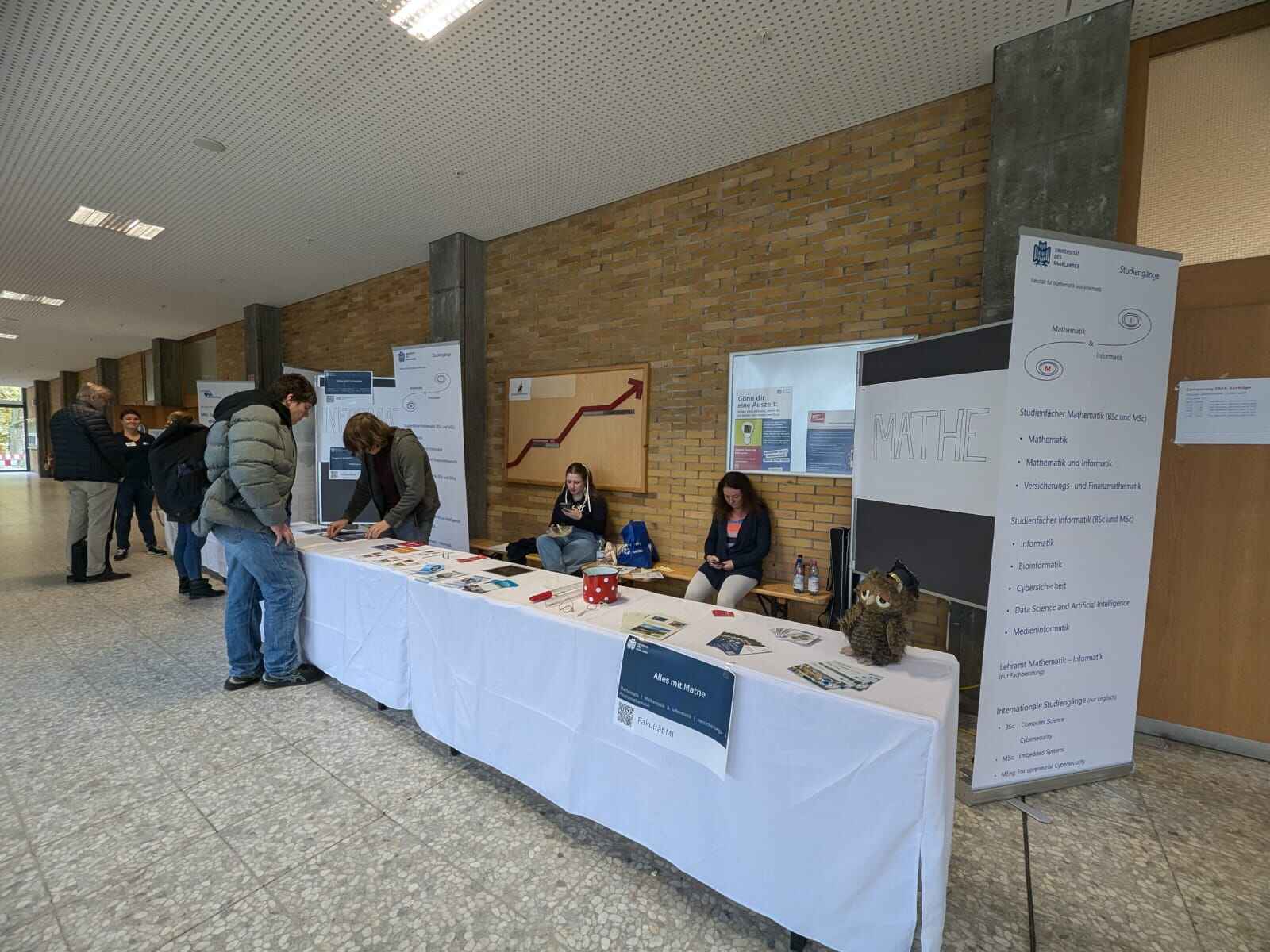
- The university is a technical university with a sports department with it so it has all kinds of sports and gym activities possible. Along with it the university has a big library and 3 other libraries with good enough seating for studying and 1 computer science-specific library for all CS-related topics.
- Other than studies, there are a lot of festivals, like the asta sem opening party, campus fest, campus walks and other interesting stuff for children and stuff for keeping students and children engaged.
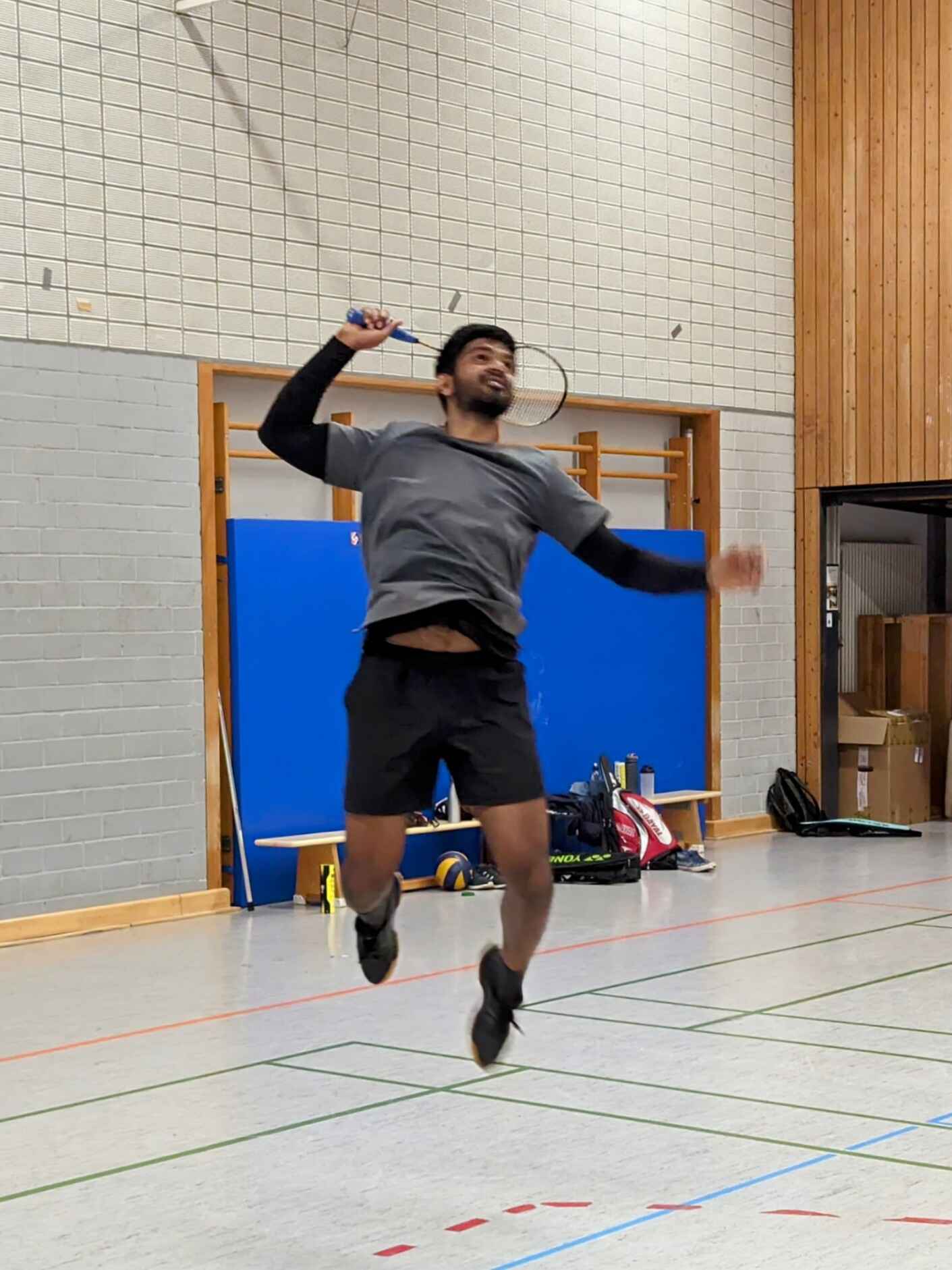
- There are also different sports courses for students, including badminton, basketball, volleyball and cricket, along with dance and martial arts, etc.
Fees
- Since our university is a public university, there's only semester fees, which are around 300-400€, which include the Deutschland ticket required to use as a ticket for bus and regional trains. Accommodation has to be taken care of by the student, so rent has to be paid by the student. Depending on the location and the city, rent varies from 350 to 500€.
- My monthly expense is around 800-900€.
Saarland University of Applied Sciences M1+TSd
| 6YtxFj | a+VJO9 | sFGV92 | +zy2Nq | |
|---|---|---|---|---|
| VueVille Future Technology Scholarship | NDHjH0$1,000 | 70v4DRBachelor | +zy2NqMerit-Based | |
| MAWISTA Scholarship | NDHjH0$6,691 | 70v4DRBachelor | +zy2NqEasy-to-Apply | |
| Kurt Hansen Science Scholarship | NDHjH0$10,000 | 70v4DRDoctorate | +zy2NqNeed-Based | |
| Bharat Petroleum Scholarship | NDHjH0Variable Amount | 70v4DRMaster | +zy2NqMerit-Based | |
| Google's Women Techmakers Program | NDHjH0Variable Amount | 70v4DRBachelor | +zy2NqMerit-Based | |
| Axol Science Scholarship | NDHjH0$2,000 | 70v4DRBachelor | +zy2NqCompany-Sponsored |
Do you think the Scholarship is wrong ? Report Here
Saarland University of Applied Sciences hPqZrl
8Qjwm7
weenCBEGmecJ
rd7VuE
qd/VKU



Comments