




Master of Science [MS] (Electrical Engineering)
Field of Study:
$15,446 /Yr

Master of Science in Electrical Engineering at Laval University, Quebec City
Laval University’s Master of Science in Electrical Engineering stands as a premier graduate offering in Canada, combining rigorous technical training with research excellence in one of North America’s most historically significant cities. Located in Quebec City, a UNESCO World Heritage site, this two-year program attracts engineering professionals worldwide who seek advanced expertise in electrical systems, power electronics, control theory, and signal processing. The university’s strategic positioning in Quebec’s innovation ecosystem, coupled with its ranking among Canada’s top 12 engineering institutions, makes this degree a launchpad for careers spanning renewable energy, telecommunications, aerospace, and smart grid technologies.
For Indian students considering this program, Laval offers an English-medium graduate curriculum, accessible application pathways with February and August intake windows, and direct pathways to permanent residency through Canada’s Post-Graduation Work Permit (PGWP) and Express Entry systems. The combination of affordable tuition (CAD 18,485 annually, equivalent to ?12.96 lakhs), affordable living costs in Quebec City, and strong employer connections in Canada’s booming tech and energy sectors creates a compelling proposition. With nearly 4,000 international students already enrolled at Laval from over 90 countries, Indian engineers form a growing cohort contributing to labs, projects, and campus innovation.
This guide provides everything you need to evaluate, apply to, and succeed in Laval’s electrical engineering master’s program, with a focus on timelines, costs, career outcomes, and the visa pathway to permanent residence that makes studying in Canada one of the most strategic investments for international engineers today.
Program Overview and Curriculum at Laval University Electrical Engineering
Laval University’s MS in Electrical Engineering is a research-oriented, two-year (24-month) master’s program designed to deepen expertise in electrical systems, power generation, control systems, signal processing, and emerging technologies such as renewable energy integration and smart grids. The program is available with thesis or non-thesis (course-based) pathways, allowing students to select research-intensive or industry-focused trajectories based on career goals.
The curriculum comprises advanced coursework in power systems, electrical machines, electromagnetics, power electronics, digital signal processing, and control systems, alongside specialized electives in renewable energy, smart grids, telecommunications, or microelectronics. Core courses are delivered in English with francophone students, ensuring an internationally diverse classroom environment. Research laboratories at Laval, including the GRAMES (Groupe de Recherche en Applications Microélectroniques et Systèmes Électriques) and REGALID (Renewable Energy and Grid Automation Laboratory) centers, provide cutting-edge facilities for thesis work in photovoltaics, wind energy, and grid modernization.
The program emphasizes hands-on learning through lab courses, industry partnerships, and participation in research projects aligned with Canada’s energy transition goals. Co-op opportunities are integrated into many curricula, allowing students to gain paid work experience during summer breaks, with typical earnings of CAD 18,000–22,000 per four-month term. This combination of advanced theory, practical application, and industry exposure distinguishes Laval’s program within the Canadian engineering landscape.
Admission Requirements and Application Timeline for Laval Electrical Engineering Master
Admission to Laval’s MS in Electrical Engineering requires a bachelor’s degree in electrical engineering, computer engineering, physics, or closely related disciplines from a recognized institution. The university evaluates applications holistically, considering undergraduate GPA (typically 2.67 or higher on a 4.0 scale), letters of recommendation (two to three), a statement of purpose, curriculum vitae, and standardized test scores such as GRE (general) or subject-specific exams, though GRE is not universally mandatory for graduate programs.
English language proficiency is assessed via TOEFL (minimum 94 iBT), IELTS (6.5 overall, no band below 6.0), or PTE (minimum 62). A unique requirement for non-francophone applicants is the Test de Français International (TFI): the program is taught primarily in French, so prospective students must demonstrate intermediate French proficiency (B2 level on the CEFR scale) or commit to a French language pathway during their first semester.
Application deadlines are February 1 (regular admission) and August 15 (late admission). Processing typically takes six to eight weeks after submission. Indian applicants should allow extra time for document attestation, transcript translation, and visa processing. The complete application package includes official transcripts, English translation of foreign credentials, proof of English and French proficiency, two signed recommendation letters, a detailed statement of research interests, and a CV. Applying well before the February 1 deadline ensures faster visa approval for September intake.
Program Duration, Structure, and Learning Format at Laval
The Master of Science in Electrical Engineering at Laval is structured as a two-year (24-month) full-time program. Students complete 45 credits of coursework: a mix of core courses (12 credits), major concentration courses (12 credits), elective courses (15 credits), and a thesis or research project (6 credits) in the thesis route, or all electives replaced by advanced courses in the course-based route. The first year focuses on advanced theoretical foundations and specialized coursework; the second year emphasizes research, thesis work, or capstone projects, with flexibility to pursue internships and co-op placements.
Learning formats include traditional classroom lectures (during fall and winter semesters), laboratory sessions in state-of-the-art facilities, research seminars, and industrial partnerships. Many courses integrate MATLAB, Python, and professional simulation tools (PSPICE, ANSYS) used in engineering practice. Laval’s online learning infrastructure supports hybrid delivery for certain courses, though the program is primarily in-person on the scenic Sainte-Foy campus, located just 20 minutes from downtown Quebec City.
The program runs on a September-to-April (fall and winter semesters) and May-to-August (summer term) schedule. Indian students can time co-op placements during summer months to maximize earnings and professional network building. Many thesis students conduct research in collaboration with Hydro-Quebec, Bombardier, or emerging renewable energy startups in Quebec, gaining direct exposure to Canadian industry standards and innovation practices.
Tuition Fees and Cost Breakdown for Laval Electrical Engineering Master’s
Annual tuition for Laval’s Master of Science in Electrical Engineering is CAD 18,485 (?12,96,667 at current FX rate of 70.12 CAD/INR) for international students. This is significantly lower than equivalent programs at peer institutions in Canada (McGill charges CAD 23,000–30,000) and comparable to or lower than programs in the United States or United Kingdom when currency conversion is factored in. The two-year program totals CAD 36,970 (?25,93,334) in tuition alone.
Annual living costs in Quebec City are estimated at CAD 4,920 (?3,44,791), covering shared housing, food, public transportation, and basic utilities. A typical cost breakdown includes rental accommodation (CAD 800–1,200 monthly for shared student housing), utilities (CAD 100–150), groceries and dining (CAD 400–500 monthly), public transit pass (CAD 80), and miscellaneous expenses (CAD 200–300). The total annual living cost for two years is CAD 9,840 (?6,89,581). Combined tuition and living expenses for the full two-year degree thus total approximately CAD 46,810 (?32,82,915), making Laval one of the most affordable engineering master’s programs in the English-speaking world when adjusted for the cost of living differential.
| Cost Category | Annual (CAD) | Annual (INR) | Two Years (CAD) |
|---|---|---|---|
| Tuition | 18,485 | 12,96,667 | 36,970 |
| Accommodation | 9,600-14,400 | 6,72,000-10,08,000 | 19,200-28,800 |
| Food and Utilities | 6,600-7,200 | 4,62,000-5,04,000 | 13,200-14,400 |
| Transportation and Other | 960-1,920 | 67,200-1,34,400 | 1,920-3,840 |
| Total Estimated Cost | 35,645-43,605 | 24,97,540-30,53,667 | 71,290-87,210 |
Co-op earnings during summer internships can offset 30–50% of living costs, with typical engineering placements earning CAD 18,000–22,000 per four-month term. Many students complete one or two co-op terms during the two-year program, significantly reducing out-of-pocket expenses.
Student Life, Campus Facilities, and Residential Experience at Laval
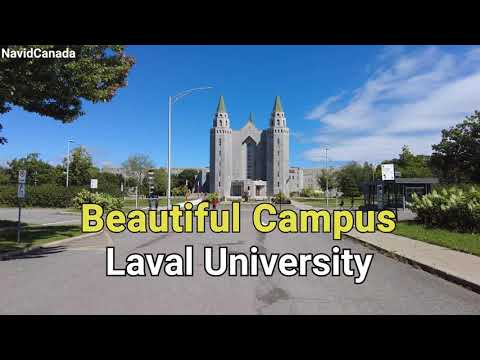
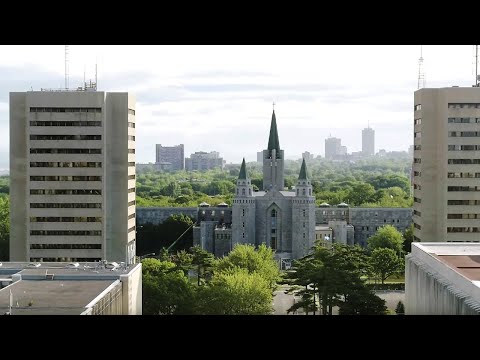
Laval University’s main campus spans 1.8 square kilometers in Sainte-Foy, with over 60% of the grounds dedicated to forests, green spaces, and natural habitats. The campus features 14 buildings dedicated to engineering, including state-of-the-art laboratories for electrical engineering, power systems testing, microelectronics fabrication, and renewable energy research. The library system includes over two million volumes and provides 24-hour study spaces essential for graduate research. Engineering students have exclusive access to the Pavillon Adrien-Pouliot, which houses design labs, makerspace facilities, and collaborative project spaces.
International students comprise nearly 4,000 of Laval’s 45,000-student population, hailing from 90 countries including India, China, France, and the United States. Residential options include on-campus dormitories (residences universitaires) that accommodate around 8,000 students, with guaranteed housing for first-year international students. On-campus housing promotes language practice and cultural exchange, with French, English, and international cultural floors available. Off-campus student housing in nearby neighborhoods (Sainte-Foy, Vanier) ranges from shared apartments (CAD 600–800/person/month) to private studios (CAD 800–1,200/month), all within 10–15 minutes of campus via public transit.
Student life at Laval is vibrant, with over 200 student clubs covering sports, culture, entrepreneurship, and professional development. The Bureau de la Vie Etudiante (Student Life Office) coordinates orientation programs, coordinates cultural events, and facilitates volunteer opportunities. Engineering societies host technical seminars, professional networking events with Hydro-Quebec and Bombardier, and annual hackathons. Quebec City itself offers exceptional quality of life: a pedestrian-friendly historic old town (UNESCO World Heritage site), museums, galleries, festivals, outdoor recreation (skiing, hiking), and a thriving restaurant and café culture. Winter activities include cross-country skiing, ice skating, and the famous Winter Carnival, making the student experience well-rounded and internationally enriching.
Career Outcomes and Graduate Employment at Laval Electrical Engineering
Laval’s electrical engineering graduates enter a robust Canadian job market with consistent demand across energy, telecommunications, transportation, and manufacturing sectors. According to Statistics Canada 2026 Job Bank data, electrical and electronics engineers (NOC 2133 and 2131) enjoy a placement rate of 88–91% within six months of graduation, with median entry-level salaries of CAD 55,000–75,000 (?38,66,000–52,59,000). Within three to five years, mid-career salaries range from CAD 75,000–95,000 (?52,59,000–66,61,400), and experienced engineers in management or specialized roles earn CAD 100,000–130,000+ (?70,12,000+).
Laval-specific employment outcomes show particularly strong placement in Quebec and Ontario industries: Hydro-Quebec (power generation and grid modernization) regularly recruits Laval graduates for permanent and contract roles; Bombardier (aerospace and transportation) hires electrical engineers for power systems and avionics; telecommunications companies like Bell Canada seek signal processing and network infrastructure specialists; and emerging renewable energy firms in Quebec’s clean-tech sector actively recruit for solar, wind, and energy storage projects. The university’s co-op program provides direct pathways to permanent positions, with over 65% of co-op students receiving job offers from their placement employers.
For Indian graduates pursuing permanent residency, electrical engineering qualifications align with Canada’s skilled occupation demand. Express Entry’s Comprehensive Ranking System (CRS) favors engineers with Canadian work experience and English-language proficiency; a typical Laval graduate with two years of Canadian work experience, IELTS 7.5+, and a master’s degree scores 420–450 CRS points, positioning them for Invitation to Apply (ITA) within 12 months. The Post-Graduation Work Permit (PGWP) provides an open work permit matching the program duration (two years), allowing graduates to work with any employer without sponsorship restrictions, significantly increasing their pathway to permanent residence. Many Laval engineering graduates transition from PGWP to permanent residency within 18–24 months of graduation.
Visa, Work Permit, and Permanent Residency Pathway for Indian Students
Indian students pursuing the Laval master’s program follow a structured pathway to Canadian permanent residence. The first step is obtaining a Canadian study permit, which requires proof of financial support (Guaranteed Investment Certificate or GIC of CAD 20,000 per year, equivalent to ?14,02,400), a clean police certificate, a medical exam, and a Letter of Acceptance from Laval. Processing time is typically four to six weeks from application to biometric appointment. Cost is CAD 150 (?10,518) for the permit itself, plus medical exam fees of approximately CAD 200–300 (?14,024–21,036).
While studying, Laval students are permitted to work up to 20 hours per week during academic terms and full-time during semester breaks, enabling earnings of CAD 15,000–25,000 per year from campus or local part-time roles. This work experience counts toward permanent residency requirements under the Express Entry system. Upon graduation, all international students are automatically eligible for a Post-Graduation Work Permit (PGWP) matching the program length (two years for a master’s degree). The PGWP is an open work permit with no employer sponsorship required, providing maximum job-search flexibility and the ability to work across Canada.
The pathway to permanent residency proceeds as follows: complete the master’s degree (two years), work under the PGWP (up to two years), and accumulate a minimum of 12 months of skilled work experience in Canada. Once achieved, Indian graduates with a valid work experience history, IELTS 7.0+ (minimum band 6.0 in each category), and a master’s degree enter the Express Entry pool with CRS scores typically between 420–470. Federal Skilled Worker (FSW) and Ontario Provincial Nominee Program (Ontario PNP) pathways show processing times of six to twelve months from application to final decision. Upon approval, Indian graduates transition to permanent resident status and can sponsor family members under family sponsorship provisions. The entire pathway, from study permit to permanent residence, typically spans four to five years, with total costs (tuition, living, permits, and visa fees) amounting to CAD 46,810–60,000 (?32,82,915–42,07,200).
Comparison with Peer Universities and Alternative Electrical Engineering Programs
Laval’s MS in Electrical Engineering occupies a unique position in Canada’s engineering landscape when compared to peer institutions such as McGill University, Polytechnique Montreal, and Concordia University. The following table illustrates key differentiators:
| Attribute | Laval University | McGill University | Polytechnique Montreal |
|---|---|---|---|
| Annual Tuition (Intl) | CAD 18,485 | CAD 23,000-30,000 | CAD 20,000-25,000 |
| Engineering Ranking (Canada) | #12 | #3 | #5 |
| Program Duration | 2 years | 2-2.5 years | 2 years |
| Co-op Availability | Yes, Summer | Limited | Integrated |
| Language of Instruction | English + French | English | French |
| Cost of Living | CAD 4,920/yr | CAD 6,000-8,000/yr | CAD 5,500-7,500/yr |
| International Student Population | 4,000 (9%) | 5,500 (12%) | 2,800 (8%) |
| Research Centers | 275+ (Engineering: GRAMES, REGALID) | 150+ | 200+ |
Laval stands out for affordability (15–25% lower tuition than McGill or Polytechnique) and the lowest cost of living among major Canadian universities. Quebec City’s lower housing costs are a significant advantage for Indian students on student budgets. McGill, ranking #3 in Canada, attracts students prioritizing prestige and global networks but at higher cost. Polytechnique Montreal excels in integrated co-op and French-language engineering education, making it ideal for students fluent in French. Laval balances reputation (#12 in Canada, #263 globally), affordability, English accessibility, and strong employer networks, making it a strategic choice for Indian students seeking maximum return on investment and clear pathways to permanent residency.
Scholarships, Financial Aid, and Funding Opportunities for Laval Master’s Students
While Laval’s tuition is inherently affordable for international students, additional scholarships and funding can further reduce out-of-pocket costs. The university offers merit-based scholarships, research assistantships, and teaching assistantships targeting graduate students with strong academic records. Major funding sources include the Laval Excellence Scholarship (covering up to 50% of tuition for top applicants), Faculty of Engineering Graduate Bursaries (CAD 2,000–5,000 per year based on financial need), and research-based graduate scholarships linked to faculty research grants.
Graduate students in thesis-track programs often receive funding through research assistantships (RA), working 10–15 hours per week in faculty labs at CAD 20–25/hour, generating CAD 12,000–15,000 per year. Teaching assistantships (TA) in engineering labs and lectures provide similar compensation. External funding sources include the Government of Canada’s National Sciences and Engineering Research Council (NSERC) scholarships, Quebec’s Fonds de Recherche du Quebec scholarships, and competitive awards from engineering professional associations. Indian applicants should explore funding through the Indian government (Indian Council for Cultural Relations ICCR, Ministry of Education), private sponsors, or employer-sponsored study leave.
Graduate students are also eligible for student loans through provincial and federal programs, though interest rates and repayment terms favor Canadian citizens. Many students offset costs through paid internships and co-op placements, earning CAD 18,000–22,000 per summer term. The cumulative effect of scholarship (CAD 3,000–7,000/year), RA/TA earnings (CAD 12,000–15,000/year), and co-op income (CAD 20,000/summer term) can reduce the net cost to international students to as low as CAD 10,000–15,000 per year, making Laval one of the most financially accessible master’s programs globally.
Frequently Asked Questions about Laval University Electrical Engineering Master’s
1. Do I need to speak French to pursue the MS in Electrical Engineering at Laval University?
French is not a prerequisite at admission, but intermediate proficiency (CEFR B2 level) is required before or during your first semester. The university offers French language support pathways for non-francophone students, and many international cohorts complete French coursework during their first month. English-language elective courses are available, though many core courses are offered in French to align with Quebec’s academic and professional environment. Many Indian students report learning functional French within the first semester through immersion and support services.
2. What is the total cost of the two-year master’s degree for Indian students, including living expenses?
The total cost ranges from CAD 46,810–52,610 (?32,82,915–36,86,643) for two years, including tuition (CAD 36,970) and living expenses (CAD 9,840). This estimate assumes shared student housing (CAD 800–900/month) and modest daily expenses. Co-op earnings can offset 30–50% of living costs, and scholarships/RA positions can reduce tuition by CAD 3,000–7,000 per year. Many students complete the program with a net cost of CAD 35,000–40,000 (?24,54,200–28,04,800) after accounting for earned income.
3. How does the PGWP work after I graduate, and how does it lead to permanent residency?
Upon graduation, you receive a Post-Graduation Work Permit (PGWP) matching your program duration (two years for a master’s). The PGWP is an open work permit, meaning you can work for any Canadian employer without sponsorship. During these two years, you accumulate Canadian work experience. After twelve months of skilled work experience, you become eligible to apply for permanent residency through the Express Entry Federal Skilled Worker program. With a master’s degree, solid work experience, and IELTS 7.0+, most Laval graduates achieve permanent residency within 18–24 months of graduation.
4. What are the application deadlines and how long does the admission process take?
Regular admission deadline is February 1 for September intake; late admission deadline is August 15 for September or January intake. After submission, expect six to eight weeks for a decision. For Indian applicants, allow additional time (four to six weeks) for study permit processing after receiving your Letter of Acceptance. Applying by January 31 ensures visa approval by mid-August, allowing time for travel and orientation before September classes begin.
5. What are the main career paths for Laval electrical engineering graduates, and what are typical starting salaries?
Laval graduates pursue careers in power systems engineering (Hydro-Quebec, provincial utilities), renewable energy (solar, wind, grid integration), telecommunications (Bell Canada, Rogers), aerospace (Bombardier), and smart grid/energy storage startups. Entry-level salaries range from CAD 55,000–75,000 (?38,66,000–52,59,000), with mid-career roles (3–7 years) earning CAD 75,000–95,000 (?52,59,000–66,61,400). Specialized roles (power systems optimization, embedded systems) command higher salaries. Quebec’s energy sector and Ontario’s tech hubs provide strong employment demand for Laval graduates, with 88–91% placement within six months of graduation.
Tuition Fees
| Year | 1st Year Fees |
|---|---|
| Tuition Fees | $15446 (CAD 22066) |
Other Expenses
| Head | Avg Cost Per Year |
|---|---|
| Housing and Food | $11200 (CAD 16000) |
| Personal Expenses | $4200 (CAD 6000) |
Per Credit Cost: $719
Previous Year Tuition Fees
| Year | 1st Year Fees |
|---|---|
| 2024 | $12080 (CAD 17257) |
| 2023 | $12555 (CAD 17936) |
| 2021 | $7756 (CAD 11080) |
Important Dates
| Event | Application Date |
|---|---|
| Application Deadline For Fall Intake | |
| Application Deadline For Winter 2026 Intake | |
| Application Deadline For Summer Intake | May 1, 2026 - Dec 1, 2026 |
Scores Required


Do you think the Rankings are wrong ? Report Here
Key Resources for Your Study Abroad Journey


Course Guides
Best Post-Graduate Courses in Canada in 2025
Masters in Canada: Fees 2024, Top Colleges, Placements & Salaries
Masters in Electrical Engineering in Canada: Fees 2024, Top Colleges, Placement and salaries
Masters in Engineering in Canada: Fees 2024, Top Colleges, Placements & Salaries
Scholarship Grants & Financial Aids
| Name | Scholarship Per Student | Level of Study | Type | |
|---|---|---|---|---|
| Bharat Petroleum Scholarship | Scholarship per studentVariable Amount | Level Of StudyMaster | TypeMerit-Based | |
| Forktip Women’s- Innovation Scholarship | Scholarship per studentVariable Amount | Level Of StudyBachelor | TypeCollege-Specific | |
| FINCAD Women in Finance Scholarship | Scholarship per student$ 14,000/Yr$20,000 | Level Of StudyMaster | TypeMerit-Based | |
| Ontario Graduate Fellowship | Scholarship per student$ 6,213/Yr$8,875 | Level Of StudyDoctorate | TypeMerit-Based | |
| Jared J. Davis Grant | Scholarship per student$ 700/Yr$1,000 | Level Of StudyBachelor | TypeMerit-Based | |
| Golden Key Graduate Scholar Award | Scholarship per student$ 1,050/Yr$1,500 | Level Of StudyMaster | TypeMerit-Based |
interested in this College ?
Follow & Share this college to get information about admission.



Comments
Found 5 Comments
The Faculty of Science and Engineering and the Faculty of Business Administration of the University of Laval offers Dual degree programs. You can check the available programs by visiting the respective faculty’s pages on the university’s website.
The per year fee of Lavan University MBA Occupational Health and Safety Management is INR 18,930 Canadian Dollars.
Laval University does not offer Master in Healh Service Management program but offers a Postgraduate Diploma in Specialized Studies: Business Administration - Health Services Management. The program fee for international students is CAD 724.20 per credit for the Summer 2023 semester.