




Master of Science [MS] (Biotechnology)
Field of Study:
$14,324 /Yr

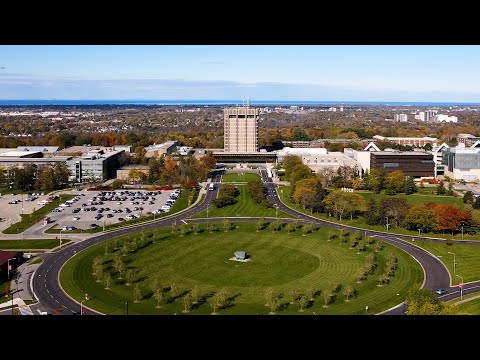
Brock University Master of Science [M.S.] Biotechnology is a 24-month, full-time postgraduate degree offered in St. Catharines, Ontario. The programme combines laboratory research with industry-relevant coursework in molecular biology, biochemistry, and bioinformatics. International students are eligible; total costs range from C$51,400 to C$68,000 (INR 35.04 Lakhs to INR 46.33 Lakhs) including tuition and living expenses over two years. Primary intake is September each year. The programme trains biotechnology professionals for pharmaceutical, biotech, food science, and research careers.
This degree stands apart for its strong industry connections and student research focus. Graduates work in quality control, product development, and research roles at leading companies. The programme values hands-on laboratory training and builds both technical and communication skills. Ideal applicants hold a bachelor’s degree in life sciences, biochemistry, or related fields, with at least a 3.0 GPA and strong English proficiency.
- 24-month full-time programme with strong research and industry components.
- Graduates achieve average starting salaries of C$50,000 to C$70,000 in Canada.
- Post-graduation work permit allows three years of paid employment in Canada after degree completion.
Current Admission Status
Applications for the September 2026 intake are Open. International student deadline: 15 April 2026.
Indian applicants should initiate credential evaluation (WES equivalency) by January 2026 to meet this deadline. Processing typically takes four to eight weeks.
Also Check: Brock University M.S. Biotechnology Admission
Brock University M.S. Biotechnology Fees and Living Costs 2026
International tuition fees for Brock’s M.S. Biotechnology programme are charged annually. The table below outlines total programme costs over two years, including tuition, ancillary fees, and consolidated annual estimates.
| Cost Component | Annual (C$) | Annual (INR) | Two-Year Total (C$) | Two-Year Total (INR) |
|---|---|---|---|---|
| Tuition (International) | 18,500–22,000 | 12.61 Lakhs–15.00 Lakhs | 37,000–44,000 | 25.22 Lakhs–30.00 Lakhs |
| Ancillary Fees (health, gym, tech, transit) | 1,900–2,400 | 1.29 Lakhs–1.63 Lakhs | 3,800–4,800 | 2.59 Lakhs–3.27 Lakhs |
| Total Fees (per year) | 20,400–24,400 | 13.91 Lakhs–16.63 Lakhs | 40,800–48,800 | 27.81 Lakhs–33.27 Lakhs |
| Living Costs (per month) | 1,200–1,700 | 81,768–115,838 | ||
| Living Costs (annual, 12 months) | 14,400–20,400 | 9.81 Lakhs–13.91 Lakhs | 28,800–40,800 | 19.63 Lakhs–27.81 Lakhs |
| Total Cost of Study (Year 1) | 34,800–44,800 | 23.71 Lakhs–30.54 Lakhs | ||
| Total Cost for 24 Months | 69,600–89,600 | 47.43 Lakhs–61.08 Lakhs |
Source: Brock University Graduate Studies (2026); fee estimates based on current international student rates and published ancillary schedules.
All INR conversions in the article use a conversion rate of C$ 1 = INR 68.14 as of June 2026. Rates fluctuate daily; verify before applying.
- Tuition covers classroom instruction, lab access, course materials, and use of university facilities.
- Ancillary fees include student health services, athletic facilities, technology access, and public transit passes.
- Many students work part-time (up to 20 hours per week) during the academic year to offset living costs.
- Scholarships and teaching assistant positions can reduce net costs by INR 2–4 Lakhs over the programme duration.
Cost of Living in St. Catharines for M.S. Biotechnology Students
| Expense Category | Monthly (C$) | Monthly (INR) | Annual (C$) | Annual (INR) |
|---|---|---|---|---|
| Rent (shared apartment) | 700–1,000 | 47,698–68,140 | 8,400–12,000 | 5.73 Lakhs–8.18 Lakhs |
| Groceries and Dining | 250–400 | 17,035–27,256 | 3,000–4,800 | 2.04 Lakhs–3.27 Lakhs |
| Utilities (electricity, water, internet) | 150–200 | 10,221–13,628 | 1,800–2,400 | 1.23 Lakhs–1.63 Lakhs |
| Transportation (local bus pass) | 50–100 | 3,407–6,814 | 600–1,200 | 41,000–81,700 |
| Books and Course Materials | 50–150 | 3,407–10,221 | 600–1,800 | 41,000–1.23 Lakhs |
| Total Monthly (Avg) | 1,200–1,850 | 81,768–125,876 | 14,400–22,200 | 9.81 Lakhs–15.13 Lakhs |
Cost Reality for Indian Students: St. Catharines is significantly cheaper than Toronto or major Canadian cities. Budget INR 11–13 Lakhs annually for all living expenses, including contingency. Many graduate students work as teaching assistants in labs, earning C$15–18 per hour to offset costs.
Brock University M.S. Biotechnology Admission 2026
Brock University’s M.S. Biotechnology programme accepts applications year-round for the September intake. The programme evaluates candidates on academic strength, English language proficiency, and relevant coursework background. Most students complete their degrees within the standard 24-month timeframe.
Intake Schedule and Deadlines
| Intake | Intake Start | Application Deadline | Status |
|---|---|---|---|
| Fall (Primary) | September 2026 | 15 April 2026 | Deadline Passed |
| Fall 2027 (Expected) | September 2027 | 15 April 2027 (Expected) | Applications Opening Soon |
The programme closes rolling admissions once intake caps are reached, typically in late May. Indian applicants should apply by early March to allow buffer time for credential evaluation and document preparation.
Academic Eligibility
| Requirement | Minimum / Details |
|---|---|
| Bachelor’s Degree | Required in life sciences, biochemistry, biology, microbiology, or chemistry. |
| Cumulative GPA / Equivalent | 3.0 (or B equivalent on a 4-point scale). |
| Prerequisites | Organic chemistry, biochemistry, and at least one advanced biology course preferred. |
| Letters of Recommendation | Two letters required; preferably from academic supervisors in science. |
| Statement of Purpose | 500–750 words explaining research interests and career goals in biotechnology. |
| GRE / GMAT | Not required; GRE scores optional but improve competitiveness. |
English Language Proficiency
All applicants whose first language is not English must submit an approved English language test score. Brock accepts four standardized tests with these minimum thresholds:
- IELTS: overall score 7.0 or higher; minimum 6.5 in writing and speaking.
- TOEFL iBT: 100 overall; minimum 24 in writing and reading sections.
- PTE Academic: 68 overall.
- Duolingo English Test: 120 or higher.
Tip for Indian Applicants: IELTS is most accessible in India; prepare for 6.5–7.0 bands across all sections. Most Indian undergraduate graduates score 6.5–7.0 with 8–12 weeks of focused preparation. TOEFL iBT is also widely offered and requires similar time investment.
University Ranking Context: Brock University ranks 1,200–1,400 globally in the QS World University Rankings 2026. The university maintains strong research output in applied sciences and life sciences, with active biotechnology research centres and industry partnerships.
Brock University M.S. Biotechnology Application 2026
The M.S. Biotechnology application process is streamlined and typically takes four to six weeks for an admission decision. All materials should be submitted online through the Brock Graduate Studies portal. No paper submissions are accepted.
Application Timeline and Deadlines
| Milestone | Timeline | Status for 2026 |
|---|---|---|
| Application Portal Opens | Early December (prior year) | December 2025 (Closed) |
| International Student Deadline | 15 April | 15 April 2026 (Passed) |
| Admission Decision Release | Late May to Early June | Expected June 2026 |
| Acceptance and Deposit | 30 days from offer letter | Ongoing (if admitted) |
| Study Permit Processing | 4–8 weeks before intake | Recommended by July 2026 |
Application Checklist
- Completed online application form with contact and educational history.
- Official bachelor’s degree transcripts (sealed) and WES or equivalent credential evaluation letter.
- Two letters of academic recommendation from science professors or research supervisors.
- Statement of Purpose (500–750 words) detailing research interests and biotechnology career goals.
- Valid passport copy and proof of English language proficiency (IELTS, TOEFL, PTE, or Duolingo score).
- Application fee of C$100 (non-refundable; approximately INR 6,814).
Application Tip for Indian Students: Submit WES credential evaluation at least six weeks before the deadline. Delays in document attestation or transcription can jeopardize your application. Prepare a concise statement of purpose highlighting any undergraduate research or laboratory experience.
Brock University M.S. Biotechnology Scholarships 2026
Brock offers merit-based scholarships to graduate students in science programmes. Awards are competitive and based on academic performance, research potential, and demonstrated leadership. Scholarship funding typically covers 15–40% of annual tuition.
Scholarship Options for International Students
| Scholarship | Award (C$) | Award (INR) | Type | Criteria |
|---|---|---|---|---|
| Brock Scholars Award | 2,500–5,000 | 1.70–3.41 Lakhs | Merit-based | GPA 3.5+, research experience preferred. |
| Graduate Entrance Scholarship | 1,500–3,500 | 1.02–2.39 Lakhs | Merit-based | Strong academic standing and diverse background. |
| Teaching Assistantship (TA) | 4,500–6,000 per year | 3.07–4.09 Lakhs per year | Conditional employment | Typically available; 10–15 hours/week lab or tutorial work. |
| Research Assistantship (RA) | 4,000–5,500 per year | 2.73–3.75 Lakhs per year | Conditional employment | Arranged with supervising professor; project-specific. |
Scholarship Cost Offset
A typical M.S. Biotechnology graduate at Brock receives an average of INR 1.5–2 Lakhs in combined scholarships and TA/RA earnings in Year 1. TA positions are widely available in the Department of Mathematics and Science; approximately 70% of full-time students secure such roles. Year 2 funding may vary depending on programme requirements and availability.
Scholarship Reality: International students compete fairly but TA/RA positions favour those with strong laboratory skills and relevant experience. Focus your statement of purpose on research interests to strengthen candidacy for assistantships. Many students reduce net tuition to INR 10–12 Lakhs total via a combination of scholarships and part-time work.
Brock University M.S. Biotechnology Salary and Career Outcomes 2026
Graduates of Brock’s M.S. Biotechnology programme enter roles in pharmaceutical development, biotech research, quality assurance, and food science. Average starting salaries for master’s holders in Canada are substantially higher than bachelor’s graduates in the same field.
Entry-Level Salary and Career Paths
| Role / Path | Starting Salary (C$) | Starting Salary (INR) | Primary Employers |
|---|---|---|---|
| Quality Control / Quality Assurance Analyst | 50,000–65,000 | 34.07–44.29 Lakhs | Pharma companies (Pfizer, GSK, AbbVie), food manufacturers. |
| Research Scientist (Entry-Level) | 55,000–70,000 | 37.47–47.70 Lakhs | Biotech firms, research institutes, CROs (contract research). |
| Product Development Technician | 48,000–62,000 | 32.71–42.26 Lakhs | Biotech, food and beverage, cosmetics companies. |
| Laboratory Analyst | 50,000–60,000 | 34.07–40.88 Lakhs | Diagnostic labs, hospitals, research institutions. |
| Biotech Sales / Technical Support | 52,000–68,000 | 35.43–46.34 Lakhs | Life sciences companies, equipment suppliers, reagent distributors. |
Source: Statistics Canada Job Bank (2026); PayScale Canada Biotechnology Salary Survey; Glassdoor Canada (June 2026).
Five-Year Career Growth
Experienced biotechnology professionals (3–7 years post-graduation) earn C$70,000 to C$95,000 annually. Senior roles (8+ years) command C$100,000 to C$130,000+. Many graduates pursue further study (PhD, MBA, or professional certifications in project management) to accelerate career progression.
Take-Home Pay in Ontario
A graduate earning C$55,000 gross takes home approximately C$41,000–43,000 after federal and provincial income tax, Canada Pension Plan, and Employment Insurance. Effective tax rate for this income bracket is approximately 22–25%. Higher earners face progressive tax rates up to 33% federally plus provincial surtax.
Career Reality: Most Brock M.S. Biotechnology graduates secure employment within three to six months of graduation. Top employers hire directly from campus; attend career fairs and lab showcases in your final semester. The PGWP allows three years of work experience in Canada, positioning you for permanent residence applications via Express Entry.
Canada Visa and Work Rights for M.S. Biotechnology Students
International students enrolled at Brock University in the M.S. Biotechnology programme are eligible for a Canadian study permit valid for the duration of the degree plus six months. After graduation, graduates qualify for a Post-Graduation Work Permit (PGWP) that allows unrestricted employment in Canada for up to three years.
- Study Permit: Covers the full 24-month programme; issued upon proof of student financial support and acceptance letter.
- Post-Graduation Work Permit (PGWP): Issued for a duration matching the programme length (up to three years maximum for master’s degrees).
- Spouse Work Permit: Spouses of international students are eligible for an open work permit, allowing work with any Canadian employer.
- Permanent Residence Pathway: After working in Canada for one year on a PGWP (or securing a skilled position), graduates are eligible for Express Entry as Federal Skilled Workers or Ontario Provincial Nominee Programme (PNP) applications.
Visa Reality for International Students: The study permit is straightforward if you meet the three requirements: acceptance letter, proof of funds (approximately INR 20–25 Lakhs in a dedicated account), and a clean background check. Processing takes 4–8 weeks online. Many students secure permanent residence within five years via Express Entry, particularly if they work in designated in-demand occupations (biotechnology research falls under NOC 2211 Biological Technologists).
Read More: Canada Student Visa Requirements and Process
Master of Science Biotechnology at Brock University FAQs
Ques. Is the M.S. Biotechnology programme at Brock University recognised by employers in India after graduation?
Ans. Yes. Brock University is an established Canadian institution with recognised research output in biotechnology. Graduates can work in pharmaceutical and biotech companies in India (Cipla, Dr. Reddy’s, Lupin, Biocon), though most secure employment first in Canada via the PGWP. After three years of work experience in Canada, many transition to senior roles in India-based biotech with a Canadian master’s degree on their resume.
Ques. Can I work part-time during my master’s degree at Brock University?
Ans. Yes. Your study permit allows part-time work (up to 20 hours per week during academic terms) without employer sponsorship. Most biotechnology students secure teaching assistant or research assistant roles within the Department of Mathematics and Science, earning C$15–18 per hour. This income offsets living costs significantly.
Ques. What is the job placement rate for Brock M.S. Biotechnology graduates in Canada?
Ans. Approximately 85–90% of graduates secure relevant employment within six months of graduation. Primary employers include Pfizer Canada, Abbott Diagnostics, and regional biotech startups in the Greater Toronto Area. Many positions are sourced through on-campus recruitment fairs and industry partnerships with Brock’s Centre for Biotechnology.
Ques. Do I need a GRE score to apply for the M.S. Biotechnology programme at Brock University?
Ans. No. GRE is optional but recommended if your undergraduate GPA is below 3.0 or if you studied in a non-English-speaking institution. A strong statement of purpose and two academic letters of recommendation often compensate for the absence of GRE scores. Approximately 30% of admitted students submit GRE results.
Ques. Can I pursue a PhD after completing the M.S. Biotechnology at Brock University?
Ans. Yes. Many graduates transition to PhD programmes in molecular biology, biochemistry, microbiology, or biotechnology at Canadian or international universities. Brock’s research-intensive master’s curriculum and lab experience position graduates competitively for doctoral study. Your supervising professor can advise PhD programme matches based on your research focus.
The M.S. Biotechnology at Brock University suits candidates seeking a practical, industry-focused master’s degree with strong laboratory training and Canadian work experience. The 24-month duration allows deeper research engagement than compressed programmes elsewhere, and the post-graduation work permit opens clear pathways to permanent residence and long-term career stability in Canada.
Tuition Fees
| Year | 1st Year Fees |
|---|---|
| Tuition Fees | $14324 (CAD 20175) |
Other Expenses
| Head | Avg Cost Per Year |
|---|---|
| Room And Board | $13135 (CAD 18500) |
| Total Cost | $13135 (CAD 18500) |
Per Credit Cost: $1,381
Previous Year Tuition Fees
| Year | 1st Year Fees |
|---|---|
| 2024 | $14324 (CAD 20175) |
| 2023 | $17415 (CAD 24528) |
| 2021 | $8344 (CAD 11752) |
Important Dates
| Event | Application Date |
|---|---|
| Application Deadline For Spring 2026 Intake | |
| Application Deadline For Fall 2026 Intake | |
| Application Deadline For Winter 2026 Intake | |
Reviews
10 Reviews Found
The reason I chose northeastern university is because of the curriculum they are providing. They provide us with laboratory experience and pre Co op experience so that is beneficial for future job requirements.
Scores Required
Key Resources for Your Study Abroad Journey


Course Guides
Best Post-Graduate Courses in Canada in 2025
Masters in Biotechnology in Canada: Universities, Tuition Fees, and Job Outcomes
Masters in Canada: Fees 2024, Top Colleges, Placements & Salaries
One year Courses in Canada for International Students: Fees 2024, Top Colleges, & Salaries
Programs Comparison
| application | - | - |
| exam scores | Duolingo - 110/160IELTS - 6.5/9PTE - 58/90TOEFL - 88/120 | Duolingo - 120/160IELTS - 6.5/9PTE - 65/90TOEFL - 4/6 |
| cost to study | Total Cost (Tuition + Living) -USD 14324.25 | Total Cost (Tuition + Living) -USD 8811.1 |
| documents required | #Letter of Recommendation + Statement of Purpose | #Letter of Recommendation + Statement of Purpose |
| application dates | Jan 15, 2026 (Application Deadline For Spring 2026 Intake) May 15, 2026 (Application Deadline For Fall 2026 Intake) Sep 15, 2026 (Application Deadline For Winter 2026 Intake) | Oct 1, 2026 (Application Deadline for Winter 2027 Intake) May 15, 2027 (Application Deadline for Fall 2027 Intake) |
| - | Read Full Comparison |
College Student Profiles

Scholarship Grants & Financial Aids
| Name | Scholarship Per Student | Level of Study | Type | |
|---|---|---|---|---|
| VueVille Future Technology Scholarship | Scholarship per student$ 710/Yr$1,000 | Level Of StudyBachelor | TypeMerit-Based | |
| Go Clean Scholarship | Scholarship per student$ 2,485/Yr$3,500 | Level Of StudyBachelor | TypeMerit-Based | |
| Bharat Petroleum Scholarship | Scholarship per studentVariable Amount | Level Of StudyMaster | TypeMerit-Based | |
| Forktip Women’s- Innovation Scholarship | Scholarship per studentVariable Amount | Level Of StudyBachelor | TypeCollege-Specific | |
| FINCAD Women in Finance Scholarship | Scholarship per student$ 14,200/Yr$20,000 | Level Of StudyMaster | TypeMerit-Based | |
| Ontario Graduate Fellowship | Scholarship per student$ 6,301/Yr$8,875 | Level Of StudyDoctorate | TypeMerit-Based |
Similar Programs
| Program | Important Date | Total Fees | Median Exams Score | Action |
|---|---|---|---|---|
-- | USD 35,688 /Yr CAD 50,265 /Yr |
| ||
| USD 23,402 /Yr CAD 32,960 /Yr |
| |||
Application Deadline For Summer 2026 Intake (31st Dec 2026) | USD 14,590 /Yr CAD 20,549 /Yr |
| ||
-- | USD 14,288 /Yr CAD 20,124 /Yr |
| ||
-- | USD 16,541 /Yr CAD 23,297 /Yr |
|


Do you think the Dates are wrong ? Report Here

interested in this College ?
Follow & Share this college to get information about admission.



Comments