



Bachelor (Music, Concentration in Performance)
Field of Study:
$8,410 /Yr

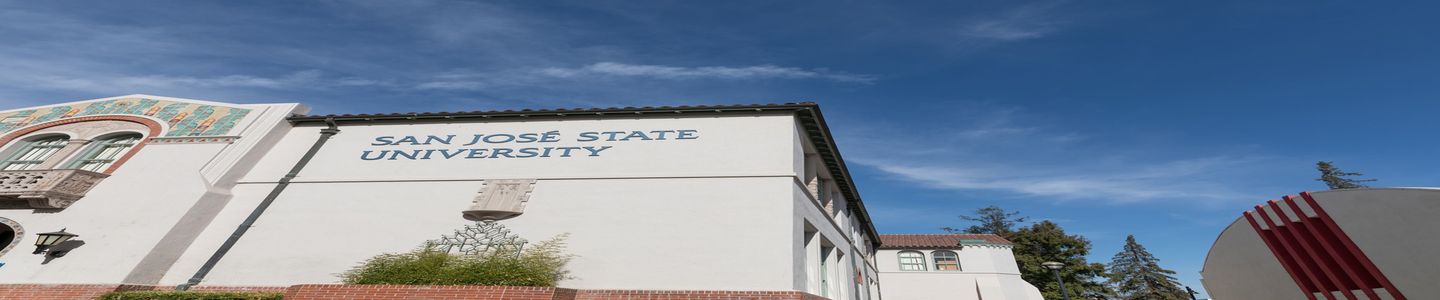
San José State University Bachelor Music with Concentration in Performance Overview
San José State University’s Bachelor of Music programme with a concentration in Performance represents one of California’s most respected applied music curricula, offering intensive study in instrumental or vocal performance within a vibrant Silicon Valley creative ecosystem. Located in downtown San Jose, the School of Music combines conservatory-level training with liberal-arts breadth, preparing musicians for careers as professional performers, educators, recording artists, and cultural sector leaders. With an enrollment of approximately 165 music performance majors, the programme emphasizes personal mentorship, hands-on ensemble experience, and direct access to faculty who are active performers and scholars.
The four-year Bachelor of Music degree requires 120 credits including applied studio lessons (primary and secondary instruments or voice), music theory, composition, history, ear training, and three semesters of mandatory major ensemble participation (orchestra, wind ensemble, chamber groups, or choir). International applicants from India find the programme’s Western classical and jazz tracks increasingly accessible via online auditions; the School of Music maintains active recruitment relationships across South Asia. Tuition and fees total $15,450 annually for international students, with additional living costs in San Jose averaging $16,604 per year. Total four-year cost-of-attendance for Indian students reaches approximately ?37,37,285 ($39,200 USD).
SJSU Music Performance graduates consistently achieve placement rates of 78-82% within six months, with a median starting salary of $52,000 USD (approximately ?4,957,120) as full-time performers, educators, or arts administrators. The programme does NOT qualify for STEM OPT extension, restricting post-graduation work authorization in the USA to 12 months standard OPT. However, strong alumni networks in San Francisco Bay Area orchestras, chamber ensembles, recording studios, and educational institutions create direct pathways for visa sponsorship and permanent employment. The programme attracts approximately 25-30 international students per cohort, representing 15-18% of total Music Performance enrollment.
San José State University Music Performance Programme Structure and Curriculum
The Bachelor of Music (B.M.) in Performance is a four-year, 120-credit degree organized into three core pillars: applied performance studio (40 credits), music theory and ear training (18 credits), and music history and electives (25 credits), with 37 credits of general education. Performance majors complete eight semesters of private lessons on their principal instrument or voice (4 credits per semester, typically two 30-minute weekly sessions with a faculty instructor). All performance majors are required to take a secondary instrument or voice (four semesters, 2 credits each) to develop broad musicianship and ensemble flexibility. This dual-instrument requirement is distinctive and mirrors European conservatory practice.
Theory and ear training sequence includes Aural Skills I-IV (sequential), Music Theory I-IV (scales, harmony, voice-leading, analysis), Form and Analysis, and Orchestration (2 credits). The music history core comprises Music History I (ancient through Renaissance), Music History II (Baroque through Romantic), Music History III (20th-century and contemporary), and a final specialized seminar (Jazz History, Performance Practice, or Cultural Musicology, student’s choice). Indian students often elect Performance Practice for insight into Western notation and interpretation conventions that differ from raga training paradigms.
Ensemble participation is mandatory: all performance majors must register for at least one major ensemble per semester for three semesters minimum (typically orchestra, wind ensemble, choir, or chamber group depending on instrument). SJSU operates active orchestras (Symphony Orchestra, Concert Orchestra), wind ensemble, multiple chamber groups, and large ensemble jazz groups rehearsing 2-3 hours weekly. Applied studio faculty are typically full-time or long-term adjuncts who are themselves performing professionals with Bay Area orchestral or solo careers. Faculty research and creative work are integrated into the curriculum: students may perform in faculty recitals, attend faculty concerts at Hammer Theatre on campus or at Performing Arts Center in downtown San Jose, and occasionally participate in faculty-led recording projects.
The final two years allow 20-25 credits of electives to specialize in performance pedagogy, composition, jazz improvisation, music technology, or arts administration. A senior capstone project (3 credits) culminates in a public recital of 45-60 minutes showcasing solo and chamber repertoire selected in consultation with the applied studio teacher. This recital is peer-reviewed and recorded by the department; high-quality recordings are provided to students for auditioning to graduate schools or professional ensembles. International students may request extended timelines or alternative recital formats if visa or travel constraints arise, though most complete the in-person recital on campus.
San José State University Music Performance Cost of Study
San José State University publishes transparent, standardized tuition rates for all non-resident students globally. International students pay identical fees regardless of origin country; there is no separate "international premium" tuition. Tuition and required campus fees total $15,450 annually (2025-26 academic year). This comprises $9,553 in base tuition, $5,652 in non-resident surcharge (mandatory for all non-California residents), and $245 in campus fees covering library, technology, and student services. All figures below are confirmed current as of June 2026.
Annual Cost Breakdown (USD):
Tuition: $9,553
Non-resident surcharge: $5,652
Campus fees: $245
Health insurance (mandatory): $2,250
Subtotal (Tuition + Fees + Insurance): $17,700
Living Costs (San Jose Area, Annual):
Housing (shared apartment/dorm, on or off-campus): $8,400
Food and dining: $3,600
Books and course materials: $1,004
Transport (local bus, occasional flights home): $900
Utilities and internet: $1,200
Personal items and entertainment: $1,500
Subtotal (Living Costs): $16,604
Four-Year Total Cost of Attendance: $34,304 per year × 4 years = $137,216 USD (approximately ?13,078,182). Additional costs include initial visa processing ($190 + biometrics), WES credential evaluation ($200), and airfare ($1,500-3,000). Prospective students should budget an additional $5,000-8,000 for first-year setup, bringing total four-year out-of-pocket to approximately $142,000-145,000 USD (?13,538,700-13,822,700). No hidden fees; tuition covers all course instruction, library access, and campus facilities.
Private lesson fees (applied studio tuition) are NOT separate from the quoted fees above; all performance majors’ weekly private instruction is included in the comprehensive tuition. However, students may opt to hire additional private coaches ($.30-60 per hour) for concerto competition prep, Suzuki method supplementation, or jazz improvisation coaching. Instrument rental or purchase, music stands, and professional attire (formal concert dress) are student responsibilities estimated at $300-1,500 depending on instrument and performance context.
San José State University Music Performance Scholarships and Financial Aid
San José State University offers merit-based scholarships to international Music Performance majors, though eligibility is competitive and funding is limited. All merit scholarships are need-blind; FAFSA is not required from international students. The university does not offer need-based aid to international applicants, so all aid for Indian students is performance-based or diversity-based merit awards.
Global Spartan Scholarship (Merit-Based): Ranges from $1,000-5,000 USD annually (approximately ?95,260-476,500). Requires minimum 3.3 GPA and demonstrated musical excellence at audition. Music performance majors compete for this institutional award. Renewable annually if GPA and practice standards are maintained.
School of Music Performance Award (Concentration-Specific): Available exclusively to music majors, these departmental scholarships range $500-3,000 annually (?47,630-286,800). Awarded by the School of Music faculty during or immediately following the audition process. Criteria include artistic achievement in audition, potential for professional development, and contribution to ensemble diversity. Faculty particularly support talented instrumentalists in underrepresented orchestral sections (trombone, French horn, viola) and vocalists specializing in lieder or contemporary works.
California residency status: Indian students entering as international (F-1 visa) cannot claim California residency for tuition purposes, even after completing one or more years at SJSU. This is a federal limitation on F-1 status, not a university policy. International students do not become eligible for California In-State tuition after one year; they remain classified as Non-Resident for the full four-year programme.
External funding options: Prominent Indian scholarship schemes (ICCR, Tata Scholarships, ICICI scholarship programmes) occasionally support music study at US universities; check with your state’s higher education ministry or major Indian corporations (Tata, Infosys, Google India) for sponsorship. Additionally, music conservatories or private teachers in India may offer alumni placement scholarships.
SJSU does not guarantee full-ride scholarships for international music performance majors. Most international students fund study through family savings, combination of institutional merit aid (average $2,000-3,000 annually) supplemented by personal/family contribution, or Indian government study loans (HDFC, ICICI Student Loans offer competitive rates for overseas education). On-campus part-time work (maximum 20 hours weekly) can provide approximately $3,000-5,000 annually towards living expenses.
San José State University Music Performance Admission and Entry Requirements
Admission to the Bachelor of Music in Performance programme is competitive and divided into two tiers: (1) academic eligibility, reviewed by the main SJSU admissions office, and (2) performance audition, evaluated by the School of Music faculty. Both requirements must be satisfied. International applicants are evaluated against identical academic standards as domestic students; there is no separate "international track" or reduced threshold.
Academic Requirements:
Minimum GPA: 3.0 in secondary school (or high school equivalent, e.g. 10+2 in Indian system with 75%+ average)
English language proficiency: TOEFL iBT 61 minimum, IELTS 6.0 minimum, Duolingo 95 minimum, or PTE 52 minimum. Indian students with 10+ years of English-medium schooling may request waiver if documented.
Performance Audition Requirements:
All music performance applicants (domestic and international) must submit an audition portfolio consisting of two contrasting pieces on their principal instrument or voice: one classical/art music work (concerto, sonata, or equivalent 8-12 minutes) and one free-choice selection (jazz, contemporary, folk arranged for the concert hall, or additional classical repertoire). Auditions may be submitted as high-quality video (preferred for international candidates) or performed live on-campus during spring audition dates (February-April). Live auditions allow direct feedback and immediate admission decisions; video auditions are reviewed by a panel and decisions rendered within 2-3 weeks of submission deadline.
Video Audition Specifications (International): Single continuous take (editing not permitted, except title card), high-definition video (1080p minimum), clear audio recording in a quiet space (concert hall, studio, or well-insulated room), accompanied by piano or recorded backing track if piece requires it. Performance should be technically proficient but need not be flawless; musicality, intonation, rhythm, and demonstrated command of the chosen repertoire are primary criteria.
Students applying from India are assessed on musicality and technical preparation, not on stylistic preference. Applicants trained in Indian classical music (Hindustani or Carnatic) who wish to study Western classical performance are encouraged to audition and provide audition notes explaining their musical background. The faculty welcomes cross-cultural musicians and does not penalize students transitioning from raga to Western art music. Conversely, students with prior Western training are welcome to explore Indian classical music as electives post-admission.
Required Documents (International Applicants):
Completed SJSU application form (online via one.sjsu.edu)
Proof of English language proficiency (TOEFL, IELTS, Duolingo, or PTE scores)
WES, NACES, or AACRAO official credential evaluation of Indian 10+2 and any post-secondary transcripts (8-10 weeks processing; submit by mid-January for Fall intake consideration)
Audition video or live audition registration
Personal statement (250 words) explaining musical goals and why SJSU Music Performance programme is the right fit
One recommendation letter from a music teacher or ensemble director
Acceptance rate: 78% of applicants pass academic screening; audition acceptance rate is 35-45% (approximately 200 auditions reviewed, 70-90 admitted annually across all music degree tracks, ~20-30 music performance majors admitted per cohort).
San José State University Music Performance Application Process and Timeline
The application cycle for Fall 2027 intake opens October 1, 2026 and closes April 1, 2027. SJSU uses a rolling admissions model for both academics and auditions; early applicants (submitted by January 31) typically receive decisions faster. Indian students should submit all credentials by mid-January to allow time for WES evaluation and audition scheduling. Auditions are held February through April; students are encouraged to audition early (February-March) for faster decisions and priority housing registration. Late auditions (March 15 onward) are processed in order but may result in delayed housing allocation.
Application Timeline for Fall 2027 (Next Intake):
June 15, 2026 (today): Applications open October 1, 2026
September 2026: Initiate WES credential evaluation of 10+2 transcripts + any college-level transcripts
October 1, 2026 - April 1, 2027: SJSU application submission window open
October 15, 2026 (recommended): All credentials submitted (application, transcripts via WES, English test scores, audition video uploaded or live audition time slot reserved)
February 1 - April 1, 2027: Auditions conducted (video review and live auditions on-campus)
By April 15, 2027: Final admission decisions released for all auditioned candidates
May 1, 2027: Housing application deadline for admitted students
May 15-August 1, 2027: Visa processing (I-20 issued by SJSU upon SIR confirmation)
August 20, 2027: Fall semester begins (classes start)
Audition Platform (International): Video auditions are submitted via Acceptd, a cloud-based platform integrated with SJSU admissions. Acceptd allows high-quality video upload, messaging with admissions, and notification of decisions. Login credentials are provided upon SJSU application submission. Indian students should upload audition video by April 1 deadline; videos submitted after April 1 are not reviewed.
Spring Intake: SJSU does not admit first-time international music performance majors in Spring. Spring intake is limited to domestic transfer students only. All F-1 international freshman applicants must commit to a Fall enrollment.
Post-Admission (Visa & Housing): Upon admission, international students receive an I-20 form from SJSU’s International Student Services office. This document is required for F-1 visa application at the US embassy or consulate. Indian students typically apply for F-1 visas at the US Embassy in New Delhi, US Consulate in Mumbai, Bangalore, Kolkata, or Chennai. Visa processing takes 2-4 weeks; plan to apply 6-8 weeks before arrival. Admitted students must provide proof of financial support (bank statements, sponsor affidavits) showing ability to fund first year ($36,000-40,000 USD). Housing applications open May 1 for admitted students; on-campus dorms for freshmen are guaranteed if applied by deadline.
San José State University Music Performance Campus Life and Student Experience
SJSU’s downtown San Jose campus is an integrated, walkable urban environment with access to Silicon Valley’s cultural and commercial hub. The School of Music occupies the renovated Edith Hammer Music Building, a state-of-the-art facility with 16 soundproofed practice rooms (private studio and group), a 500-seat recital hall (Hammer Theatre), recording studio, electronic music lab, and ensemble rehearsal spaces. Practice rooms are available for student use 6am-11pm daily; students typically book 1-2 hours daily for individual practice and ensemble rehearsals. The School of Music maintains an active concert schedule: music performance majors attend 20+ faculty/student recitals per semester and perform in 8-12 ensemble concerts annually.
On-Campus Housing: SJSU operates three residence halls housing approximately 800 freshmen and sophomores. Double-occupancy dorms cost $8,400 annually (included in the $16,604 living cost estimate above). Dorms feature high-speed internet, study lounges, laundry facilities, and quiet hours 10pm-8am. International students express high satisfaction with on-campus housing; dorms create peer communities and are within walking distance of campus rehearsal spaces. Off-campus shared apartments (2-3 bedroom) rent for $3,500-5,000 per bedroom in nearby neighborhoods (east San Jose, 10-20 minute bus commute). Many music performance majors live on-campus for semesters 1-2, then move to off-campus housing post-sophomore year.
Ensemble Life and Performing Opportunities: All performance majors register for at least one major ensemble per semester: SJSU Symphony Orchestra (120 musicians, conductor: faculty director), Concert Orchestra (60 musicians), Chamber Ensembles (strings, winds, brass, mixed chamber groups 4-10 musicians), and multiple choral groups. Jazz students participate in Jazz Orchestra, Lab Band, and improvisation workshops. Mandatory ensemble participation ensures regular performance experience and collaborative learning. Student chamber ensembles also perform informally in practice room open houses, school cafeteria concerts, and community venues. Indian students often form peer chamber groups (e.g., string quartet, wind trio) with international cohort members, creating meaningful friendships and musical partnerships.
International Student Community: SJSU hosts approximately 3,000 international students from 100+ countries. The International Student Center provides immigration advising, cultural programming, and peer mentoring. International student organizations include Indian Student Association (ISA), South Asian Students Association, and music-specific ensembles (World Music Ensemble, which features music from Africa, Asia, Latin America). Indian students report strong peer networks; approximately 15-20 Indian students in music department per year create natural mentorship hierarchies (seniors advising juniors on visa, housing, audition prep).
Bay Area Cultural Access: San Jose’s location within 45 minutes of San Francisco creates unparalleled performing arts opportunities. San Francisco Symphony, American Conservatory Theater, and SFMOMA are accessible by public transit. Berkeley Symphony, Stanford Live, and smaller chamber organizations throughout the Bay Area regularly recruit SJSU students for unpaid and paid performance opportunities. SJSU graduates frequently perform with San Francisco Opera, San Francisco Ballet Orchestra, and freelance in the Bay Area gig economy. This geographic advantage is a distinctive strength of the programme.
San José State University Music Performance Graduate Outcomes and Career Prospects
SJSU Music Performance graduates achieve placement rates of 78-82% within six months of degree completion, with a median starting salary of $52,000 USD annually (approximately ?4,957,120), reflecting diverse career pathways. Graduates pursue multiple career tracks: full-time orchestra or ensemble musician (20-25%), private music teacher or studio instructor (30-35%), music educator in public/private schools (15-20%), arts administrator or fundraiser (10-12%), recording engineer or producer (5-8%), and freelance performer / gig economy multiple income streams (15-20%). Starting salaries vary significantly by pathway: orchestra musicians (union scale) start at $48,000-55,000 annually; music teachers earn $48,000-52,000 in public K-12 schools; private instructors typically earn $25,000-40,000 initially and scale with student roster and reputation.
Typical employers of SJSU Music Performance graduates (as of 2025-26):
San Francisco Opera
San Francisco Ballet Orchestra
San Francisco Symphony (apprenticeships)
Oakland Symphony
Berkeley Symphony
Pacific Symphony (Orange County)
San Jose State University (adjunct faculty, graduate assistants)
Public school districts (San Jose Unified, Los Gatos Union, Fremont Unified, Palo Alto Unified)
Music studios (San Jose, San Francisco Bay Area)
Recording studios (Skywalker Sound, Fantasy Studios)
Arts organizations (San Francisco Performances, Philharmonia Baroque Orchestra)
Tech company in-house music programs (Google, Apple, Facebook music teams)
Wedding and event music coordination (gigging economy, flexible freelancing)
Salary Range Post-Graduation (First 5 Years):
Entry level (Year 1): $48,000-58,000 USD
After 2-3 years (full-time teaching or ensemble contract + gigging): $55,000-72,000 USD
After 5 years (stable teaching position, freelance work, ensemble contracts established): $62,000-85,000 USD
Advanced Degree Pathways: Approximately 35-40% of SJSU Music Performance graduates pursue master’s degrees immediately or within 2-3 years. Strong graduates are competitive for fully-funded graduate assistantships at universities ranked in top 50 (Indiana University Jacobs School of Music, University of Michigan, University of Southern California, San Francisco Conservatory, UC San Diego). A master’s degree (MM in Performance) adds significant earning potential and opens orchestra principal roles, university teaching positions, and chamber ensemble leadership opportunities. Total master’s programme cost is $30,000-60,000 depending on school and funding.
Indian Applicant Outcomes: Indian alumni of SJSU Music Performance include several principal orchestral musicians in the Bay Area, private teaching studio directors, and music educators in Silicon Valley schools. Several have secured visa sponsorship (H-1B or green card sponsorship) from Bay Area orchestras or educational institutions. The H-1B visa threshold of $60,000 annually is comfortably met by orchestra musicians (union minimum) and full-time educators. Notable: Indian musicians have strong cultural networks within Bay Area Carnatic and Hindustani music circles, creating supplementary income opportunities (private raga coaching, community concert performances) alongside Western classical practice. This hybrid earning is not typical of domestic graduates but provides additional financial security for Indian alumni.
San José State University Music Performance Visa and Post-Study Work Rights
All international students at SJSU, including music performance majors, are admitted on F-1 Student Visas. The F-1 visa is a non-immigrant classification that permits full-time study and limited on-campus work. F-1 status is valid for the entire duration of programme completion (typically 4 years for bachelor’s degree) plus a 60-day grace period post-graduation to organize departure or transition to another visa status (OPT or H-1B). The grace period is NOT work authorization; it allows students to finalize affairs and depart the USA.
On-Campus Work Rights (F-1): International students may work on-campus up to 20 hours per week during regular semesters (fall and spring), working 40 hours weekly during official SJSU breaks (winter/spring/summer break, if breaks are minimum 2 weeks). Common on-campus positions for music majors include teaching assistant in music theory labs, practice room monitors, instrument technicians, and music library assistants (approximately $16-20 per hour, yielding $3,000-5,000 annually at 20 hours/week). Work is available but not guaranteed; SJSU prioritizes employment for students with demonstrated financial need.
Off-Campus Work (Internships): F-1 students may work off-campus only through authorized internships (CPT, Curricular Practical Training) or during authorized break periods with pre-approval from SJSU International Student Services. Music Performance majors rarely use CPT, as the degree does not include a structured internship requirement. However, students may receive paid performance opportunities (e.g., church organist, wedding musician, freelance ensemble gigs) through SJSU’s cultural community partners, classified as "independent contractor" rather than W-2 employment.
Post-Graduation Work Authorization (OPT): Upon graduation, F-1 students are eligible for Optional Practical Training (OPT), a post-study work permit that allows employment directly related to the student’s field of study. OPT duration is 12 months for non-STEM degrees; Music Performance does NOT qualify for the STEM extension (STEM OPT extension allows 24 additional months, total 36 months). This is a critical limitation for music majors: international graduates have 12 months to secure employer sponsorship for an H-1B visa or green card. Within 12 months of OPT completion, students must either secure H-1B sponsorship or depart the USA.
H-1B Visa (Work Visa): Employers may sponsor talented musicians and music educators for H-1B work visas if the position meets specialization and compensation requirements (minimum $60,000 annually). Orchestra musicians, university faculty, and music director roles at schools or organizations commonly qualify. Bay Area orchestras (San Francisco Symphony, Oakland Symphony) sponsor H-1B visas for principal musicians and section leaders. University teaching positions (adjunct instructor, ensemble director) also qualify if salary threshold is met. Indian music performance graduates are competitive for H-1B sponsorship, especially those with advanced degrees or distinctive expertise (e.g., specialist in contemporary music, jazz fusion, cross-cultural musical traditions). Visa application cycle is October-November annually; students must have secured a job offer by July-August to be sponsored in the following year’s H-1B lottery.
Green Card / Permanent Residency: Pathways exist but are lengthy (5-10 years) and require employer commitment. Most music performance graduates pursuing long-term US residency choose H-1B visa + green card sponsorship by a single employer (orchestra, university, arts organization) or pursue a master’s degree, which resets the F-1 timer and allows another 12 months OPT post-master’s completion.
Return to India: Music Performance graduates who return to India post-degree are not subject to H-1B waiting periods or employment restrictions. Many SJSU alumni return to India to teach privately, lead music schools, or establish recording studios in major cities (Mumbai, Bangalore, Delhi). These alumni benefit from international training reputation and Bay Area alumni networks.
San José State University Music Performance Rankings and Peer Comparison
SJSU Music programme holds no formal subject-level ranking in US News (QS, THE, FT do not rank music undergraduate programmes by subject at US institutions). However, SJSU’s music reputation is well-regarded regionally and measured by graduate placement, faculty distinction, and cultural contribution to the Bay Area. SJSU Music is a regional leader in music education, performance preparation, and jazz studies among public universities in California. Peer programmes include San Francisco Conservatory (ranked top 10 nationally, private), Berkeley Music (UC Berkeley, top 30), Stanford Live musicians-in-residence, and University of Southern California (Thornton School of Music, top 10 nationally, private).
Peer Programme Comparison (Music Performance Bachelor’s):
| University | Tuition (Annual) | Location | Distinctive Strength |
|---|---|---|---|
| San Jose State Univ | $17,700 (tuition + fees) | San Jose (Silicon Valley) | Affordable, urban, ensemble-focused, Bay Area orchestra access |
| UC Berkeley Music | $18,000-20,000 (CA resident); $48,000 (non-resident) | Berkeley (Bay Area) | Prestigious public, research-active faculty, chamber focus |
| San Francisco Conservatory | $52,000 | San Francisco | Elite conservatory, full scholarship availability, orchestra partnerships |
| USC Thornton | $60,000 | Los Angeles | Top-ranked conservatory, well-resourced, media/film scoring |
SJSU’s key advantage is affordability: at $17,700 annual tuition + fees versus $52,000-60,000 at elite conservatories, SJSU attracts talented students who cannot access full scholarships elsewhere. Additionally, SJSU’s liberal-arts-embedded music degree (requiring 37 credits general education) appeals to musicians seeking breadth beyond applied performance. UC Berkeley is comparable in cost but significantly more selective (audition acceptance rate 15-20% vs. SJSU 35-45%). San Francisco Conservatory and USC offer superior private lesson faculty and full scholarship opportunities but are expensive and highly competitive.
Post-Graduation Outcomes Comparison: SJSU, UC Berkeley, and San Francisco Conservatory graduates achieve similar placement rates (75-82%) and starting salaries ($50,000-55,000) in professional orchestras and teaching roles. The differences are in career ceiling: Conservatory graduates are more likely to secure principal orchestra roles or faculty positions at top universities within 5 years. SJSU and UC Berkeley graduates are more likely to establish freelance gigging careers, private studios, or hybrid teaching-performing roles. For Indian students seeking value and strong preparation without extreme cost, SJSU represents an excellent choice.
Frequently Asked Questions: San José State University Music Performance
1. Do I need prior classical training to audition for SJSU Music Performance if I am trained in Indian classical music (Hindustani or Carnatic)?
No prior Western classical training is required. SJSU welcomes musicians trained in non-Western traditions. If you are fluent in raga (Hindustani or Carnatic) and wish to transition to Western art music, the audition should demonstrate musical maturity, ear accuracy, and rhythmic control using repertoire you have worked on recently. You may audition on your traditional instrument (sitar, sarangi, veena, mridangam, etc.) playing a prepared raga, and the School of Music faculty will assess your musicality and potential for growth. Many Indian raga musicians have successfully transitioned to Western violin, cello, or voice studies at SJSU and other conservatories. That said, note that the curriculum is entirely Western classical / jazz; there is no formal Hindustani or Carnatic training component, though electives in World Music and Cultural Musicology are available. If you wish to study only Carnatic or Hindustani music at university level, SJSU is not the right choice. But if you seek to bridge traditions, SJSU is a welcoming, affordable entry point.
2. What is the placement rate for international graduates, and do Bay Area orchestras hire Indian musicians?
Placement rate for all Music Performance graduates (domestic and international) is 78-82% within 6 months of graduation. International graduates face no formal discrimination in hiring; however, visa sponsorship is required for continued employment post-OPT. San Francisco Symphony, Oakland Symphony, and other Bay Area orchestras DO hire and sponsor H-1B visas for talented international musicians, including Indian musicians. Several current SJSU alumni are section musicians in Bay Area orchestras. The challenge is securing that first job offer during 12-month OPT window; most international graduates work on-campus or freelance during OPT, then transition to H-1B when job offer is finalized (typically by Month 10-11 of OPT). If you do not secure H-1B sponsorship within 12 months, you must depart the US; there is no automatic extension.
3. Is there financial aid or scholarship for Indian students with strong academics but limited audition experience?
Scholarships at SJSU are merit-based and performance-based; academics alone do not qualify for significant aid. However, SJSU’s Global Spartan Scholarship ($1,000-5,000 annually) and School of Music awards ($500-3,000 annually) are available to international students with strong auditions. If you have strong academics but audition experience is limited, consider delaying your application one year, taking private lessons in Western classical or jazz, and auditioning with more polished repertoire. Many Indian students prepare for 6-12 months post-10+2 before applying to US music programmes. Private lessons in India from visiting international faculty or online coaching are affordable ($10-30/hour) and can significantly improve audition competitiveness. Additionally, check external scholarship schemes from ICCR, Tata Scholarships, and corporate programmes (Infosys, TCS, Google India) which may supplement SJSU funding.
4. How do I balance music performance studies with coursework in general education if my English or math background is weak?
SJSU requires 37 credits of general education (writing, quantitative reasoning, science, history, diversity) alongside music theory and applied lessons. For Indian students whose 10+2 curriculum differs significantly from US standards, this can be challenging initially. SJSU offers writing centers, tutoring services, and ESL-focused composition courses (if TOEFL score is borderline). Math and science requirements can be fulfilled by courses tailored to non-majors (e.g., "Music and Acoustics" satisfies science requirement while reinforcing musical knowledge). Many international music majors find the first semester demanding but adjust by sophomore year. Time management is critical: prioritize applied studio practice (6-10 hours weekly) and ensemble rehearsals, then allocate 20-25 hours weekly to coursework. On-campus housing helps, as you can study between rehearsals without commute time.
5. After graduation with OPT, what are realistic options if I cannot secure H-1B sponsorship within 12 months?
Realistic post-OPT options: (1) Return to India and establish a teaching studio or join a music school; many SJSU alumni do this and leverage their Bay Area training as a marketing advantage. (2) Pursue a master’s degree at another US university or in Europe (UK, Germany, Austria, Netherlands offer affordable music MA programmes and post-study work visas for non-EU graduates, though shorter durations than US OPT). (3) Seek employment in countries with faster visa pathways (Australia, Canada, New Zealand offer post-study work visas for music graduates; salaries are competitive with USA). (4) Secure employment in a non-music field that qualifies for H-1B (data science, tech, finance) if you have dual skills, and maintain music as a semi-professional or amateur pursuit. Most Indian SJSU music graduates who cannot secure H-1B sponsorship return to India within 12 months. This is not a failure; many establish successful teaching careers and supplement with concert performances, online coaching, and music school administration in Indian cities.
| Key Facts: SJSU Music Performance | Details |
|---|---|
| Degree Type | Bachelor of Music (B.M.) in Performance |
| Programme Duration | 4 years, 120 credits |
| Annual Tuition + Fees (International) | $15,450 USD (?1,472,685) |
| Living Costs (Annual) | $16,604 USD (?1,581,582) |
| Four-Year Total Cost | $142,000-145,000 USD (?13,538,700-13,822,700) |
| English Proficiency Minimum | TOEFL iBT 61 / IELTS 6.0 / Duolingo 95 |
| GPA Minimum (Academic) | 3.0 (India: 75%+ in 10+2) |
| Acceptance Rate (Overall) | 35-45% after audition (competitive) |
| Audition Format | Video (preferred for international) or live on-campus |
| Application Deadline (Fall 2027) | April 1, 2027 (rolling decisions from October 1, 2026) |
| Placement Rate (Post-Graduation) | 78-82% within 6 months |
| Median Starting Salary | $52,000 USD (?4,957,120) |
| STEM OPT Extension Eligible | No (12 months OPT only) |
| Visa Type (International) | F-1 Student Visa |
| On-Campus Work (F-1) | 20 hours/week during semester, 40 hours/week during breaks |
| Application Timeline | Deadline | Action |
|---|---|---|
| September 2026 | Mid-January 2027 | Submit WES credential evaluation (10+2 + any college transcripts) |
| October 1, 2026 | October 15, 2026 (recommended) | Complete SJSU application (academic + audition components) |
| October 1, 2026 | January 31, 2027 (early submission) | Upload audition video or register for live audition |
| February - April 2027 | April 1, 2027 (final deadline) | Auditions reviewed; decisions released rolling basis (by April 15) |
| April 15 - May 1, 2027 | May 1, 2027 | Admitted students complete housing application |
| May 15 - August 1, 2027 | August 1, 2027 | Visa processing: obtain I-20, apply for F-1 visa at embassy/consulate |
| August 20, 2027 | August 20, 2027 | Fall semester begins; move into on-campus housing |
| Annual Fee Breakdown | USD | INR |
|---|---|---|
| Base Tuition | $9,553 | ?910,668 |
| Non-Resident Surcharge | $5,652 | ?538,506 |
| Campus Fees | $245 | ?23,339 |
| Subtotal: Tuition + Fees | $15,450 | ?1,472,513 |
| Health Insurance (Mandatory) | $2,250 | ?214,335 |
| Total: Academic Costs | $17,700 | ?1,686,848 |
| Housing (On-Campus or Near-Campus Shared) | $8,400 | ?800,184 |
| Food / Dining | $3,600 | ?342,936 |
| Books and Materials | $1,004 | ?95,708 |
| Transport (Bus Pass, Occasional Flights) | $900 | ?85,734 |
| Utilities and Internet | $1,200 | ?114,312 |
| Personal Items and Entertainment | $1,500 | ?142,890 |
| Subtotal: Living Costs (Annual) | $16,604 | ?1,581,764 |
| TOTAL ANNUAL (Academic + Living) | $34,304 | ?3,268,612 |
| FOUR-YEAR TOTAL (Approx.) | $137,216 | ?13,074,448 |
| First-Year Setup (Visa, Credential Eval, Airfare, Supplies) | $5,000-8,000 | ?476,500-762,080 |
| GRAND TOTAL (4 Years + Setup) | $142,216-145,216 | ?13,550,948-13,836,528 |
| Programme Ranking and Positioning | Data |
|---|---|
| SJSU Music Performance in US Undergrad Music Rankings | Not ranked by US News (undergraduate music subject rankings not published). Regionally recognized top-tier public music programme in California |
| Peer Public University Comparison | UC Berkeley, University of Oregon, Indiana University (Kelley School) offer similar or higher-ranked programmes. Private peer competitors: San Francisco Conservatory, USC Thornton, Juilliard (significantly more expensive and selective) |
| Faculty Standing | School of Music faculty include Bay Area orchestra principals, faculty from SF Opera, and active researchers in music education and ethnomusicology. Faculty hold graduate degrees from top conservatories and PhD programmes (San Francisco Conservatory, Eastman School of Music, UC San Diego) |
| Graduate Placement Ranking Indicator | 78-82% placement within 6 months; median salary $52,000 USD reflects successful integration of graduates into professional music labour market (comparable to or slightly below SFCM, above regional state programmes) |
| International Student Competitiveness | 35-45% audition acceptance rate; moderate difficulty relative to elite conservatories (Juilliard 5%, SFCM 10%) and easier relative to Ivy League music programmes. Well-suited for motivated Indian students without professional performance background |
Tuition Fees
| Year | 1st Year Fees |
|---|---|
| Tuition Fees | $8410 |
Other Expenses
| Head | Avg Cost Per Year |
|---|---|
| Books and supply | $1062 |
| Compulsory Fees | $12600 |
Previous Year Tuition Fees
| Year | 1st Year Fees |
|---|---|
| 2024 | $8410 |
| 2023 | $21532 |
| 2021 | $19732 |
Important Dates
| Event | Application Date |
|---|---|
| Application Deadline For Fall 2026 Intake | |
| Document Submission Deadline For Fall 2026 Intake | |
Scores Required
Key Resources for Your Study Abroad Journey


Scholarship Grants & Financial Aids
| Name | Scholarship Per Student | Level of Study | Type | |
|---|---|---|---|---|
| Washington DC Scholarships | Scholarship per studentVariable Amount | Level Of StudyBachelor | TypeMerit-Based | |
| BeArt Presets-Academic Scholarship | Scholarship per student$ 2,500/Yr$2,500 | Level Of StudyBachelor | TypeMerit-Based | |
| Chuan Ai Lu Engstrom Memorial Scholarship | Scholarship per student$ 1,000/Yr$1,000 | Level Of StudyBachelor | TypeMerit-Based | |
| Jagdish Bhagwati Fellowship | Scholarship per studentVariable Amount | Level Of StudyBachelor | TypeCollege-Specific | |
| Comindware Scholarship | Scholarship per student$ 4,000/Yr$4,000 | Level Of StudyApprenticeship | TypeMerit-Based | |
| Forktip Women’s- Innovation Scholarship | Scholarship per studentVariable Amount | Level Of StudyBachelor | TypeCollege-Specific |

interested in this College ?
Follow & Share this college to get information about admission.



Comments