


%20-%20Prisha%20Bandyopadhyay.jpeg)
%20-%20Prisha%20Bandyopadhyay.jpeg)
%20-%20Prisha%20Bandyopadhyay.jpeg)

Student (Anonymous)
Lehigh University, Masters of Science in Data Science
Reviewed on Jan 23, 2025(Enrolled 2024)What Students Say
Likes
- Living and studying in a different country-these were very exciting times. Keeping an open mindset helped me adapt, learn, and grow in so many ways I never thought were possible.
- The professors were well approachable and went extra miles to guide and assist us academically and personally.
- The variety of clubs and events made it so easy to meet new people, socialize, and build lasting friendships.
Dislikes
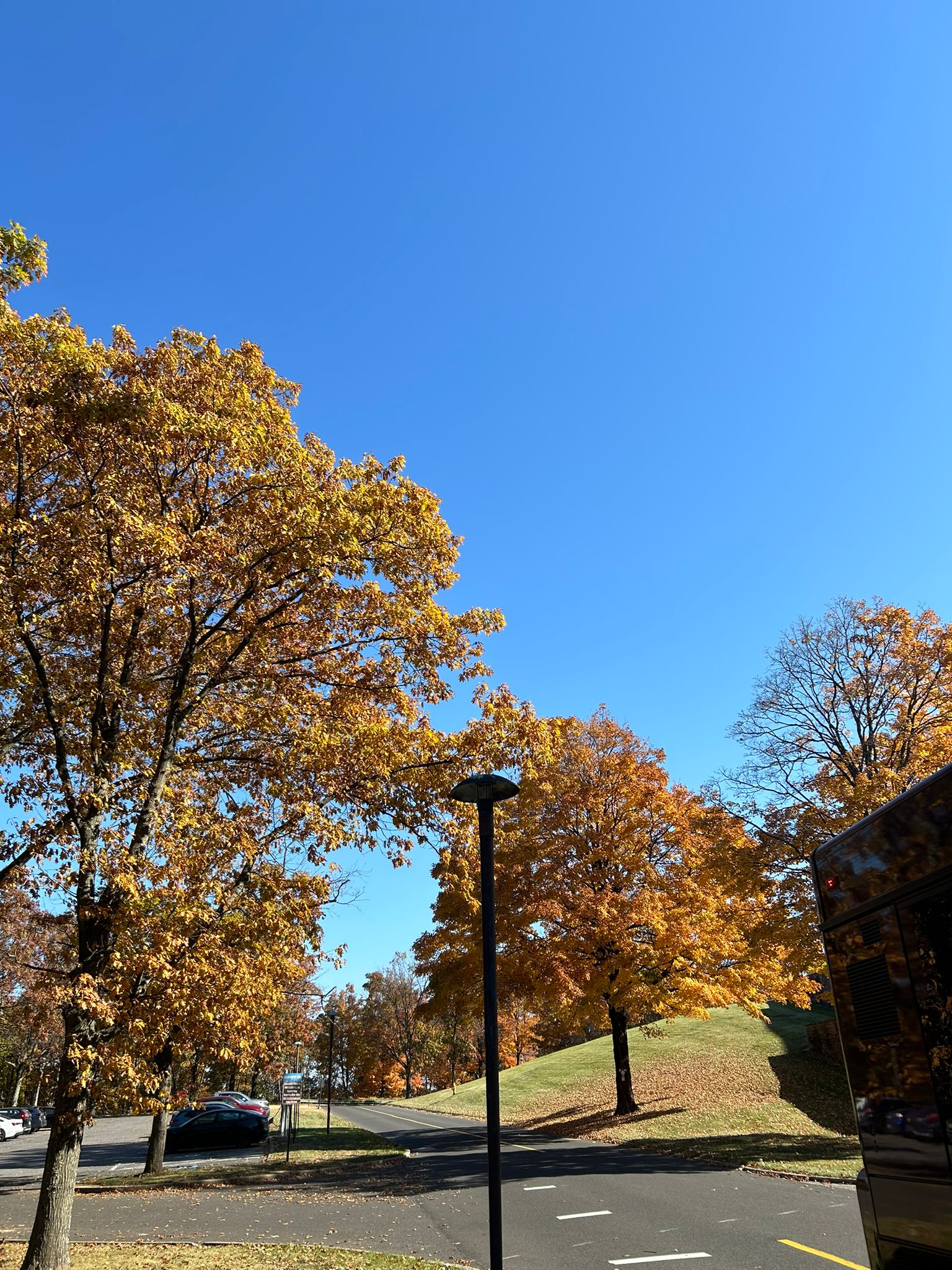
- Getting around a large campus
- The only downside was the sprawling campus location, which could be a pain at times, especially in the mornings, when using the campus bus seemed like an added chore.
- Limited career opportunities for graduate students (compared to undergrads)
Required Exams for Admission
Course Curriculum
8
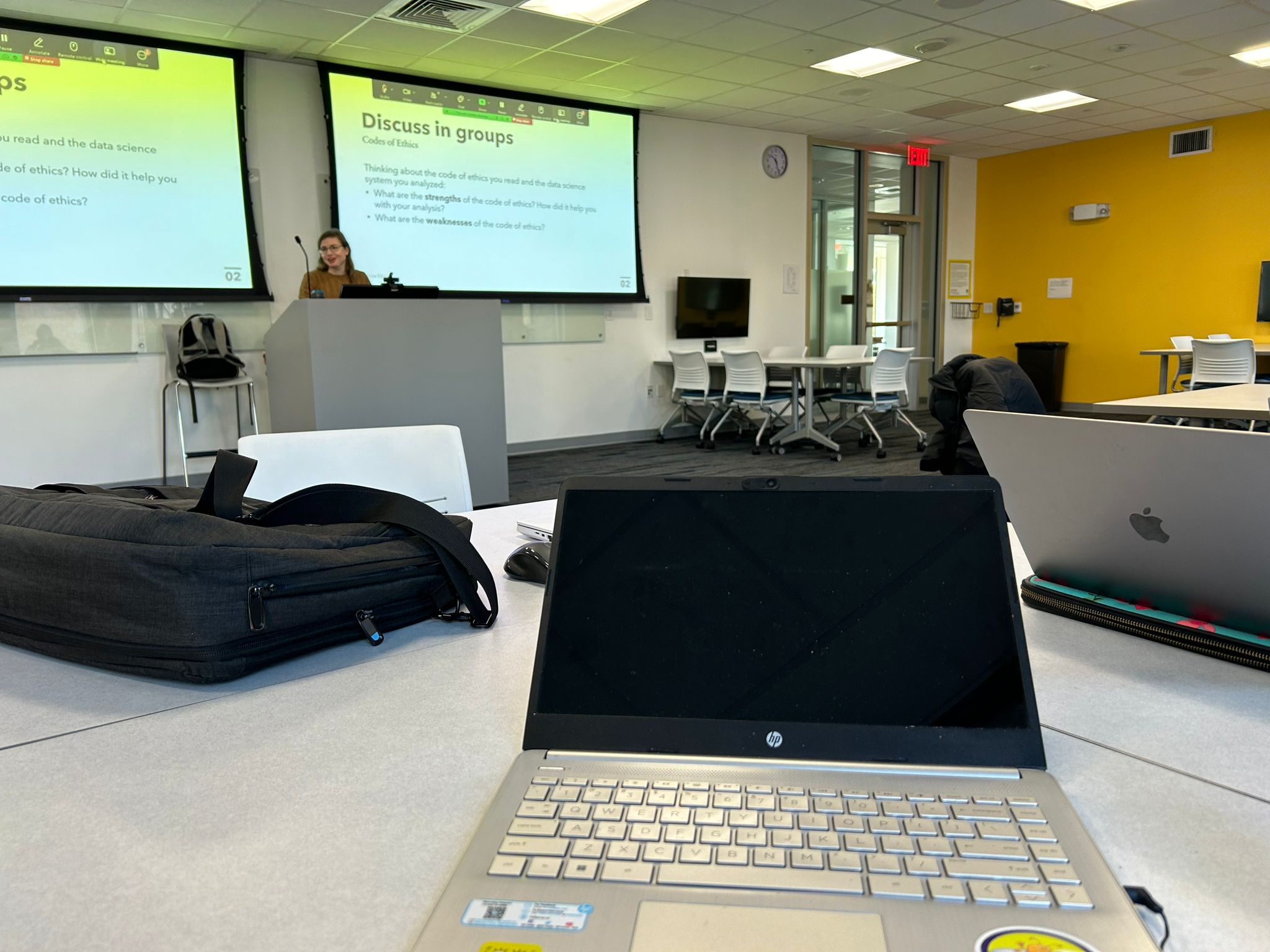
- The curriculum at Lehigh University is relatively simple and easy to understand. You will find it easy, provided you have paid proper attention during your undergraduate course, particularly in the related areas. The program covers all three levels of difficulty: basic, medium, and high, starting from the basics and advanced applications. The teaching methodology is both theoretical and practical. The professors introduce the basics, take students further with group discussions, and give challenging homework to make sure that both the concepts and their applications are understood. Such a balance between theoretical and practical learning has made the course interesting and all-round.
- One positive point of the program is its discussion-oriented approach and clarification of doubts. Professors are really approachable, and there is a high level of interaction both in class and after it. Secondly, every course has a TA who conducts dedicated TA hours. This is extremely helpful for getting doubts resolved and further insights that might not be provided by professors due to lack of time.
- On the negative side, the PowerPoint presentations in class may sometimes be a little limiting. Further explanation of topics is usually left to outside resources not necessarily included in the course material. However, professors are always open to any doubts or questions, even for topics explored independently.
Admission Experience
- I applied to seven colleges in total for my master's program. Of these, I received rejection letters from six and was fortunate enough to get an admission letter from one. The college where I secured admission was Lehigh University, which turned out to be the place of destination for my graduate studies.
- The Universities that rejected my application were University of California, Los Angeles (UCLA), University of Michigan, University of Wisconsin-Madison, San Jose State University, Texas A&M University, and University of Maryland. Although it was a disappointment for me, the experience gave me valuable lessons about the process of admission and how I could have strengthened my application.
- One of the major reasons for these rejections may have been my academic profile. My undergraduate GPA, on a 10-point scale, was 7.2, which, if converted to the U.S. 4.0 scale, is pretty modest. Most of the schools I applied to were highly competitive and usually expected a strong GPA as part of their minimum requirements. Moreover, most of these schools have very rigorous selection criteria, with considerable emphasis on academic excellence.
- Another possible factor that might have worked against me was my change of major. My undergraduate studies were in Electrical and Electronics Engineering (EEE), while I was applying to master's programs in Data Science. While interdisciplinary transitions are not uncommon, they do demand that applicants demonstrate substantial preparation and a clear rationale for the switch. I could feel that probably, my academic background in EEE may not have matched or met all the expectations of the program applied for in data science and application submitted didn't properly demonstrate bridging that gap.
- Looking back, I feel that my profile would have gotten stronger with a higher improvement in the undergraduate GPA for me and more relevant experience about data science through internships, projects, or certification. More than that, a statement of purpose could have been constructed in a stronger way-that explicitly pointed out the grounds for changing my field and what prepared me for the shift-might have helped increase the strength of my application.
- Although tough to take, the eventual rejections challenged me further to work harder and made me appreciate the opportunity I have had at Lehigh University for developing my passion in data science.
- I didn't have a lot of choice in choosing a university since Lehigh University was the only one that gave me admission after six rejections. However, Lehigh is ranked among the top universities in the country, and so its reputation played a crucial role in my joining it. Besides, I got to know about their new Data Science program, and I thought it was the perfect opportunity. Universities often invest heavily in new programs to ensure their success, and being part of a pioneering batch gave me the chance to stand out and later become an ambassador for the program-a point I knew would enhance my résumé. ### The Admission Process
- The admission process at Lehigh University was pretty easy. Following the admission letter, I received a call for a one-on-one discussion with the program coordinator himself. This was a major step, since I got the opportunity to ask a few questions regarding accommodation, food, scholarships, and the like, associated with the program. Following this, after all my doubts had been clarified, I had to respond within a window period of 21 days.
- After I accepted the offer, I was officially entered into their system, and the next steps included the completion of the required paperwork and fulfillment of other criteria necessary to enroll in the program. The process was clear and well-structured, and therefore made it an easy transition.
- The most important requirement for admission to the Lehigh University program was proficiency in the English language. Applicants were required to complete the TOEFL or IELTS with a minimum score of 80 overall and at least 20 in each section.
- Overall, my experience went smoothly. The system is self-explanatory, from course registration to paying tuition fees. The university provided clear instructions and support that made the process less stressful.
- The hardest part, however, was finding a house. As an international student living miles away, it was difficult to coordinate with potential roommates and finalize housing in a completely new location. It required a lot of research, communication and trust in online platforms.
- I applied to all my universities for the Fall semester intake. I developed a keen interest in data science while pursuing my undergraduate degree in Electrical and Electronics Engineering, coupled with a minor in Computational Mathematics. In addition, statistics, probability, and data analytics coursework increased my urge to apply data-driven techniques to solve complicated problems. However, I did find that a career change into the data science field is quite impossible without an advanced degree in the field. With this realization and my intentions for experience in this industry meant earning a master's became a very logical step that I should take in advance. I chose the fall semester because it fit with the academic schedule and also gave me the opportunity of creating the transition efficiently, fast, and without delay. I was finally interested in what I'm going to study and couldn't wait to excel in life.
- What sets Lehigh University apart is its accelerated version of a Master's in Data Science with flexible study durations. Starting during the summer, it is possible to graduate within one year or a year and a half, depending on how one feels best splitting their time. I have chosen the 1.5-year program because, according to me, that will allow for a proper balance between academic stress and preparation for job interviews. I wanted to spend enough time building a good resume and sharpening my skills for the competitive job market in data science. Addition to this, I wanted to stress on choosing a masters degree with no thesis as I wasn't interested in getting a PhD and I already had around 4 research projects on my resume and I wanted to enter the industry market as soon as I was done with my masters
- Admission into the program was fairly efficient, too: I sent out applications in January, got my acceptances in by March, and confirmed admission in April. Finally, after completing the formalities and all other necessary pre-departure formalities, I was able to travel to the USA in mid-June. The program started on July 1st, giving me enough time to get used to my new country before my master's degree began.
- This schedule is a testament to my determination to advance my career in data science with maximum efficiency, but also with the opportunity to take advantage of Lehigh's unique program structure and focus on professional development.
Class Schedule
8
- In my Fall semester, I took three courses. Each course had two classes per week, it is scheduled from Monday through Thursday. Fridays were always free but needed to allow us to focus on our weekly assignments which due over the weekend. This allowed a good balance between class time and independent study.
- The average class size is about 15–20 students, which provides an interactive and close-knit learning environment. Of these, around 8 Indian students can be there in the program. Such a diverse batch profile aids peer learning and discussions effectively to make the classroom experience enriching.
Faculty
8
- The faculty-to-student ratio in my course is usually 1:10 to 1:15, which is really good for quality education and individual attention. This makes it possible for professors to take time with each student, hear their queries, and give them personalized guidance in learning. Professors are approachable, and the availability of professors allows them to clarify doubts more easily.
- The teaching methodology is mostly presentations, which are well structured to organize and understand the material. Classes are interactive and systematic in the basics before advancing to complex ones, so students are prepared for jobs. The foundational skills tested by internships and jobs are thus covered well in the course content.
- While professors do not directly help in finding part-time or full-time jobs, Lehigh University offers strong resources for career support. Graduate advisors offer one-on-one guidance, and the Career Development Department plays a large role in preparing students for the job market. They offer mock interviews, coaching sessions, and tips on building resumes. The university also uses an app called Handshake, where students can explore opportunities, including internships, on-campus roles, and full-time positions.
- I find Professor Bilal Khan as one of the best faculty members whom I would admire. He is exceptionally good at teaching, is patient enough to clear every doubt that arises in a student's mind, and is always very innovative with analogies and real-life examples. He makes even the most complex concepts look easy and, with his passion for teaching, inspires students to think more deeply about the subject.
Campus Life
10
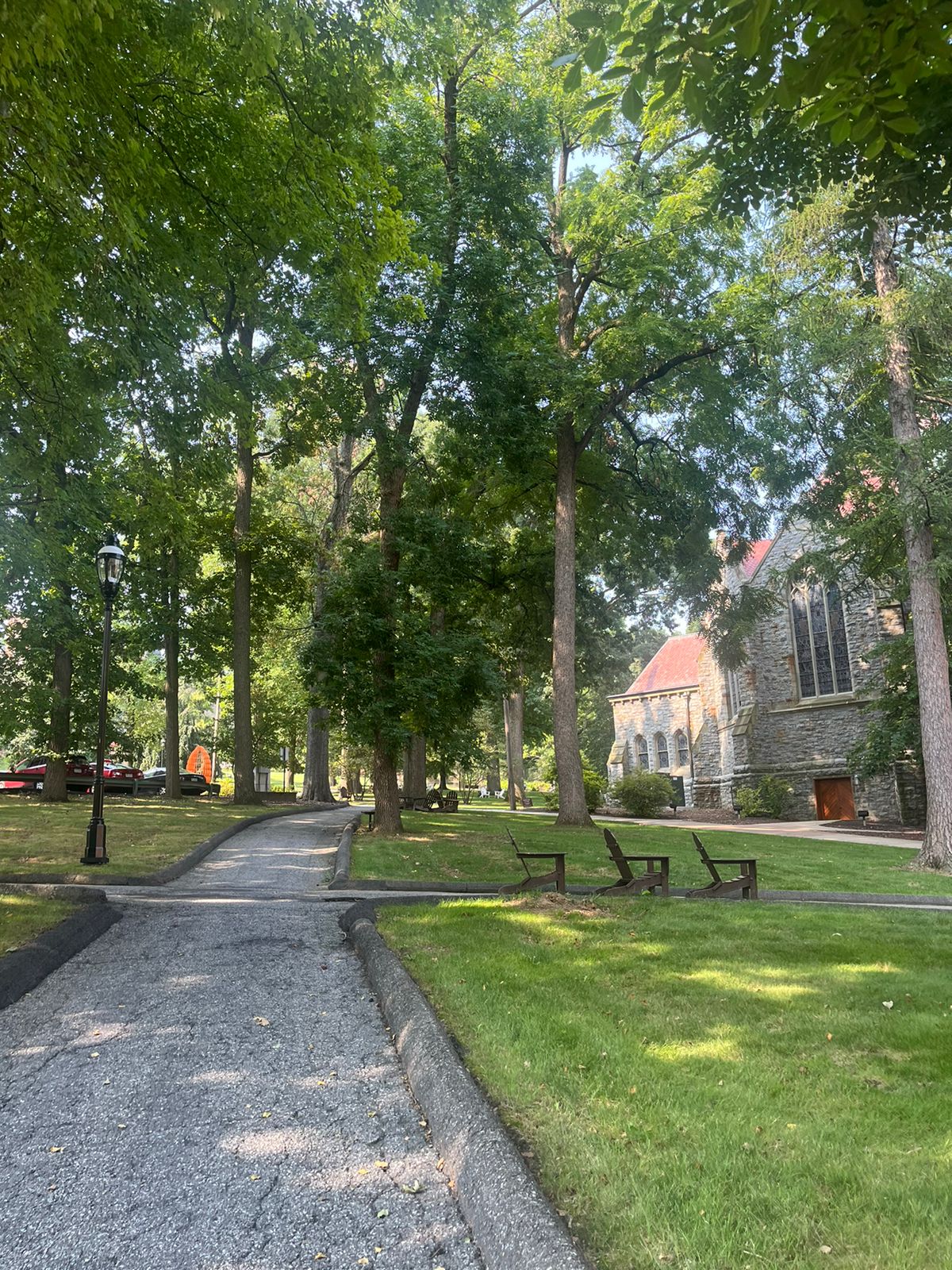
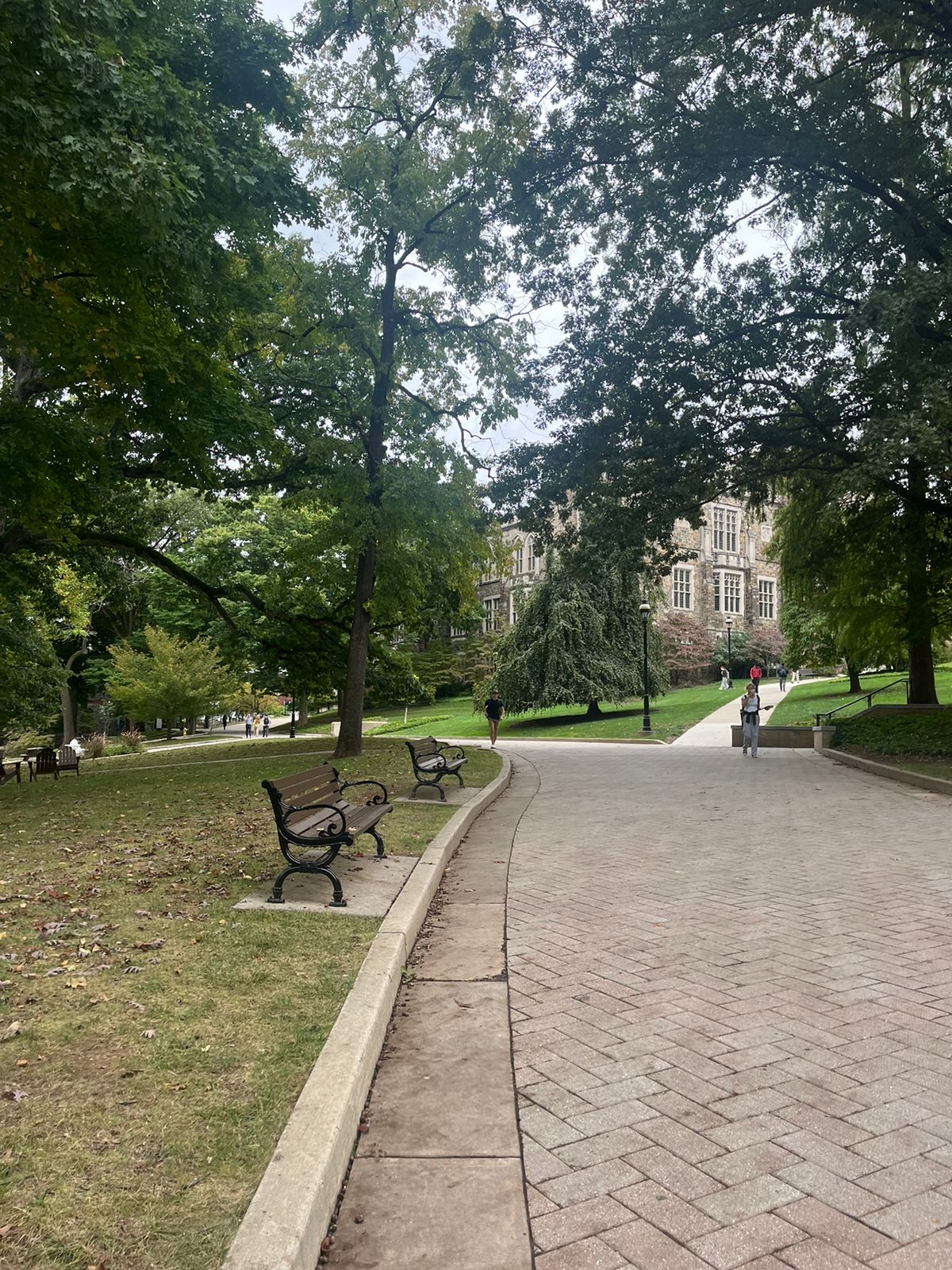
- The two campuses at Lehigh University are the main Packard Campus where most classes are held, and the Mountaintop Campus, which is quite famous for its innovative spaces and occasional classes.
- There are shuttle buses available to transport students between campuses with ease.
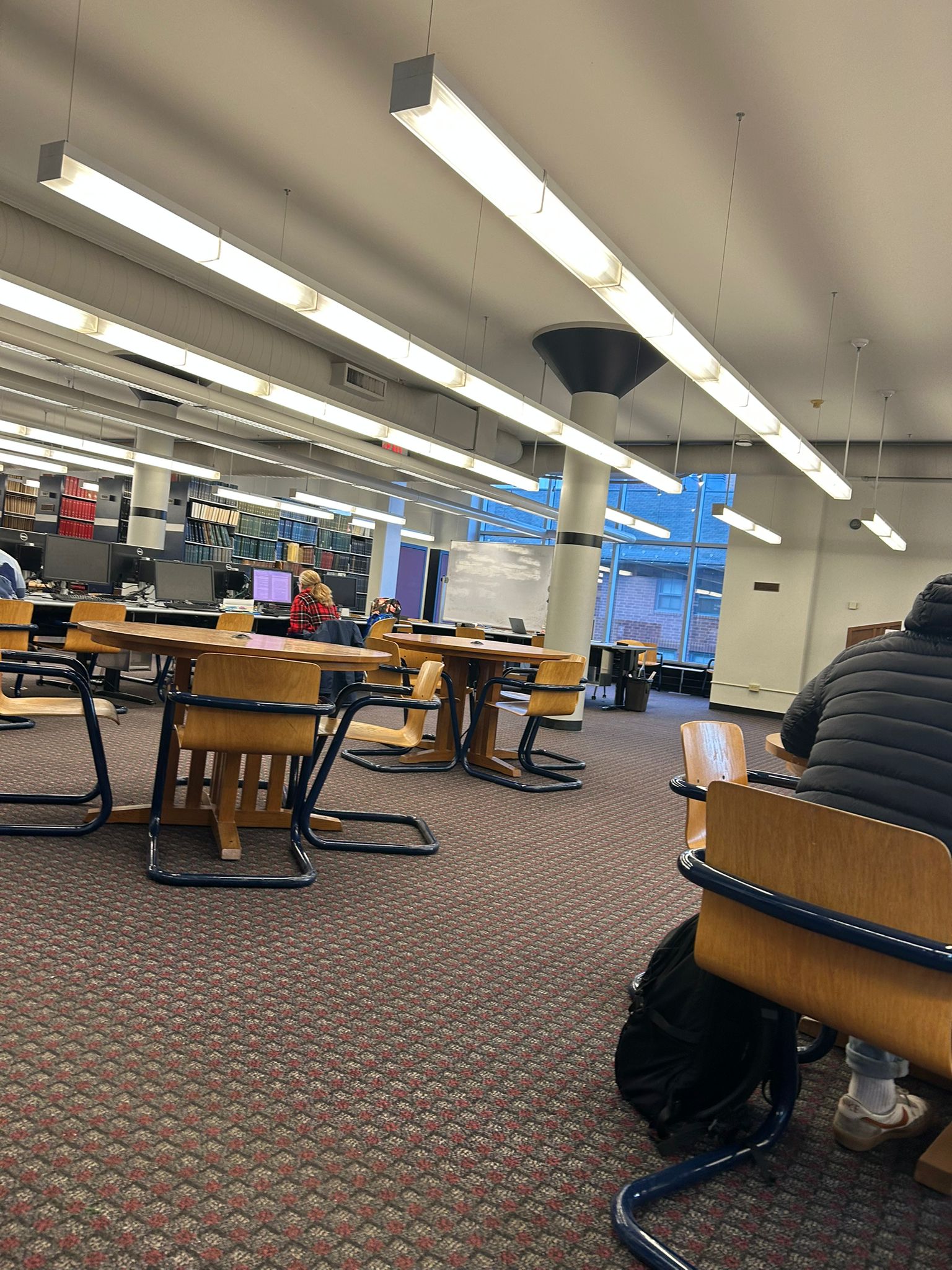
- The university also offers excellent facilities, which include two well-equipped libraries, a gym, a large track for athletics, and a health center offering basic checkups and other medical services.
Part Time Jobs
- The part-time jobs available at Lehigh University differ, but TA, RA, and DA positions are generally offered to PhD students. These are all dependent on your skills and how well your schedule aligns with a professor's needs. Pay for TA/RA/DA positions is usually $20/hour.
- Other on-campus jobs include work at the library, volunteering, proctoring exams, and working in administrative departments. Graduate students are paid between $15-$20/hour, while undergraduates earn $11-$14/hour. The maximum work hours allowed per week is 20 hours, though balancing more than that with full-time studies can be challenging.
- Campus employment positions are very competitive due to their huge demand. It calls for the right skills and doing well on interviews to secure an on-campus job. Since it is easy for work, then many students are attracted to this type of engagement. It's, therefore, a case of survival of the fittest. Strategic planning and networking will enhance your chances.
- Most Indian students prefer working on campus part-time as it is relatively easier and flexible to access. Unfortunately, finding work off-campus is tough since most employers want experience, creating a tough cycle for new entrants.
- On-campus job listings tend to be updated on the Handshake portal; whereby once the student submits their resume and cover letter, one can apply for the job. Pay varies for part-time jobs but can be as high as $20/hour. Getting these positions is relatively easy if your skills match the job and you are doing well in the interviews. For research assistant positions under professors, students must contact the professors personally with a personalized cover letter and resume. It usually involves an interview and, in some cases, a technical round.
- The process for on-campus jobs usually involves searching for openings, applying through the portal, and attending interviews. Planning and utilizing available resources such as career services and networking with professors can increase your chances of success significantly.
Placement
8
- Graduates from our program have a host of options depending on the directions they choose for their careers. Some students do pursue academia while others join corporate life. As for me, I want to enter corporate life. This semester, I applied widely since I have just finished my undergraduate and needed experience, but for those working, it will be different; they may graduate sooner and directly apply for full-time positions.
- A high percentage of graduates find work within six months after graduation. If not, job opportunities often arise very shortly thereafter. The main road to success here is early experience through research or corporate internships. Working during your studies is an excellent way to get established in the U.S. job market.
- Salaries vary by role and company, but most graduates secure entry-level positions with competitive compensation. While I don't have precise data on average packages, building skills and experience is essential for higher earning potential.
- Students usually get their jobs through various providing platforms, such as Handshake, which helps college students find their recruiters. Networking is the key: attending talks, engaging with professors, and reaching out to alumni are very important for long-term career growth.
- Since my program at Lehigh University is still relatively new, the placement trends are still emerging. However, I was able to secure a summer internship with Footlocker after applying to more than 200 positions to different companies throughout the fall semester. Persistence and proactive effort are key in landing the right opportunity.
Accommodation
Off Campus
10
- I chose off-campus accommodations and mainly used Facebook to seek a place to stay. I joined community groups for people who advertise subleasing, leasing, or are looking for roommates.
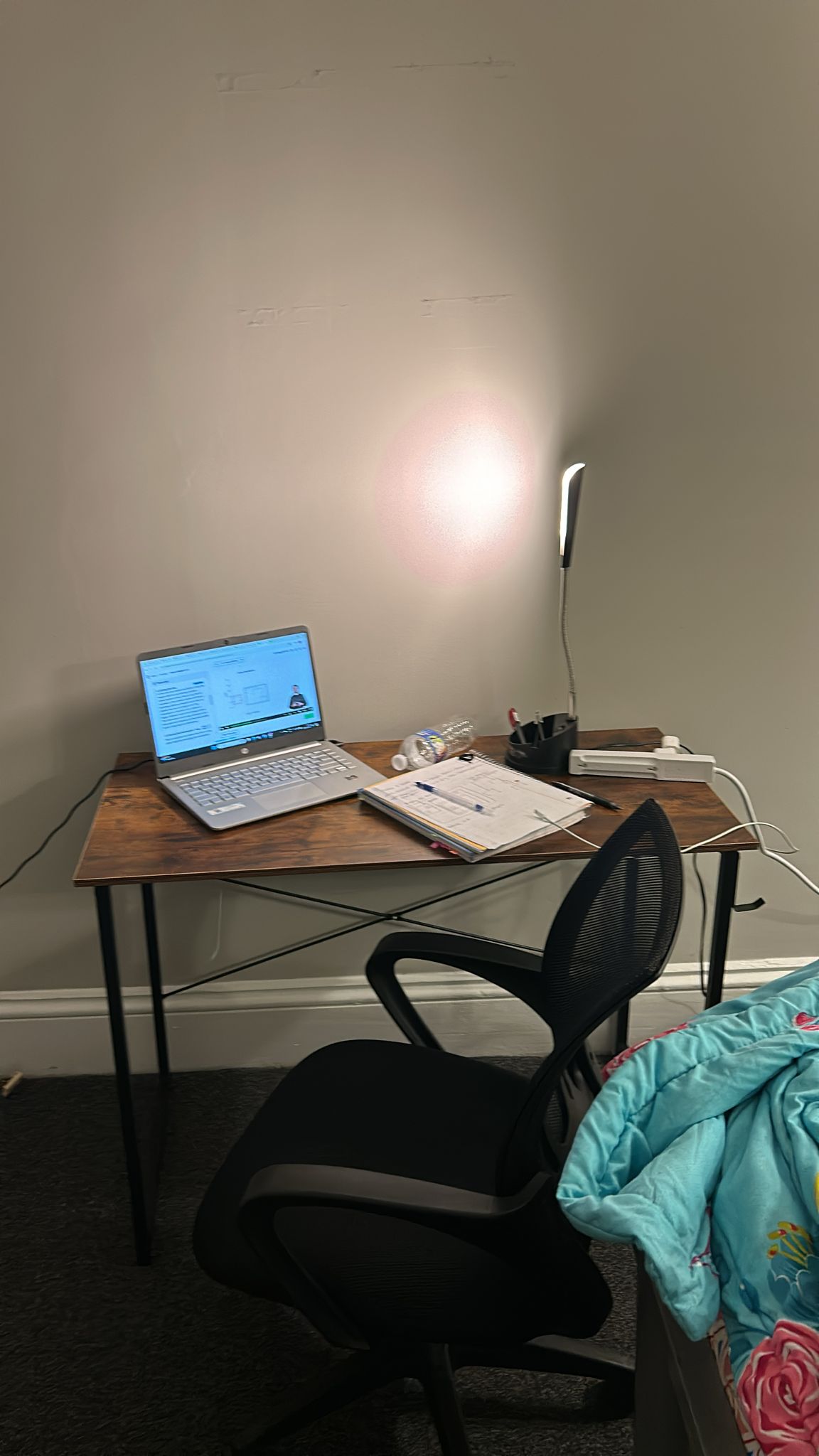
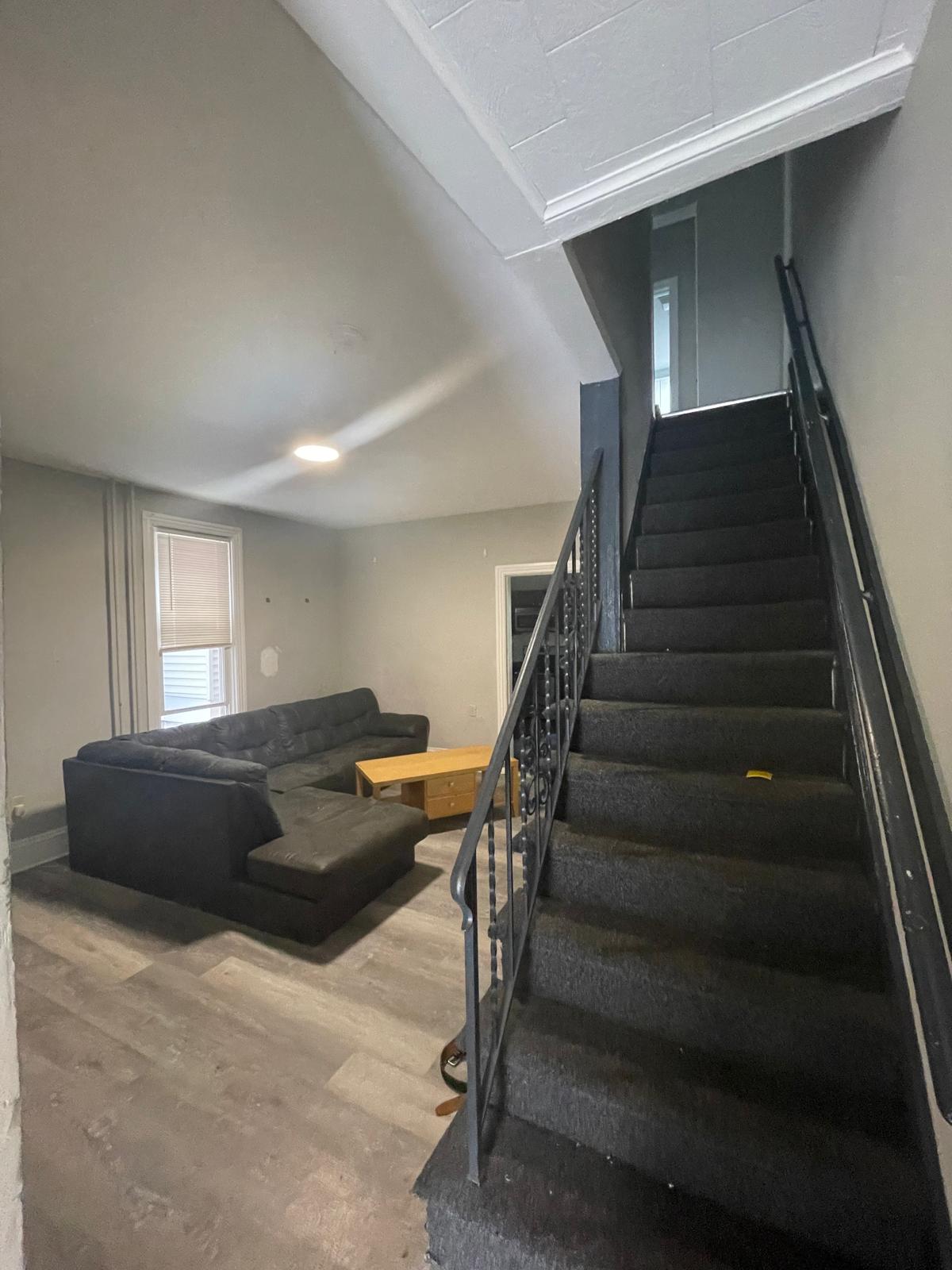
- The university also has its own website for finding places to stay and roommates. My monthly rent is $550 for a 5-bedroom, 2-bathroom house rented through "Amicus Properties." Maintenance is handled by them; however, gas and electricity are the tenants' responsibilities. The house came furnished with a dresser, nightstand, table, chair, and bed frame, although I had to buy a mattress.
- The main challenge I encountered was finding roommates and coordinating to lease the house together, since this greatly reduced costs. It's much cheaper renting an entire house and splitting the rent with roommates than paying owners who rent rooms at $700 or more individually. Coordination and guidelines for the house before occupying it were essential.
- I recommend that students start their housing search well in advance and ask the current students for advice on what to look for in a house. The rules for the house should be well-defined and all of them agreed to before the lease is signed to avoid future conflicts. My house is close enough to walk to campus, and most of the Indian students are found to stay off-campus in the surrounding housing areas.
- My accommodation is really close to campus, my classes happen all around the campus but i would say I'm relatively close and walkable from everything. Indian students are spread out everywhere.
Exams
- Admission to Lehigh University required the only test a candidate needed to take: TOEFL, with a minimum requirement of 80. Besides the TOEFL score, other major documents to be submitted for admission included SOP, Letters of Recommendation (LOR), and an updated resume. These were necessary to describe my academic background, professional experiences, and motivation for pursuing a master's in data science.
- This SOP allowed me to tell my story, to say something about my interest in data science, my undergraduate journey of Electrical and Electronics Engineering with a minor in Computational Mathematics, and how the program aligns with my career goals. The LORs gave an insight from my professors and mentors perspective on my academic potential in classes, labs, my analytical skills, and ability to complete the work with due diligence. My resume highlighted relevant experiences, including internships and projects, which prepared me for the program. A tip I would want to give you is not to highlight the same things in your resume and SOP.
- Unlike most universities, Lehigh University did not require an interview as part of the application process. This in turn would mean that the admission team would select based on the strength of my written application materials and test scores. While the absence of an interview made the process a lot less intimidating, it also put great emphasis on turning in a compelling and complete application in order to stand out among applicants.
- In that respect, this simplified procedure freed my time to prepare top-class materials, which significantly helped me get admitted. It was clear what the requirements were, and the timely responses by the admissions team assured that everything went through smoothly so that I could move on with plans of commencing the program.
Events
8
- For extracurricular activities, Lehigh has a lively student body with a number of clubs and organizations.
- As an Indian student, I personally like the South Asian Student Association (SASA).
- They host events for all major Indian festivals, like Dandiya for Navratri, Holi, and Diwali, and Diwali is the biggest celebration on campus, where students of all backgrounds come together.
- There are a number of cultural, sports, and academic events going on in the campus round the year.
- The sports teams, cultural programs, workshops, or even the interest-based clubs on campus, such as coding, arts, or sustainability, also give an opportunity to the students to connect with fellow students and make their whole campus experience better.
Fees
- Tuition fees at Lehigh University are per credit. The standard rate is $1,500 per credit, and since each course is typically 3 credits, the cost for one course amounts to $4,500. Adding taxes, the total becomes about $4,770 per course. For the entire program, total costs will depend upon the number of credits required for graduation, which will vary by program.
- Aside from tuition, the only other required fee is student health insurance, which is $2,500 annually. This is required for all international students and covers healthcare during the course of study. Not having health insurance will really make your medical bills expensive and not affordable.
- I stay off-campus, which usually is cheaper compared to the cost of living on campus (Graduate Housing). My rent is $550 a month, and additional cost for utilities which include Internet, gas, and electric. That generally is around $100 to $150 per month, depending on consumption (heaters use gas/electricity so during the cold months that’s going to be high).
- Grocery shopping is real expensive compared to India, I would suggest to purchase goods at a cheaper price if it is in bulk. I pay roughly $70 every two weeks, which equates to approximately $140 per month. The transportation system is less cost-effective compared to India, and so stocking up during fewer trips is .
- Transportation costs are minimal for me as I live walking distance from campus. however, for longer distances I use the public transport which is free within the city with my college ID.
- Taking everything into consideration the estimated monthly expenses comes to around 840-940$, may even increase if you eat out (tax and tips always are 2-3$ itself)
- The university charges tuition semester by semester; Therefore the payment must be made at the beginning of each semester and please do it before the due date as they’re very strict about late fee charge. It will enable students to plan well financially and ensure clarity manages tuition fees, as well as other costs associated with study and stay in a foreign country.
- Living and studying in the US is very costly, but these expenses could become less troublesome by implementing mindful budgeting techniques and picking inexpensive accommodations.
Scholarship
- Unfortunately, I never got any scholarship during the course. Most of the scholarships that are available in my university are merit-based, and my lower GPAs might have made a difference to remain behind while considering the beneficiary.
- On the other hand, except university scholarships, there had been some independent scholarship provisions which students could apply individually. Most of these required the essay of some sort on specific topics. For instance, one that I came across asked the applicant to write about any woman in a STEM majoring that inspires them most. There were a good number of these, but I didn't look through them in detail since I was more occupied with getting ready for class work and adjusting to the program.
- Some of my classmates received scholarships through the university. Especially, some of them had been given a 35% waiver of tuition because their profiles were quite impressive, such as a high GPA and extensive experiences in the past. Some of my peers had full-time work experience, unlike me, who just finished their undergraduate studies with professional experiences limited to internships, which could have helped strengthen their scholarship applications. The university seemed to value a combination of academic excellence and practical work experience when awarding these scholarships.
- Regarding the overall number of students who receive scholarships annually, I am not fully aware of the exact figures. However, from what I observed, most scholarships provided by the university were merit-based and aimed at high-achieving students with a strong academic record and good professional achievements. These were quite competitive scholarships, and the amount awarded varied from scholarship to scholarship, but it seemed that a common figure for those who qualified was a 35% reduction in tuition.
- In all, even though I never got the scholarship, the existence of merit-based scholarships and sources for external funding means options were available toward financial aid, provided one meets the eligibility criteria. It is always advisable to try all available opportunities, especially those outside the university.


