




What Students Say
Likes
- Best in the UK for Publishing, Journalism and Public relations and it showed. (2021, The Guardian)
- We were encouraged to find internships and placements from early on. I eventually ended up with 3 different internships and a paid placement which went on for a year and proved critically important in my career.
- The placement cell is very supportive. They really go extra lengths to. prepare you for interviews, review your CVs and make sure you are prepared before applying or appearing for the interview. They also kept a check on the quality of placements and kept asking us if we were learning enough in our placements and if our goals are being met by the company. It made us feel like they were on our side (this I believe is very critical when you are in a foreign country with no safety nets or support system nearby)
Dislikes
- I wish there was a proper mixer for our class or department. There wasn't one. We didn't get to network enough with our classmates. (also because classes were hybrid due to covid but still we were going to campus every week or alternate week for impersonal classes)
- Our classroom was not very diverse.
- My dissertation supervisor wasn't supportive and she would miss critical meetings without a notice. That was very stressful.
Course Curriculum
10
- It was decently tough. Nothing too hard to take on. It was more practical than theoretical. We didn't have exams, but projects and assignments.
- We had about 3-4 classes in a day (at max) on rare occasions. Otherwise, it was 2-3 classes.
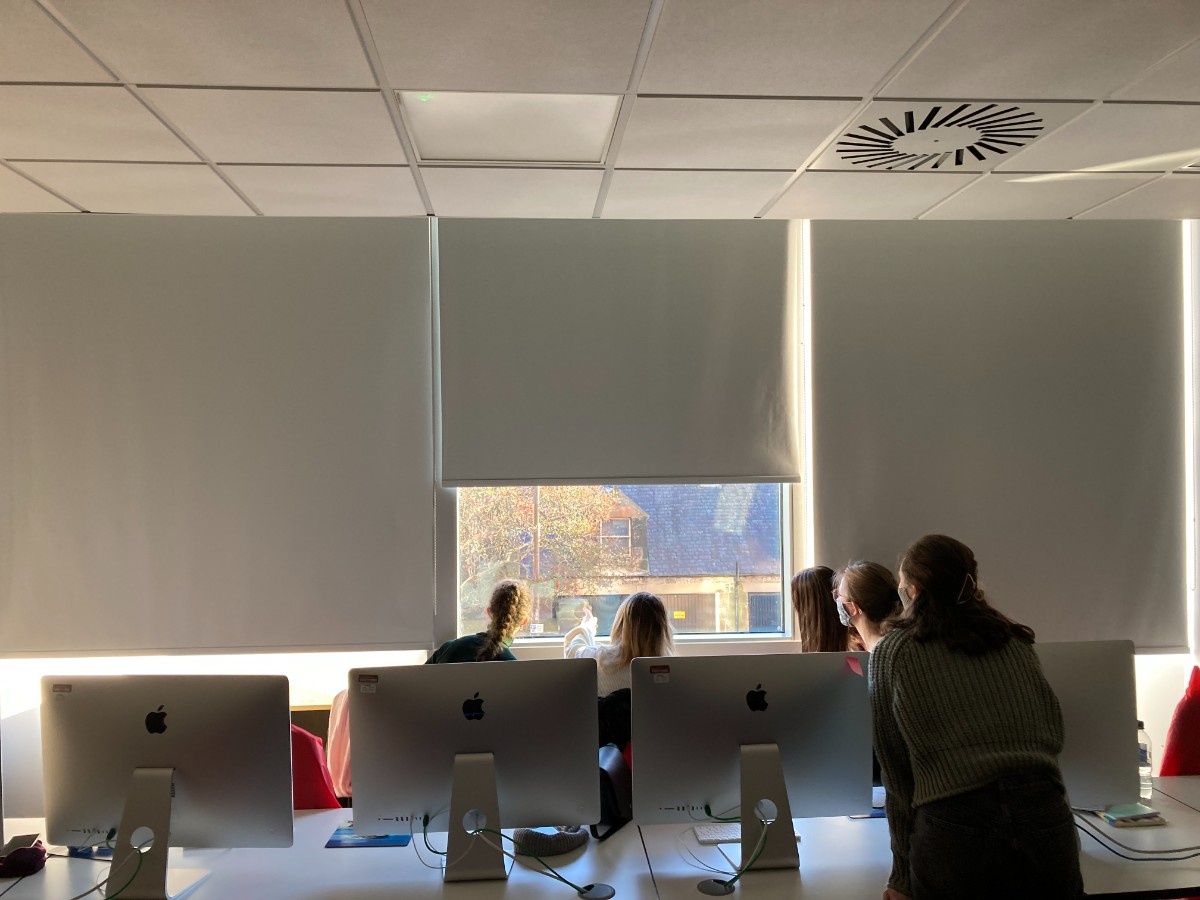
- We had two sections, about 45 students in total. Some of the students were also studying part-time, so they were not always a part of the class. The average number in a class was about 15 throughout the year. There were no Indian students except for me. There was another girl from the USA and 3-4 students from the EU.
Admission Experience
I applied for the following universities:
- Edinburgh Napier University- MSc Publishing (Admitted)
- Anglia Ruskin University- MA in Creative Writing and Publishing (Admitted)
- 3. Bath Spa University- MA Children's Publishing (Admitted)
- I was accepted into all the colleges that I applied to. But I chose ENU before I got a reply from Bath Spa about the admission. But later, I was accepted into Bath Spa too.
- The city, Edinburgh. It was the best decision to study here. Scottish people are very friendly, and Edinburgh made me feel at home and happy.
- I did it through my counsellor. They applied on my behalf. I had a telephonic interview with ENU's India staff, and I got a confirmation of the call itself. I waited for my CAS, and meanwhile, I arranged all my documents and medical tests in order. As soon as I got my CAS, I scheduled my visa appointment.
- IELTS is what I took. I got an overall 8, so it was not an issue for me, but different courses require different points in different modules. My course's requirement was a minimum 6.5 overall and at least 6.5 in all of the modules. I was very pleased with it. I even got a scholarship to study.
- September. We had spent a year stuck at home during COVID, so I didn't want to defer and made my year count.
- The admission process took about 5-6 months. But most of it was waiting to hear back from the universities, or waiting for the CAS or visa to arrive. I had confirmed my place at Edinburgh Napier at the beginning of April. And I got my visa by the mid of August.
Faculty
10
- We had 4 teachers in total for our class. I was a good number. They made sure each student was paid attention to, and they would always end the class by asking each student if the class was productive and if we had any questions, without a miss.
- The teachers used PPTs and sent a lot of detailed coursework. We were also given access to industry courses from other private organisations, which helps us. Like subscription to the best publishing magazine in the UK, free for us to access, read, and use- along with their publishing-specific courses.
- Yes, we were constantly sharing opportunities with our teachers. They used to count them for us as well. Dave, who taught us InDesign, was the absolute favourite- with his Scottish banter and happy-go-lucky vibe. And then it was Stevie and Avril. All were very helpful and nice.
Campus Life
10
- There were a lot of clubs, and they hosted parties and mixers every now and then. There were exhibitions we were mailed about. And every major thing in the university was announced in the newsletter, too. There were a lot of freebies too.
- The business school had a very nice ball at the end of the year, but ticketed. Every festival was celebrated in the Uni. The student organisations were quite active too, and you can always go there to ask for extra help with anything, and they would take care of the matter for and with you.
Part Time Jobs
- Not sure about TA, RA, and DA positions. But you can be student ambassadors, be a part of the student union, help the college with social media, or admin related work. Students are only allowed 20 hours per week. It is fairly easy. You just need to have good communication skills. The jobs offered by the unit may not be stable, as there are no fixed hours.
- I preferred to work outside of campus so I could learn more about the city, culture, people, and so that I would not be isolated in just one place. I would recommend the same.
- Most jobs see the minimum wage, but a lot of them don't. So students should not settle for jobs that pay less. This is typical in the case of cash-in-hand jobs. A lot of Indian students prefer cash-in-hand jobs. But others like me worked in retail, cafes, bars, and restaurants. A lot of students found it hard to get a job at first. I immediately found an Indian restaurant to work at, but they paid less than the minimum wage, so I quit after a month. But then I got a job at one of the biggest clothing brand and I stayed put at the job ever since, as there were a lot of perks and stable hours, and you could request more or less work depending on your college assessments/exams, etc. Bigger companies take care of their employees well.
Placement
10
- I got a placement before I finished my course. It was part-time by choice. I continued to work here even after coming to India. After coming to India, I started an in-office job in Delhi. Most of my classmates are working in publishing across the UK and abroad. A few of them switched to other careers as well. It is always helpful to reach out to your placement cell and stay in touch with them
- They take care of their alumni. Build a network on LinkedIn, add all of your classmates and teachers, as they still keep posting about job opportunities across the industry. The average pay in the UK industry for my job begins at £24,000. It can vary according to the nature of the company.
Accommodation
Off Campus
10
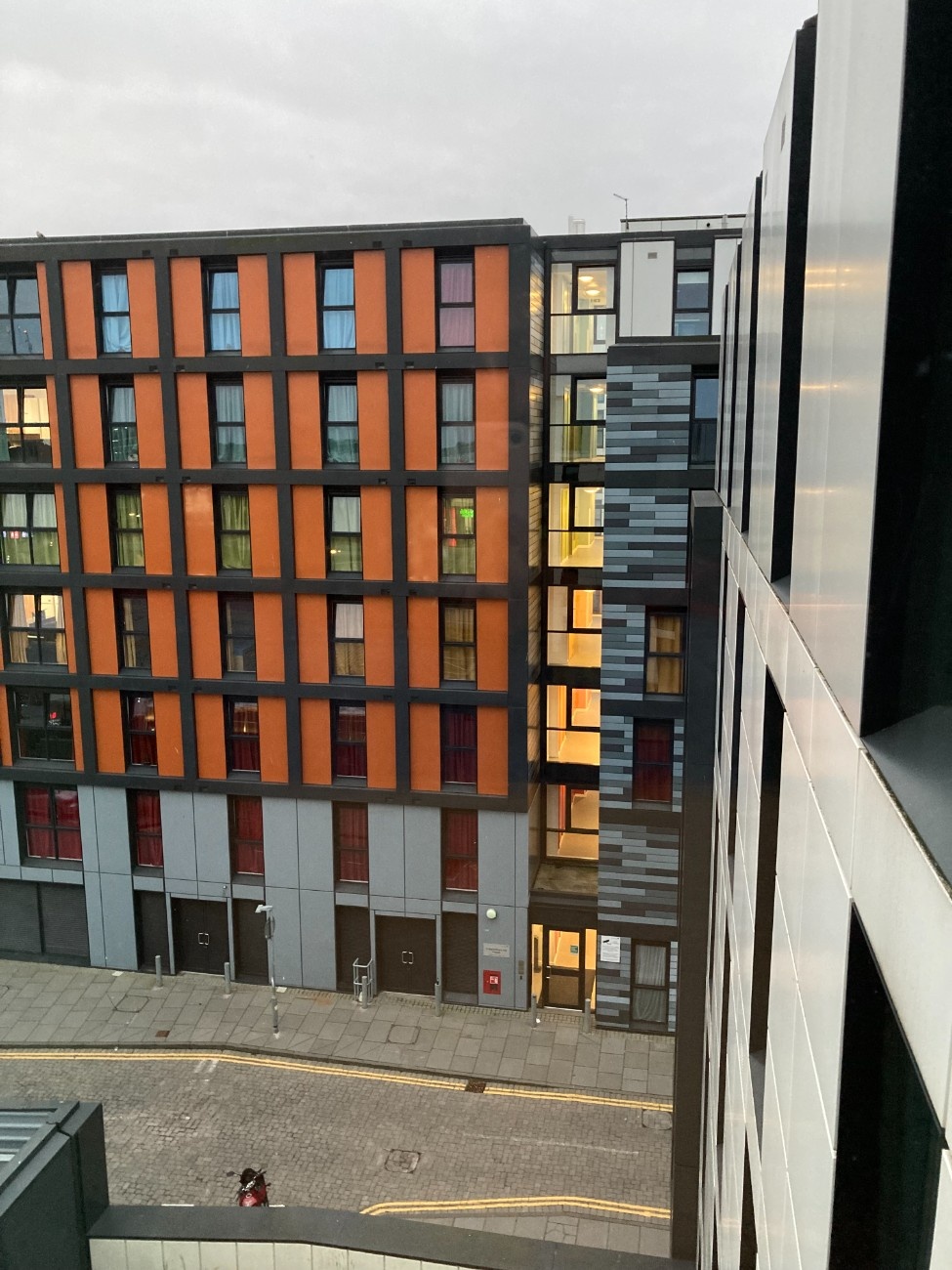
- I was in the university accommodation for the first 3-4 months. It was called Blandfield. It was quite near campus- a 10-minute walk. We had to pay a 500 quid deposit to begin with, and for a year, the cost was around 7,000 quid. But in January, I shifted to a flat I found through Spareroom- the best website to hunt for places to rent. My rent here was £410 for a month, and I had the best flatmates!
- Recommendations- Fixed rent is an expense you can't cut down on, so choose wisely. They need a proper reason for you to let go of the student accommodation. If you don't have good flatmates, move out. The culture is best experienced in real homes/rooms you rent in the city.
Exams
- An English Language Test is required. Bachelor (Honours) Degree at 2:1 or above in any discipline. But work experiences veto everything else. So if you have relevant work experience, it gives you a good hands-on experience and advantage in your application. I had submitted my CV, including internship, volunteer experiences, and attending relevant events- they all count. All of this, coupled with an SOP that shows your personality, your aim, and what plans you have for yourself, will help you. I had to also contact my teachers for a couple of LORs.
- I had a 3-4 minute telephonic interview. The lady on the other end was Indian; she was pleased, and she gave me an unofficial nod on the phone about the acceptance.
Fees
- My fees due after the scholarship were £15490. Accommodation changes were separate and £750 a month. No council tax, as Students as exempted. I had to pay the fee semester-wise. Or we had a choice of pre-payment as well. The monthly expenses were about £150-200 per week, including groceries, transportation, and eating out once or twice a week (depends on personal habits). The students get a lot of discounts everywhere. Totum, student universe, etc., made a real difference. Otherwise, the uni's financial aid services were there to help in case you struggled to make rent, etc.
- Also, you can get a discount on the fee if you pay in advance, too. I was further given 500 quid off because I paid the advance towards my fee early.
Scholarship
- Yes. Saltire Scholarship. I got 8,000 quid as a scholarship. The Saltire Scheme offers £8,000 towards the cost of tuition fees for one year of your postgraduate Master's course.
- As an international student, I was required to make a pre-payment deposit of £3,500 to Edinburgh Napier in order to secure my place on the course. After the payment, my final Confirmation of Acceptance for Study (CAS) was issued.


