



Reviewed on Feb 21, 2026(Enrolled 2020)
What Students Say
Likes
- UBC is internationally recognised as a world-class university and is ranked among the top 40 universities in the world.
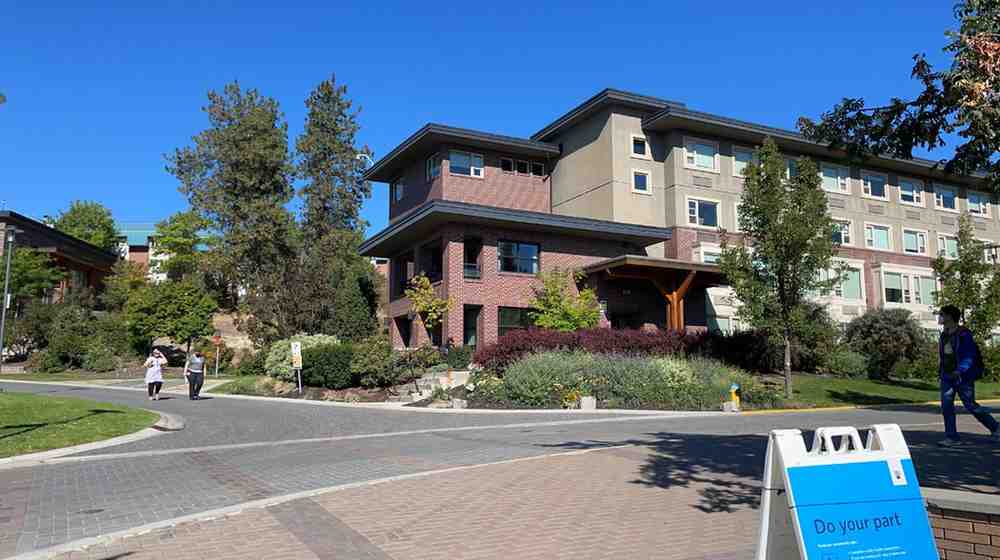
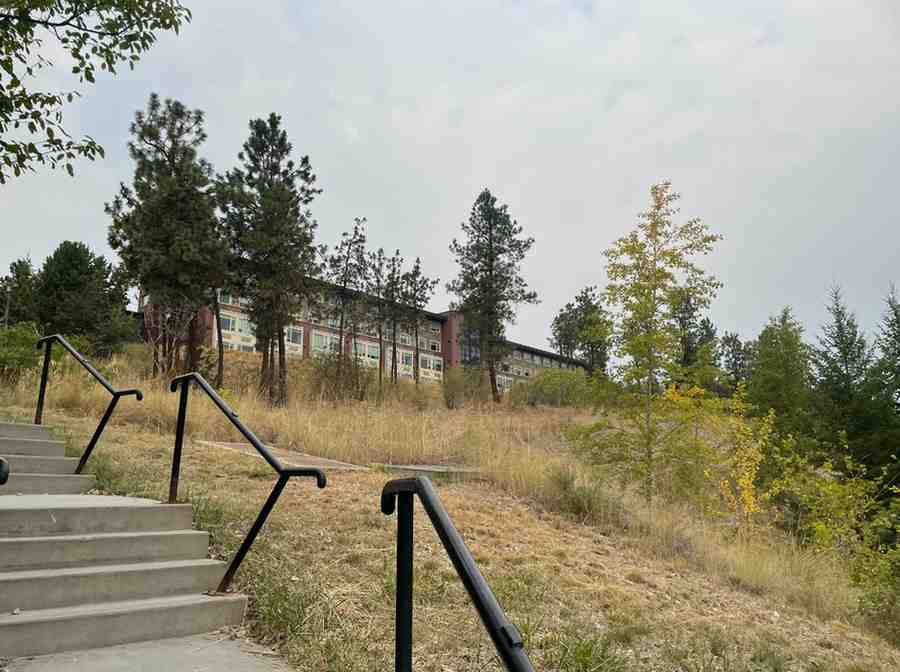
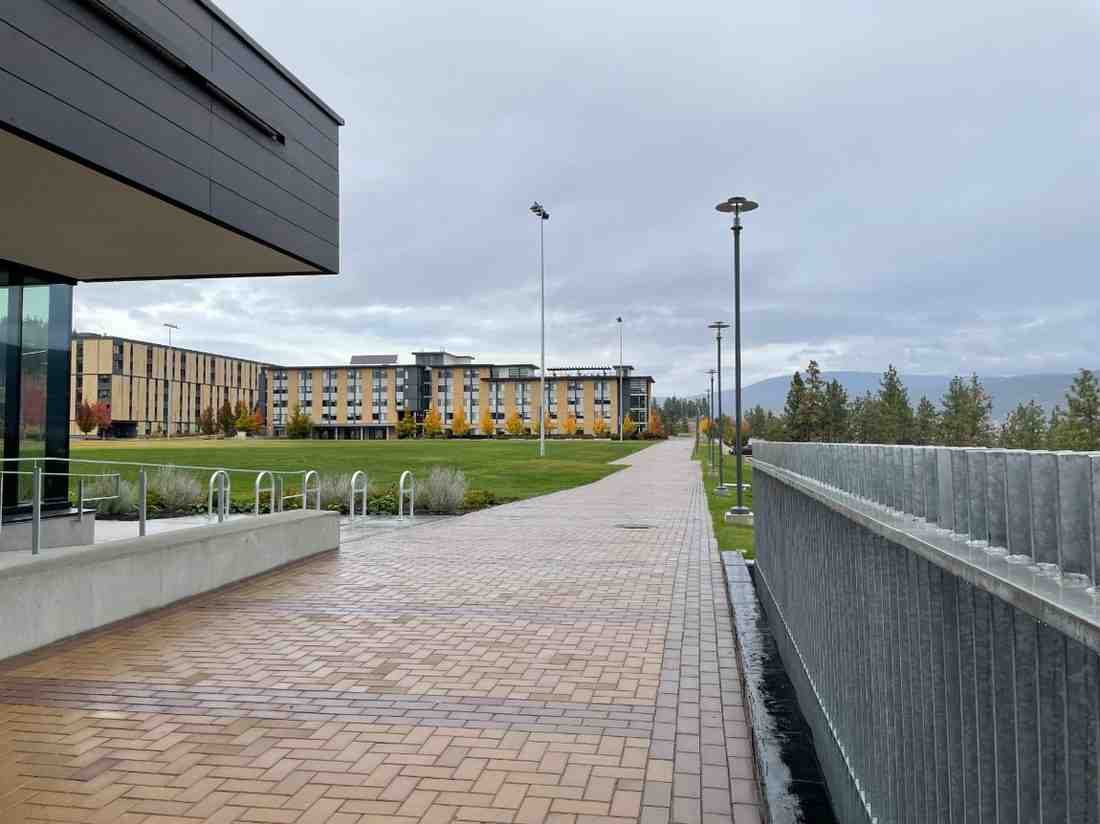
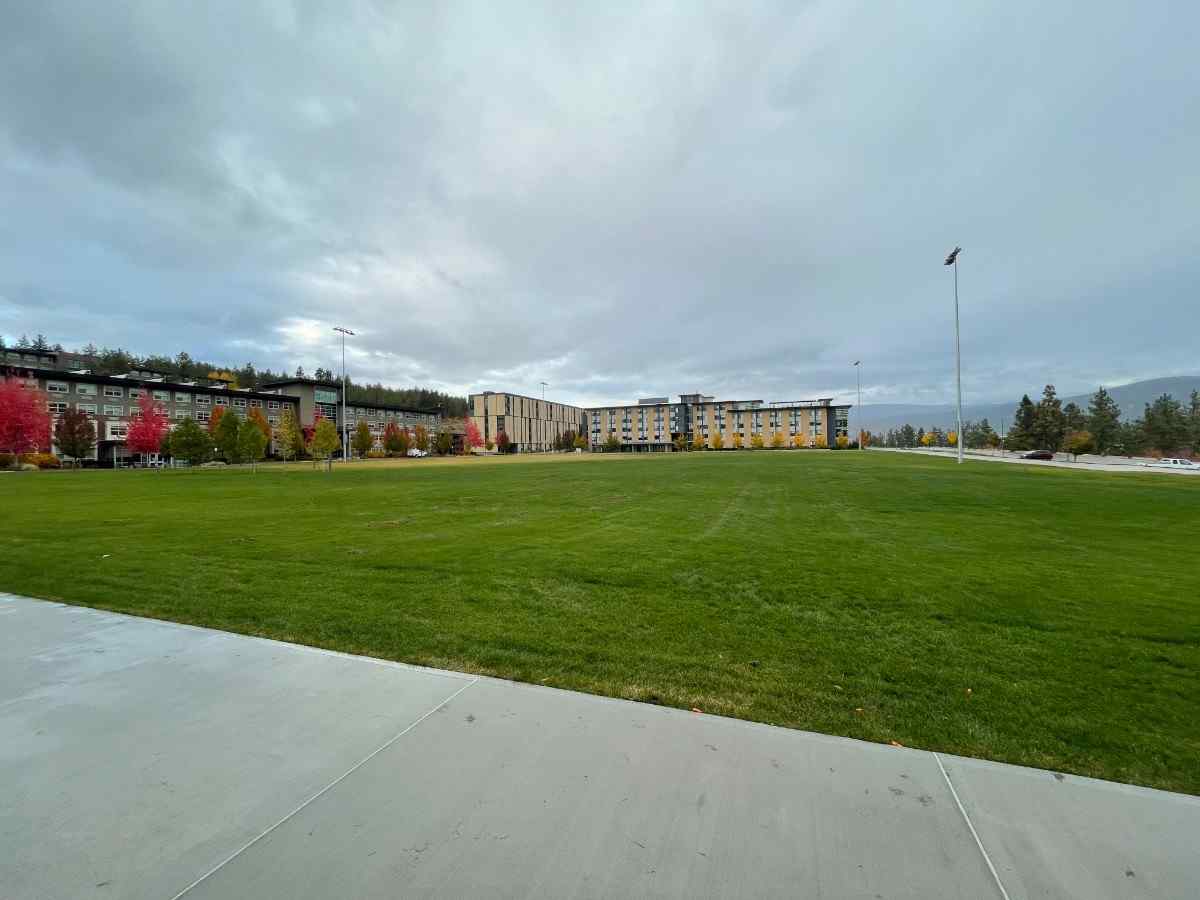
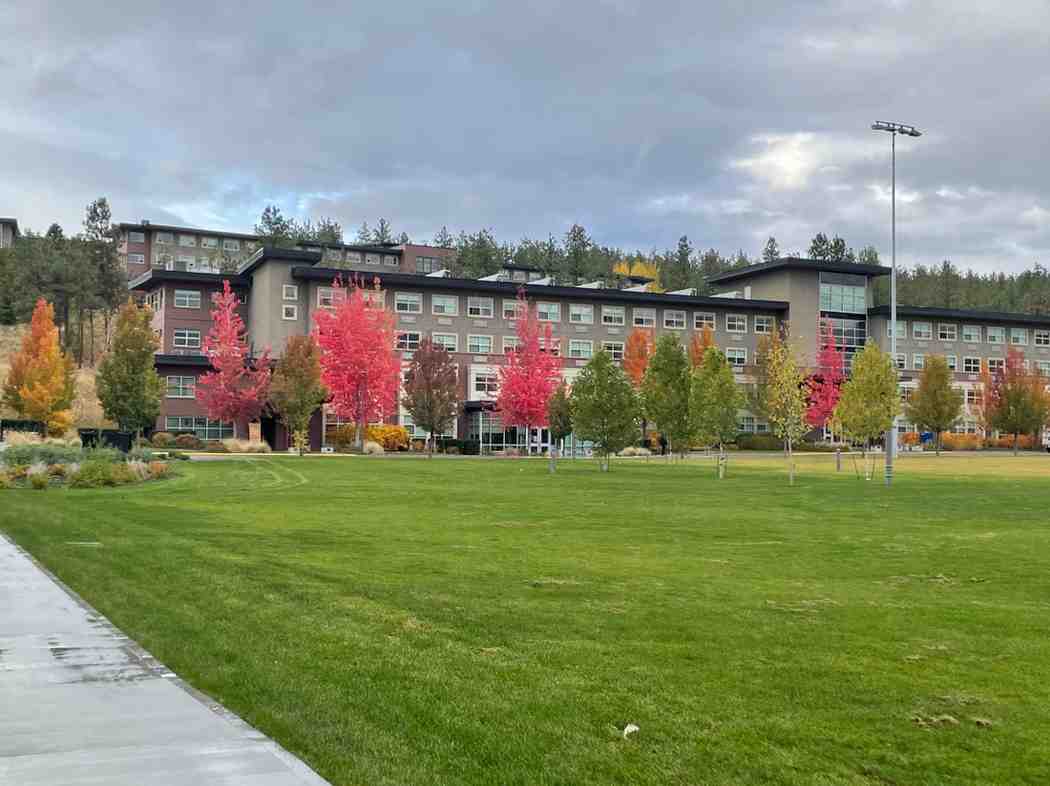
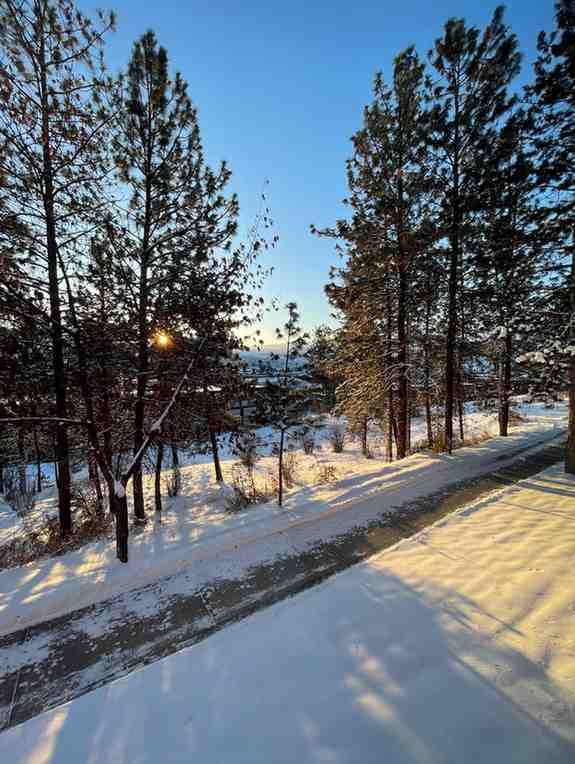
- UBC Okanagan campus is very beautiful and picturesque.
- The small class sizes in UBCO provide students with an opportunity to connect with professors.
Dislikes
- Because the Vancouver campus is more well-known than the Okanagan campus, the latter can get overlooked or overshadowed by the public and employers.
- The location of the Okanagan campus is slightly inaccessible since it is not in a metropolitan (or big) city like Vancouver.
Course Curriculum
10
- Since I am an English major, much of my studies is influenced by current societal discourses. UBC and its professors take great care to keep course syllabi updated and relevant. There is always a wide range of course topics offered for every major, and a student is always encouraged to choose those that they like instead of having a set, mandatory course list.
- All of the courses are also designed with the goal of providing research experience (such as a thesis, in my case) or directions towards possible research interests and opportunities (such as field work projects in the Sciences). There are also no set time tables for every student since the choice of courses will create different schedules for different students.
- Many courses have different sections at different hours of the day so that students can choose the one that is more convenient for them. Class sizes are also great at UBC, particularly in the Okanagan campus. Owing to a smaller campus size, first-year classes can be as big as 400 students and then go as low as 4 students in the fourth year and above.
Admission Experience
- Initially, during my undergraduate college search, I was focusing on the States, but when UBC came to my high school to present about themselves, I was inspired by their more inclusive and co-scholastically balanced approach to academics that made me apply and finally accept their offer. Choosing the Okanagan campus over the Vancouver campus was also due to reasons, among others, like the smaller class sizes that would allow me to connect with professors, having a better time acclimatising to a new country in a smaller city, and being surrounded more by nature.
- My overall excellent experience as an undergraduate (particularly, being able to switch degrees from a Bachelor of Science in Biology to a Bachelor of Arts in English) influenced my decision to continue here for my Master of Arts in English.
- Depending on the degree programme being applied to, the requirements may vary. However, in general, UBC (both campuses) do not require SAT or GRE results to apply. International students (from the list of countries specified by UBC) do need to prove their English Language Proficiency through tests like IELTS, TOEFL, etc.
Faculty
10
- Compared to the Vancouver campus, the faculty-to-student ratio is much smaller at the Okanagan campus. First-year classes can be as big as 400 students, and then go as low as 4 students in the fourth year and above. While it can seem daunting to talk to professors, most of the faculty at UBC are very approachable, considerate and encouraging.
- They hold mandatory 2 hours of office hours every week, and every student should avail that opportunity to get to know their professor more, let the professor understand the student better, clear any doubts, get help with homework, and develop potential research relationships for the future.
- Almost every professor is involved in some form of research, so building these crucial relationships from the very beginning helps in developing career and research interests down the line. Most courses also have Teaching Assistants who act as the liaison between the student and the professor. They also host office hours and are trained to be welcoming, knowledgeable and helpful guides for the students when the students feel intimidated by professors.
- There are, of course, several professors who have made my undergraduate and graduate studies memorable as well as successful. The most prominent of all is my supervisor for both my undergraduate and graduate studies, Dr Marie Loughlin, an Associate Professor in the English and Cultural Studies department.
Campus Life
8
- UBC has two campuses, one in Vancouver and the other in Kelowna (the Okanagan campus). Since the latter is a smaller campus, the community is much tighter, and many of the events and activities on campus are student-driven. There are over 150 student clubs and course unions on the Okanagan campus, most of which are created by students themselves. Some clubs as simple as Ice Cream Club (that give away free ice cream) and others as “complex” as Medieval Sword fighting Club (where students can get sword fighting lessons while wearing chain mail armour) are all created by students because UBC always encourages varied and diverse student interests (none of which need to meet a certain “standard” or “expectation”).
- UBC is also a research intensive university, which means there are several opportunities for students to make the most out of their degree; this can look like directed research studies, graduating thesis, research assistantships, Co-op (work-study programme where students can take a break from studying for up to 12 months to work at an institution that benefits their degree, all the while being officially registered as a student), Go Global (study abroad exchange programme where students can study for up to 12 months at another country at a university of their choice that has partnered with UBC with the same UBC tuition fees), and more.
- While the Okanagan campus only has one library, the best thing about UBC is that all the libraries are connected across campus, so Okanagan students can borrow books from any of the 11 libraries on the Vancouver campus and have them shipped at no cost. The gym on the Okanagan campus also has a wide variety of sports and fitness facilities, including a fully-fledged fitness centre that provides an annual pass at a highly subsidised rate. Other events, like Glow in the Dark Yoga, Salsa lessons, Spin classes, and more, keep happening throughout the year that students can register for free.
Part Time Jobs
- UBC has countless part-time student jobs available on both campuses. Students should always be on the lookout for these positions throughout the year, either through the official UBC student job board, posters on campus, UBC newsletters, or word of mouth. There is no limit for international students on how many hours they can work on-campus. For off-campus jobs, there is currently a 24-hour limit stated by IRCC. Part-time student jobs at UBC are meant to be more of an experience-gaining position or opportunity, instead of a position where the work is valued more than the student.
- During my undergraduate studies, I myself worked in Residence Life for three years as a Residence Advisor and a Programme Resource Advisor and in the Student Recruitment and Advising Office for two and a half years as a Student Ambassador. During my graduate studies, I am a Teaching Assistant.
- While these jobs helped me earn money to not only sustain my daily expenditure but also gain financial independence skills, they more importantly taught me several soft skills, career outlooks, and practical skills that have come in useful in both my academic and career endeavours.
Placement
6
- Kelowna is a growing city where fresh UBC graduates are always desired by employers. The best way to get a job offer is to avail the Co-op programme during undergraduate studies since, after graduating, employers that students worked with during their Co-op offer them full-time job offers.
- Other ways in which students get full-time job offers are by joining the departments or offices where they worked student jobs after graduating. For example, many of my colleagues who worked student jobs in the Student Recruitment and Advising Office later joined this office with full-time positions after graduating.
- There are also always networking and career development events, as well as job fairs, happening on campus that students can attend to gain more exposure to the job market.
Accommodation
Off Campus
10
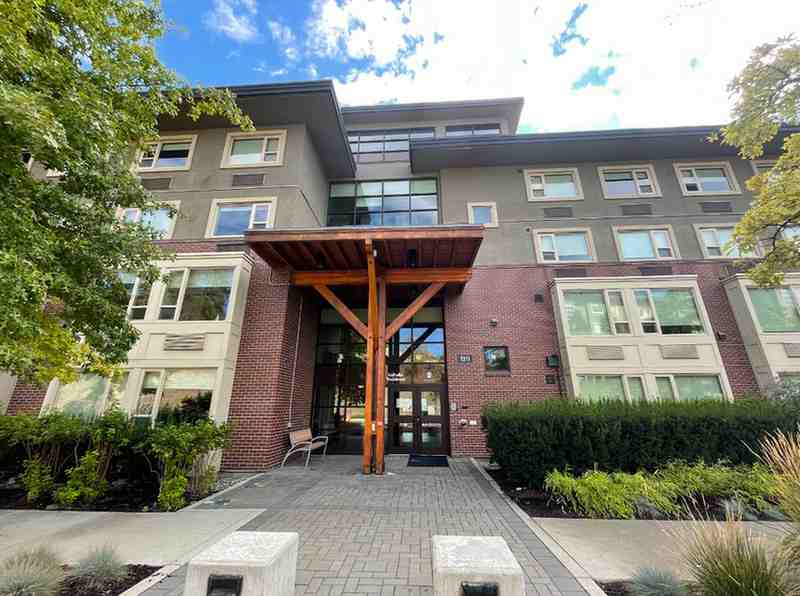
- UBC has a widespread on-campus accommodation system to help students have a smoother transition to living independently as well as being academically successful. On-campus housing is guaranteed for first-year students on both campuses. Second year onwards, students can still apply, but allotment will be on a lottery basis.
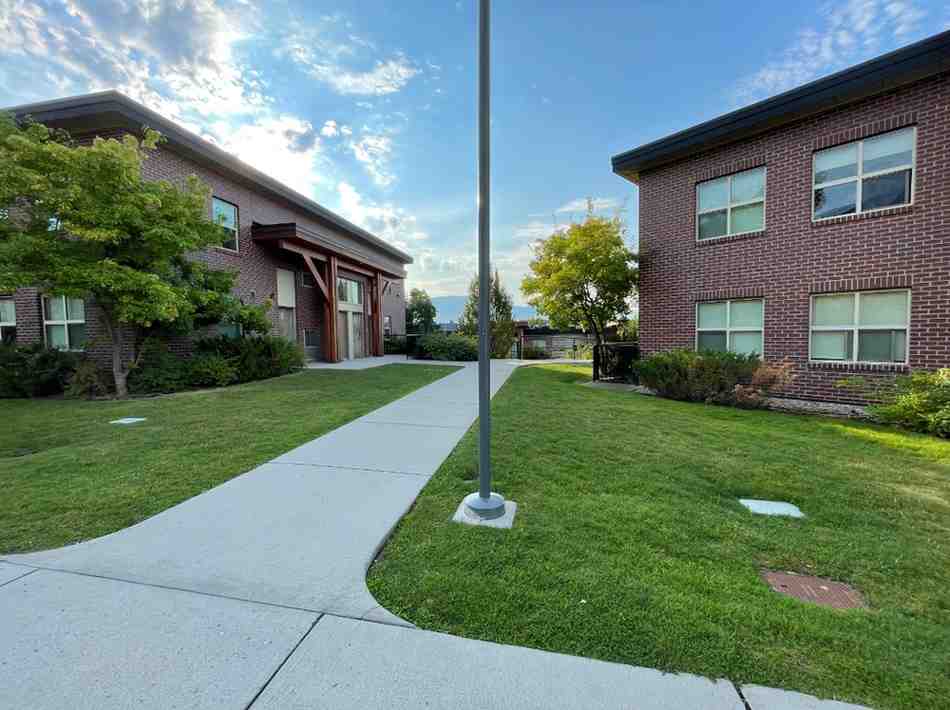
- On the Okanagan campus, there are 4 residence styles: single bedroom (with communal washroom), single bedroom (with a shared washroom with one other person), 4 bedroom suite (with 2 washrooms, a kitchen, a living room, and a balcony), and a studio/one bedroom (single occupancy with a kitchen and a washroom).
- Unlike the Vancouver campus, a student will never have to share their bedroom with anybody on the Okanagan campus, thus promising privacy and enjoyment of personal space. The first two residence styles have a mandatory meal plan, due to the lack of a kitchen, which can be availed at the common Dining Hall. Students can apply for on-campus housing directly through UBC’s website, along with information about fees, other amenities, and policies.
- The best part about residence is that students have Residence Advisors, a student who will live next door and be there to assist with any kind of housing issue (physical health, emergencies, mental health, maintenance, facilities, roommate conflicts, recreation, etc.). In fact, students can apply to be Residence Advisors themselves (as I did) starting from their second year to be a part of a vibrant on-campus residence community that not only gets them involved in residence life, learn practical skills that will be very useful later on in job searches, and ultimately has fun.
Exams
- Depending on the degree programme being applied to, the requirements may vary. However, in general, UBC (both campuses) does not require SAT or GRE results to apply. International students (from the list of countries specified by UBC) do need to demonstrate their English Language Proficiency through tests such as IELTS, TOEFL, etc.
- UBC also asked for a Statement of Purpose, Academic Letter of Recommendations (number of letters depends on the degree programme), and a detailed Résumé. In the application, UBC will also pose some essay questions to better gauge students’ dreams and aspirations, as these may not be evident from the other required documents. UBC did not hold interviews for my admission process.
Fees
- International students have a higher tuition cost compared to domestic students. Fees generally vary from degree to degree; the more specialised it is, the higher the cost. Tuition does not include other costs such as housing, books, library, transit, recreation, etc. Currently, the tuition fee for BA and BSc is around CAD 51000 per year (8 months: September to April). For MA, it is around CAD 9600 (12 months: September to August).
- There are several ways to receive scholarships, too. UBC has an extensive list of who can apply for which scholarship, and these can prove useful for students who are seeking financial support from their academic institution. There are also ways to receive a scholarship during undergraduate and graduate studies.


